

How do signs pearls need restringing help you decide when to restring a pearl necklace and how often to restring pearls?
Start with the necklace resting on a clean, soft cloth. Look along the strand, around the knots and at the thread beside both ends of the clasp. Notice gaps that were not there previously, loose fibres or a different overall drape. Do not pull the ends apart, shake a suspended strand or force pearls together to test the thread. None of those actions tells you its remaining strength, and they can strain a point that is already worn. If a small fibre looks unfamiliar, photograph it where it is rather than trimming it for a neater appearance.
Compare the necklace with its own earlier condition rather than expecting every pearl strand to look identical. Knots, pearl shapes and the original stringing arrangement can produce different spacing. A gap alone does not establish wear; a newly enlarged gap or obvious slackness is more useful information. If the strand looks different from the last time you wore it, record where the change appears instead of trying to push the pearls together.
Pause wear after noticing signs pearls need restringing, then seek an assessment of when to restring a pearl necklace and how often to restring pearls
Remove the necklace and support it flat before putting it in a separate pouch or jewellery box. Avoid tightening knots, adding glue or threading a temporary repair through the pearls. If it has broken, keep the recovered pearls, clasp parts and thread securely contained. A photograph of the affected area and a note about what happened are useful for an assessment, without requiring further handling of the damaged section.

Let wear history inform the decision, without turning it into a deadline
The purchase year does not provide a complete answer. WSP recommends maintenance every two to three years in its public pearl-care guide, with necklaces checked for stretched thread and restrung when needed. Its separate care article advises earlier restringing if thread becomes loose or stretched. The two-to-three-year suggestion concerns maintenance: it is not a universal instruction to replace every strand on that anniversary, or a Flint Jewellery service interval. Current condition and the way this necklace is worn remain central to the assessment.
A necklace worn regularly with work clothes may experience different contact and handling from one saved for occasional dinners, even when both were bought together. Keep the last restringing date as a reference, but also note clothing contact, storage and changes since that work. An infrequently worn necklace still deserves inspection when it comes out of its box. Brief notes such as “new fraying beside the clasp” or “central gap larger than in the earlier photograph” are more informative than calling the whole piece old. They help distinguish a recent change from an unfamiliar original feature.
A snag is a reason to look again, not to wait for the next planned check
If the strand catches on a zip, scarf or bag strap, stop and inspect the area that took the pull. A clasp that still closes is not proof that the thread is unaffected. Newly loose spacing, disturbed knots or fraying are reasons to set the necklace aside. Explain the incident alongside your usual wearing pattern so the assessment addresses both the visible change and how the necklace is used.
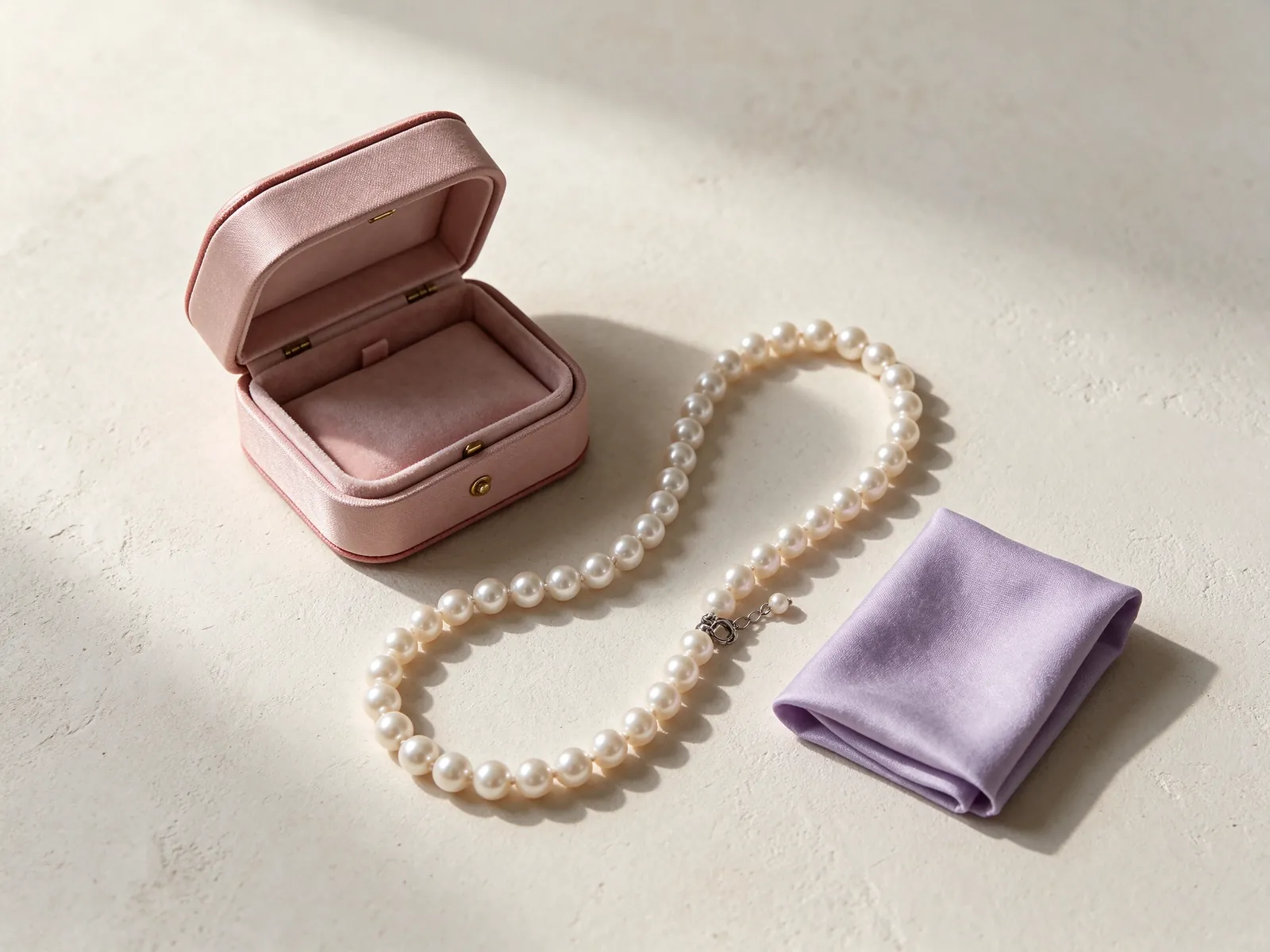
Separate thread wear from changes in pearl surfaces and clasp cleanliness
A necklace that looks less bright does not necessarily have a stringing problem. Consider how to care for dull pearls when the concern is overall lustre rather than new slackness. Describe whether the change affects the whole strand, one pearl or just the thread around a hole. Restringing should not be treated as a remedy for every surface change, and appearance alone cannot identify the pearls or the material used to string them.
Dirt near a clasp and frayed thread near that clasp need different attention. Guidance on how to clean pearl clasps and earring posts helps keep metal cleaning separate from the condition of the strand. For a visible spot on a pearl, consult how to remove stains from pearls rather than scrubbing it or soaking the complete necklace to see what changes. Record the location and any known contact with cosmetics or another substance. If deposits and fraying appear together, mention both; removing visible dirt would not establish that the thread is sound.
Use a gentle inspection, not aggressive cleaning as a test
GIA lists pearl hardness as 2.5 on the Mohs scale and advises against ultrasonic or steam cleaning. That figure concerns pearl hardness; it does not measure thread strength or establish a restringing interval. Keep the strand supported while you inspect it. If strung pearls have been cleaned with water, GIA advises allowing the string to dry completely before wearing them. A dry-looking pearl surface is not enough to confirm that the thread is dry.
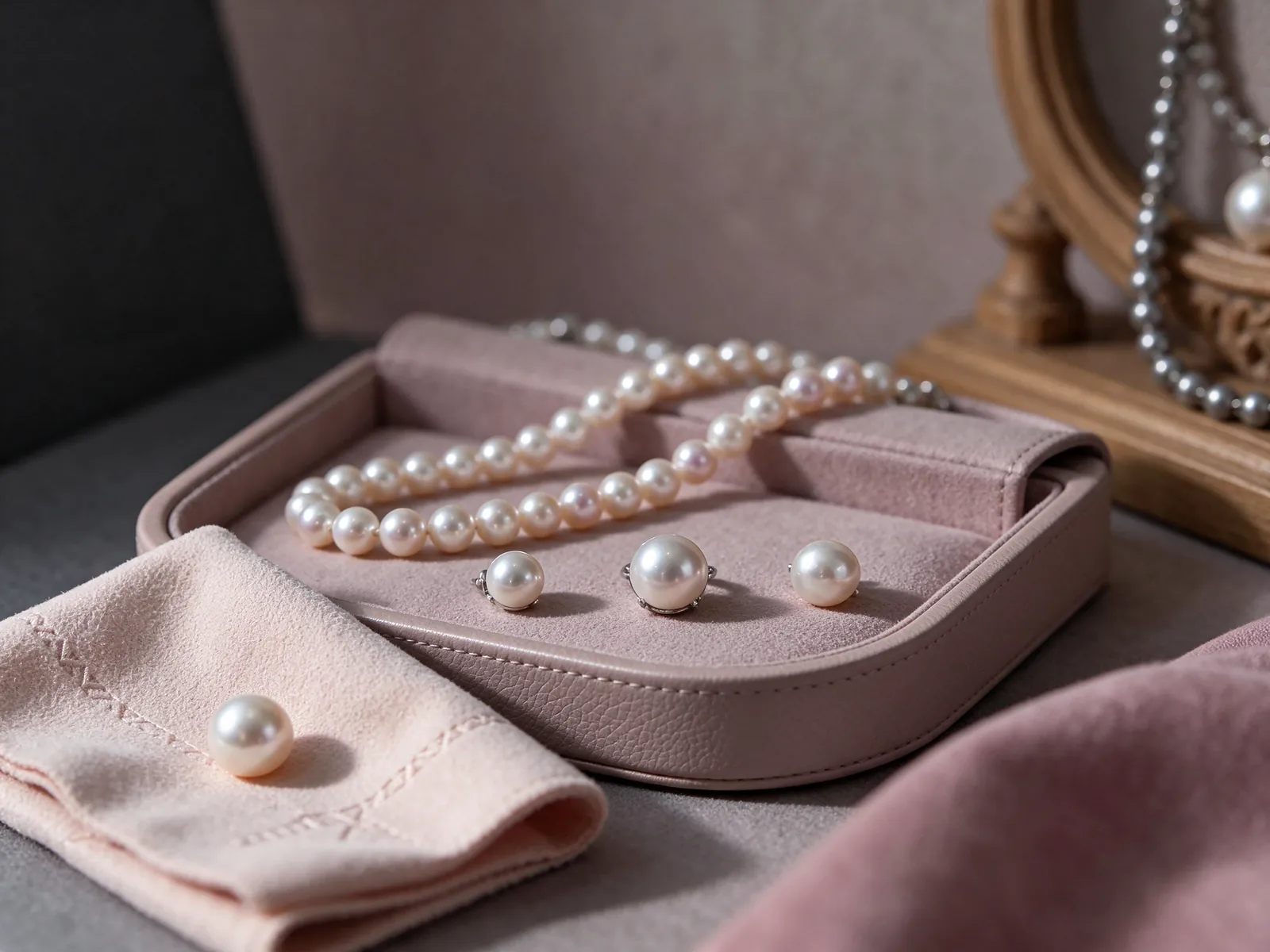
Plan occasion dressing without relying on a loose strand
Discovering slackness before a dinner or wedding can be frustrating, but wearing the necklace once more is not a useful test. Choose another piece in sound condition, or make your neckline and earrings the focus of the outfit. A high collar may hide a gap without addressing the thread. Pinning, looping or trapping the strand under clothing cannot replace an assessment of the part that supports the pearls. Even a short photograph session is still wear. Check the strand before fitting your outfit so you have time to choose a different combination without a last-minute decision.
When a necklace is in stable condition, a fitting can help reveal avoidable contact. Check whether the neckline repeatedly rubs against the strand, whether rough embroidery can catch a knot, and whether a shoulder strap presses the pearls against a coat. Consider these points alongside the visual balance of the outfit. Once fraying or slackness is evident, however, changing to a softer top does not resolve the reason for pausing wear.
Treat a length change as something to explain, not to trim away
If the necklace seems to sit lower, compare its spacing and drape as well as the neckline you are wearing. A different outfit can change the visual impression, while stretched thread may change the strand itself. If you want a length adjustment during restringing, describe the preferred position and keep a photograph of the current necklace. Do not cut away what appears to be spare thread; length, knotting and clasp placement need to be considered together.
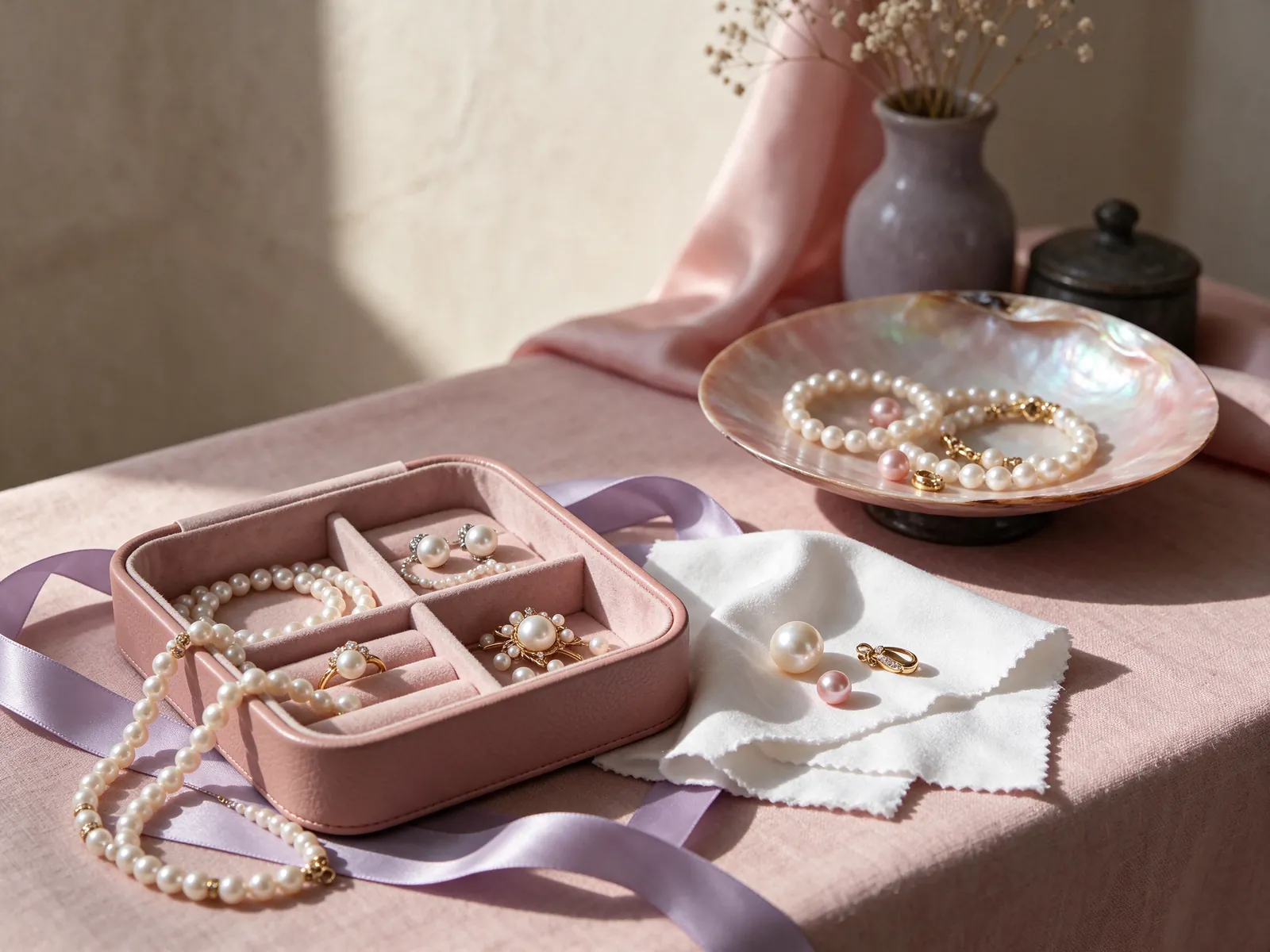
Discuss the clasp and stringing as related but distinct concerns
A difficult closure, visible distortion or looseness when the clasp is shut deserves its own description. When enquiring about pearl repair Hong Kong, explain clasp symptoms separately from stretched thread, and identify whether the movement is within the clasp or at its thread attachment. Both may need examination, but replacing the string does not establish that the existing clasp is suitable to keep. Equally, a clasp that opens and closes smoothly does not confirm that its adjacent thread is sound. Avoid repeatedly fastening or pulling it just to reproduce the issue for a photograph.
When considering pearl necklace clasp replacement, distinguish an operation problem from a styling preference. You may find the present clasp awkward to reach, prefer a different position, or have noticed a change in the closure itself. Explain which applies. The appearance in a photograph is only part of the choice; the way the clasp operates, joins the thread ends and sits when worn should also be discussed in relation to the necklace.
Existing knots are not a reason to skip inspection
Knots form part of a stringing arrangement, but their presence does not mean the thread needs no attention. Look for changes in their appearance and for wear where the strand meets the clasp. If you do not know the original thread material, leave that question open rather than identifying it by touch. An earlier care record and the necklace itself are more useful than assuming that every knotted strand uses the same string.
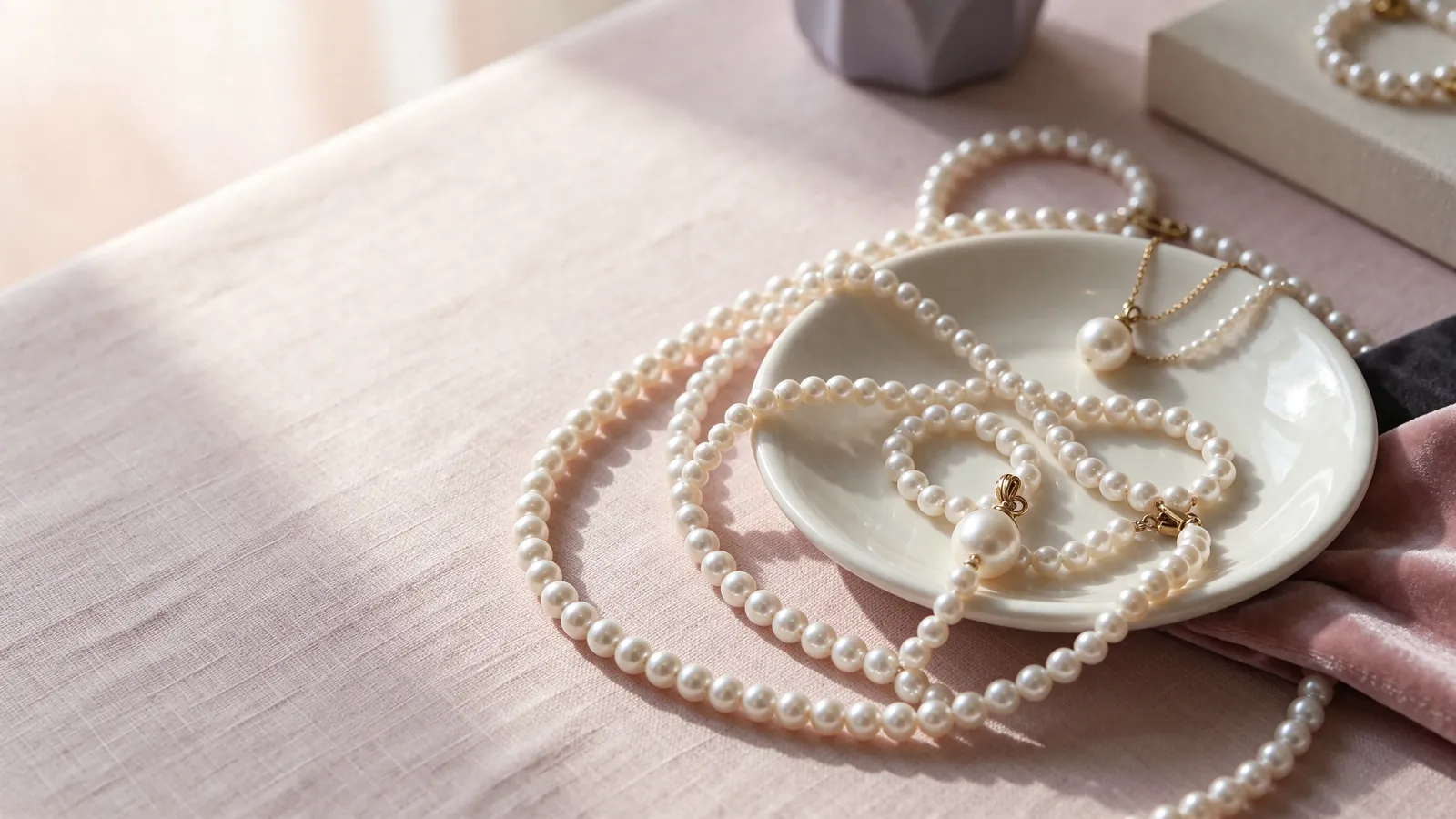
Prepare clear information for a restringing conversation
For pearl necklace restringing Hong Kong, prepare a full-length photograph with the necklace lying flat, close views of both clasp ends and a clear view of the affected section. Do not spread the pearls by pulling the thread for the camera. Good light and a different angle can show the visible issue in its current state. Add wearing frequency, any recent snag and a known date of previous stringing work. Mention a length or pearl arrangement you want to retain as well, so the discussion addresses the necklace and your goals rather than only a generic replacement schedule.
Before an assessment, record recognisable features, the clasp appearance and any loose components. If the strand is broken, contain small parts separately rather than trying to reassemble it before transport. Photographs support an initial discussion, but cannot reveal every thread section inside pearl holes or the condition of the clasp attachment. Contact Flint Jewellery on WhatsApp at +85260106207 to discuss assessment and a quotation. The suitable scope needs to be confirmed for the necklace itself; a tidy-looking photograph should not override slackness you have already noticed.
Include the way you want to wear the necklace
State whether you want to retain the present length, regularly wear the necklace with shirt collars or find the current clasp position awkward. If you are considering a change to knotting or length, discuss its effect on the arrangement before deciding the work required. Separating a maintenance concern from a dressing preference makes the conversation more precise than asking only for the necklace to look new again.

Make future care part of wearing and choosing pearl jewellery
After restringing, understand the care instructions for the new thread, clasp attachments and completed necklace. Record its initial spacing and drape, take close views of both clasp ends and check how the closure is operated. After wearing, wipe gently with a very soft clean cloth and store the strand separately, supported rather than pressed against hard-edged jewellery. Apply perfume and hair products before putting it on, avoiding direct spray. If water has been used for appropriate cleaning, let the string dry completely before wear; do not try to hurry drying with a hot hairdryer.
When choosing Pearl Jewellery, ask how the clasp is operated, how the strand should be stored and what information would help if slackness develops. Bring your usual collars and wearing habits into the discussion instead of relying on appearance alone. These are practical questions about use and care, not a way to infer pearl identity or quality documentation from a photograph. A necklace that suits your routine includes an arrangement you understand how to handle.
Keep comparable observations rather than a date-only record
Using a similar soft surface and camera angle for later photographs makes changes near the clasp or central knots easier to compare. Pair the date with a short description of the condition. An entry noting a new gap can be more useful than a list of years without observations. The aim is to recognise meaningful changes and pause wear when necessary, rather than wait for a break to make the decision for you.
| Observation | Distinction to make | Immediate step | Useful information | Wearing decision |
|---|---|---|---|---|
| New gaps between pearls | Original spacing or recent slackness | Set aside and inspect flat | Earlier and current photographs | Do not conceal gaps and continue wearing |
| Fraying by knots or clasp | Location of thread wear | Avoid pulling, cutting or glue | Close view and any snag history | Choose another sound piece |
| Unstable clasp closure | Clasp function or thread attachment | Stop repeated closure tests | Symptoms and views of both ends | Discuss clasp and stringing separately |
| Dullness or a surface spot | Pearl surface rather than thread | Avoid scrubbing or soaking the strand | Affected location and known contact | Restringing is not a surface-care remedy |
| Broken thread | Recovered pearls and fittings | Contain loose components securely | Break location and component record | Do not wear before assessment |
Pearl knowledge and authoritative references
WSP recommends maintenance every 2–3 years in its public pearl-care guide, including checking necklaces for stretched thread and restringing when needed. This is not a fixed thread-replacement deadline for every necklace. New slackness or fraying calls for pausing wear and seeking an assessment.
Read the reference for this factFrequently asked questions
Can I wear a slack necklace just for a photograph?
A brief wear is still wear, not a reliable strength test. Set the necklace aside and choose another piece in sound condition. Hiding a gap under a collar or holding the strand in place does not address the thread that supports it.
Does every visible gap mean the necklace needs new thread?
No. Original knots, pearl shapes and stringing arrangements can create spacing. What matters is a change from the necklace's earlier condition, particularly new slackness or enlarged gaps. Record the difference and seek an assessment rather than pulling the strand tighter.
Should I call the thread silk if I am unsure?
Describe what you can observe instead: slackness, loose fibres or a changed knot. Thread material cannot reliably be established by a photograph or casual touch. Any previous stringing record can help the discussion, alongside examination of the actual necklace.
Can clasp replacement and restringing be discussed together?
Yes, but identify each concern separately. Explain whether the clasp is difficult to operate, has changed shape or is simply in an inconvenient position, and also describe thread wear. The suitable scope depends on the necklace and its attachment arrangement.
Is a dry pearl surface enough after water cleaning?
No. GIA advises that the string of water-cleaned strung pearls must be completely dry before wearing. Support the strand while it dries. If slackness or fraying is also present, drying does not replace an assessment of that condition.
Updated: