

How does a golden South Sea pearl pendant's colour relate to its setting, and what should gold South Sea pearl pendant or golden pearl pendant descriptions clarify?
Begin at the boundary between pearl and setting. A warm-looking setting can create a continuous colour story, while a cooler-looking metal can make the golden tone stand apart. Neither approach is inherently more elegant. Hold the pendant against a plain ivory fabric and a darker background, noticing whether the pearl retains visual depth and whether the surrounding metal competes with it. Metal styling can be discussed in terms of 18K 750 white gold, 18K 750 yellow gold, 18K 750 rose gold, PT950 platinum and PT900 platinum, keeping the material choice separate from the pearl colour description.
Keep pearl colour, metal colour and lighting separate in your comparison. A photograph taken under warm lighting may make the entire piece appear more yellow. Reading what are South Sea pearls provides useful context for the category, but the identity and origin of an individual pearl are separate questions. Choose a visual direction first without treating the warmth of a photograph as proof of its description.
How can neckline and chain placement balance a golden South Sea pearl pendant, whether described as a gold South Sea pearl pendant or a golden pearl pendant?
With a V-neck, allow enough space around the pendant to see its outline rather than automatically placing it at the lowest point. A crew neck needs a different check: does the pearl sit clearly above the fabric or catch on its edge? Try an open shirt both ways, on skin and over fabric, then judge the result in your normal posture rather than with your neck deliberately extended.

What does a golden description tell you, and what does it leave separate?
Treat golden pearl pendant as a search description, not a complete set of specifications. When reading about a piece, separate the pearl name, colour, shape, setting and chain into distinct details. Gold South Sea pearl pendant can otherwise be read as referring to the pearl or to the metal. A clear description should let you understand which feature each word concerns without relying on the photograph to fill the gaps. GIA describes South Sea cultured pearls as occurring in white, silver or golden colours. Gold is therefore one possible appearance within the category, not a uniform look for every South Sea pearl or proof of an individual pendant pearl's identity.
GIA distinguishes bodycolour, overtone and orient, and notes that not every pearl displays all three. For a practical comparison, describe the overall colour first, then observe any additional hue as you change the viewing angle. You do not need to assign a technical name to every bright reflection. Golden appearance alone cannot establish origin, natural or cultured identity, or the existence of a certificate.
How can you compare photographs without mistaking lighting for colour?
Look for comparable backgrounds and lighting. If white fabric in one image also looks yellow, the pearl's appearance may be influenced by the whole scene. For an in-person view, gently change the angle and watch the relationship between bright and shaded areas. Increasing screen brightness is not an equivalent test. Read the written description alongside the images instead of letting a flattering filter decide identity.
How should lustre and surface appearance influence the choice?
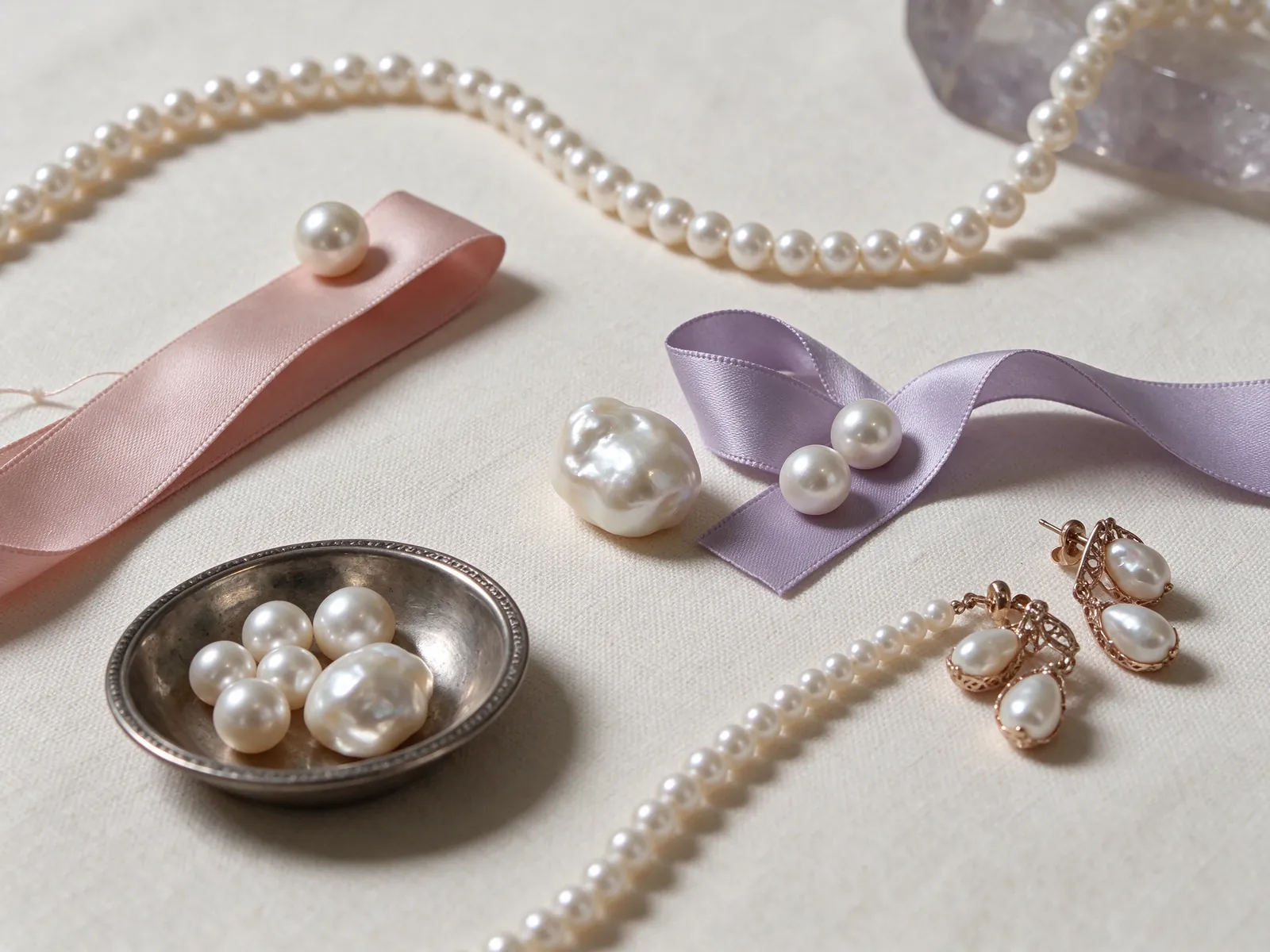
GIA describes seven pearl value factors: size, shape, colour, lustre, surface quality, nacre quality and matching. For a single-pearl pendant, this is a useful reminder not to make colour the entire decision. Observe the clarity of reflections and the transition between light and shadow, then consider whether the outline suits your style. The framework is not a universal formula for converting an appealing photograph into a grade. Matching primarily concerns jewellery with multiple pearls; for a single-pearl pendant, focus on the other factors and the visual relationship between pearl and setting.
View the pendant at a normal wearing distance before examining surface details closely. A mark on the main front-facing area and a small feature near the setting may affect the overall appearance differently. Compare a white South Sea pearl pendant using similar viewing conditions if you want to isolate your colour preference from differences in lustre and shape. Counting visible marks alone does not explain their visual impact.
Why look at the side as well as the front?
A side view shows how pearl, setting and hanging loop work together. Notice whether the metal visually crowds the pearl, whether the outline remains balanced, and how the pendant rests against fabric. These observations concern design and wear. They do not measure nacre thickness or establish a lifespan, so avoid drawing laboratory-style conclusions from a close-up image.
How do shape, hanging loop and chain create the complete silhouette?
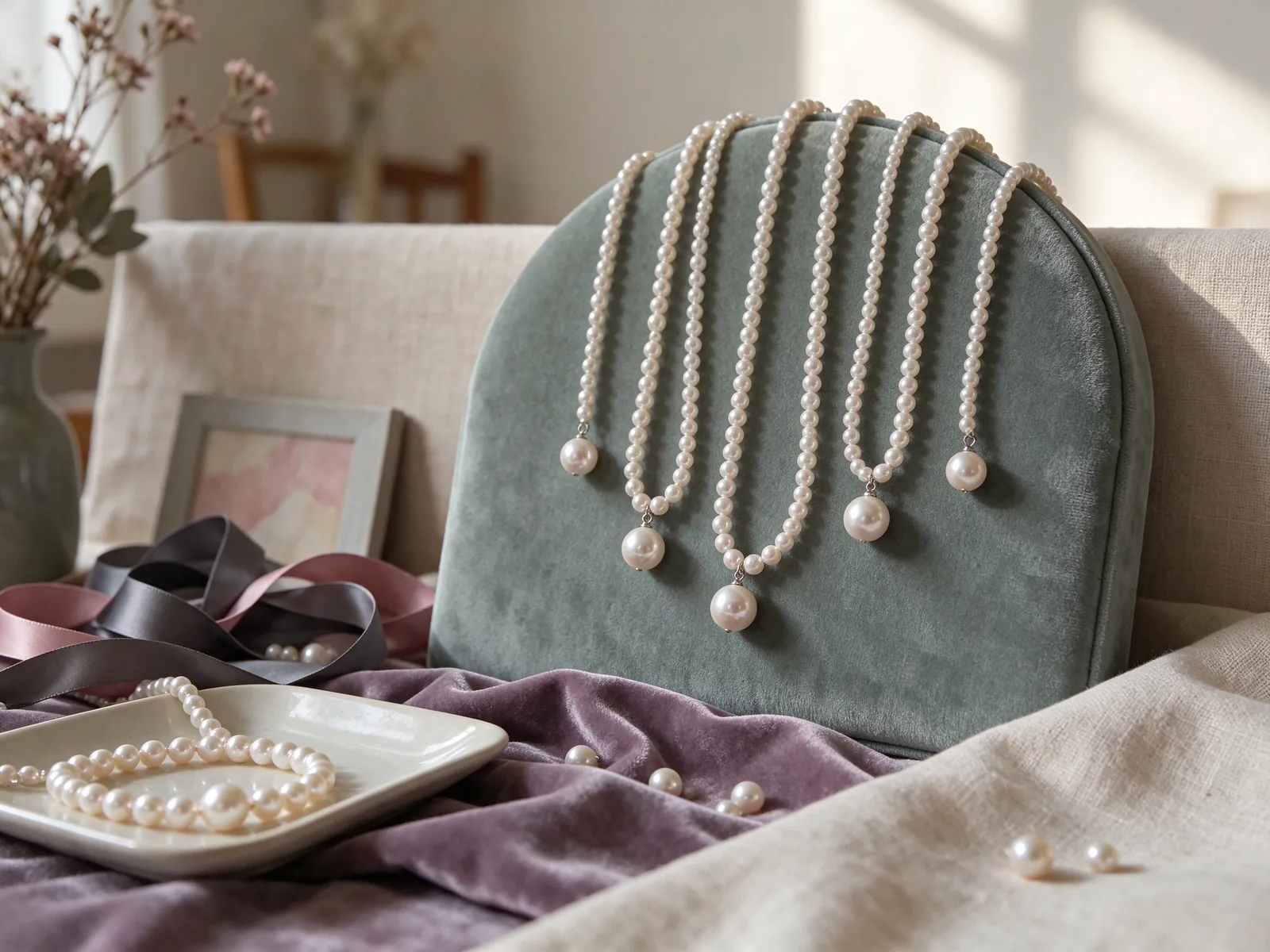
The presence of a pendant depends on more than the apparent size of its pearl. An elongated hanging loop adds vertical direction, while a shorter one can concentrate attention on the pearl itself. A broader outline of metal changes how the piece reads against clothing. Compare the entire silhouette rather than treating pearl diameter as the only guide, particularly when photographs are displayed at different scales.
The chain contributes both a visual line and a way for the pendant to move. A prominent chain may compete with a subtle golden focal point, while a delicate-looking line still needs to be considered with the complete structure. Exploring pearl pendant design principles helps you decide whether you prefer a single quiet focus or a more visible metal framework, without assuming one chain style suits every piece.
What movements should you include in a try-on?
Sit down, turn your shoulders and look down, then check whether the pendant still rests naturally. If it turns over, observe the loop direction, chain movement and contact with fabric rather than assuming a shorter chain is the whole solution. Include the jacket you often wear and look for contact with buttons, zips or straps. An ordinary movement test tells you more about daily styling than a carefully posed photograph.
How can warm gold fit everyday clothes and evening dressing?
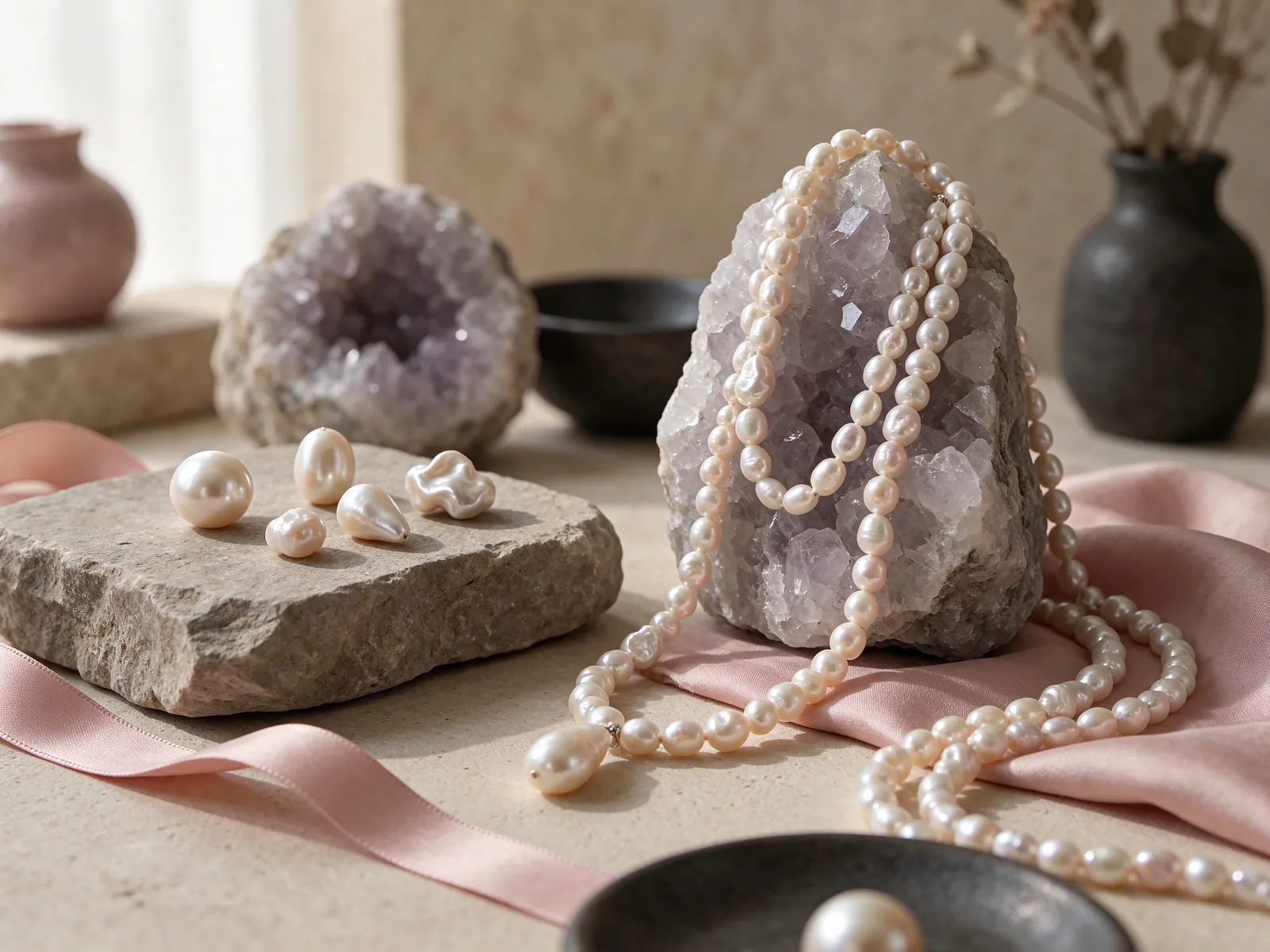
For everyday wear, a plain top gives the pearl a legible background. Ivory, beige and brown can continue a warm palette, while navy or charcoal can introduce stronger contrast. The result depends on the actual pearl tone and fabric finish, so test the combination rather than applying a fixed rule about skin tone. A patterned top may call for fewer competing elements around the neckline.
For an evening outfit, decide whether the main focus belongs at the neck, ears or clothing before adding more jewellery. If you are weighing a warm focal point against a darker one, Tahitian black pearl pendant styling offers a useful alternative colour direction. Compare their relationship with the outfit rather than assuming every pearl under either name has an identical appearance or that more jewellery necessarily looks more formal.
Can a golden focus work with softer pink jewellery?
Look for a shared element such as rounded outlines, restrained metal lines or similar visual weight. Exploring pink pearl pendant styling can help you explore a softer warm-colour direction without requiring every piece to match. If layering, prevent pendants from knocking into each other. Start with the golden piece alone and add one element at a time to distinguish an awkward colour relationship from simple overcrowding.
How do you prioritise a first pendant or a gift?
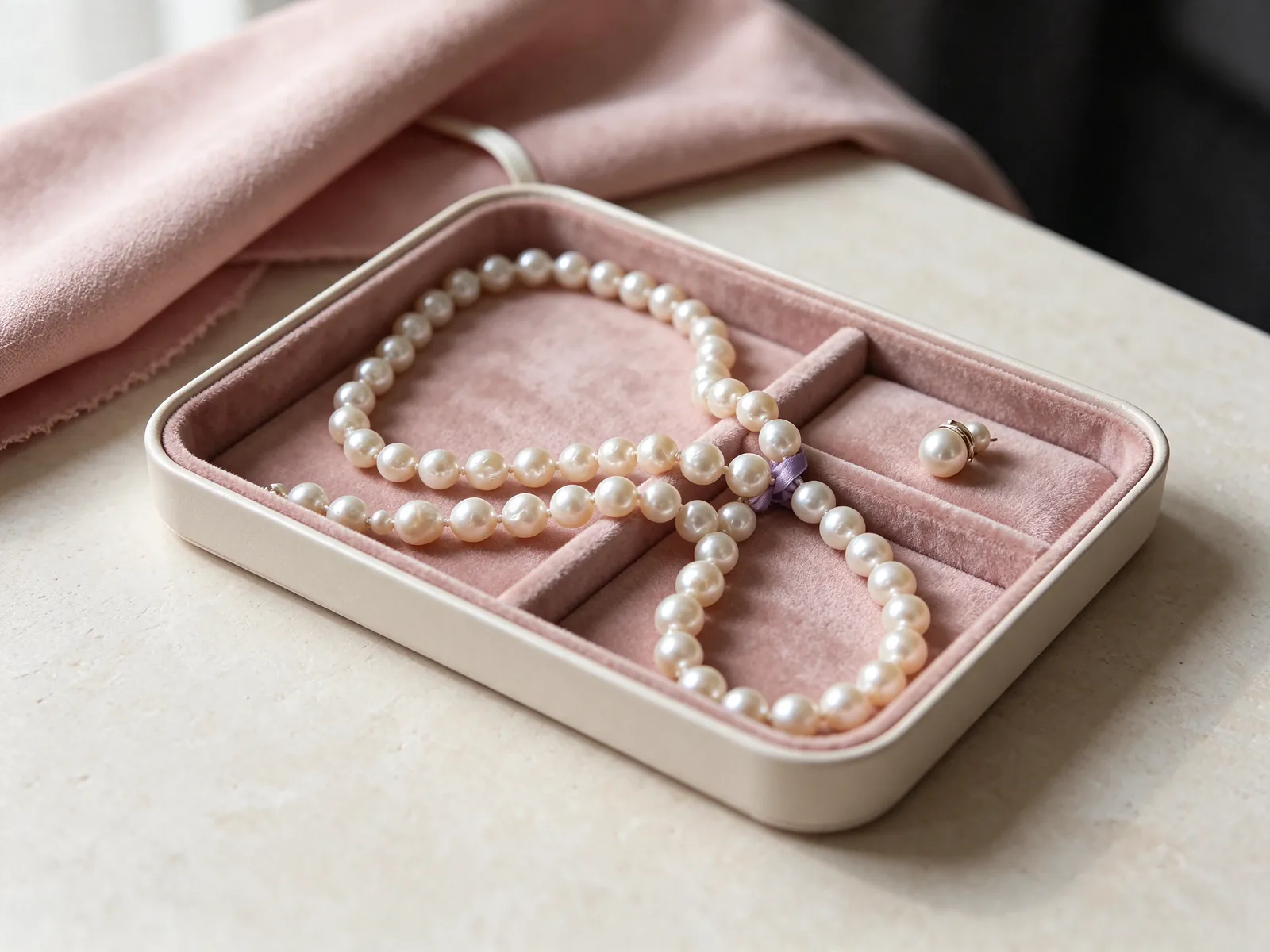
For a gift, begin with the recipient's actual habits: open collars or high necklines, a discreet accent or a pronounced focal point, and regular removal or occasional wear. These questions are more useful than choosing by age alone. Someone who normally wears only earrings may need particular consideration of chain handling and pendant placement. A golden colour is not a substitute for understanding how the person dresses.
For a first pendant, use your most frequently worn top as the starting point. Separate essential preferences from optional decoration, such as wanting the pearl to remain the main focus or wanting a clear outline against patterned fabric. Reading about freshwater pearl pendant design can broaden ideas about shape and line, but visual similarities do not make different pearl identities, individual specifications or prices interchangeable.
What makes a styling discussion specific and useful?
Bring a photograph of a neckline you often wear and describe the occasion, preferred colour direction and details you dislike. Ask whether the pendant would read more clearly on skin or fabric, how it might interact with buttons, and which outline keeps a single-pearl focus. Concrete everyday situations communicate your priorities better than broad requests for something luxurious or versatile.
What care habits belong in the final decision?
GIA places pearl at 2.5 on the Mohs hardness scale. This makes avoiding scratches a sensible everyday concern; a golden shine is not evidence of a hard surface. Wipe the pearl with a very soft, clean cloth after wearing and store it away from jewellery that can rub against it. Check that its own metal parts do not press against the pearl when the piece is put away.
Avoid perfume, hair spray, acids and excessive heat, and never use ultrasonic or steam cleaners on pearls. Finish fragrance and hair styling before putting on the pendant to reduce direct exposure, and remove it before activities involving cleaning products. A method suitable for a metal setting is not automatically suitable for the pearl attached to it. Consider the complete piece when choosing a care routine.
How can you make a balanced final choice?
Review colour, silhouette, placement and care together. Does the pendant sit clearly with your usual neckline? Does ordinary movement leave you adjusting it repeatedly? Are you comfortable removing it before spraying fragrance or doing household tasks? The most suitable choice need not be the most dramatic in every photograph. It should let the golden tone you enjoy remain visible while fitting naturally into your routine. To discuss how a golden focal point could work with your usual necklines, contact Flint Jewellery on WhatsApp +85260106207 and share your preferred silhouette and wearing occasions.
| Feature | What to observe | Styling decision |
|---|---|---|
| Pearl and setting colour | Separate pearl, metal and background under similar lighting | Choose warm continuity or cooler contrast |
| Lustre and surface | View at wearing distance, then examine front and side | Distinguish overall focus from close detail |
| Shape and hanging loop | Compare the complete vertical outline | Allow space within the neckline |
| Chain and placement | Check the position while seated and turning | Reduce edge-catching and distracting movement |
| Care and storage | Consider spray exposure and contact with other jewellery | Match the pendant to realistic care habits |
Pearl knowledge and authoritative references
GIA describes seven pearl value factors: size, shape, colour, lustre, surface quality, nacre quality and matching. This framework helps separate a golden colour preference from the other observations involved in choosing a pendant. Matching primarily concerns jewellery with multiple pearls; for a single-pearl pendant, focus on the other factors and the visual relationship between pearl and setting.
Read the reference for this factFrequently asked questions
Does gold South Sea pearl pendant mean both the pearl and setting are golden?
Not necessarily. Pearl colour and metal colour describe different features. Read them separately, and do not infer pearl origin, natural or cultured identity from a golden appearance.
Is a deeper golden colour automatically the better choice?
No. Colour is one part of the comparison alongside lustre, surface appearance, shape and styling. A softer golden look may suit a quieter wardrobe better than a stronger focal point.
Should the pendant sit exactly at the point of a V-neck?
Not as a fixed rule. The fabric can obscure the outline at that position. Compare a placement with some open space around the pearl and check it again when seated.
Will shortening the chain stop a pendant turning over?
It is not a universal solution. Loop direction, chain movement and contact with clothing can all affect how a pendant rests. Observe the complete piece during normal movement before deciding on placement.
Can I use an ultrasonic cleaner because the pendant has a metal setting?
No. GIA states that pearls should never be cleaned with ultrasonic or steam cleaners. For routine care, use a very soft, clean cloth and avoid perfume, hair spray, acids and excessive heat.
Updated: