
How does a Tahitian black pearl brooch complement a suit? Tahitian pearl brooch styling
Start with your jacket rather than an isolated close-up of a pearl. Put the jacket on and look at the width of its lapel, the direction of the fold and the space occupied by a pocket square. The whole brooch should read as a deliberate detail within that area. A narrow lapel needs breathing room around the design; a broader lapel may accommodate a more expansive outline. Our pearl brooch guide provides a wider starting point for comparing wearing styles without treating size alone as the deciding factor.
A dark pearl can create a quiet focal point on navy or charcoal tailoring, but similar tones may also soften its outline. Try the combination with an ivory shirt or a restrained pocket square and see whether the pearl remains visible from an ordinary conversational distance. Choose which accessory leads the outfit. If the brooch carries a distinctive motif, a plain tie often leaves its shape easier to appreciate than several competing patterns.
Before pinning a Tahitian black pearl brooch: checking the Tahitian pearl brooch fastening and fabric support
Inspect the pin, catch and their alignment with the jacket laid flat. The fastening should close without obvious looseness, while the fabric should not have to be compressed excessively to make it fit. After attaching the brooch, stand, sit and turn gently. Watch for a drooping lapel, puckering or a design that rolls forward. A different position or a more supportive garment is preferable to forcing an unsuitable fastening through the cloth.
Separate dark appearance from pearl identity
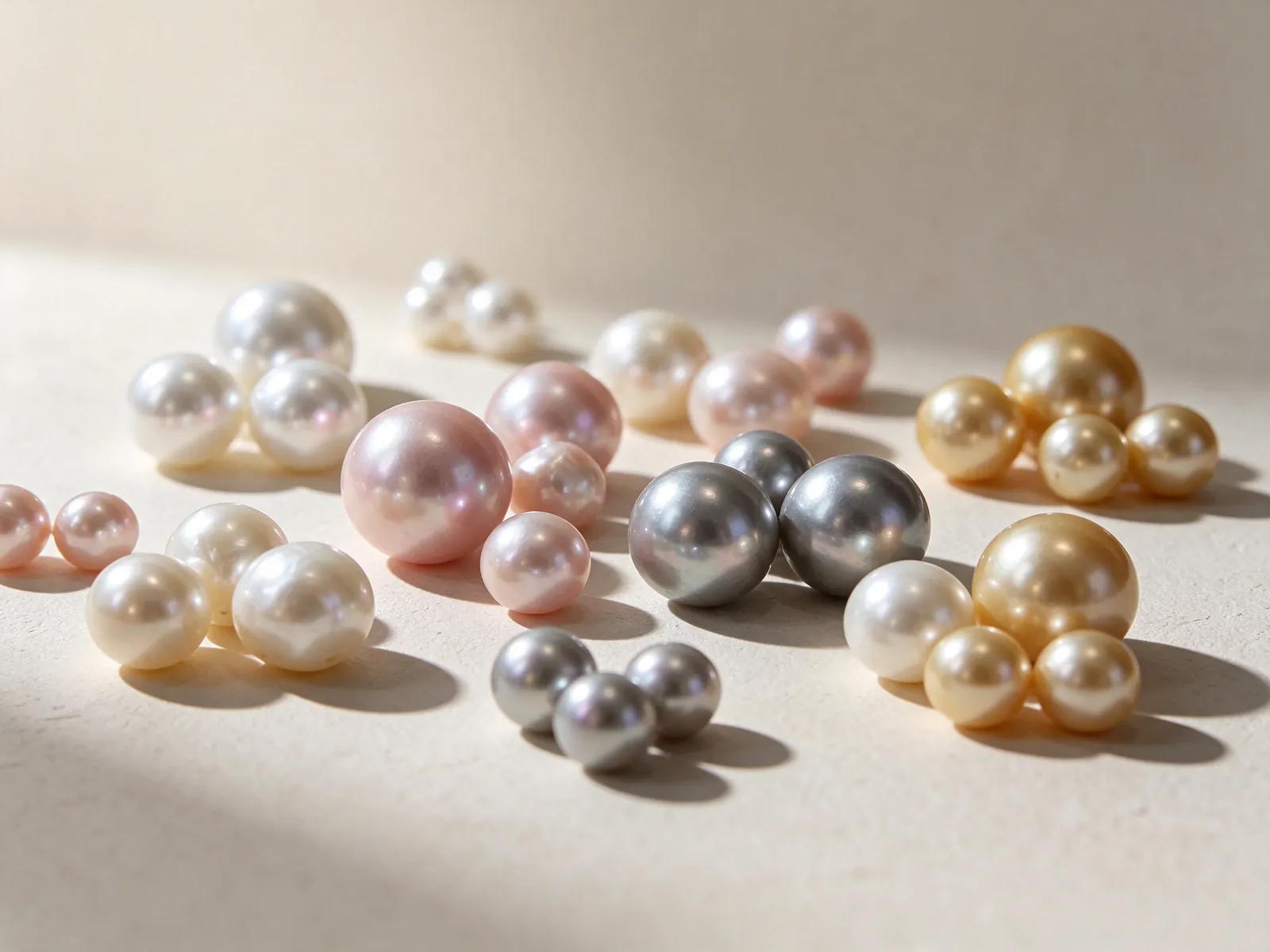
The phrase black pearl brooch describes a visual search, not a complete identification. Colour and shape alone cannot establish origin, natural-versus-cultured identity or the presence of a certificate. Read the pearl description separately from the colour description and from any accompanying document. For background, what are Tahitian pearls explains the topic to explore before applying that knowledge to an individual piece. A photograph can help you assess styling, but it does not replace a stated identification. GIA lists Tahitian cultured pearls among the four main types of whole cultured pearls, identifies French Polynesia as their main source and notes that they are not all black. This general background does not establish the type or origin of a pearl in an individual brooch.
GIA distinguishes bodycolour, overtone and orient, and notes that not every pearl displays all three. Begin by describing the overall lightness and colour you can actually see, then consider any additional colour impression in its reflections. Avoid choosing solely by a fashionable colour name. View the brooch in soft daylight and under indoor lighting against a similar background; that helps separate your preference for a deep tone from your preference for clear, lively reflections.
Why a green reflection in a photograph is only part of the picture
Lighting, exposure and viewing angle influence what a photograph records. A pronounced green reflection in one image need not describe how the pearl looks beside every jacket. When comparing photographs, look for consistent backgrounds and more than one angle rather than the most dramatic close-up. If the lighting differs substantially, reserve judgement about subtle colour differences and use the images primarily to understand the outline and arrangement.

Compare lustre and surface with a useful framework
GIA identifies seven pearl value factors: size, shape, colour, lustre, surface quality, nacre quality and matching. For a single-pearl brooch, begin with the clarity of reflections, the visible surface and the balance between the pearl and its setting. In a multiple-pearl design, consider how the pearls relate to one another as well. These factors organise a comparison; referring to them does not mean that an individual brooch has been certified by GIA.
If your shortlist includes an Akoya pearl brooch or a freshwater pearl brooch, ask the same practical questions of each piece rather than assuming that a pearl category settles the choice. Does the visible pearl work with the motif? Is its surface appearance pleasing at the distance at which you will wear it? Is the colour relationship suitable for your clothes? Comparing actual pieces under similar conditions is more informative than ranking names without considering the design.
Use both close inspection and normal wearing distance
A close view helps you understand surface features, while stepping back tells you whether those features interrupt the overall effect. Turn the piece to examine the side and the area beside the setting rather than relying only on its most flattering face. For a brooch designed to present one side outward, that wearing face deserves particular attention. Do not expect every viewing angle to produce an identical reflection.

Read the silhouette, not just the pearl shape
A round-looking pearl can sit within a long, horizontal or asymmetric outline. Conversely, a less regular pearl can form part of a calm, balanced composition. Consider the direction of the entire brooch against the lapel fold. An upward line may echo tailoring, while a broad outline needs enough clear fabric around it. If a baroque pearl brooch appeals to you, look at how its individual curves are supported by the surrounding design instead of treating irregularity as a style in itself.
Distinctive motifs are easiest to read against relatively plain cloth. With textured tailoring or a patterned shirt, a simpler outline may be more versatile. Think beyond the appeal of a flower, animal or abstract symbol: the orientation of the motif and the position of the pin affect how it sits. Try both sides of the jacket when possible. A directional design can look quite different when moved from one lapel to the other.
Leave clearance for bags, scarves and everyday movement
Check the brooch with the bag or scarf you normally use, not only with the jacket alone. A strap crossing the pearl or catching an exposed edge changes how practical the position is. Also consider opening the jacket and taking a scarf off. If the piece is repeatedly brushed or pulled, move it to a less exposed position or choose another garment rather than defending a conventional placement.

Balance pearl reflections with metal lines and diamond accents
Look at the metal as part of the composition rather than an automatic ranking of colours. Bright lines may clarify the border of a dark pearl; warmer lines may echo the clothing or other accessories. Compare the brooch alongside your watch, cufflinks or earrings. A repeated colour relationship can make the outfit coherent without requiring every accessory to match exactly. The aim is a clear focal point, not uniformity for its own sake. For a materials enquiry, you can state a preference for 18K 750 white gold, 18K 750 yellow gold, 18K 750 rose gold, PT950 platinum or PT900 platinum. Confirm the material of any individual brooch from its written details rather than inferring it from metal colour.
When considering a pearl and diamond brooch, examine where the bright accents sit. A few highlights can define an outline, while a denser arrangement gives the whole piece more visual presence. Neither effect is inherently better for a dark pearl. Read the stated gemstone information rather than identifying a sparkling detail from a photograph. The decision should connect the documented materials with the visual balance you want, especially if the brooch will accompany other reflective accessories.
Adjust the surrounding outfit between work and dinner
For a working day, let the brooch provide the main decorative detail and keep the shirt and tie straightforward. For dinner, you might add an accessory that echoes its light without competing with its outline. Step back and look at the entire outfit. If several bright areas compete for attention, removing one accessory may make the pearl more noticeable than adding another.
Care for the pearl and the fastening as different parts
GIA places pearl at 2.5 on the Mohs hardness scale and advises against ultrasonic and steam cleaning. A substantial metal backing does not make the pearl suitable for those methods. After wearing, gently wipe it with a very soft, clean cloth. Avoid scrubbing around the junction between pearl and setting or pulling the components apart. Persistent dirt calls for advice appropriate to the complete piece, not stronger household chemicals or additional heat.
Keep perfume, hair spray and acids away from the pearl. Finish grooming before attaching the brooch, and remove it before taking off the jacket at home. This also reduces the chance of sending a garment for cleaning with the jewellery still attached. Store the piece separately from other jewellery so that its pearl and pin point do not rub against neighbouring items. Inspect the catch again before the next wear.
Respond to a loose catch before wearing the brooch again
Stop using the piece if the catch no longer closes securely, the pin is visibly bent or the brooch repeatedly turns forward. Describe the fastening problem to a suitable jewellery professional rather than bending the pin with pliers or applying glue around the mechanism. Keep mechanical concerns separate from pearl cleaning when explaining the issue; a clean surface does not resolve an unreliable catch.

Make the final choice around a realistic wearing routine
Prepare a photograph of a frequently worn jacket and note its fabric, lapel shape, main colour and likely occasions. Choose the features that matter most to you, such as clear lustre and a restrained outline, or an individual pearl shape and subtle contrast. This keeps the comparison focused. An appealing close-up should not distract you from a fastening that is awkward to use or a design that crowds the available lapel space.
For a gift, ask how the recipient normally dresses and whether they enjoy pin-style accessories. Someone who wears structured tailoring may have different support needs from someone who prefers soft knitwear. Their preferred side, bag habits and willingness to attach the brooch each time are useful considerations. A thoughtful gift fits those routines; it does not need promises about luck, wellbeing or other effects to give the design personal meaning.
Keep the information that helps future comparisons
Retain the stated pearl identity, dimensions, overall measurements, fastening type, materials and care instructions. Distinguish those written details from your own visual impressions. If a document accompanies the piece, understand whether it describes the pearl, another gemstone or the complete item. Such information helps when discussing a different jacket or comparing another design later, and is more useful than remembering only that the pearl looked dark and attractive. To discuss your selection questions about dark pearl appearance, lapel proportions or wearing habits, contact Flint Jewellery on WhatsApp +85260106207.
| Feature | How to assess it | Tailoring consideration | Trade-off | Question to ask |
|---|---|---|---|---|
| Tone and reflections | Compare similar daylight and indoor views | Keep the outline visible on dark cloth | Quiet blending versus contrast | Which jacket colour will you wear most? |
| Lustre and surface | Inspect closely, then step back | Focus on the outward-facing pearl | Close-up detail versus wearing effect | Do you like both front and side views? |
| Overall silhouette | Follow the direction of the full motif | Leave room beside the lapel fold | Distinctive shape versus clear space | Does it work on your preferred side? |
| Fastening and support | Check closure and gentle movement | Avoid drooping or puckered cloth | Preferred position versus fabric structure | Does the catch remain securely closed? |
| Accessory balance | View with tie, pocket square and watch | Keep one main focal point | Additional highlights versus restraint | Would one fewer accessory improve the outfit? |
Pearl knowledge and authoritative references
GIA identifies seven pearl value factors: size, shape, colour, lustre, surface quality, nacre quality and matching. They provide a comparison framework for the pearl or pearls in a brooch.
Read the reference for this factFrequently asked questions
Is a delicate blouse a suitable place for a Tahitian pearl brooch?
A pin passes through the fabric, and a delicate blouse may show holes or distort under the piece's weight. Consider both puncture and support before wearing it there. A structured jacket may be more suitable, but its thickness still needs to work with the actual pin and catch.
Does a black pearl brooch have to sit on the left lapel?
Placement depends on the garment, motif direction and other accessories rather than a universal rule. Compare both sides and check for bag straps or scarf contact. Choose a position that looks intentional and remains comfortable while sitting and moving.
Can a dark product photograph confirm Tahitian pearl identity?
No. Colour and shape alone cannot establish origin, natural-versus-cultured identity or treatment status. Use the individual piece's stated information and any relevant document for identification. Photographs are better used to assess the visible arrangement and styling.
How does matching apply to a brooch with only one pearl?
There is no pearl-to-pearl matching comparison in a single-pearl piece. Concentrate on its other pearl characteristics and how it relates visually to the setting. Matching becomes a separate consideration when a design combines multiple pearls.
Should I leave the brooch attached when storing my jacket?
Removing it after wearing makes gentle cleaning and catch inspection easier and helps prevent it being forgotten before garment cleaning. Store it separately, keeping the pearl away from other jewellery and ensuring the pin point cannot scratch adjacent items.
Updated: