
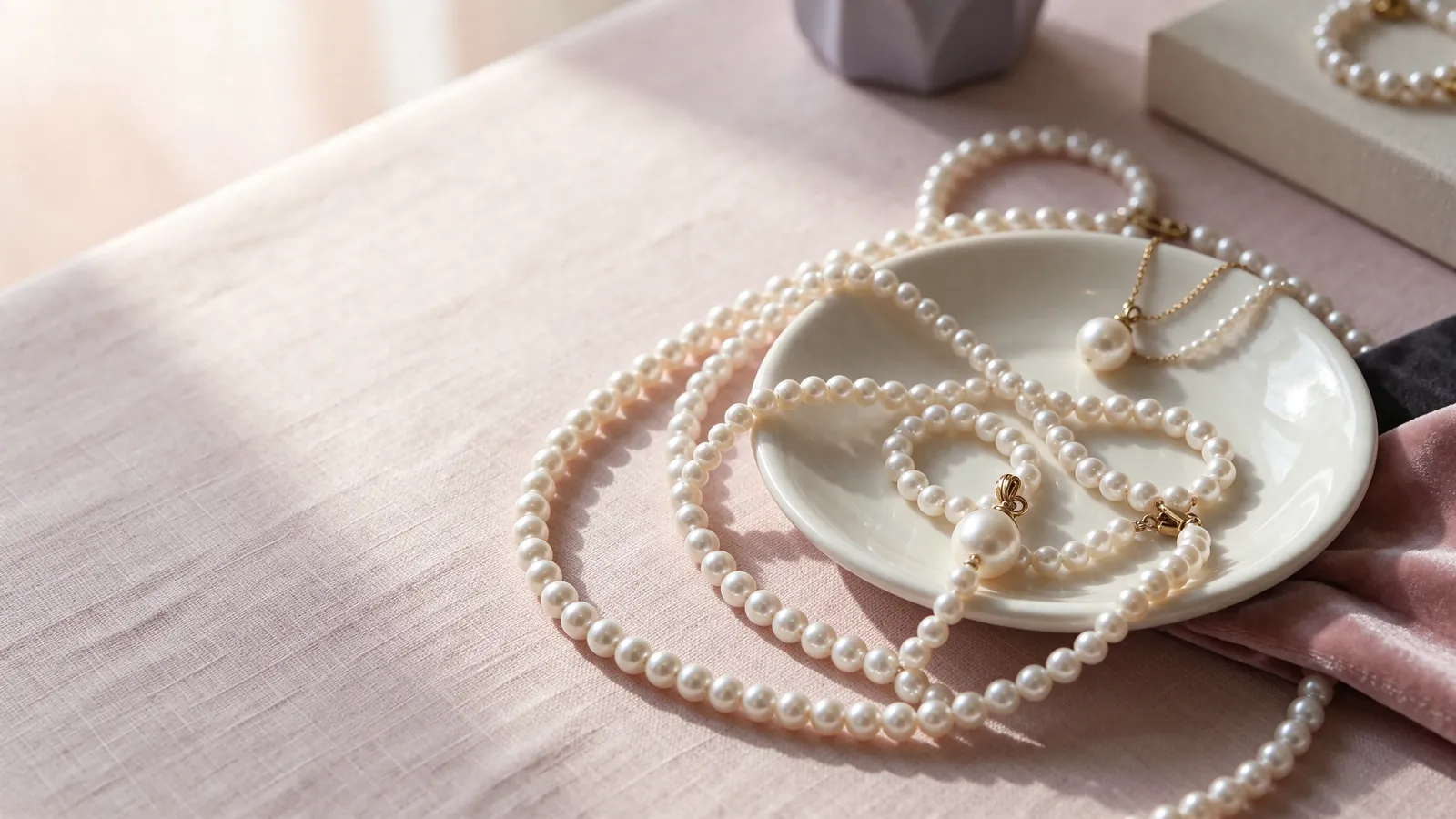
How can necklines and layers guide unisex pearl jewellery styling, from genderless pearl jewellery for everyday outfits to gender neutral pearl gifts for weddings?
Start with an outfit that actually appears in your weekly rotation. A crew neck, an open shirt and a high knitted collar create different spaces around the neck, so they offer better starting points than a gender category. Compare whether the pearl sits above a neckline, within its opening or against the fabric. Then put your jacket back on. A placement that looks balanced with an unbuttoned shirt may feel quite different once the whole outfit is assembled.
Genderless pearl jewellery does not require everyone to choose a quiet, minimal look. A single focal point, a visible sequence of pearls or a layered composition can each express personal taste. WSP’s public genderless collection describes its approach without “for her” or “for him” categories. That illustrates a styling term, not a reason to assume universal fit. If shirts are central to your wardrobe, the men's pearl necklace guide offers another way to consider collar proportions. Unisex pearl jewellery leaves the wearer free to decide how much presence feels right.
Which of the recipient’s favourite necklines can help you choose gender neutral pearl gifts that reflect their approach to genderless pearl jewellery and unisex pearl jewellery?
Notice whether the recipient usually reveals a necklace or keeps it beneath clothing. Ask about a familiar piece they already find comfortable instead of guessing a length from a photograph. An open neckline does not automatically mean they enjoy jewellery close to the throat, and a high collar does not automatically mean they want a long necklace. Their preferred placement, together with a real outfit, gives gender neutral pearl gifts a more personal direction.
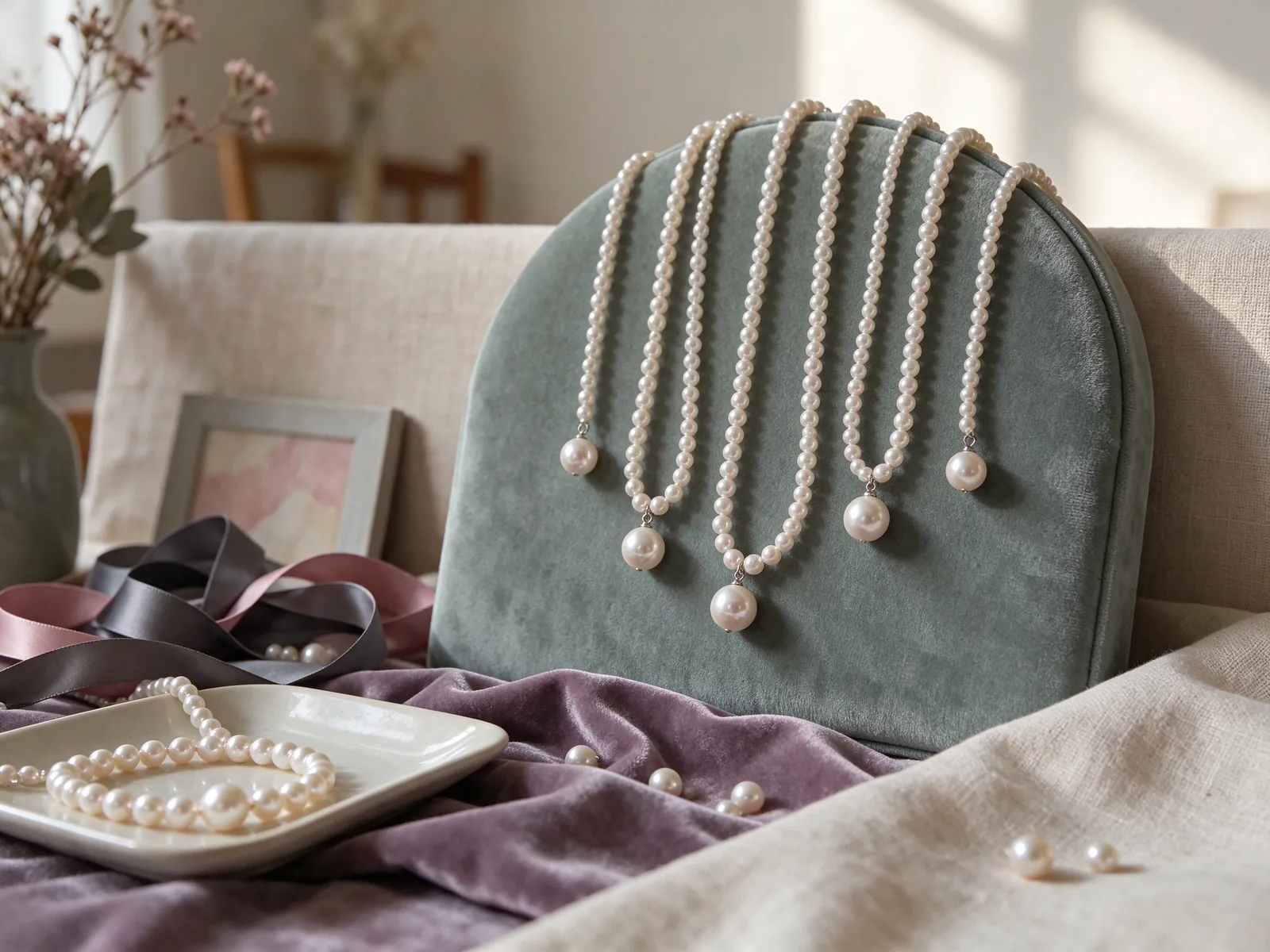
Decide on a focal point before comparing pearl proportions
Choose what you want someone to notice first: the face, the clothing or the pearl detail. Patterned fabric may work well with a clearly separated focal point, while a simple shirt can leave room for a more noticeable arrangement. Neither option belongs to a particular gender. Compare the pearl together with its chain, surrounding hardware and the lines of the collar. Using the same outfit and mirror for each comparison makes the differences easier to understand.
Visual scale and pearl quality answer different questions. GIA describes seven pearl value factors: size, shape, colour, lustre, surface quality, nacre quality and matching, with matching applying to jewellery containing two or more pearls. For a strand, consider how the individual pearls work together as well as their separate qualities. The pearl grading guide explains this framework; a seller’s AAA or AAAA label is not a globally standardised GIA grade. A preferred silhouette does not establish quality, a certificate or a price. Read the stated description rather than treating a styling photograph as evidence.
How can a bold look stay personal rather than become a label?
Replace the question of whether a piece looks sufficiently neutral with a more useful one: does its presence feel like you? Look at both an upper-body view and the complete outfit. A detail you enjoy close up may disappear against a patterned jacket, or become more prominent than expected against plain fabric. Adjust the surrounding accessories before assuming the pearl itself is wrong. Quiet and expressive are choices, not categories assigned to the wearer.

Let wardrobe colours and fabric textures guide the contrast
Begin with the colours you repeatedly choose for clothing. A lighter pearl against dark fabric can create clear contrast, while a closer tonal relationship may feel more restrained. Try both rather than treating skin tone as a set of restrictions. The same combination can look different in daylight and indoor lighting, so a single photograph is a limited basis for a gift decision. Describe the contrast the recipient enjoys instead of attaching a personality or identity to a colour.
Texture changes the setting around the pearl. A structured shirt gives a clear collar line, while soft knitwear provides a different background for its outline. If the outfit already contains a print, a shiny detail or a decorative collar, try removing another accessory from that area. Include the objects you genuinely wear, such as an identification lanyard or glasses chain. A successful combination should work with the practical wardrobe, not only with an empty neckline arranged for a photograph.
What can colour tell you, and what can it not establish?
GIA distinguishes bodycolour, overtone and orient. All pearls have bodycolour, but not every pearl also displays the other two components. These terms help describe appearance; colour or shape alone does not establish origin or natural versus cultured identity. You can ask for a warmer, cooler or more contrasting look while keeping that preference separate from documented information. Where a laboratory report accompanies a piece, read what it identifies and what examination it covers. Identity information is not automatically a valuation, an investment promise or a brand warranty.
Build layers that leave room for everyday movement
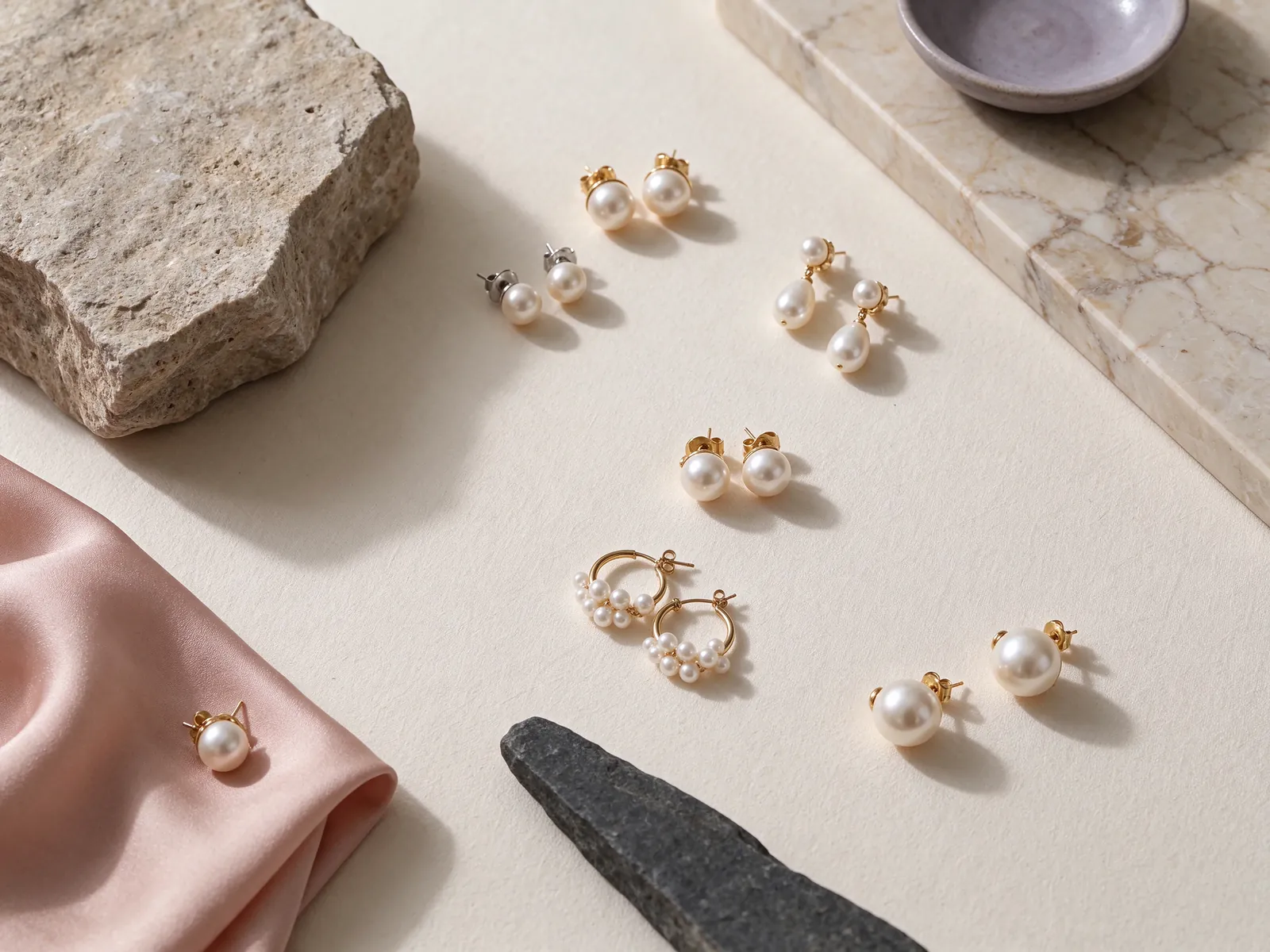
For layered necklaces, compare where each lowest point falls before adding another element. Separate positions can become a tangle after walking, bending or putting on a jacket, so examine the arrangement in motion as well as at rest. Notice whether a hard pendant, chain link or clasp touches a pearl: different lengths alone do not prevent surface contact. If pieces continually overlap or rub, removing a layer may be more effective than adding accessories. There is no single length formula for every neckline and body shape. Use the wearer’s preferred placement in the intended clothes as the reference.
For earrings, think about piercings, glasses, headphones and hairstyle together. Someone who enjoys an asymmetric look can consider which side benefits from open space, without treating the number of earrings as an identity statement. If headphones are part of the working day, notice where their pads meet the ear and the back of an earring. Scarves also deserve a place in the trial outfit. Practical contact points can matter more than an attractive front view.
Which movements make a fitting more informative?
Button a jacket, look down at a phone, lift a bag and move hair away from the ear. Check whether the jewellery stays in a position you enjoy and whether the fastening is manageable on your own. These are observations of normal wearing comfort, not durability tests: do not pull the chain or deliberately knock the pearl. If a fastening is awkward, include that difficulty in the buying decision rather than overlooking it for appearance alone.
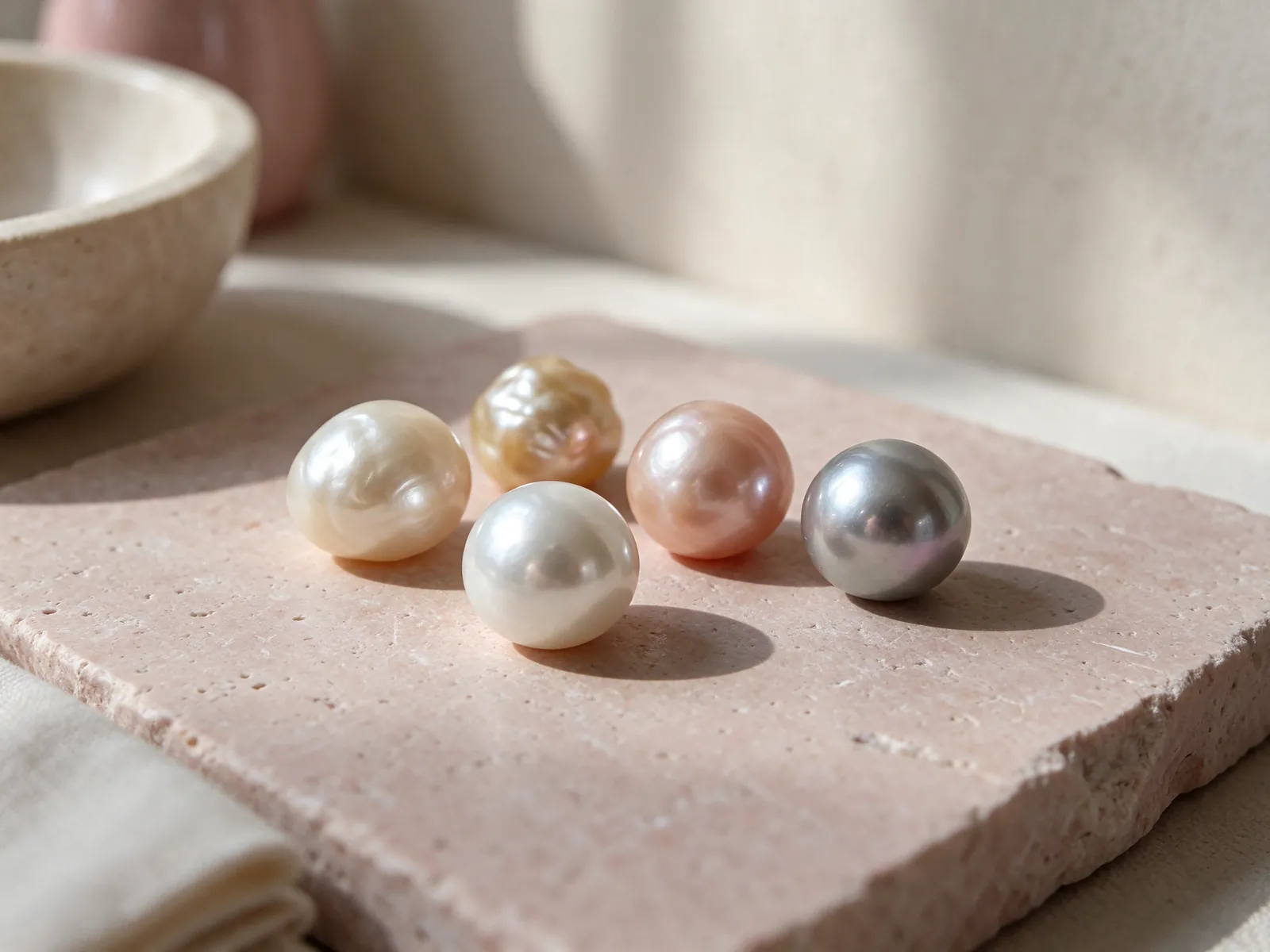
Make a gift brief around the recipient, not a gender assumption
A thoughtful gift begins with whether the recipient currently wears jewellery, which area they like to decorate, and how noticeable they want it to be. The pearl gift guide can help organise the occasion and habits, while pearl gifts by budget separates a spending limit from the features that matter most. Prioritise comfort, intended use and visual direction before decorative details. If length is uncertain, describe where a familiar necklace sits rather than guessing measurements from a photograph. You can discuss the design brief and a quotation with Flint Jewellery on WhatsApp, keeping the actual wearing requirements central to the conversation.
A surprise can still include a conversation. Ask whether the person prefers a necklace or an ear detail, or let them choose between a quiet and a more visible styling direction. For a pearl birthday gift, their ordinary work clothes and existing wearing habits may be more useful than a symbolic association with the occasion. Do not assume pierced ears, a preferred necklace length or a romantic meaning. Those details belong to the recipient, even when the final presentation remains a surprise.
How can the message accompanying the gift feel respectful?
Describe a detail you appreciate in the person's style or a shared occasion you hope the gift will accompany. Avoid telling them that the piece will make them more feminine, more masculine or more acceptable. If they have shared a preferred name or way of describing themselves, use their own language. A personal memory and a specific observation about their taste can communicate affection without asking jewellery to redefine who they are.
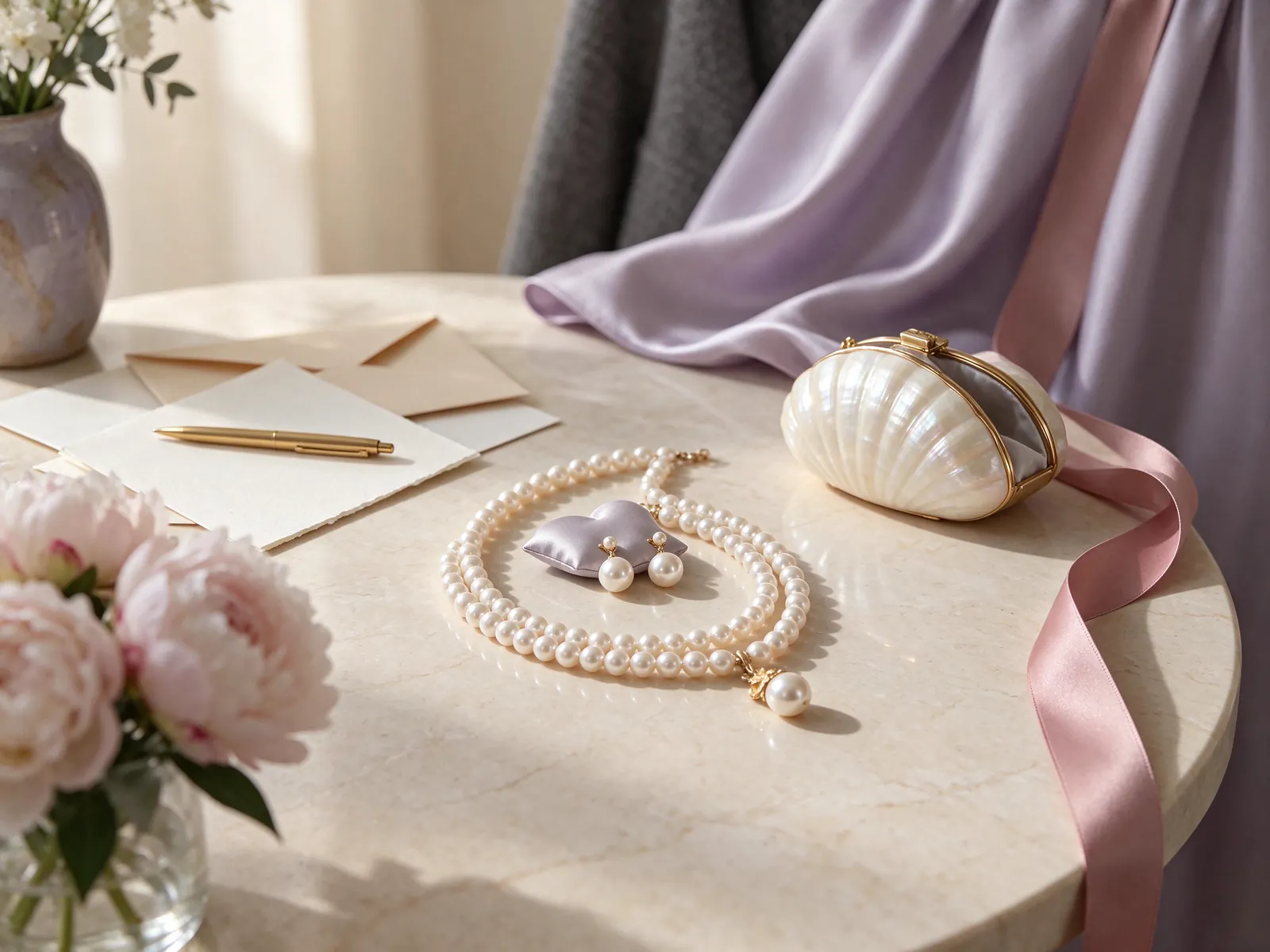
Coordinate wedding and anniversary looks without requiring identical pieces
For a wedding, assemble the complete outfit before deciding where pearls should sit. A suit lapel, shirt opening, dress neckline or floral detail can occupy the same visual space as a necklace. If the collar area is busy, consider a quieter focal point elsewhere; if the clothing is simple, the pearl can take a more visible role. These choices are open to the wearer regardless of gender. Guests can use wedding guest pearl jewellery etiquette to think through the occasion, then follow the invitation’s stated dress requirements and consider the day’s activities. An open styling approach need not override the setting.
Two people can coordinate through a similar tonal direction or visual rhythm rather than wearing an identical piece. One may prefer a necklace while the other enjoys an ear detail, and each outfit can remain complete on its own. A pearl anniversary gift can follow the same principle: ask whether it is intended for daily wear or special occasions before deciding how the connection should appear. Symbolism can be personal without promising a relationship outcome or imposing a universal rule.
How can you balance photographs with a long event?
Look at the outfit from the side and while seated, not just from the front. Try the intended indoor lighting if possible and add the actual jacket, hair accessories or tie. A combination that photographs well may still feel crowded after these elements are included. For outfit changes, use a fastening method you understand and plan a separate place to put the jewellery. A comfortable day is a better aim than maintaining one carefully posed view.
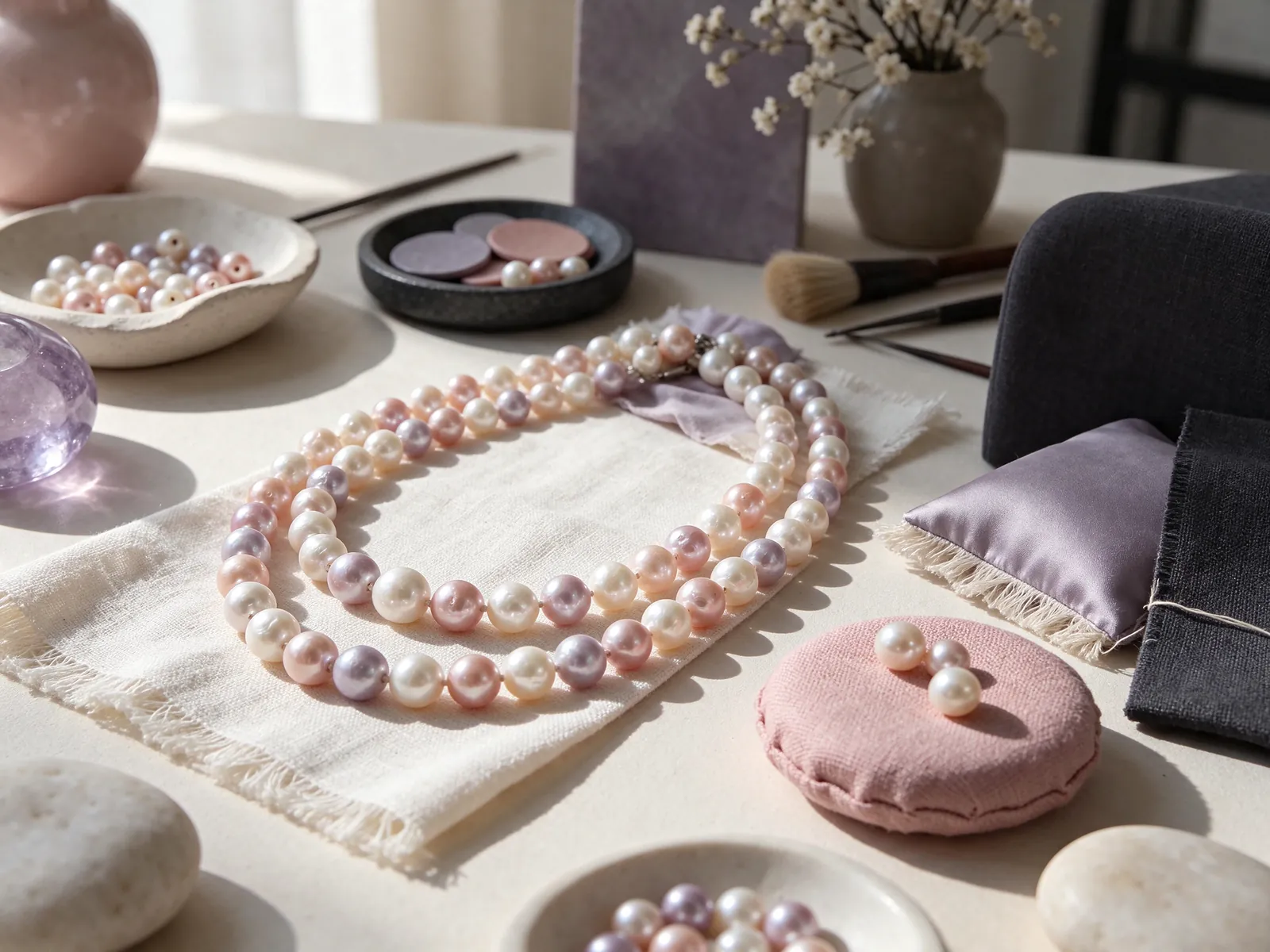
Turn styling preferences into a practical brief and a gentle care routine
For a styling conversation, bring photographs of regular outfits and describe the position where you like jewellery to show. Include whether you layer pieces, use headphones, need to manage a fastening alone or want the look for work rather than a celebration. This is more precise than simply asking for something neutral. When considering holiday pearl gifts, think about how the person will use the gift after the occasion, rather than mistaking one festive outfit for a lasting preference.
Care also belongs in the decision. GIA ranks pearl at 2.5 on the Mohs hardness scale and advises against ultrasonic or steam cleaning. After wearing, use a very soft, clean cloth, and avoid perfume, hair spray, acids and excessive heat. The pearl care guide can help with routine habits, but cleaning must suit the whole piece, including thread, adhesive settings and metal fastenings. Do not leave jewellery soaking. If appropriate cleaning wets a strung piece, allow the string to dry completely before wearing; do not use hot air. Stop wearing a piece with loose pearls, worn thread or an unreliable clasp and discuss an assessment rather than assuming every fault can be repaired.
What should different wearers consider before sharing a piece?
Genderless styling does not make every necklace length, ear arrangement or fastening suitable for everyone. Each wearer should try the placement with their own clothes and check how it feels. Someone who wears a necklace outside a shirt may have different preferences from someone who keeps it beneath the collar. Sharing inspiration can be enough without sharing the physical piece. Agree on gentle cleaning and separate storage that avoids rubbing against objects which could scratch the pearl.
| Wearing context | Detail to observe | Direction to try | Question before choosing |
|---|---|---|---|
| Crew-neck top | Relationship to the collar edge | Compare an exposed neckline with a fabric-backed focal point | Does the position still work when seated? |
| Open shirt | Shirt opening and jacket lapels | Leave clear space or use one focal point | Do you like the effect with the jacket buttoned? |
| High collar or knitwear | Fabric texture and chain outline | Compare clarity and separated layers | Do ordinary movements cause overlap? |
| Glasses or headphones | Piercing and accessory contact points | Try an ear outline with suitable open space | Is the arrangement comfortable during normal use? |
| Wedding or anniversary | Full outfit, floral details and lighting | Coordinate tone or rhythm rather than require identical pieces | Can you wear and remove it comfortably through the event? |
Pearl knowledge and authoritative references
GIA describes seven pearl value factors: size, shape, colour, lustre, surface quality, nacre quality and matching. Matching applies to jewellery containing two or more pearls, so size alone cannot describe a strand’s quality.
Read the reference for this factFrequently asked questions
Does genderless pearl jewellery have to be minimal?
No. A restrained, bold, asymmetric or layered look can all reflect personal style. Decide where you want attention to fall, then compare the outline against your clothes. Minimalism is an option, not a requirement of genderless styling.
What if the gift recipient does not have pierced ears?
Do not assume an earring will suit their wearing conditions. A neckline-led approach can begin with necklace placement instead, guided by their preferences. There is no need to change their body to meet a styling idea.
Is gender a reliable way to choose necklace length?
No. Neckline, body proportions, preferred visibility and wearing comfort are more useful. Compare a necklace the wearer already likes, then try the intended outfit instead of assigning a fixed length to a gender category.
Must partners choose matching pearl pieces for a wedding?
They can coordinate without identical pieces. A shared tonal direction or visual rhythm can connect different placements while allowing each person's outfit to remain individual. Start with each wearer's preference before deciding on common elements.
What should I check first when layering pearl necklaces?
Check their lowest points and what happens after normal movement. If the chains tangle or pieces rub, simplify the arrangement. Do not pull or knock a pearl to test the look; fitting is about placement and wearing comfort.
Updated: