

How do wing shape and pearl placement balance a butterfly pearl pendant necklace or pearl butterfly necklace?
Want to explore how a butterfly motif could fit your everyday outfits? Contact Flint Jewellery on WhatsApp at +85260106207 and share your usual necklines and wearing preferences. Start with the complete outline. Broad wings create a horizontal emphasis, while a pearl suspended beneath the butterfly draws the eye downwards. Decide which element you want to notice first: a distinct wing shape, the pearl, or the relationship between them. When comparing a pearl pendant, use a similar viewing distance and the same top wherever possible. Enlarged photographs can make delicate lines appear much more prominent than they would be in everyday wear.
Visual balance is not the same as perfect symmetry. An angled butterfly can feel lively, while an even outline can appear composed. Neither establishes quality on its own. Consider whether the pearl remains visible from the front and whether the wings seem to crowd it. Then look at the suspension point: the way the chain carries the pendant matters when the design turns away from its intended position.
Which neckline and pendant position suit a butterfly pearl pendant necklace or pearl butterfly necklace?
Try the neckline you actually wear to work or at weekends. A pendant partly hidden by a shirt opening may read very differently from one sitting in clear space. Chain length, pendant height and the depth of the neckline work together, so a length measurement alone cannot predict the final position. Check while standing naturally, then turn and bend slightly to see whether the outline stays comfortably visible.

Read the Wing Construction Before Choosing the Detail
Openwork wings allow the colour of clothing to show through; a more solid outline gives a concentrated metal surface. A dark, plain top may help fine edges stand out, whereas a busy print can compete with them. If you enjoy flowing motifs, compare the butterfly with a ribbon pearl pendant against the same fabric. Wings spread the composition sideways; a ribbon outline guides attention through its folds and tails. Let your wardrobe help decide which movement feels more natural.
A pearl hanging from a connection beneath the body can move separately from the wings. A pearl held within the outline creates a more integrated composition. The actual movement depends on construction, not simply the design name. Look at the reverse, projecting edges and the passage through the bail. These details help you consider how the pendant will sit, rather than relying on descriptions such as delicate or lightweight.
What Should You Observe When the Pendant Moves?
During a fitting, gently turn your shoulders and watch for repeated flipping, contact between pearl and metal, or an edge catching near your collar. Do not drag jewellery over rough fabric to test it. A moving connection is not automatically a weakness, but an unexpected change in movement deserves attention. Choose a structure that suits your normal clothing and actions, not only a pleasing static view.

Keep Pearl Quality Separate from the Appeal of the Motif
The butterfly may attract your attention first, but it should not hide the pearl assessment. GIA identifies seven pearl value factors: size, shape, colour, lustre, surface quality, nacre quality and matching. For a single-pearl pendant, look at the visible surface and the definition of reflections alongside your preferred shape. Matching becomes particularly relevant when several pearls form one design or when you intend to coordinate the pendant with other pearl jewellery.
Observe the pearl in soft daylight and ordinary indoor lighting where possible. Its gentle reflections can contrast with a bright wing surface, and that contrast is part of the design. Colour preference is personal; a photograph of a pale pearl does not establish its origin or natural-versus-cultured identity. Read the description for those details rather than trying to infer them from a round shape or an attractive colour.
Which Parts of a Single Pearl Should You Look At?
Inspect the forward-facing area and the sides, including the area near its connection. A metal element can conceal part of the surface, so one photograph may not show the complete pearl. Surface features influence appearance, but their presence alone does not assign a grade. If a written grade is provided, understand how it is defined instead of assuming that different sellers use identical letter scales.

Choose a Metal Colour in the Context of Your Other Jewellery
For a metal direction, consider 18K 750 white gold, 18K 750 yellow gold, 18K 750 rose gold, PT950 platinum and PT900 platinum. Warm colours can sit comfortably with ivory or brown clothing, while a white-metal appearance may echo cool-toned accessories. These are starting points for comparison, not rules based on skin tone. The important question is whether the wings and pearl remain distinct within your overall outfit.
If you prefer a white-metal appearance, the platinum pearl pendant guide offers another way to think about proportions, the bail and chain relationship. Similar colours can still look different because of surface finish and the width of the outline. Do not let a material name replace a practical fitting: movement, contact points and the way the chain passes through the pendant all deserve their own attention.
How Can Mixed Metals Still Look Considered?
You need not match every accessory exactly. A restrained pair of earrings can leave the butterfly as the focal point, while similar pearl colour or comparable visual scale can connect different pieces. Look at the whole outfit in a mirror or a normal-distance photograph. A small difference in metal colour may matter less than several competing decorative shapes around the neckline.
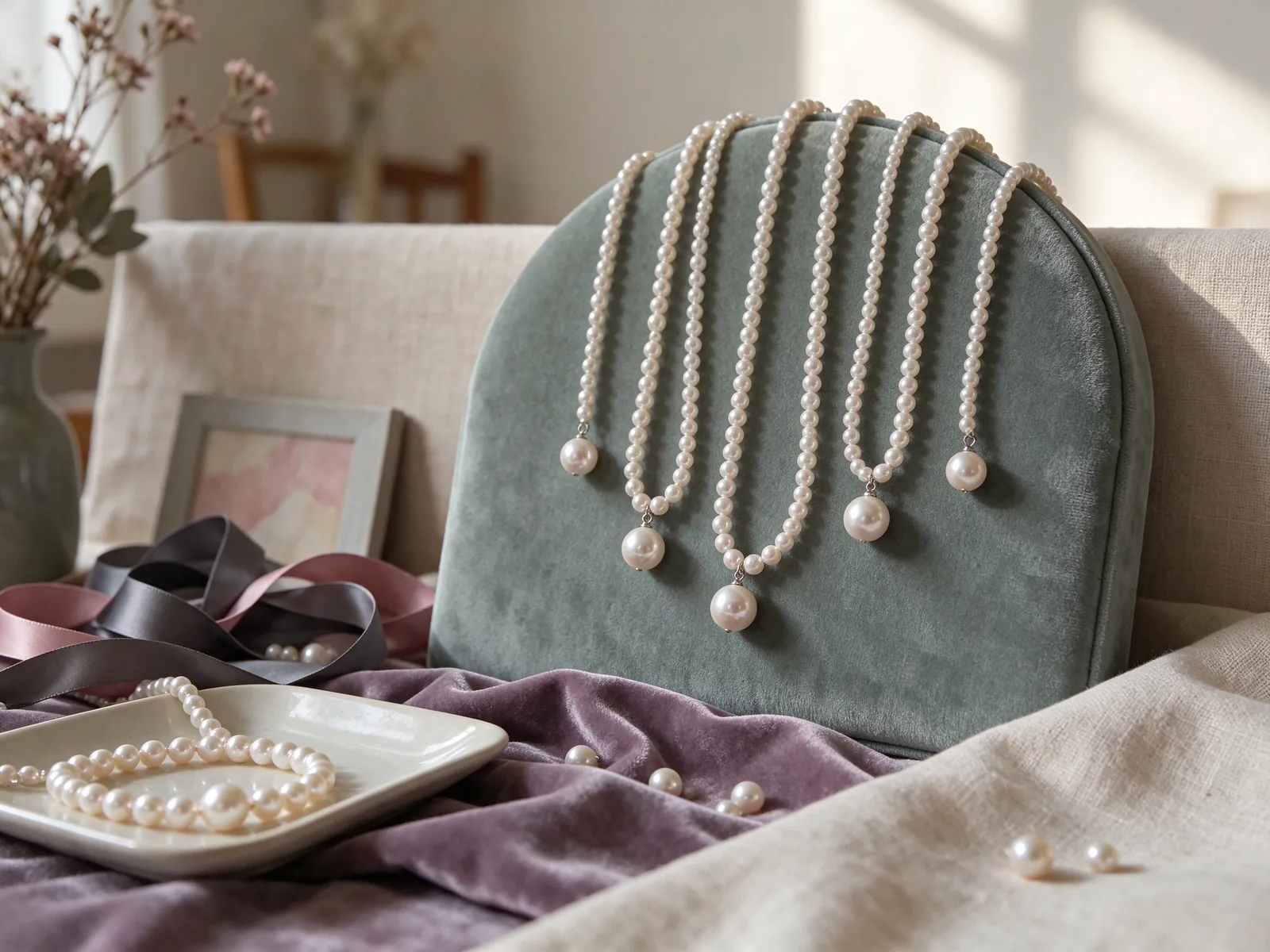
Make Space for the Wings in Everyday and Evening Outfits
With a shirt, check the pendant against your usual button position rather than changing the opening simply to accommodate it. A plain round neck offers an uninterrupted background; a V-neck adds diagonal lines that may either frame or crowd the wings. Compare a flower pearl pendant if you prefer a more gathered natural motif. Its petal outline and the butterfly's spreading silhouette provide different ways to fill the same neckline space.
An evening outfit with embroidery or beading may already have enough detail. Begin with one chain before adding a second. If another chain crosses the wings or repeatedly touches a suspended pearl, the composition can become less clear and the pieces may interfere with each other. Scarves, jacket fastenings and bag straps also pass near the pendant, so include them when considering your normal routine.
Does It Work Both Close Up and at Outfit Distance?
Use a half-length view to judge scale, then inspect the detail more closely. A butterfly visible in an enlarged image may be understated against a patterned top. Conversely, a strong outline can become the main focus of a simple outfit. Photographic impact and comfort are separate decisions; the pendant should still sit naturally when you move away from a posed position.
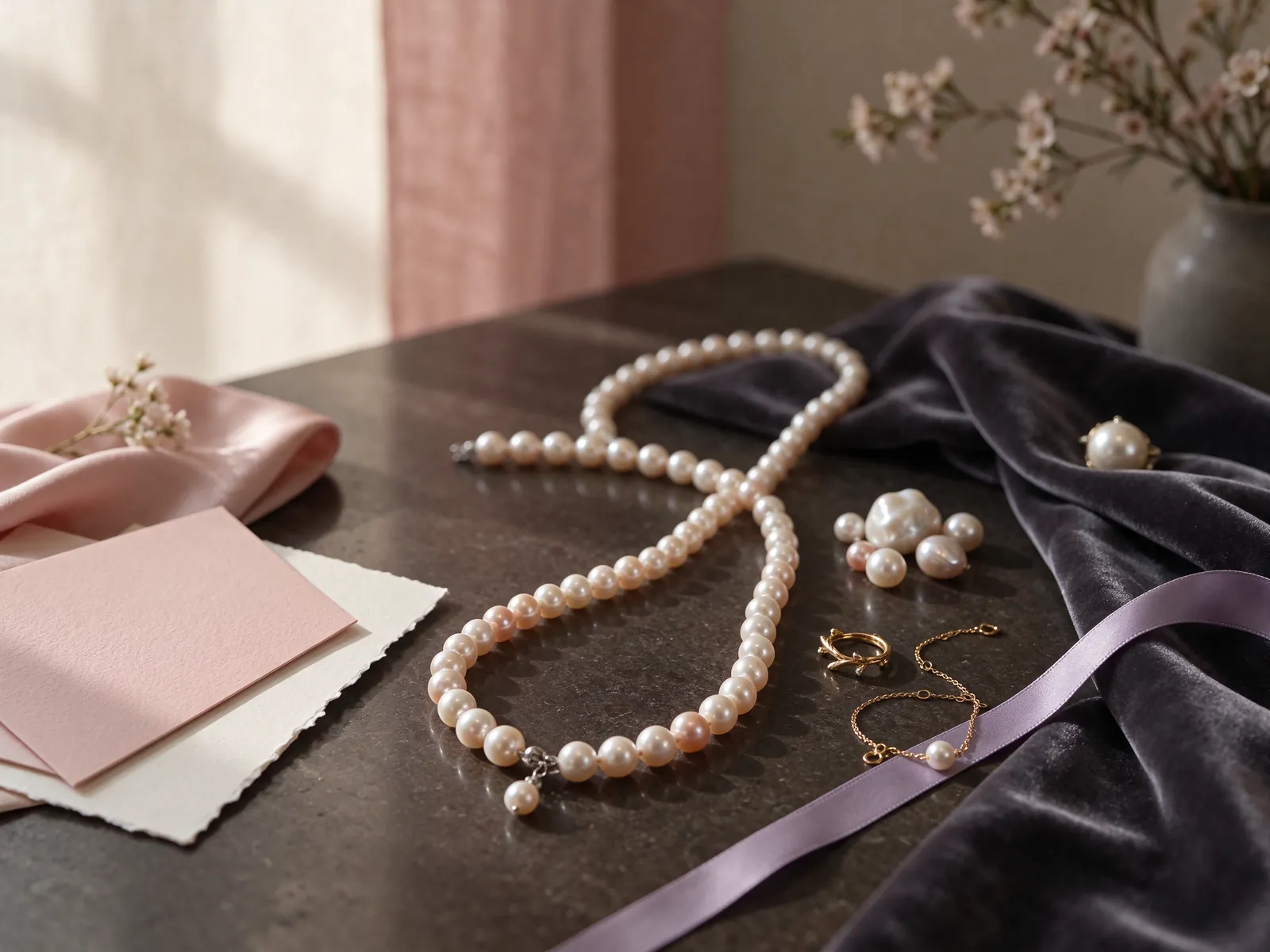
Let the Wearer's Taste Lead the Gift
Butterflies are often associated with growth and transformation, but that meaning need not define the whole gift. Someone may enjoy the natural image without connecting it to a life event. Consider whether the recipient already wears recognisable motifs, prefers subtle outlines or likes decorative detail. A personal message can explain why you chose the butterfly without assigning a story or an expected emotional effect to the person receiving it.
For someone who enjoys a composed ornamental outline, compare a tiara pearl pendant with the butterfly's freer lines. A smile pearl pendant offers another direction for a wearer who likes simple, playful imagery. These comparisons help identify taste rather than allocating a motif to a particular age or role. A thoughtful gift is one that can fit the recipient's existing habits, not only the giver's interpretation of symbolism.
What Can You Ask Without Losing the Personal Touch?
Ask whether the recipient likes jewellery near the collarbone or over clothing, and whether they already have a favourite chain. These preferences are more useful than estimating length from height. For any pendant-and-chain combination, understand whether a chain is included and whether the bail suits an existing chain. A photograph alone does not describe every component of the intended gift.

Care for the Pearl and Wing Connections Together
GIA places pearl at 2.5 on the Mohs hardness scale. After wearing, gently wipe the surface with a very soft, clean cloth. Support the pendant rather than pulling on a suspended pearl, and do not probe wing recesses with a sharp tool. Pearls should never be cleaned in ultrasonic or steam cleaners; the presence of metal does not make those methods suitable for the complete piece.
Remove the pendant when applying perfume or hair spray, and avoid acids and excessive heat. For storage, arrange the chain so that it does not tangle around the wings, and keep the pearl away from hard objects. If a connection becomes loose or the pendant suddenly moves differently, pause wearing it and seek an appropriate inspection. Attempting to fix it with household glue can obscure the problem rather than address the construction.
How Should You Describe a Care Concern?
Observe the piece in good light before trying to clean a dark mark. Dirt in a recess, a pearl surface feature and a changing connection are different issues. Note the location and whether you noticed flipping, unusual movement or difficulty with the clasp. A specific description is more useful than saying the jewellery looks dull, and avoids unnecessary rubbing of a delicate surface. For questions about styling or caring for a butterfly pearl pendant, contact Flint Jewellery on WhatsApp at +85260106207 and tell us about your wardrobe or the detail you would like to discuss.
| Feature | Visual effect | Fitting check | Wardrobe consideration | Decision focus |
|---|---|---|---|---|
| Wing outline | Spread or gathered silhouette | Observe while standing and turning | Keep the wing tips clear of the collar | Recognisable shape |
| Pearl placement | Suspended below or integrated centrally | Watch movement and metal contact | Avoid a second chain crossing the pearl | Clear relationship between elements |
| Metal colour | Warm or white-metal appearance | Compare in daylight and indoor light | Consider earrings and clothing colours | Overall harmony |
| Pendant position | Near the collarbone or over fabric | Try your usual neckline | Avoid placing a collar edge through the motif | Natural, comfortable visibility |
| Small connections | Bail, edges and pearl attachment | Gently turn your shoulders | Consider knitwear and scarves | No repeated catching or unexpected contact |
Pearl knowledge and authoritative references
GIA identifies seven pearl value factors: size, shape, colour, lustre, surface quality, nacre quality and matching. These provide a useful framework alongside the butterfly's decorative appeal.
Read the reference for this factFrequently asked questions
Is a butterfly pearl pendant only suited to younger wearers?
No age rule is needed. The abstraction of the wings, overall scale and the wearer's wardrobe matter more than the motif name. A simple outline and a detailed composition can have very different moods. Focus on what the person enjoys wearing rather than treating the butterfly as an age-specific symbol.
Is a pearl beneath the wings better than one in the centre?
The two arrangements create different visual rhythms. A lower pearl extends the vertical line, while a central pearl becomes part of the outline. Compare the actual connection, movement and neckline position. Placement alone does not establish quality, security or comfort.
Can I layer a butterfly pearl pendant necklace with another chain?
Begin with the pendant alone, then check what happens when you add the other chain. Watch for a line crossing the wings, contact with the pearl and tangling around the bail. Changing the relative positions or reducing layers may keep the design clearer than adding more pieces.
Can a photograph identify the pearl type or grade?
A photograph helps with silhouette and visible appearance, but shape and colour alone cannot establish origin or natural-versus-cultured identity. Quality also involves factors such as lustre, surface and nacre. Read the written description and understand any grading terminology rather than assigning specifications from the image.
Can ultrasonic cleaning reach dirt inside the wings?
It is not an appropriate solution for a piece containing a pearl. GIA states that pearls should never be cleaned in ultrasonic or steam cleaners. Start with a very soft, clean cloth, and seek care suited to the complete piece for inaccessible dirt or a loose connection.
Updated: