
In wedding traditions, what do pearls symbolise, and how does pearl meaning and symbolism shape the meaning of giving pearls?
GIA's June birthstone history associates pearls with purity, humility and innocence, and notes that they were traditionally given as wedding gifts. The gentle glow can also be read as a wish for harmony. These interpretations offer a language for a gift, not an obligation for the bride. Ask whether she imagines wearing it at the ceremony, at dinner or in ordinary life afterwards. A neckline, an elaborate hair accessory or favourite earrings may already define her look. The most considerate gesture supports that look instead of replacing her choices with your idea of bridal tradition.
Harmony also need not mean a marriage without disagreement. A more personal wish might celebrate the couple's willingness to listen, share responsibilities and make time for one another. Keep this gift decision separate from your own outfit as a guest. The invitation and the hosts' preferences should guide what you wear; wedding guest pearl jewellery etiquette can help frame those practical considerations. A pearl's colour alone does not establish a universal rule about which weddings it belongs at, or whether it is appropriate for every guest.
How can a personal wedding message reflect pearl meaning and symbolism, answer ‘what do pearls symbolise?’ and clarify the meaning of giving pearls?
Use a memory, an observation and a wish. For example: 'I remember how you worked together to make everyone feel welcome at dinner. These pearls remind me of that quiet care. May you keep finding time to sit down, talk and enjoy the ordinary days together.' The wording explains your meaning without suggesting that jewellery can determine the couple's future.
Read cultural wishes separately from the pearl's physical qualities
WSP's June birthstone article lists health, longevity, wealth, purity and harmony as pearl meanings. These are cultural associations presented by that source, not beliefs shared uniformly by every society or recipient. They can become a wish that a parent enjoys a comfortable life, or that a friend feels supported through change. Poetic names such as drops of the moon and mermaid's tears evoke light and emotion. They do not describe a pearl's origin, formation or measurable effect on its wearer. Enjoy the story, but do not use it to promise protection from misfortune or replace the description of the jewellery.
GIA discusses seven pearl value factors: size, shape, colour, lustre, surface quality, nacre quality and, for jewellery containing two or more pearls, matching. They describe quality considerations, not how much good fortune a pearl carries or a Flint certification. When exploring Pearl Jewellery, distinguish feelings from documented characteristics. A pearl grading guide can help organise questions, but retailer labels such as AAA or AAAA are not globally standardised or GIA grades. If a piece has a report, read the identity findings and the qualities actually recorded. Do not turn a document into a valuation, investment assurance or service guarantee; appearance alone cannot establish natural-versus-cultured identity or origin.
Turn auspicious language into an ordinary, generous wish
Instead of saying a pearl brings health or wealth, write that you hope the recipient has time to rest, enjoy family life or pursue something they love. This preserves the generosity of the symbolism without making promises. A wish should offer warmth and freedom, not make the wearer responsible for achieving a particular outcome.
Let your relationship guide the gift, not the recipient's age
A gift for Mum can acknowledge years of care without assuming that all mothers prefer formal jewellery. Notice what she already wears and whether she enjoys dressing up at all. Earrings may need to coexist comfortably with glasses; a necklace may need to suit the collars she favours. If she rarely wears jewellery, ask whether she would welcome a piece for everyday use. Linking the gift to a remembered afternoon together is more personal than choosing pearls because you think they are expected at a certain age.
For a close friend, begin with her established style. Someone who wears plain shirts may enjoy a single visual focus, while someone who layers necklaces will need to consider tangling and contact between pieces. For a partner, make the occasion clear: a birthday thank-you and an engagement proposal carry different expectations. You might write, 'Thank you for making time to listen when work felt overwhelming,' instead of expecting the jewellery to announce everlasting love. Describe the shared milestone or quality you are celebrating. The recipient should not have to change their wardrobe to make your symbolism work.
Ask useful questions without giving away the whole surprise
Ask whether they are more interested in earrings for work or a necklace for dinners, and whether they prefer jewellery close to the neckline or below a collar. These answers reveal use and style without demanding a final design choice. If the person says they do not like pearls, accepting that preference is more thoughtful than insisting on a supposedly perfect symbolic gift.
Use colour to set a mood rather than prescribe a personality
WSP links white pearls with humility and sincerity, and black pearls with quiet strength. These can be starting points for a card, rather than a test of temperament. White pearls may also suggest a clean, understated look; darker pearls may feel composed or visually striking. Read pearl colour meanings as possibilities that vary with culture, clothing and experience. Look at the colours the recipient actually wears. Decide whether the jewellery should blend into those outfits or stand apart, and consider how much contrast they enjoy. White pearls need not be reserved for bridal wear.
If black pearl meaning appeals because of its quiet, reflective associations, imagine the visual effect beside an ivory blouse, a grey jacket or a simple dark dress. That is more useful than choosing on the word 'mysterious' alone. Photographs can look different under different lighting and against different backgrounds, so pay attention to how the colour is presented. Dark appearance does not by itself prove a pearl's species, origin or treatment status. Let the symbolism inform the mood while the available description informs your understanding of the object.
Balance the neckline, hairstyle and visual focus
A high neckline may leave more room for earrings to provide the focal point; an open collar invites a closer look at where a necklace sits. If the clothing or hair accessory is already elaborate, quieter jewellery can make the pearl's glow easier to appreciate. These are styling tools, not etiquette laws or auspicious-colour requirements.
Connect June birthdays and anniversaries to a lived story
GIA identifies pearl as one of June's birthstones, giving a June birthday an accessible theme without limiting who may wear pearls. June birthstone pearl meaning can connect the month with a personal wish. The final choice should still depend on taste and use. A gift intended for ordinary working days might carry a message about feeling remembered throughout the year, rather than being worn only on a birthday. The date supplies context; the recipient's life determines whether the jewellery becomes a welcome companion. Someone born in June who dislikes pearls need not follow the theme.
When considering June birthstone pearl gifts, settle the intended use before expressing the birthday theme. GIA's anniversary gemstone list places cultured pearls at the 30th anniversary, while noting there is no single authoritative source for such lists. Treat 30th pearl anniversary gifts as a commemorative convention, not a requirement for every couple. Shared experience can be a stronger starting point than visual grandeur: think about a move, a journey or the routines that made a home. Identical pieces are unnecessary. Ask whether each partner would wear jewellery and what form suits them, rather than letting a matching-set idea override individual preferences.
Make the anniversary message recognisable to both of you
Choose a small detail: a rainy walk by the sea, an improvised meal or a familiar joke from a long journey. Explain that the pearls remind you of steady companionship rather than claiming they will preserve it. A specific memory gives the anniversary its own voice and avoids turning the number of years into a comparison with other relationships.

Approach remembrance symbolism with permission and sensitivity
The association between pearls and tears can feel gentle to one person and burdensome to another. Before considering remembrance pearl gifts, ask whether the recipient wants a wearable reminder at all. They may prefer a photograph, a letter or a private keepsake that does not invite questions. If pearls already have a family connection, such as memories of a loved one's favourite earrings, that personal history may matter more than a general description of pearl symbolism. Let the person decide what feels comforting to keep close.
Do not present jewellery as something that will remove grief, or expect the recipient to put it on immediately to show gratitude. A piece can hold a memory without promising emotional relief. A gentler offer is to help choose a reminder if and when they want one, accepting that they may prefer no gift. At a funeral or memorial, follow the family's, faith community's and organiser's clothing preferences. An understated outfit may be suitable, but pearls are not a universal requirement. Listening and allowing silence can communicate care more clearly than explaining what the gift should mean.
Write about a memory, not a timetable for recovery
A message might say: 'I remember how carefully she listened to us. I hope this small reminder holds something of that kindness for you.' Avoid telling the recipient to move on or promising they will feel better when wearing it. Leave room to accept the gift, keep it privately or decide not to wear it.

Complete the meaning with practical selection and care
Before making a choice, organise your questions around use, appearance and description. Where will the person wear the jewellery? Which details matter most to them? How are the pearl and the piece's construction described in writing? Think about earrings beside glasses, a necklace beside a favourite collar and a ring or bracelet during hands-on activities. These questions help you choose something wearable without pretending that one form carries stronger symbolism than another. A meaningful gift does not require buying every jewellery category to make the message complete.
Care is also part of a considerate gift. GIA's care page places pearl at 2.5 on the Mohs hardness scale and advises against ultrasonic or steam cleaning. After wearing, use a very soft, clean cloth and avoid perfume, hair spray, excessive heat and scratching. A pearl care guide helps with routine habits, but consider the whole piece, including stringing, adhesive and settings; metal that tolerates water does not make prolonged soaking appropriate. If a strand becomes slack or a pearl loosens, stop wearing it and seek an assessment rather than applying glue or assuming a replacement will match. These habits are practical advice, not a warranty or promise against damage.
Check that the message and the intended use agree
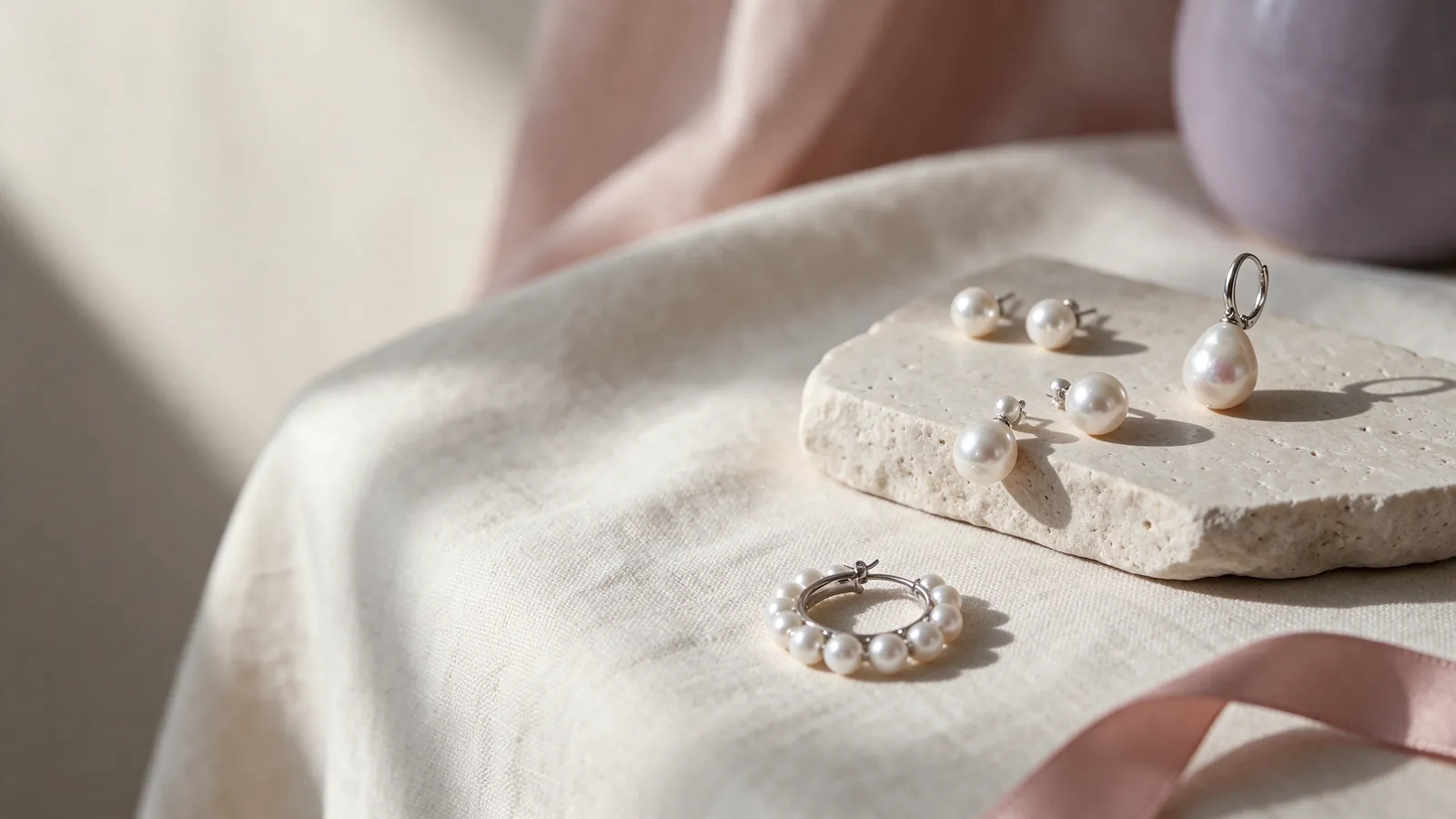
If your card celebrates everyday companionship, ask whether the piece suits everyday clothing. If it marks a memory, name something the recipient will recognise. If it is a wedding gift, leave the bride in charge of her styling. When the sentiment and practical use align, the wearer has room to make the gift part of their own story. Images on this page are styling and educational illustrations, not proof of pearl type, natural or cultured identity, treatment, origin or grade. Read the individual piece's information. To discuss the sentiment with Flint Jewellery, bring the occasion, wearing preferences and a budget direction to WhatsApp +85260106207; symbolism does not set a price.
| Gift occasion | Possible sentiment | Preference to ask about | Styling consideration | Message direction |
|---|---|---|---|---|
| For a bride | Harmony and a new chapter | Ceremony, dinner or later everyday use | Respect the chosen neckline and accessories | Recall the couple's quiet teamwork |
| For Mum | Gratitude for everyday care | Whether and how she likes wearing jewellery | Consider glasses, collars and dressing habits | Name a specific act of kindness |
| For a close friend | Sincerity and mutual support | A single focus or a layered look | Consider contact and tangling with existing pieces | Remember a day you faced together |
| June birthday or anniversary | A date linked to a shared story | Everyday use or special occasions | Individual usefulness matters more than matching | Explain the month or milestone connection |
| Remembrance | Keeping a personal memory close | Whether a wearable reminder is welcome | Respect private use and memorial dress preferences | Share a memory without directing grief |
Pearl knowledge and authoritative references
GIA's anniversary gemstone list places cultured pearls at the 30th wedding anniversary and notes that such lists have no single authoritative source. The pearl anniversary is a commemorative starting point, not a mandatory gift rule or a promise about a relationship.
Read the reference for this factFrequently asked questions
Does giving pearls necessarily suggest an engagement?
No. Pearls can accompany a birthday, a thank-you to a parent, friendship or an anniversary. If there is room for misunderstanding, name the occasion and explain the memory or wish behind the gift. The relationship and the message establish its meaning, rather than the gemstone alone.
Should a bride avoid pearls because of the association with tears?
The tear association is a cultural or poetic interpretation, not a universal wedding prohibition. Ask how the bride and her family feel about it. If they enjoy pearls, harmony or a personal family memory may be the more relevant meaning; if they are uncomfortable, respect their preference.
Can I wish Mum health and longevity in a pearl gift card?
Yes, as a wish rather than a claim about what the jewellery does. You might hope she has time to rest and enjoy the people and activities she loves. Avoid saying that wearing pearls can treat illness or extend life, and add a genuine memory of your appreciation.
Are pearls suitable for a birthday outside June?
Yes. A birthstone connection offers a story about a month; it is not a condition for wearing the stone. Choose according to the recipient's taste. Someone who loves pearls can enjoy them for any birthday, while someone born in June need not receive pearls if they prefer something else.
Should the gift card include symbolism or care instructions?
Keep the emotional message and practical advice distinct. Use the card for a memory and a wish, and give a short care note separately: wipe gently after wearing, avoid perfume and do not use ultrasonic or steam cleaners. This preserves the warmth of the message while helping the recipient care for the gift.
Updated: