

When comparing nacre quality in pearls, what can pearl nacre thickness tell you about nacre and pearl lustre?
Thickness describes the nacre layer; lustre describes the brightness and definition of reflected light. They belong in the same conversation but are not interchangeable results. In a pearl with a bead nucleus, nacre forms around that nucleus; this construction should not be assumed for every pearl. Start by separating the structural question from the visual one: is there thickness information for this particular pearl, and what do you like about its appearance? A measurement can add information without predicting the exact effect you will enjoy when wearing it.
GIA identifies seven pearl value factors: size, shape, colour, lustre, surface quality, nacre quality and, for jewellery containing two or more pearls, matching. The pearl grading guide helps place these factors in context rather than turning the largest thickness figure into an automatic winner. Your preference for a gentle glow or a particular colour remains a personal choice. Keep that preference separate from the assessment actually stated in a report, so that a style description is not mistaken for a laboratory grade.
Which report details put pearl nacre thickness in context for nacre quality in pearls and the relationship between nacre and pearl lustre?
Look for an actual thickness entry before interpreting a descriptive quality statement as a measurement. Read the unit, the method and the pearl or group covered by the result. If the document provides a grade rather than a number, use the issuing body's explanation of that grade. A report and a personal assessment answer different questions; one need not be stretched into a claim about the other.

Give visual comparisons a consistent setting
Place candidate pieces against the same background and under the same light. Compare the definition of reflections, the softness or sharpness of bright areas, and the impression as each piece is turned. Avoid comparing one pearl directly beneath a spotlight with another in shade. Understanding how to judge pearl lustre gives you a more useful vocabulary for these observations, without pretending that visual inspection measures nacre thickness.
Online images help narrow down a silhouette, colour family or design proportion, but exposure and camera angle influence apparent brightness. Compare several views of the same piece, then look for similar photographic conditions when assessing candidates. Neither a close-up nor a large bright patch provides a scale for the nacre layer. The styling and educational images on this page are illustrations, not evidence of the depicted pearl’s type, origin, treatment, grade or measured thickness.
Describe the light effect you want to wear
For office jewellery, you might prefer a gentle glow that sits comfortably beside a shirt collar. For an evening outfit, you may favour a more distinct reflection at the face. State those preferences directly when discussing a piece. Asking for crisp reflections or a softer visual effect produces a clearer conversation than asking for the thickest pearl when the real priority is appearance.
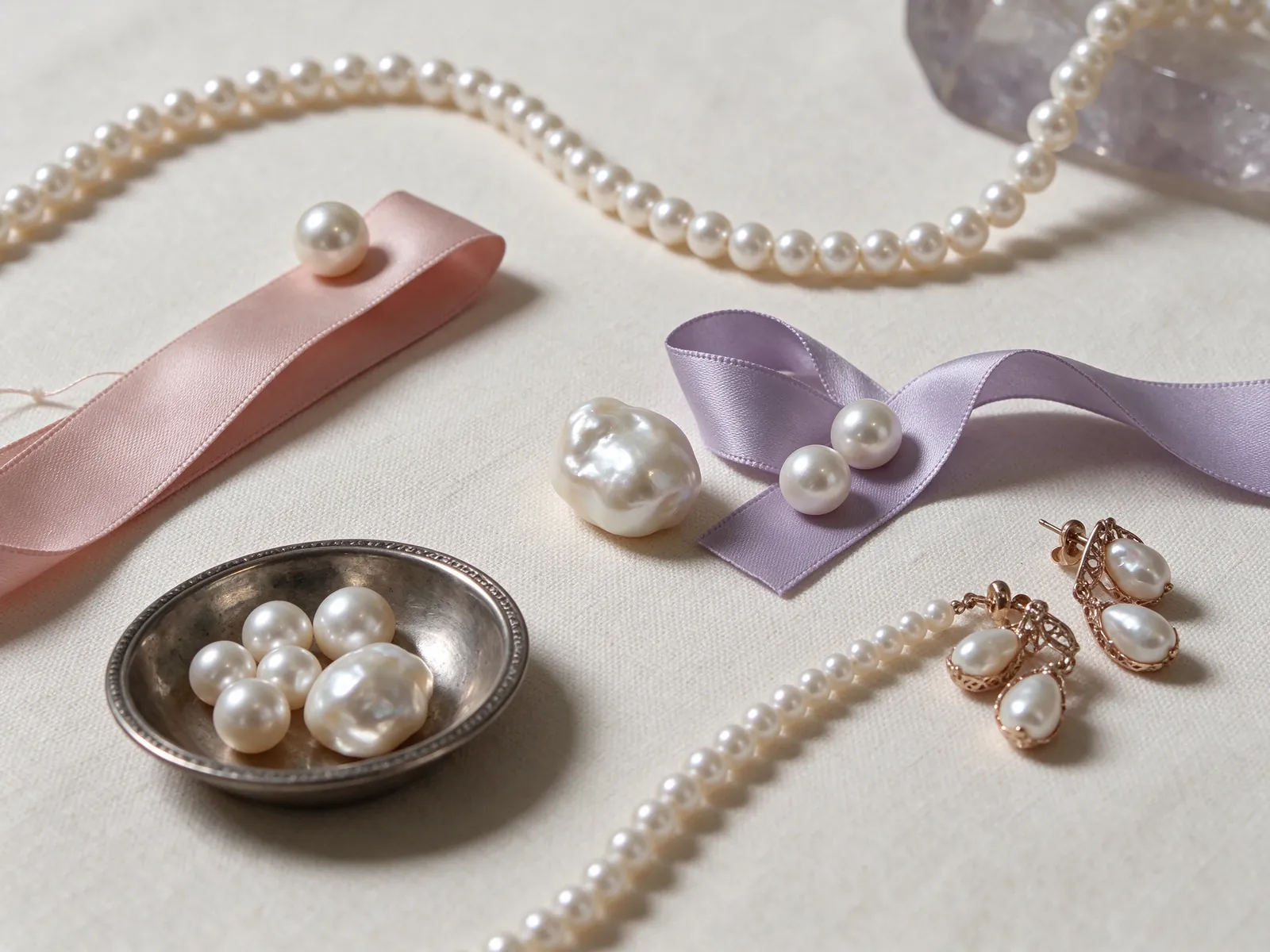
Read the measurement before ranking the number
Begin with the pearl description, document date and stated scope, then read the thickness entry with its unit. If the document explains measurement positions, the method or how the result is expressed, retain those details. Do not turn a reading at one position into an average or minimum for the entire pearl unless the report defines it that way. Ask the issuing body about unclear terminology. An individual result should not be extended to every pearl in earrings or a strand unless the document actually covers that group.
Reports from different bodies may not use identical criteria or describe the same type of result. Establish whether their methods, applicable pearl types and measurements are genuinely comparable before ranking figures. The guide to how to read a pearl certificate separates identity descriptions, test entries and conclusions. Identity, quality assessment and selling price are also different matters: a nacre entry does not itself establish value retention, a service promise or a guarantee of lasting appearance.
An absent entry is not a zero measurement
If thickness is not listed, the document does not supply that measurement. It establishes neither a thin nor a thick layer. When thickness is essential to your decision, ask whether relevant test information exists for the pearl concerned. Otherwise, compare the features and documentation that are available, leaving an unknown measurement unknown instead of replacing it with a guess based on shine.
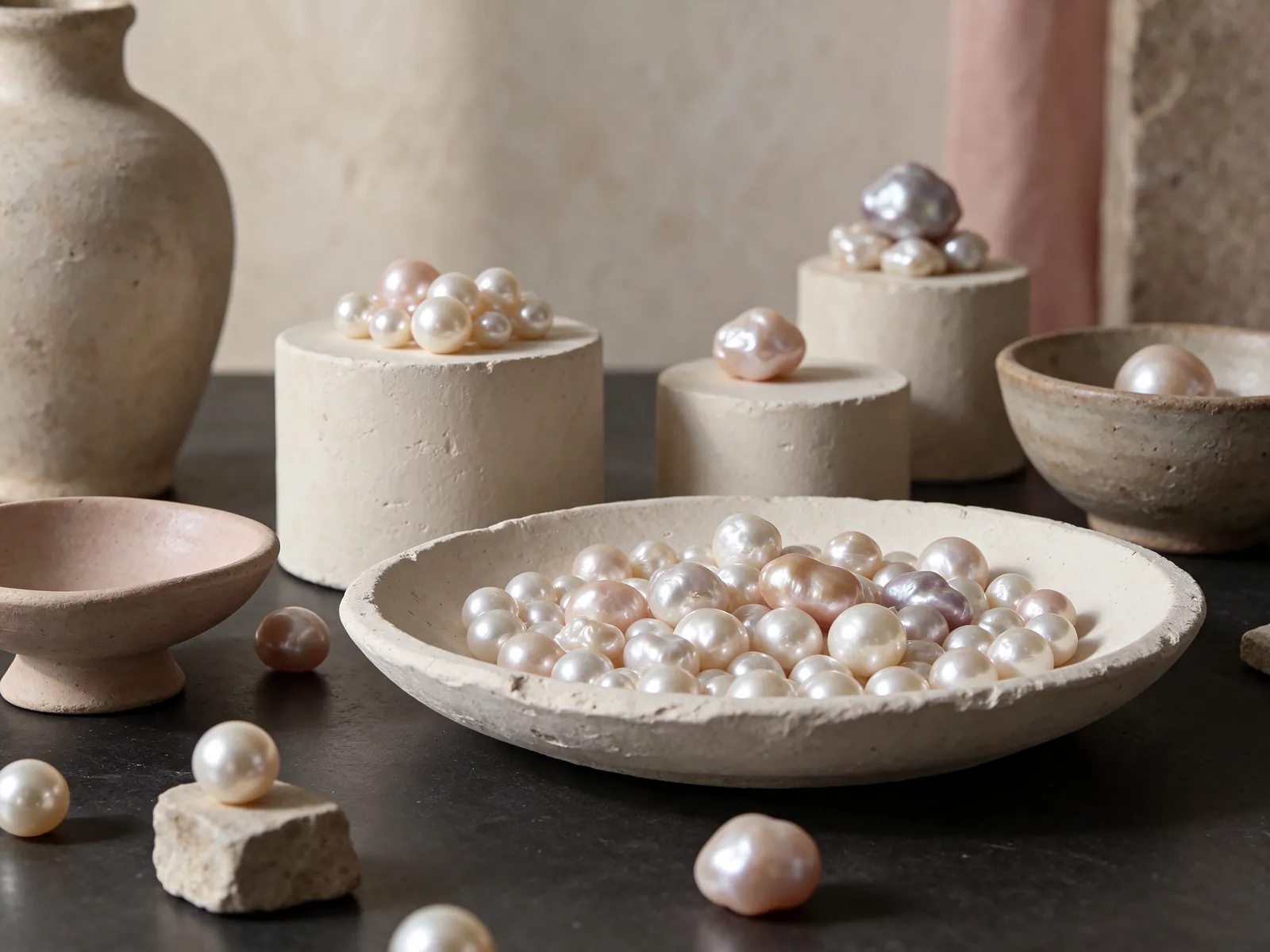
Keep surface and colour observations separate
A visible surface feature is not a thickness measurement. Consider where it appears, whether it is noticeable from the usual wearing angle, and how it affects your enjoyment of the piece. Equally, a smooth-looking pearl does not prove a particular thickness. Reading about pearl surface quality helps you discuss texture and visible features on their own terms, without assigning them a structural explanation that the available information cannot establish.
GIA distinguishes bodycolour, overtone and orient. Pearls have bodycolour but do not necessarily display both of the other effects. Identify whether your preference concerns the overall tone or an additional colour effect seen from different angles, then compare it beside your skin and intended clothing under consistent light. Overtone or orient cannot be converted into millimetres of nacre. Colour can guide styling but does not independently establish origin, pearl identity or measured thickness.
Assess the view that matters during wear
With a pendant, examine the outward-facing appearance and its position at the neckline. With earrings, look at both sides together rather than selecting each in isolation. For a ring, consider the changing view as the hand moves. Then inspect the other visible areas as well. This approach connects surface observations to wearing experience without turning a favourable angle into a blanket quality statement.
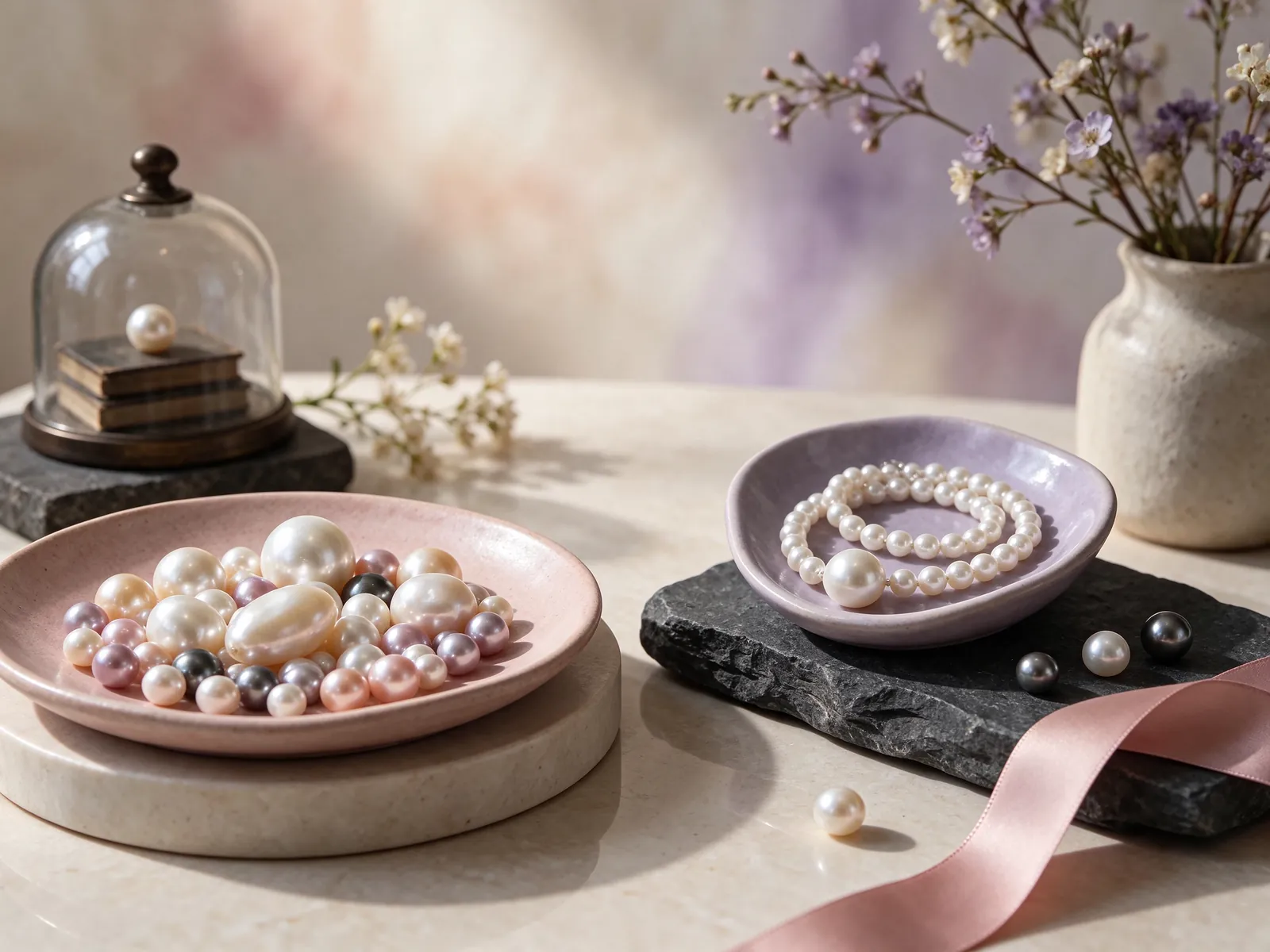
Matched jewellery needs a whole-piece assessment
Consider earrings as a pair, comparing colour, light effect, outline and size together. For a strand, look for pearls that stand out visually from their neighbours. The concept of pearl matching quality addresses that relationship. If one pearl has a thickness result, check whether the document covers the other pearls as well. Matching is not a requirement for identical numerical readings: it assesses the harmony of the finished group, which a single measurement cannot describe.
Try judging the same jewellery beside a light shirt and a darker top. One background may soften the outline; another may make the pearls more prominent. If you combine a pendant and earrings, a shared colour family or similar glow can create continuity without requiring every feature to be identical. Thickness does not decide neckline proportion, visual emphasis or the balance between those pieces in an outfit.
Choose a focal point rather than maximising everything
If the pendant is the centre of the outfit, start with its position and visual weight, then consider earrings that support it. If attention belongs at the face, reverse that order. Selecting the brightest possible example for every position is not necessarily the most balanced styling choice. Measurements help explain quality; the arrangement of the jewellery determines which element draws attention.

Treat grading names as defined terms
WSP’s public explanation describes Hanadama as a quality label for white Akoya pearls meeting an appraisal laboratory’s standards, not a separate pearl species. Its assessment involves lustre, nacre, surface and shape rather than one universal thickness threshold. Reading Hanadama vs Akoya pearls can clarify that distinction before you examine the issuing body, tested pearls and entries in a particular document. Laboratories may use different terminology and criteria. Do not transfer one body’s standard to an unrelated description, or infer from this guide that a Flint piece carries a particular certificate.
Separate your decision into visible appearance, documented information and personal priorities. A colour you love does not need an invented grade to justify your preference. A more detailed report does not automatically make a piece the best match for your clothing. Understanding what determines pearl value helps you weigh several qualities together rather than allowing one thickness figure or an impressive-sounding name to settle the entire choice.
Ask questions that a document can answer
Ask which body uses the designation, which pearl the document describes, and whether thickness and lustre are reported separately. These are more precise questions than asking whether something is the highest grade. Put the answers beside your preferred colour, tolerance for visible surface features and intended outfit, so that information supports your choice instead of replacing your judgement.

Thickness information does not replace careful care
A nacre measurement is not permission to use aggressive cleaning. GIA advises that pearls should never be cleaned with ultrasonic or steam cleaners and should be protected from acids, perfume, hair spray and excessive heat. After wearing, use a very soft, clean cloth. Apply cosmetics and fragrance before putting on pearl jewellery, rather than spraying directly beside the pearls and relying on a thickness result to protect them.
Store pearls apart from jewellery that could rub against or knock them. Cleaning must also suit the whole piece, including its string, adhesive, settings and metal; gentle care is not permission for prolonged soaking. If strung pearls have been cleaned with water, GIA advises allowing the string to become completely dry before wearing. A dry-looking surface does not establish string dryness. If you notice looseness or surface damage, stop wearing the piece and seek an assessment rather than polishing the pearl or trying to scrub away discolouration.
Keep a useful record of your preferences
Note the colour family, reflection style and wearing position you preferred, together with the information actually supplied by documents. When discussing your choice with Flint Jewellery, explain whether appearance, thickness documentation or matching is the priority, and identify any unclear report entries. Record an unknown thickness as unknown. WhatsApp +85260106207 can be used to discuss pearl quality and styling; general educational guidance is not an identification or grading result for an individual piece.
| Factor | Useful evidence | Question answered | Not established | Buying approach |
|---|---|---|---|---|
| Nacre thickness | Relevant result with method and unit | How the report describes the tested pearl | Beauty or identical thickness across a piece | Read the issuing body's criteria |
| Lustre | Observation in consistent light | How defined the reflections appear | A measured thickness from a photograph | Compare backgrounds and viewing angles |
| Surface | Visible features from several views | Which areas affect the wearing appearance | A thickness threshold from smoothness | Consider the wearing view and other areas |
| Colour | Bodycolour and any visible colour effects | Compatibility with skin and clothing | Origin, identity or nacre measurement | Compare tones in the same setting |
| Matching | A view of the complete pair or strand | How well the pearls work together | Group quality from a single result | Look for conspicuous visual differences |
Pearl knowledge and authoritative references
GIA identifies seven pearl value factors: size, shape, colour, lustre, surface quality, nacre quality and matching. Matching applies to jewellery containing two or more pearls. Nacre quality therefore belongs within a multi-factor assessment, not a stand-alone ranking of beauty.
Read the reference for this factFrequently asked questions
Can I compare nacre thickness using shop photographs?
Photographs can help compare design and apparent colour, but exposure, lighting and angle influence their appearance. They do not establish thickness. Read any relevant measurement separately, with its method and unit.
Does a report without a thickness entry mean thin nacre?
No. It means that document does not provide the measurement. Ask whether relevant thickness information is available if it is important to your decision; otherwise, work with the appearance and documentation actually supplied.
Why can a pearl look appealing without winning a thickness comparison?
Appearance combines lustre, surface, colour and other factors. A thickness figure does not independently rank beauty, and figures must first be comparable before their difference can be interpreted.
Should every pearl in earrings and a pendant have identical visual effects?
Not necessarily. A shared colour family or related glow can create continuity while allowing one piece to be the focal point. Evaluate earring matching separately from the balance of the whole outfit.
Is steam cleaning acceptable when thickness has been measured?
No. GIA advises against steam and ultrasonic cleaning for pearls. A thickness measurement does not change that guidance. Wipe gently after wearing, and consider the string, adhesive, settings and metal before any further cleaning; do not soak the piece for prolonged periods.
Updated: