
How can coming of age pearl gifts reflect the recipient’s style, whether they are 18th birthday pearl gifts or 21st birthday pearl gifts?
Begin with the clothes the recipient wears on an ordinary weekday. A person who enjoys plain shirts and denim may appreciate a single jewellery focal point, while someone who regularly combines prints and expressive accessories may prefer a more visible silhouette. Neither approach belongs to a particular age. The pearl gift guide offers a broader starting point for separating the occasion from the recipient’s actual taste, so that the birthday does not overshadow the person.
Notice where they already wear jewellery and what they leave off. Do they choose earrings with their hair tied back, a necklace over a plain top, or nothing on their wrists while studying? An absence of jewellery is worth understanding rather than correcting. They may dislike fiddly fastenings, find accessories inconvenient during activities, or simply have a very selective style. Ask about those preferences before choosing something intended for frequent wear.
For coming of age pearl gifts, should 18th birthday pearl gifts and 21st birthday pearl gifts suit everyday outfits or special occasions?
Use two familiar everyday outfits and one birthday outfit as your styling test. Consider whether a shirt collar would hide a pendant, whether a patterned neckline already provides enough detail, and how earrings look with the recipient’s usual hairstyle. If a jewellery direction works comfortably across those situations, it has a clearer role after the celebration. A special-occasion choice can still be thoughtful, provided occasional wear is what the recipient genuinely wants.
Colour preferences can come from accessories the recipient already enjoys. Ask whether they like a bright overall effect, a softer palette or a strong contrast, then consider the proposed jewellery against familiar clothes. That is more useful than assigning a single colour to an age or gender. Editorial images help discuss placement and silhouette; they do not establish pearl type, origin, measurements or availability.
Give an eighteenth or twenty-first birthday a personal meaning
An eighteenth birthday may accompany a new course, greater independence or a clearer sense of personal taste. It need not be presented as the moment every aspect of adult life begins. When considering a pearl birthday gift, think about a change you have actually witnessed: their willingness to try something difficult, their kindness to friends, or a decision they made for themselves. Those details give your message substance without relying on a stock phrase about growing up.
A twenty-first birthday can mark another chapter, but do not presume the recipient has graduated, started a career or made plans to marry. Eighteen and twenty-one are personal birthday milestones here, not universal legal adulthood thresholds. If they prefer not to emphasise their age, frame the gift around an ongoing relationship or an encouraging wish. Let their own account of this stage of life guide the words you choose.
A family keepsake should leave room for independent taste
When choosing pearl gifts for daughter, a parent can share why the birthday matters without prescribing how a daughter ought to dress. Ask what she would enjoy wearing and what she finds uncomfortable, then keep the handwritten message as the surprise. Avoid making the gift an instruction to look more mature or adopt a particular idea of femininity. Respect for her preferences can become part of the meaning of the gift itself.
A family keepsake does not require a promise to keep or wear it forever. The giver can preserve the birthday story in the note while the recipient chooses how jewellery fits into their life. If their style is still developing, ask which details they definitely dislike before asking for an ideal design. Excluding an awkward closure or an unwanted placement can make a shared choice easier without taking away the warmth of the occasion.
Choose a jewellery category before choosing the visual details
Earrings draw attention towards the face, but first establish whether the recipient has pierced ears and which fastening styles they normally use. Do not make getting a piercing an assumed part of the present. For a necklace or pendant, look at familiar necklines, existing layers and contact from scarves or bag straps. Distinguish the chain length from the position of a hanging pendant. An existing necklace the recipient finds comfortable can provide a styling reference; a photograph alone cannot establish the right length.
A bracelet is visible to the wearer throughout the day, yet it also sits near desks, sleeves and bag openings. Someone who types or writes for long periods may have a firm preference about anything around the wrist. For a formal birthday dinner, formal pearl jewellery sets can inform how details at the ears and neckline work together. That styling principle does not mean you must give a complete set, especially when the recipient prefers one focal point.
Consider fastening, movement and clothing contact
Look beyond the front view and ask about the reverse, closure and moving parts of a design. Could the recipient fasten it without help? Might a drop catch against a collar or hair? Would a sleeve cover a bracelet or repeatedly press against it? These practical questions are more useful than asking whether a gift looks important enough. Where preferences remain uncertain, agree on the jewellery category first and choose the individual details together.
There is no universal necklace or bracelet size for an eighteenth or twenty-first birthday. To keep a surprise without guessing, confirm the jewellery category first and let the recipient help with length, fastening and fit. If a change is wanted, ask about the specific construction and the possible approach. Do not assume that shortening, extending or replacing a closure is available for every design, or that an adjustment is already included.

Read pearl quality without reducing it to size or roundness
GIA describes seven pearl value factors: size, shape, colour, lustre, surface quality, nacre quality and matching. Matching concerns the relationship between pearls when a piece contains two or more. This framework helps explain why size or roundness alone cannot answer a gift decision. The pearl grading guide can help interpret quality language, but commercial AAA or AAAA labels are not a globally uniform or GIA grading scale. Identical letter labels from different sellers need not mean identical quality.
Compare appearance in similar lighting where possible. Notice how bright and clearly defined the reflections are, where surface features appear and how pearls coordinate in a pair or multi-pearl design. Lustre and surface quality are separate considerations; fewer visible surface features do not settle every other factor. Photographic backgrounds, angles and illumination change impressions. Editorial images cannot establish a product grade, and shape or colour alone cannot prove origin or natural-versus-cultured identity. Read the actual description or relevant documentation when those details matter.
Ask questions tied to the way the gift will be worn
A recipient who wants a quiet accent may prioritise an overall understated effect, while someone who enjoys expressive silhouettes may be drawn to a varied outline. For earrings, coordination between the two sides deserves attention; for a single pendant, its relationship to the chain and neckline may be more immediately relevant. GIA’s educational guidance supports informed reading. It does not endorse a particular brand or imply that a jewellery item comes with a GIA document.
Read the report type before relying on pearl documentation
GIA’s pearl service details explain that identity information can include natural or cultured status, formation environment and treatments, while classification information depends on the service selected. Different report types therefore should not be treated as interchangeable. If a report accompanies a gift, read its title, number and pearl quantity, and compare its image and description with the jewellery being considered. A report relating to another piece cannot establish the identity of this one.
Keep pearl identity and quality descriptions separate from the purchase price and the seller’s service terms. Read what the actual document says instead of relying on the word certificate alone. A laboratory report is not a promise of future value or a warranty for the whole piece. Store any information actually supplied with the birthday note for the recipient’s later use, without assuming that a Flint design includes GIA or other laboratory documentation.
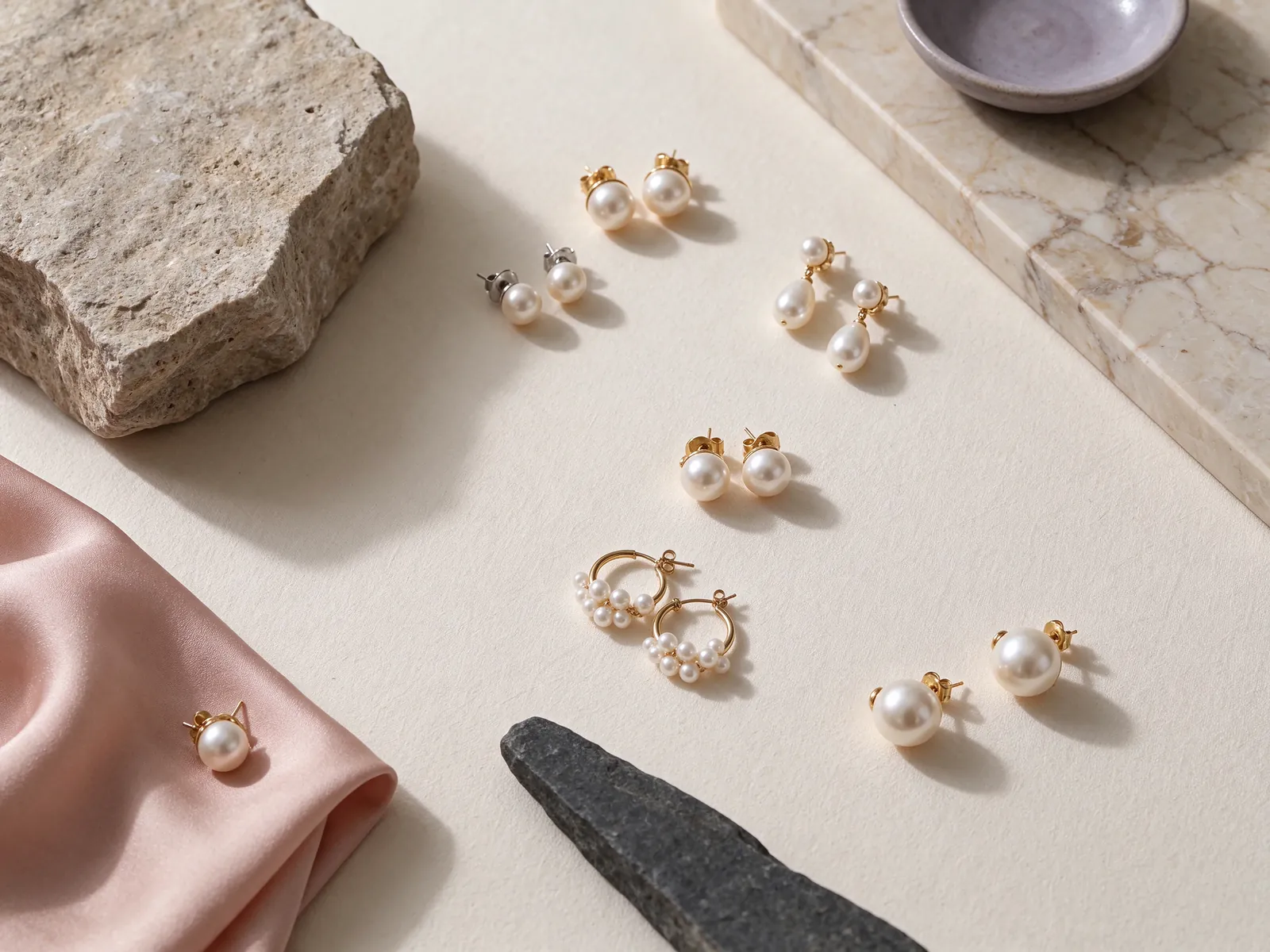
Keep birthday and graduation wishes distinct when celebrations overlap
A milestone birthday sometimes falls close to a graduation or the start of further study. Decide which event the gift chiefly celebrates before trying to represent everything at once. Birthday wishes can recognise individuality and growth; graduation wishes can acknowledge effort and the next step. The approach to pearl graduation gifts offers a useful comparison when both occasions matter, but the message should still describe the recipient’s real experience rather than a life path you assume they will follow.
If a family photograph is part of the celebration, ask about the planned outfit instead of expecting the recipient to dress around the gift. A detailed neckline may need little additional emphasis; a plain outfit may offer more room for jewellery. They do not have to put the present on immediately after opening it. Giving them time to decide how it fits their clothing, mood and plans can make the exchange more comfortable.
Write one remembered moment rather than a universal promise
Mention a shared experience, an act of courage or a small change you admired, then add an encouraging wish for the future. You might date the note so that the birthday remains easy to recall later. Pearl symbolism can be a personal or cultural association, but it is not a guarantee of luck, health, wealth or a lasting relationship. The meaning comes from the words and memories you choose to share.
When one gift marks both a birthday and graduation, give each occasion a specific sentence in the note. A date and an honest memory can identify the celebration without adding a permanent detail to the jewellery that the recipient may not want. This lets the message remain clear even if their clothing or preferred way of wearing the gift changes later.

Include simple care advice for a first pearl gift
A recipient may know exactly how they want to style jewellery but have little experience caring for pearls. GIA places pearl at 2.5 on the Mohs hardness scale, a useful reminder to avoid unnecessary contact with harder objects rather than a complete measure of every damage risk. Explain a manageable routine: gently wipe pearls with a very soft, clean cloth after wearing, and store them separately from other jewellery to reduce rubbing.
Keep perfume, hair spray, acids and excessive heat away from pearls, and never use an ultrasonic or steam cleaner. Beyond gentle wiping, cleaning should take account of the whole piece: string, adhesive, settings and metal may require different handling. Mild cleaning advice is not permission to soak every design, and prolonged soaking should be avoided. If a string has become wet, let it dry completely before wearing. The pearl care guide can help establish a routine of finishing cosmetics and sprays first, then putting jewellery on.
Make the care reminder fit the recipient’s routine
For someone living in a hall of residence or often carrying jewellery between places, a short reminder about wiping, separate storage and avoiding sprays may be easier to use than a long list. A person who enjoys sport can build in a habit of removing jewellery beforehand. If a fastening becomes loose or a string changes condition, stop wearing the piece and seek advice about its actual state. Care reduces avoidable risks; it does not promise permanent protection.
A care reminder should distinguish routine wiping from problems needing assessment. Do not promise that yellowing can be reversed or lustre kept unchanged forever. If a pearl loosens, a string deteriorates or a clasp will not close properly, stop wearing the jewellery and keep any detached parts safely. Restringing, repair and replacement matching depend on the actual condition; a lost pearl does not necessarily have an identical replacement. No free service, completion time or repair result should be assumed.

Balance the surprise, the budget and the recipient’s choice
Set a total budget you are comfortable with and do not use expenditure as a measure of affection. The pearl gifts by budget approach can help put the recipient’s most useful jewellery category first, followed by appearance and styling priorities. Prepare familiar necklines, overall colour preferences and existing accessories for the discussion. Say whether the goal is ordinary outfits or occasional dressing up, remembering that everyday suitability does not require daily wear. This is more practical than asking what everyone should spend on a particular birthday.
A surprise and a jointly chosen gift can both be thoughtful. If you know the recipient’s preferences, the design can remain private; if essential details are unclear, give the message first and invite them into the choice. On WhatsApp, tell Flint Jewellery about the birthday occasion, wearing preferences and comfortable budget so that the design and quotation discussion has a clear starting point. Costs, timing and arrangements are established in that discussion, not promised simply because a birthday date has been mentioned.
Let the gift find its own place after the birthday
Explain why you thought of pearls and what you wanted to commemorate, then allow the recipient to decide when and how to wear the gift. A preference different from yours does not cancel the affection behind it. Being able to express that preference openly is part of a respectful exchange. The present can become meaningful gradually, without immediate try-on, daily wear or a fixed outfit being required to demonstrate that it is valued.
| Recipient’s routine | What to establish | Jewellery direction | Styling check | Giving approach |
|---|---|---|---|---|
| Plain everyday tops | Preferred placement and silhouette | One clear focal point | Check how the neckline frames it | Explain the familiar outfit you had in mind |
| Regular earring wear | Piercings and fastening preferences | Consider the usual hairstyle | Compare hair up and hair down | Confirm practical details before keeping a design secret |
| Frequent typing or writing | Tolerance for jewellery at the wrist | Compare wrist and other placements | Consider sleeves and desk contact | Put convenience before formality |
| Birthday close to graduation | Which milestone matters most | A direction useful beyond the celebration | Consider both photographs and everyday outfits | Give each occasion its own message |
| Uncertain jewellery preferences | Disliked details and closures | Agree on a category first | Use familiar clothes as the reference | Keep the note a surprise and choose together |
| Keeping jewellery information | Report type and the pearls it describes | Retain any documents actually supplied | Use editorial images only for styling | Date the personal note; do not treat a report as a value guarantee |
Pearl knowledge and authoritative references
GIA identifies seven pearl value factors: size, shape, colour, lustre, surface quality, nacre quality and matching. Matching is relevant when jewellery contains two or more pearls. The framework helps a gift giver consider quality beyond size or roundness alone.
Read the reference for this factFrequently asked questions
Should eighteenth and twenty-first birthday pearl gifts look different?
Not necessarily. The birthday number does not determine how understated or expressive jewellery should be. Change the direction if the recipient’s taste or routine has changed, not simply because a different age appears on the card.
What should I do if I do not know whether the recipient has pierced ears?
Establish that first, along with their preferred fastening. Do not assume a piercing will be part of the present. If the detail remains unclear, discuss another jewellery category or invite the recipient to choose with you.
Does a milestone gift need a matching necklace and earrings?
No. A single piece that fits the recipient’s routine can be more useful than several items they would rarely wear. Coordinated pieces are an option when the recipient enjoys that style, not a requirement for showing sufficient care.
Can pearl colour tell me whether a gift is natural or cultured?
Colour alone cannot establish that identity or origin. Read the actual description or relevant documentation if the distinction matters. Treat photographic appearance as styling information, not as proof of a pearl’s identity.
Is it impolite if the recipient does not wear the present at the birthday dinner?
There is no need to interpret that as a rejection. Their outfit, activities or comfort with trying jewellery in front of others may affect the decision. Letting them choose when to wear it keeps the gift relaxed and personal.
Does a pearl report settle the quality, price and warranty of a birthday gift?
No. The identity and quality information depends on the report service, so read the actual document and confirm that it relates to the jewellery in question. Price and aftercare arrangements are separate matters. A report is not a promise of appreciation in value, and this guide does not imply that a Flint design includes laboratory documentation or a particular warranty.
Updated: