

Why can't WSP pearl grading translate WSP A–E pearl grades in the WSP five-grade system directly into another brand's grades?
WSP pearl grading gives readers labels within WSP's own framework. Its public guide describes the WSP five-grade system as A through E and evaluates the balance of lustre, nacre and surface condition. The official FAQ identifies A as the highest level. Those letters are classifications, not units of diameter, nacre thickness or laboratory measurement. If another retailer also uses A, the shared letter does not establish a shared definition. Start with the pearl grading guide to distinguish the classification from the attributes described for an individual pearl.
A practical comparison begins with the written information beside each candidate. Put the descriptions next to one another and identify what each actually states about appearance and quality. A listing that gives only a letter is not equivalent in detail to one that describes lustre and surface characteristics. WSP A–E pearl grades cannot be translated automatically into another retailer's AA or AAA, and a letter alone does not tell you origin, pearl identity or which documents accompany the jewellery.
Read the definitions behind WSP pearl grading before comparing WSP A–E pearl grades in the WSP five-grade system
WSP's English FAQ gives separate A–E descriptions for lustre, nacre thickness and blemishes; the table below follows those qualitative terms rather than assigning grades to particular items. For A, it lists Excellent lustre, Thick nacre and a surface from Flawless to very minor. The last phrase does not justify an absolute zero-blemish promise. B and C likewise need to be read across their separate attributes, not condensed into invented percentages. Read the general guide first, the individual description second and accompanying documents third, so that a general standard is not mistaken for a finding about every piece.

Compare quality attributes before deciding what a grade means to you
GIA describes seven pearl value factors: size, shape, colour, lustre, surface quality, nacre quality and, for jewellery with two or more pearls, matching. WSP's three stated pillars of lustre, nacre and surface are not an abbreviated GIA grade, and the seven factors are not a formula for converting WSP letters. Use them to organise questions and distinguish stated measurements from photographic impressions. Reading what determines pearl value helps you consider the factors together instead of treating size or a letter as the whole comparison.
Your intended use can guide the order of attention. For earrings, look at how the two sides relate in colour and outline. For a pendant, pay attention to the visible face and how its appearance works against your usual clothes. For a strand, consider the rhythm of the whole arrangement rather than inspecting only one pearl. These are different viewing priorities; they do not mean the remaining quality factors stop mattering.
Separate stated information, visible information and unanswered questions
Make three headings in your notes. Record what the seller describes, what the available views allow you to see, and what you still want to ask. A photograph may show outline but cannot stand in for a nacre measurement or an identity examination. Keeping these categories separate prevents an attractive image from becoming an imagined specification.
View lustre and surface under comparable conditions
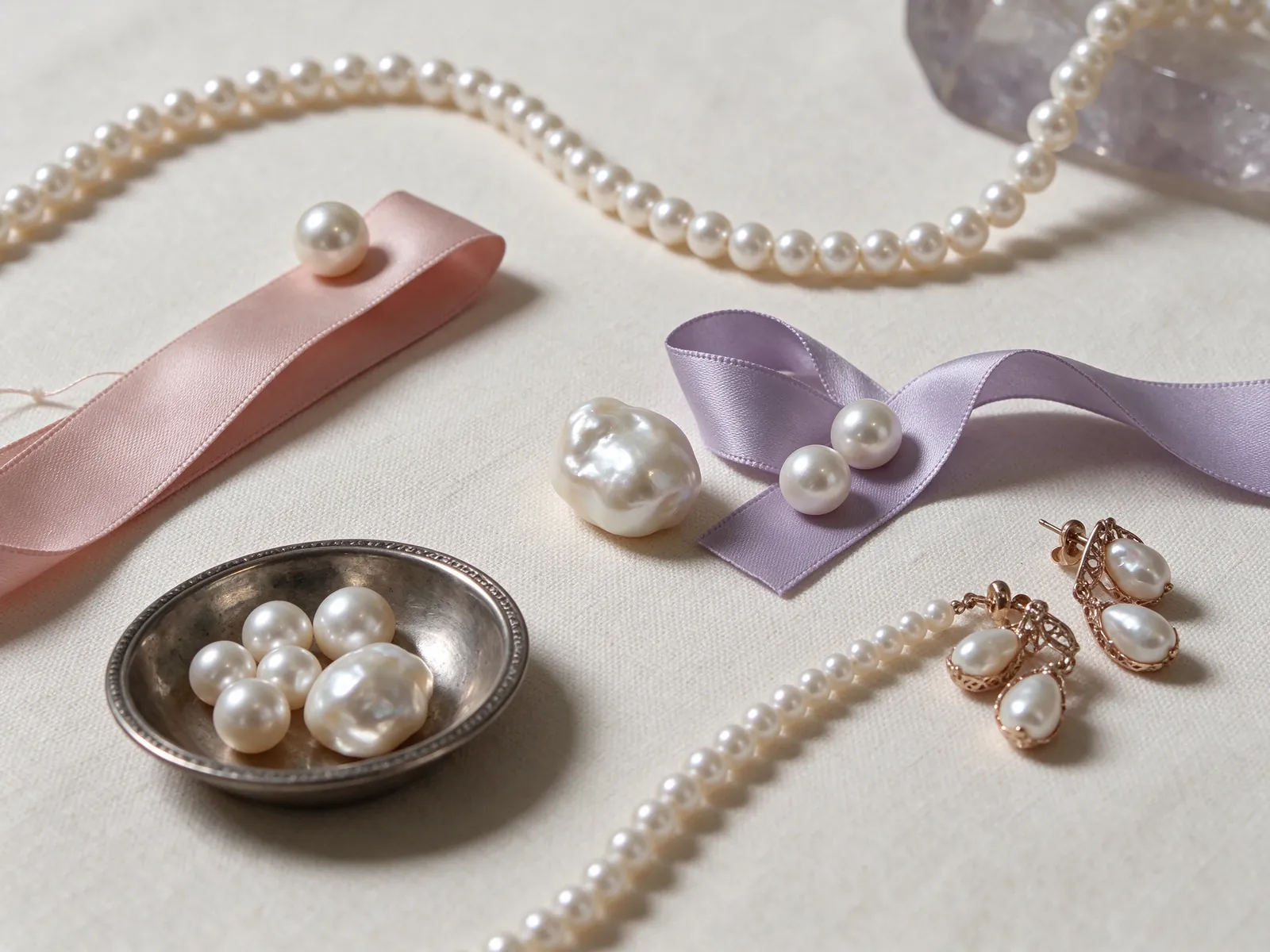
Lustre and surface quality answer different questions. When viewing lustre, notice the character of the reflections and the distinction between light and dark areas. When examining the surface, look for visible marks, unevenness and their positions. A bright reflection does not demonstrate an unmarked surface, and apparent smoothness does not establish strong lustre. Reading how to judge pearl lustre gives you more precise language for these observations than simply asking for a higher letter.
WSP's official FAQ says pearls within the same grade may differ in the position, shape or depth of blemishes. Individual viewing therefore matters even when the letters agree. Compare photographs with similar lighting, backgrounds and angles, and request a side or turning view when an important area is hidden. A setting can conceal part of the surface, while strong lighting can emphasise reflections. With an item in hand, examine both the normal wearing orientation and its sides. A front photograph cannot establish the condition of every unseen area.
Turn a visual preference into a specific request
Useful requests include seeing the front and side under the same light, or understanding whether a visible surface feature faces outwards when worn. They focus the conversation on something observable. Keep identity questions separate: neither a reflection nor an apparent colour in a photograph proves pearl type, origin or treatment status. More views improve visual comparison without replacing other forms of evidence.
Read a brand grade and a report as different kinds of information
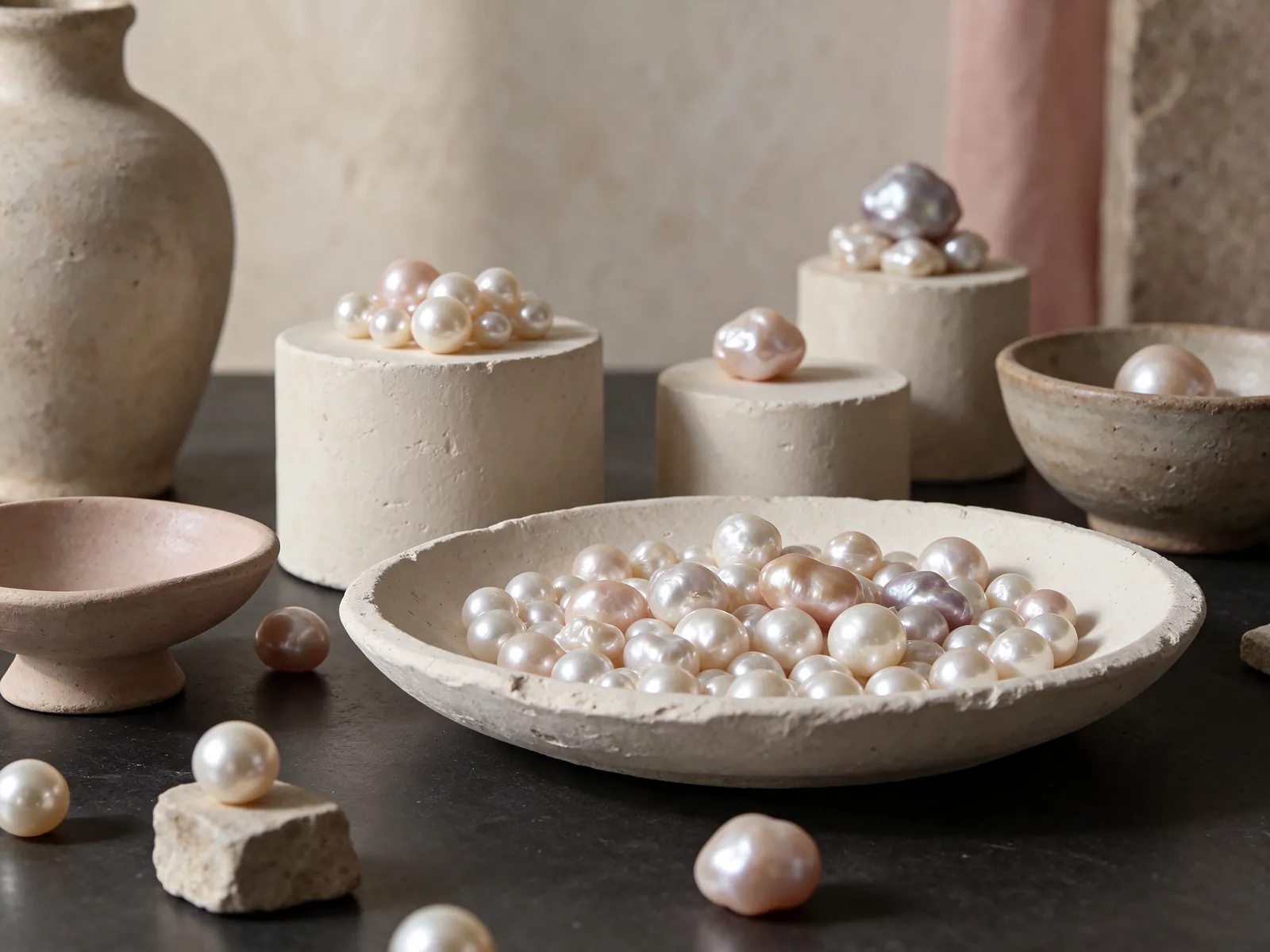
A brand grade describes a classification; a report needs to be read through its issuer, its statements and the object it describes. Ask whether the document concerns one pearl, a strand or the finished piece, and whether it accompanies the item under consideration. The guide on how to read a pearl certificate helps separate identity information from quality descriptions. A branded grading card does not become an independent laboratory report simply by showing A. Neither a classification nor an identity finding should be extended into a promise of price, retained value or later service.
Read nacre information separately as well. WSP's English FAQ describes the A–E nacre categories as Thick, Fairly Thick, Average, Thin and Very Thin. These are qualitative descriptions, not permission to invent numerical cut-offs. The explanation of pearl nacre thickness develops this quality factor. If an item description supplies a measurement, ask about its method and the pearl it concerns. If the information says only thick, do not infer a measured thickness from a photograph or an A label, and do not treat the description as a promise of permanent lustre.
Begin with the object described by the document
Ask which item the document describes before asking what its title means. Then distinguish statements about identity from statements about quality. If you have a brand card, read the card's actual wording rather than treating its name as an independent examination result. This approach makes room for useful documentation without making different issuers or purposes interchangeable.

Let wearing preferences complement the quality comparison
A grade cannot decide whether a piece suits your usual wardrobe. View earrings close to your face and compare their appearance with a familiar blouse or shirt. For a pendant, use the neckline at which you expect to wear it and notice the contrast with the fabric. These are styling decisions, not tests of pearl identity. Skin tone and clothing colour do not establish origin or turn an appearance preference into a laboratory conclusion.
For a strand, consider the overall rhythm of colour and shape before individual differences. The guide to pearl matching quality addresses the coordination of a group, not merely the letters assigned to its separate pearls. Pearls with the same WSP grade can still look different. View an earring pair together for colour, diameter, outline and reflections. A deliberately varied arrangement may suit your taste, so explain whether you prefer symmetry or visible variation, and keep that design preference alongside, rather than inside, the quality description.
Try a familiar neckline rather than an unfamiliar full outfit
A plain top you wear regularly gives you a useful background for comparison. Notice whether a collar hides the piece, whether a scarf is likely to rub against it, and how its position looks when you sit or turn. Understanding a grading system and enjoying a particular wearing effect are compatible tasks; neither has to replace the other.
Keep brand navigation and service questions outside the letter scale
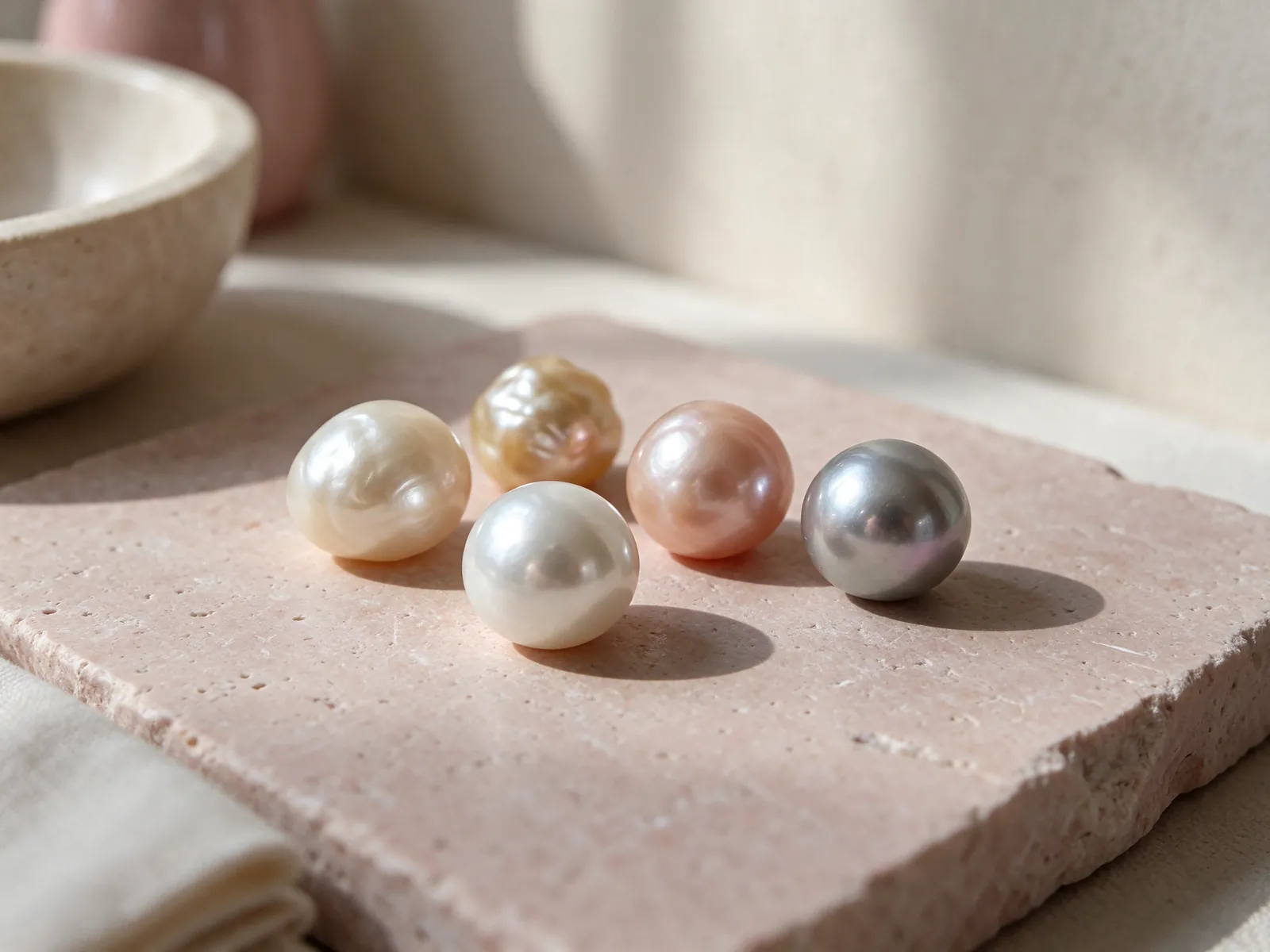
This is a non-affiliated explanation. Describing WSP's grading does not make Flint Jewellery its dealer, authorised retailer or certification channel. WSP pearl jewellery is a separate brand-reading topic, not a statement of Flint stock or supply. A brand name, quality letter and service policy answer different questions. A grade does not identify who accepts a service request or imply that another jeweller can act for the brand. General pearl-selection and design questions can be discussed with Flint Jewellery; questions about a WSP purchase should go to the responsible channel.
For concerns about restringing, settings or other repairs, read WSP pearl repair warranty with the purchase channel and the relevant terms in mind. A letter is not a promise of a fee, a response period or a repair outcome. Retain purchase documentation separately from quality notes. When contacting the channel responsible for the item, describe the actual issue, such as a loose strand or damaged fitting, rather than relying on the grade to explain it.
Save item identification as well as the quality description
Keep the item identification, purchase channel and documents supplied at purchase together. Your quality notes can separately record the grade name and visible characteristics. Clear identification makes a later enquiry more focused because it establishes which piece and which issue are involved. It does not create service coverage that the grade itself never stated.
Finish with a focused buying question, not a demand for the highest letter
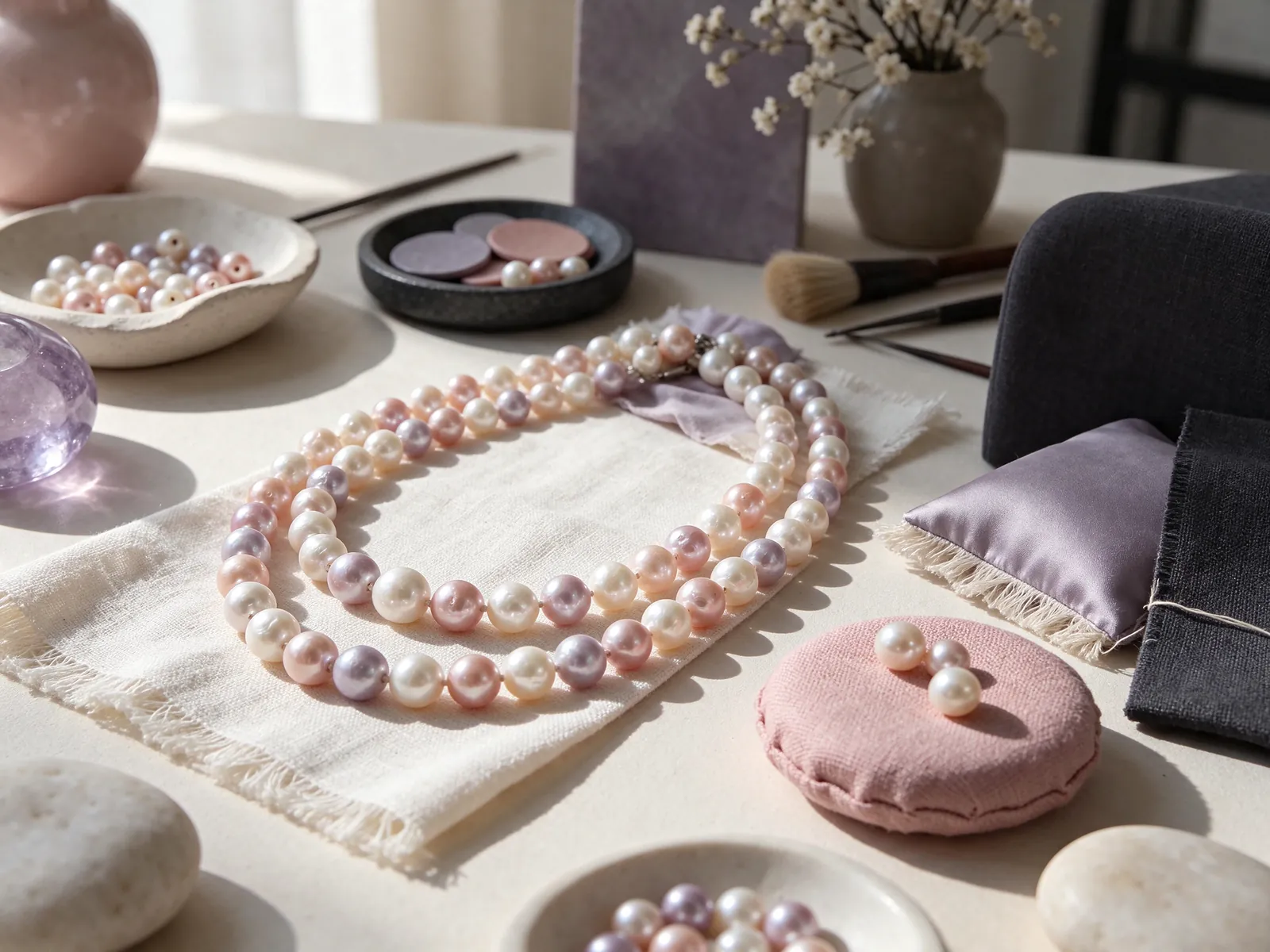
Before making a decision, ask which quality differences are described, which wearing differences you can genuinely see, and which missing answers would change your choice. If coordinated earrings are your priority, concentrate on matching. If a pendant needs to stand out against dark clothing, examine its actual colour and contrast. A clear intended use is more helpful than asking for the best grade without defining what you value.
Plan where you will remove and store the jewellery, keeping pearls away from perfume, hair products, acids and excessive heat. GIA recommends a very soft, clean cloth after wearing and advises against ultrasonic or steam cleaning. Strings, glued fittings and settings also require attention to the whole piece; prolonged soaking is not an appropriate default. These are general pearl-care considerations, not special abilities attached to WSP's A grade. No letter promises permanent lustre or a certain repair outcome. A realistic wearing routine complements the information used to select the piece.
An example of a well-framed enquiry
You might ask for earrings for office wear, explain that coordinated colour matters to you, request front and side views in consistent light, and ask what the grade description and accompanying document say. That enquiry supplies a use, a visual priority and a documentation question without presuming pearl type or certification. Compare the answers individually and use the letter as a starting point, not the entire answer.
| WSP grade | Lustre | Nacre thickness | Blemishes |
|---|---|---|---|
| A | Excellent | Thick | Flawless to very minor |
| B | Good | Fairly Thick | Small blemishes |
| C | Average | Average | Moderate |
| D | Weak | Thin | Numerous |
| E | Very Weak | Very Thin | Many or severe surface damage |
Pearl knowledge and authoritative references
GIA describes seven pearl value factors: size, shape, colour, lustre, surface quality, nacre quality and matching, with matching considered for pieces containing two or more pearls. These are not a formula for converting WSP's A–E letters.
Read the reference for this factFrequently asked questions
Does WSP's A grade guarantee an absolutely unblemished pearl?
No. WSP's official English FAQ describes the A surface category as 'Flawless to very minor' and notes individual differences within a grade. Read the description of the particular pearl and examine its wearing orientation rather than treating the letter as an absolute zero-blemish guarantee.
Does WSP's five-grade system name five pearl types?
No. A to E names five levels in WSP's proprietary classification, not five pearl types. Read identity information in the individual description and any relevant document rather than inferring it from the grade.
What should I request if an online listing has only a front photograph?
Ask for a side or turning view under comparable light and a description of visible surface features. Additional views help with appearance, but they do not replace identity examination or nacre measurement.
Do individual earring grades establish that the pair is well matched?
They do not answer the whole matching question. View both earrings together for coordinated colour, outline and lustre, then decide whether the combined effect suits your preference.
Does a branded grading card also establish an independent report and warranty?
No. Read what the card actually says, identify any separate report and its subject, and read service terms through the purchase channel. A grade alone does not establish either independent examination or coverage.
Updated: