

How culture shapes black pearl meaning and brings context to black pearl symbolism and the meaning of giving black pearls
A dark pearl can look reserved, dramatic or quietly distinctive, depending on the person wearing it. WSP’s article on black pearls describes mystery and individuality as symbolic associations while explicitly stating that they do not imply scientific effects. Independence is a useful idea when it reflects something you genuinely admire, not when it imposes a personality on the recipient. Exploring pearl meaning and symbolism can help you find words for a gift, but someone’s own experience of a colour matters more than a list of supposed universal meanings.
For a friend starting a new role, the gesture might recognise her willingness to choose her own direction. For Mum, it could celebrate the composed style you have admired for years. Neither interpretation follows automatically from age, gender or the relationship. If the recipient finds black too sombre, listen to that preference rather than explaining why she ought to appreciate its symbolism.
How can a gift message personalise black pearl meaning and connect black pearl symbolism with the meaning of giving black pearls?
Build the note around an observed quality, the reason for choosing the colour and a wish. For example: ‘I admire how confidently you make your own choices. This quiet depth reminded me of you, and I hope your next chapter feels truly yours.’ A shared memory makes a partner’s gift more personal than asking the pearl to communicate an unspoken commitment.
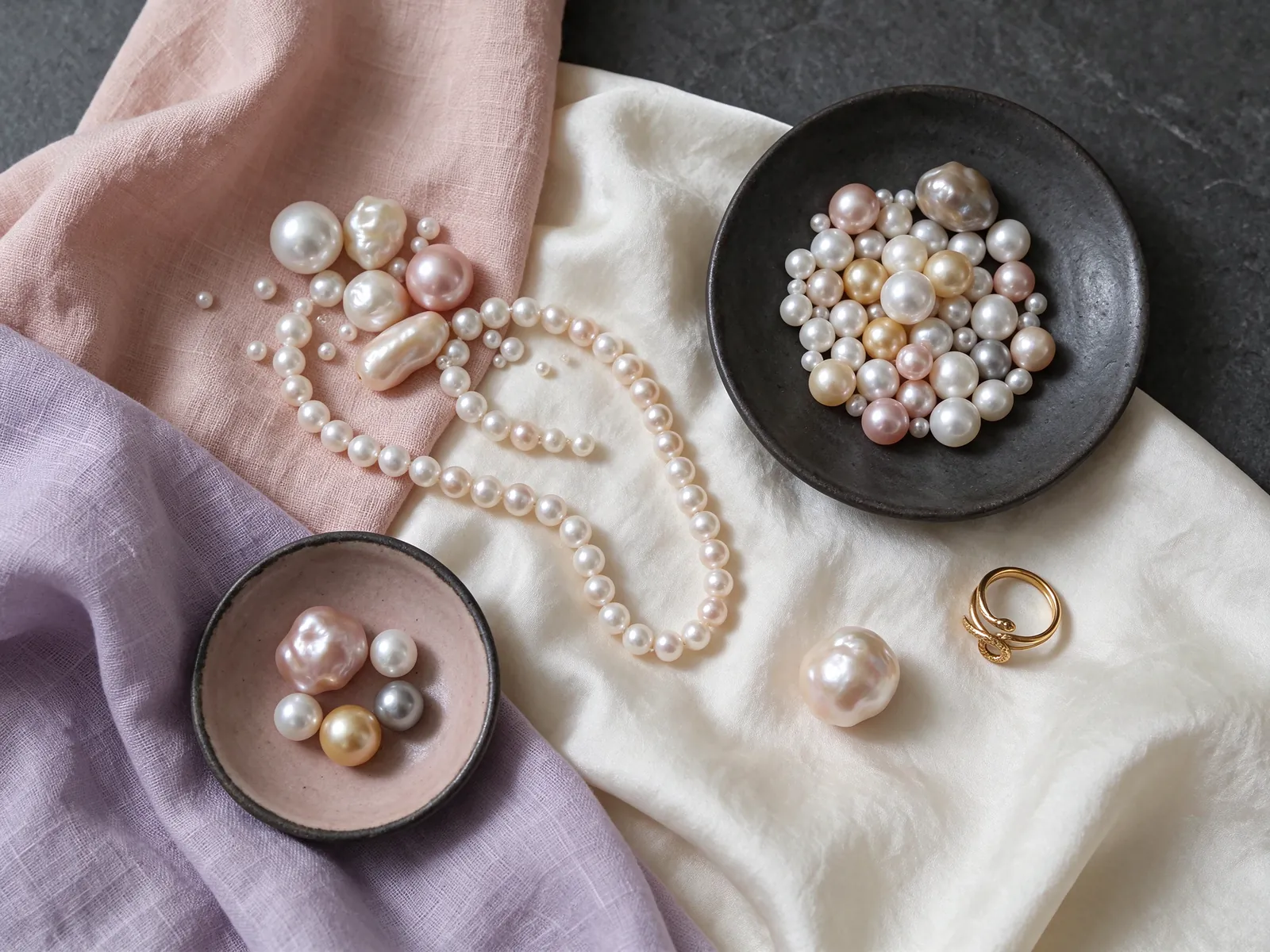
Read the layers of dark colour before choosing a mood
Black is not a complete description of how a pearl looks. GIA distinguishes bodycolour, the overall basic colour, from overtone and orient, which describe additional colour effects. Every pearl has bodycolour, but not every pearl displays overtone or orient. A grey impression may feel softer, while a greenish layer may draw more attention. These are observations about appearance, not proof of species, origin or treatment. When comparing pearl colour meanings, keep the emotional association separate from the description of the pearl itself.
Think about the recipient’s usual background colours. A warm ivory blouse can make a dark accent stand out; a dark knit can make it feel more integrated. Start with clothes she actually wears, rather than prescribing a new palette for the gift. Lighting, photographic exposure and a screen can alter the impression, so a single image should not be treated as a promise that every setting will reveal the same hue. Ask whether she prefers contrast or a subtle blend.
Compare an office outfit with a weekend outfit
Use two familiar looks rather than chasing an evocative colour name. Against a pale collar, ask whether the contrast feels welcome or distracting. Against a darker top, consider whether the lustre remains visible. Someone who enjoys shifting colours may prioritise the overtone, while a minimalist may prefer a clear outline. Neither choice is inherently more sophisticated.
Use proportion and placement to express style
Independence does not require a large or dramatic piece. With a necklace, the practical question is whether the focal point sits inside the neckline, at its edge or over the clothing. With earrings, hair, glasses and collars influence what is visible. A simple dark accent against a light background can already be striking, so decide where you want attention to settle before considering additional detail.
A rounded silhouette can feel orderly, while an irregular outline can create a freer visual rhythm. Neither shape proves anything about the wearer’s character. If she usually wears only one piece, respect that habit. If she enjoys layering, consider whether chains may touch or whether several accessories compete for attention. A thoughtful gift should not require her to replace her established wardrobe.
Plan for phone calls, collars and evening clothes
For office wear, a clear neckline and fewer accessories can keep the accent contained. For an evening outfit, a simple field of colour can give the pearl’s lustre more room. Frequent headset use or high collars may affect comfort and movement. These practical details tell you more about whether a gift will be worn than describing it as powerful or mysterious.
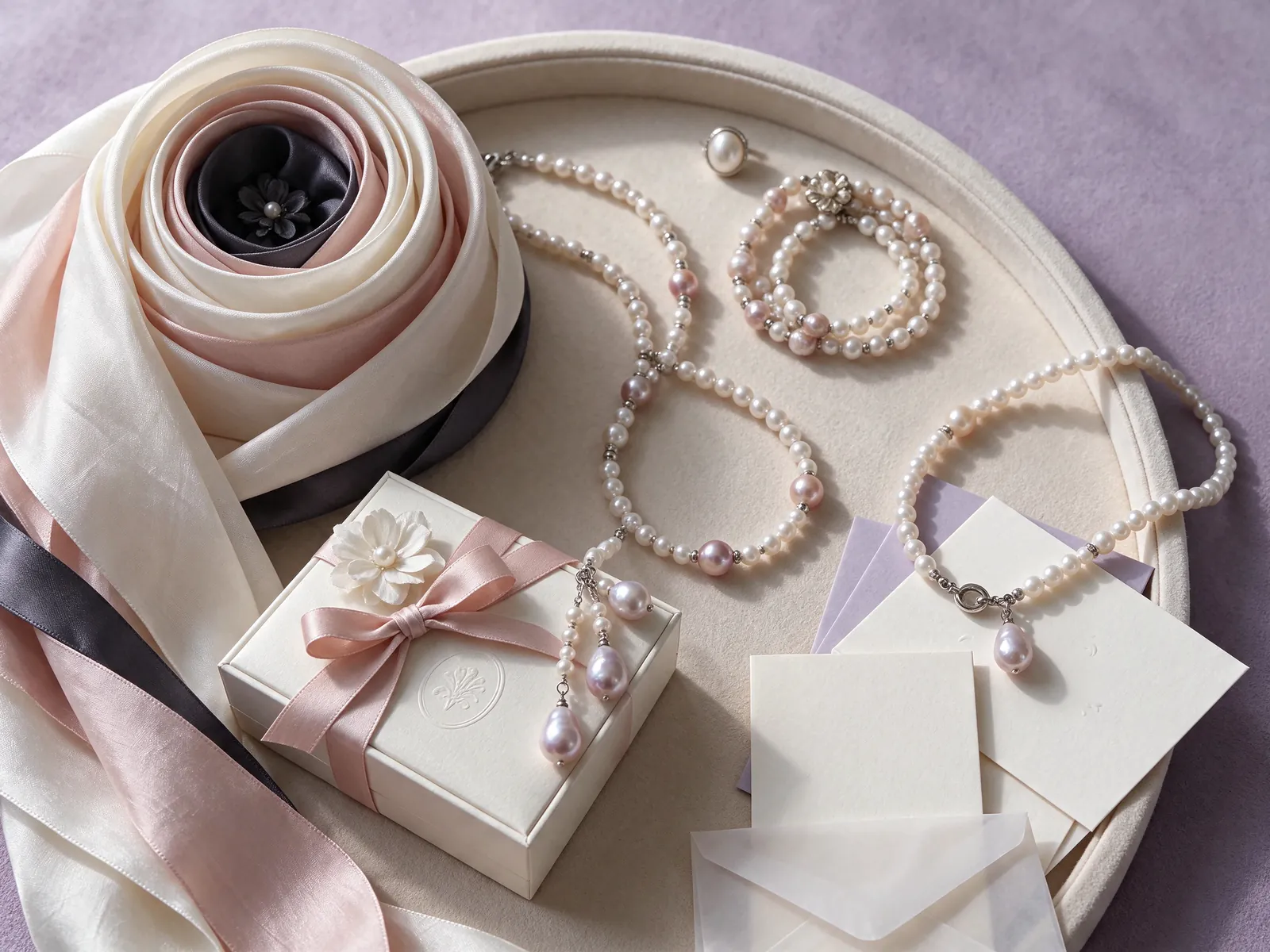
Let birthdays and festivals support a personal message
A birthday gift can acknowledge a choice the recipient made during the past year rather than claiming that dark pearls create new beginnings. June birthstone pearl gifts offer a conversational starting point for a June birthday, but the month does not dictate a preferred colour. Ask whether she wears necklaces or earrings most often, then connect the occasion to something specific you appreciate about her.
For Mum or a close friend, consider recent clothing preferences and the occasions she actually enjoys. Someone who likes simplicity may welcome a restrained gesture; someone who treasures written memories may value the note as much as the jewellery. The same approach applies to holiday pearl gifts: a date provides an opportunity to give, not a universal code for romance, gratitude or maturity.
Ask about family colour preferences at Lunar New Year
Some families prefer bright festive colours, while some recipients happily wear darker jewellery. When considering Lunar New Year pearl gifts, ask whether the colour feels comfortable rather than treating either preference as a universal rule. A wish such as ‘May you enjoy the year at your own pace’ communicates warmth without presenting the pearl as a source of prosperity.
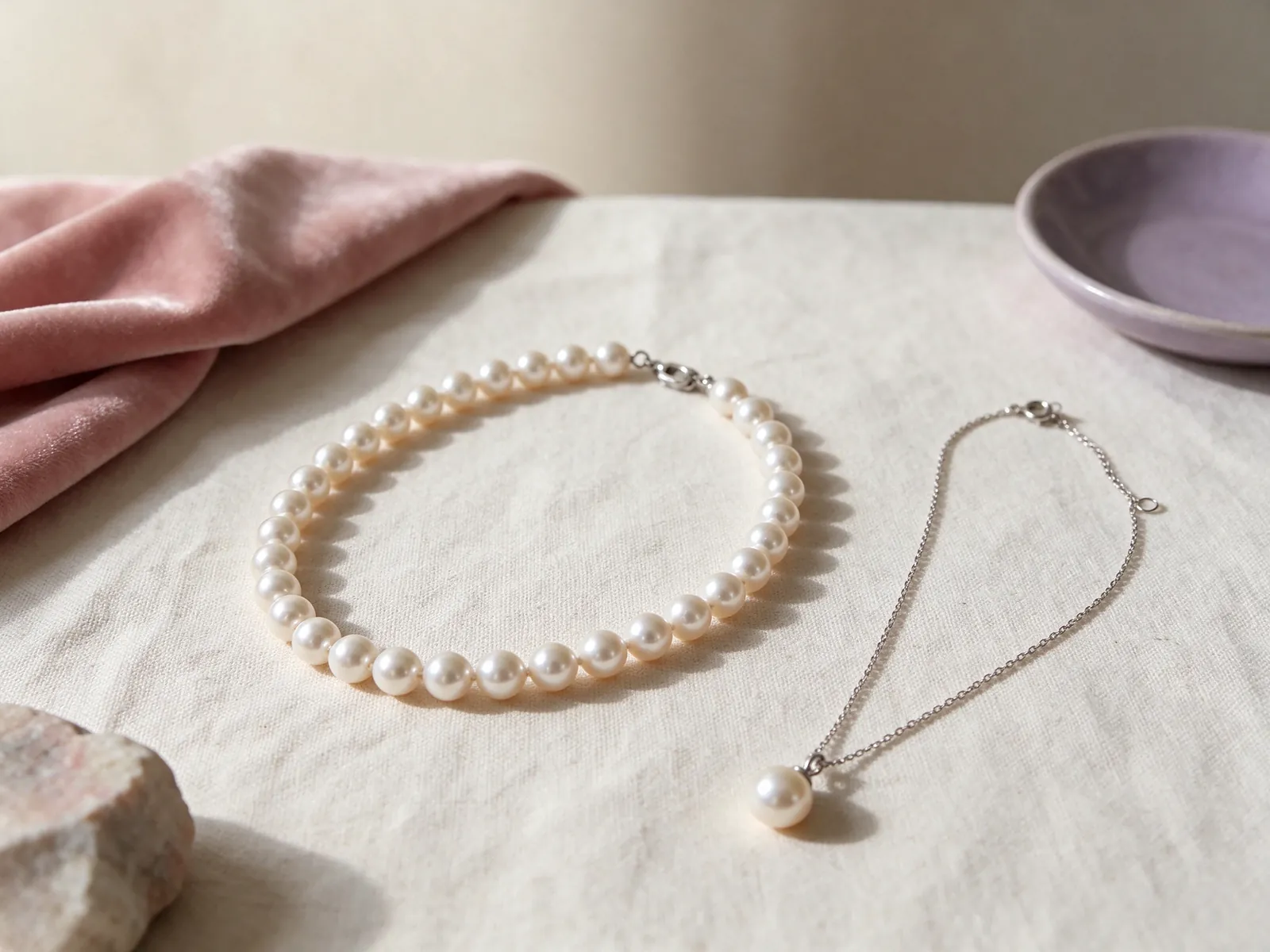
Handle remembrance and formal occasions with sensitivity
A dark colour may feel formal or reflective, but a black pearl is not automatically a mourning symbol. If a gift relates to someone who has died, let the recipient decide whether jewellery is a welcome way to remember them. With remembrance pearl gifts, a colour might recall a loved one’s favourite clothing. That is a personal connection, not a claim that an object can resolve grief.
Attending a funeral is a different decision from offering a memorial gift. Family wishes, the ceremony and the desired level of restraint should guide what is worn. Read funeral pearl jewellery etiquette with those particulars in mind; a dark pearl cannot establish suitability for every service. If the expectations are unclear, a discreet question is kinder than insisting on an online rule.
Offer the memory without requiring a response
You might say, ‘This shade reminded me of her favourite jacket. Would you like jewellery connected with that memory?’ Leave room for a different answer or a later conversation. If the gift is welcome, write down one meaningful moment without asking the person to wear it every day. Being understood matters more than assigning a solemn meaning to black.
Separate symbolism, quality and product information
Liking the symbolism does not tell you the quality of a piece. GIA describes seven pearl value factors: size, shape, colour, lustre, surface quality, nacre quality and matching. Matching applies to jewellery containing two or more pearls. For a single accent, appearance and outline may be your first questions; with several pearls, coordination also matters. A pearl grading guide can help structure the discussion, but the factors are neither seven symbolic meanings nor seven grades. They should not be confused with a seller’s AAA or AAAA labels.
Read the stated pearl identity and treatment information separately from words such as distinctive or mysterious. WSP explains that a Tahitian pearl is a saltwater cultured pearl grown in the black-lip oyster, Pinctada margaritifera. The broader term black pearl may also include Akoya or freshwater pearls darkened by dyeing or other treatments. Neither dark colour nor a Tahitian name alone confirms treatment status. A pearl types guide can clarify those distinctions. When exploring Pearl Jewellery, read the information for the individual piece instead of assuming that a colour category has uniform identities, specifications or prices.
Describe a wearing brief instead of asking for confidence
A useful brief includes familiar necklines, a preference for soft grey or stronger dark contrast, comfort with irregular outlines and the main wearing occasion. Add a budget range and ask about the individual piece’s details and quotation. If an identification document is supplied, check which pearl it covers, the tests within its scope and the actual findings. Identity information is not a valuation, a resale promise or a service guarantee. For a surprise, use existing jewellery habits as your guide; an independent personality does not necessarily want the most eye-catching option.

Keep the meaning alive through wear and care
A gift is easier to enjoy when its care fits the recipient’s routine. GIA places pearls at 2.5 on the Mohs hardness scale, making attention to scratching and contact worthwhile. A dark appearance does not make a pearl more resistant. Put pearls on after dressing and applying perfume, and choose a suitable wearing time if work involves chemicals, frequent knocks or activities that may catch the jewellery.
After wearing, use a very soft, clean cloth and avoid acids, perfume, hairspray and excessive heat. GIA advises against ultrasonic and steam cleaning. Further cleaning must suit the whole piece, including its string, adhesive, settings and metal; gentle water-based guidance is not permission to soak every construction. Avoid prolonged immersion. Where water cleaning is appropriate for strung pearls, the string must be completely dry before wearing. A pearl care guide can help establish the routine, alongside separate storage from items that could scratch the pearls.
Save the card without making wear an obligation
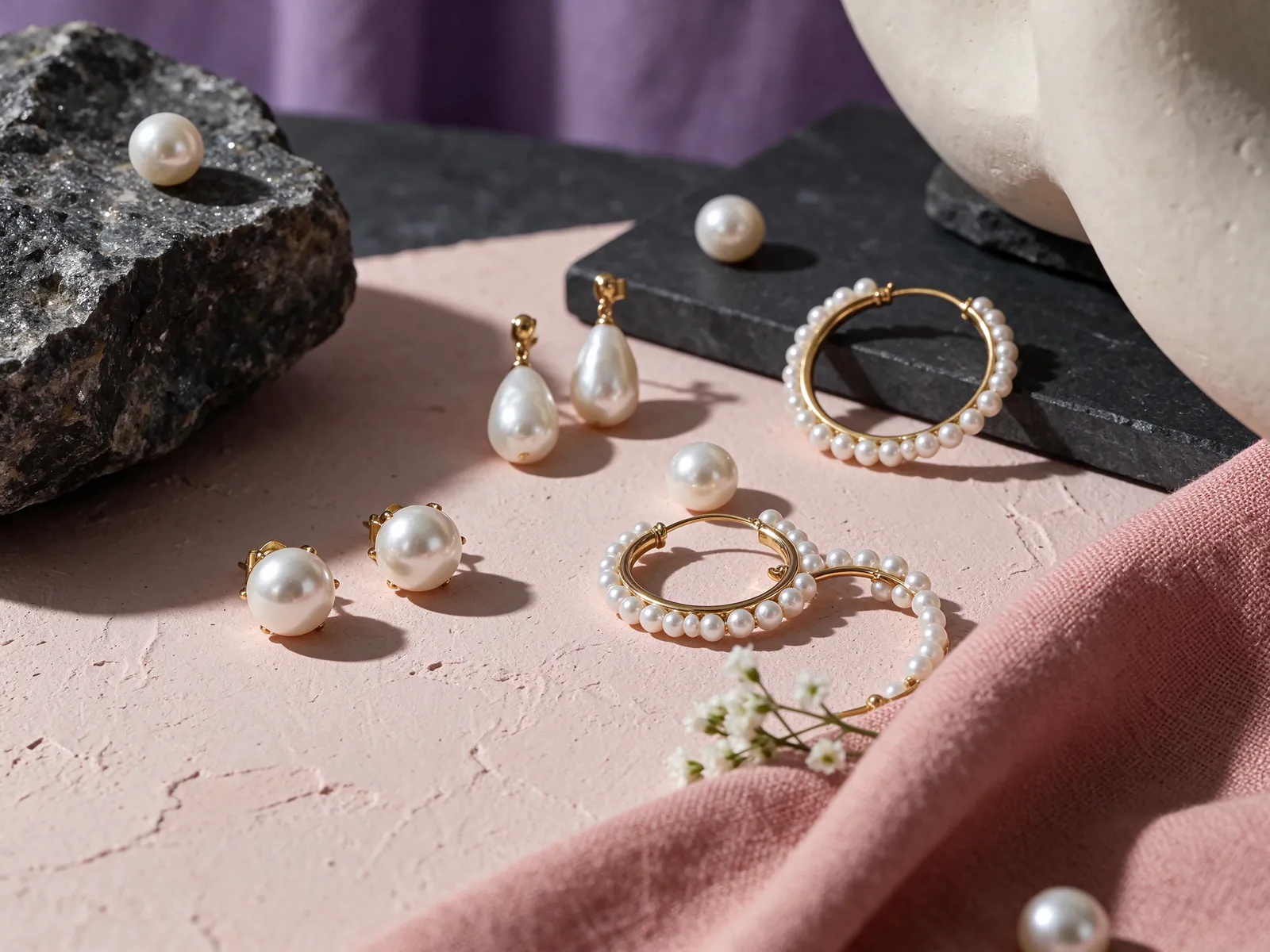
Keep the written message separately so it can be revisited when the memory matters. One recipient may reserve a dark pearl for meaningful occasions; another may wear it with a white shirt on ordinary days. Both can honour the gesture. Ask whether styling feels comfortable rather than why the gift has not been worn. Images on this page are styling and educational illustrations, not evidence of pearl type, origin, natural or cultured identity, treatment, grade or availability. Let actual piece information and personal choice guide the decision.
| Intended message | Question to ask | Style direction | Words for the card |
|---|---|---|---|
| Admiration for independence | Does she enjoy dark contrast? | Compare the accent with a familiar pale neckline | I admire how you choose your own path |
| Gratitude to Mum | Which jewellery format does she wear most? | Respect a familiar placement and silhouette | This quiet elegance reminded me of you |
| Birthday encouragement | Does colour preference matter more than the birthstone theme? | Choose an everyday format before the birthday story | May the coming year feel truly yours |
| A shared memory | Is jewellery a welcome form of remembrance? | Let the personal memory establish the connection | This shade brought that day to mind |
| A useful personal gift | What are her collar and headset habits? | Consider outline, lustre and wearing context | I hope you enjoy it on occasions you love |
Pearl knowledge and authoritative references
GIA describes seven pearl value factors: size, shape, colour, lustre, surface quality, nacre quality and matching; matching applies to jewellery with two or more pearls. These support pearl assessment, not seven grades or seven forms of black pearl symbolism.
Read the reference for this factFrequently asked questions
Is giving a black pearl always considered unlucky?
No universal interpretation applies. A recipient may see quiet elegance or may avoid dark colours because of family preferences. Ask about her response and explain your intention instead of presenting a symbolic rule as a fact.
Does a black pearl given to a partner promise a lasting relationship?
It has no fixed relationship contract. If you want to express admiration, remember a shared experience or discuss the future, say that directly. A colour cannot replace the understanding between two people.
What if the recipient likes pearls but dislikes black?
Prioritise her preference. Ask whether a softer grey impression appeals, or choose a colour she already enjoys. The same personal wish can be expressed without a dark pearl.
Can a pearl identification document authenticate its symbolism?
No. A document concerns the gem information within its stated scope, not independence, luck or love. Check its correspondence to the pearl and read the actual findings. Identity and treatment information are also separate from valuation, resale prospects and any brand’s service commitments.
Must a June birthday pearl gift have a particular colour?
The birthstone theme does not dictate the recipient’s colour choice. June can provide context for the note, while her clothing, preferences and wearing habits guide the actual selection.
Does black pearl always mean an untreated Tahitian pearl?
No. WSP explains that the broad colour term can include Akoya or freshwater pearls darkened by treatments. Even the name Tahitian pearl does not establish treatment status. Read the individual piece’s description and, where relevant, the scope and findings of its identification document.
Updated: