
How can a pearl gift budget guide help you compare pearl gifts by budget beyond price when considering affordable pearl jewellery gifts?
Begin with a ceiling that fits your own finances, not a number suggested by the importance of the occasion. A gift should not require you to reduce essential spending to make it appear impressive. Write down the amount and currency, then choose two priorities based on what the recipient actually enjoys wearing: perhaps an unobtrusive everyday shape and an easy match with existing jewellery. These priorities give your budget a purpose rather than simply a limit. They are criteria for your search, not confirmation that a particular design can be supplied for that amount.
The pearl gift guide can help you organise recipient and occasion choices, but use the person's habits to narrow the field. Someone who wears a single pendant every day may appreciate another versatile piece more than a multi-piece set. Someone who enjoys dressing for gatherings may value an expressive earring silhouette. Neither preference establishes a required price; the thoughtful part is recognising which details belong in that person's life.
When comparing pearl gifts by budget, which recipient preferences should a pearl gift budget guide prioritise for affordable pearl jewellery gifts?
Check pierced ears, preferred fastenings, usual necklace position and the colours already present in the recipient's wardrobe. A description of a frequently worn piece is more useful than an assumption based on age or gender. To preserve the surprise, ask someone close to the recipient about these practical preferences rather than asking them to guess an ideal price.
Separate essential spending from optional additions
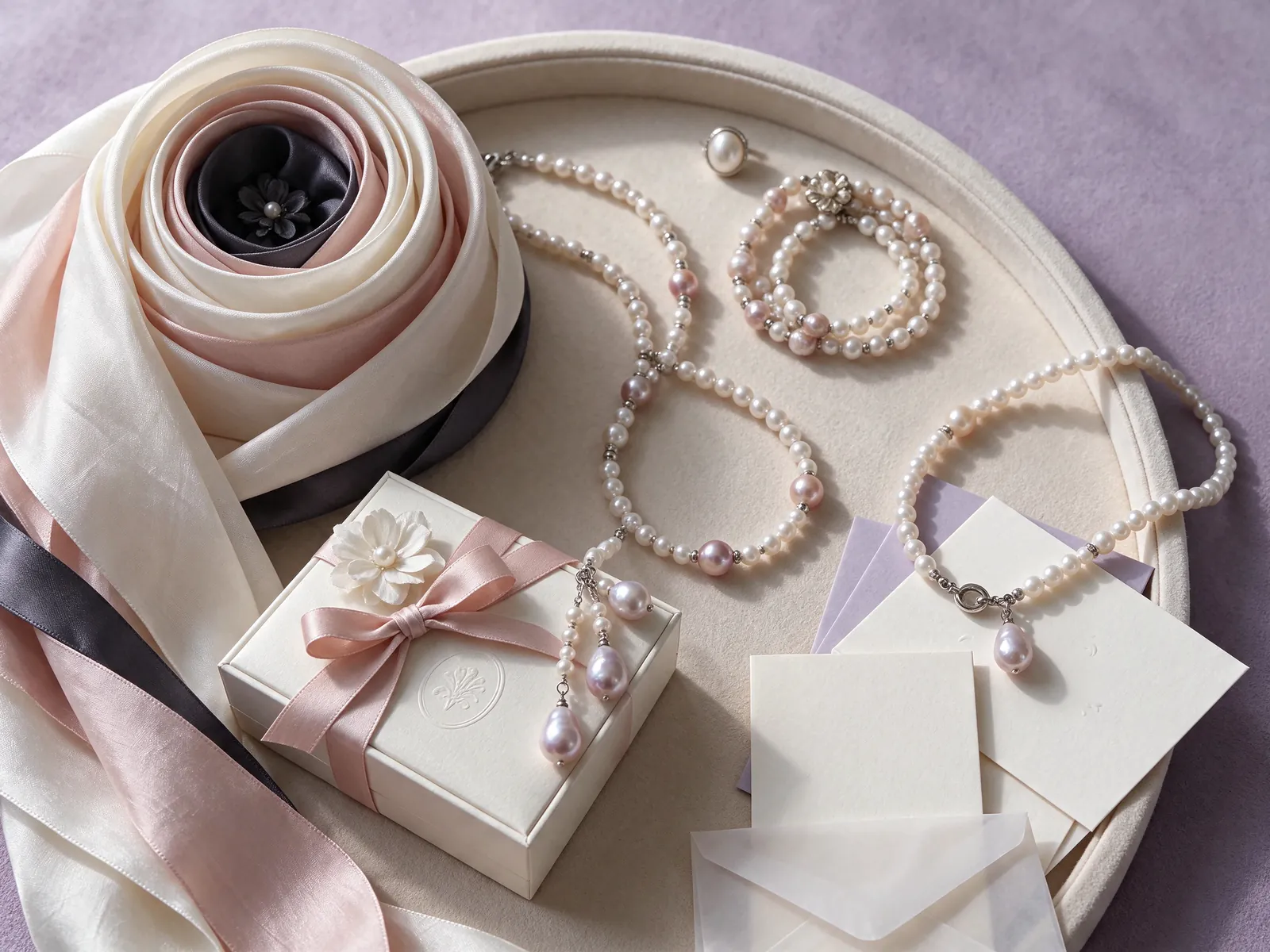
Decide whether the gift needs to be one piece or a combination before comparing totals. A matching addition is useful only if the recipient would wear it. If a favourite necklace is already part of their daily routine, earrings may fill a more practical gap than another necklace. Start with the piece that has the clearest purpose, and treat further items as optional rather than as evidence of generosity.
Compare complete costs instead of headline figures. Ask whether a pendant quotation includes its chain, whether an earring description refers to a pair, and whether any requested accessories or packaging are charged separately. Where a purchase involves different currencies or locations, read the stated payment, tax and delivery terms. Include only confirmed costs in your comparison; do not assume an attractive initial figure covers everything you intend to give.
Create a keep-or-remove list before increasing the limit
Keep practical fit, the preferred jewellery form and your total ceiling in the essential column. Put an additional coordinating piece or more elaborate decoration in the optional column. For example, if one pendant quotation includes a chain and another does not, establish the latter's complete cost with the required chain before removing any decorative detail. If the choices still exceed your budget, reconsider optional elements first. Reducing the number of pieces can preserve a focused gift without asking your finances to accommodate a larger purchase.
Read pearl quality as a combination of factors
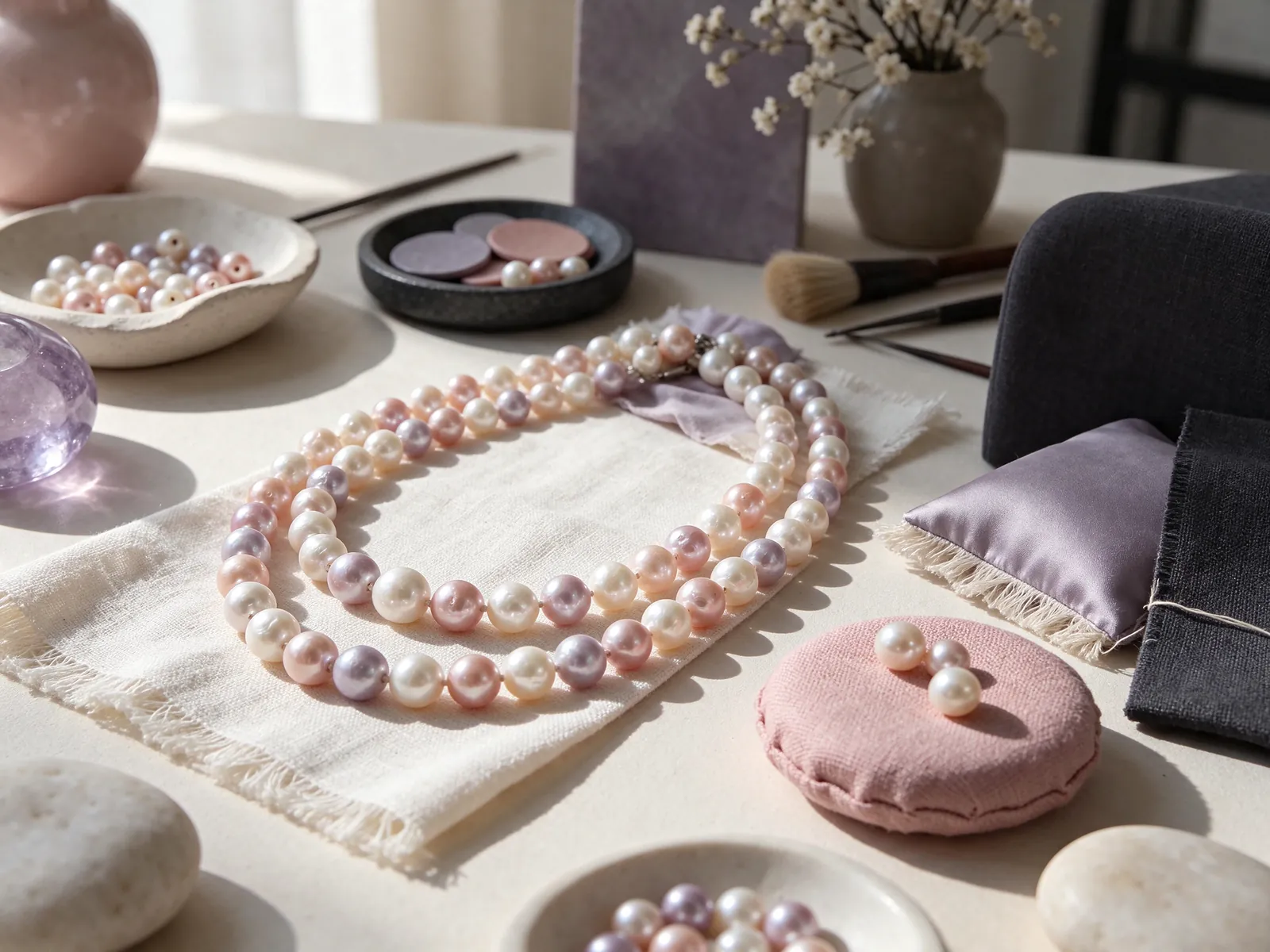
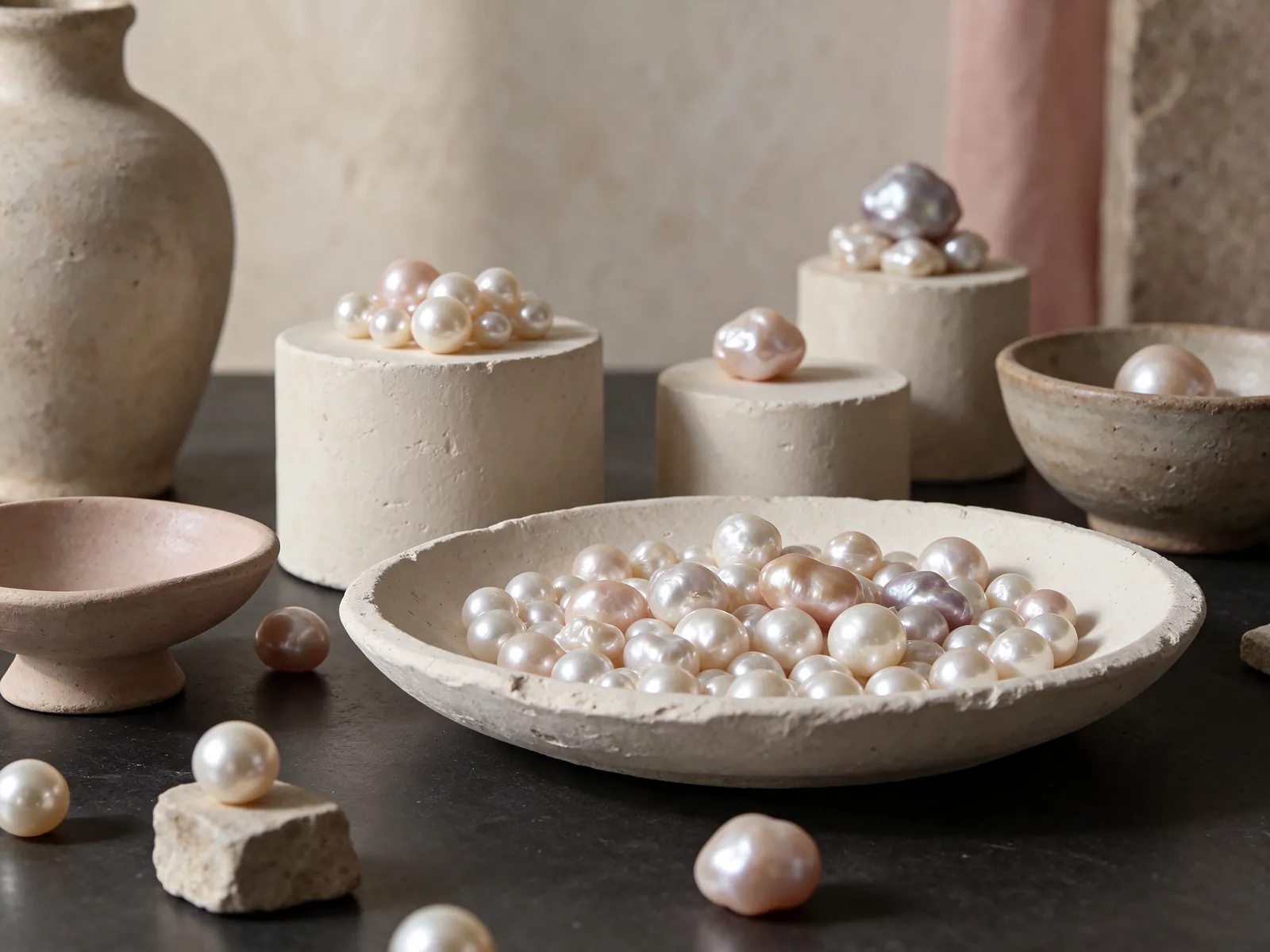
GIA identifies seven pearl value factors: size, shape, colour, lustre, surface quality, nacre quality and matching. Matching applies to jewellery with two or more pearls. The pearl grading guide can help you use these factors to ask specific questions rather than treating diameter as a complete answer. Consider how clear the reflections appear, whether visible surface characteristics suit your preferences and whether the shape feels right for the intended wearer. Comparisons of value based on size or shape require the same pearl type and other factors to be equal. These observations describe what you like; they do not establish every technical property.
Matching deserves attention in earrings and pieces containing several pearls. Look at colour impression, outline and visual proportion across the piece, rather than evaluating only one attractive pearl. Photographs taken with different lighting and backgrounds are not a neutral comparison, so seek comparable views where possible. Appearance alone cannot establish origin, natural-versus-cultured identity or certification. Read the information supplied for the particular piece rather than drawing those conclusions from its image.
Choose visible priorities that suit the wearing distance
A discreet stud may be viewed close up, while a pendant often reads as part of a whole outfit. Decide whether reflection, outline or coordinated colour matters most in that setting. Ask about the specific qualities you notice, then compare the described piece and quotation. Seller labels such as AAA or AAAA have no globally standardised numerical equivalence and are not universal GIA grades. Ask what a label means for that seller instead of using it as a value formula across different pieces.
Spend on a form that works with everyday clothing
Studs, drop earrings, pendants and rings solve different styling needs. Hair worn away from the face can make an earring outline more visible; a patterned top may compete with a pendant. Rings also introduce sizing and hand-activity considerations. If you cannot establish a suitable size, discuss a reliable measuring approach before choosing that form for a surprise gift. An attractive photograph is not enough to show that a piece will be practical.
Think about the recipient's usual collars, scarves and accessories, not just a special outfit. An earring that disappears behind hair or a pendant hidden by a neckline may receive less wear than expected. The approach to genderless pearl jewellery is useful here: proportion and personal style should lead the decision. Avoid assigning a fixed shape or visual size simply because the gift is for a man, a mother or a close friend.
Describe the intended necklace position before comparing
Use a familiar shirt or neckline to explain where the recipient likes a necklace to sit. Ask for the actual length information available for the proposed piece instead of estimating from a model photograph. For earrings, consider the space between the ear, hair and collar. These observations can remove unsuitable choices before price becomes the main discussion. Images on this page illustrate styling and knowledge only; they do not confirm a particular pearl type, size, price, certification or stock availability.
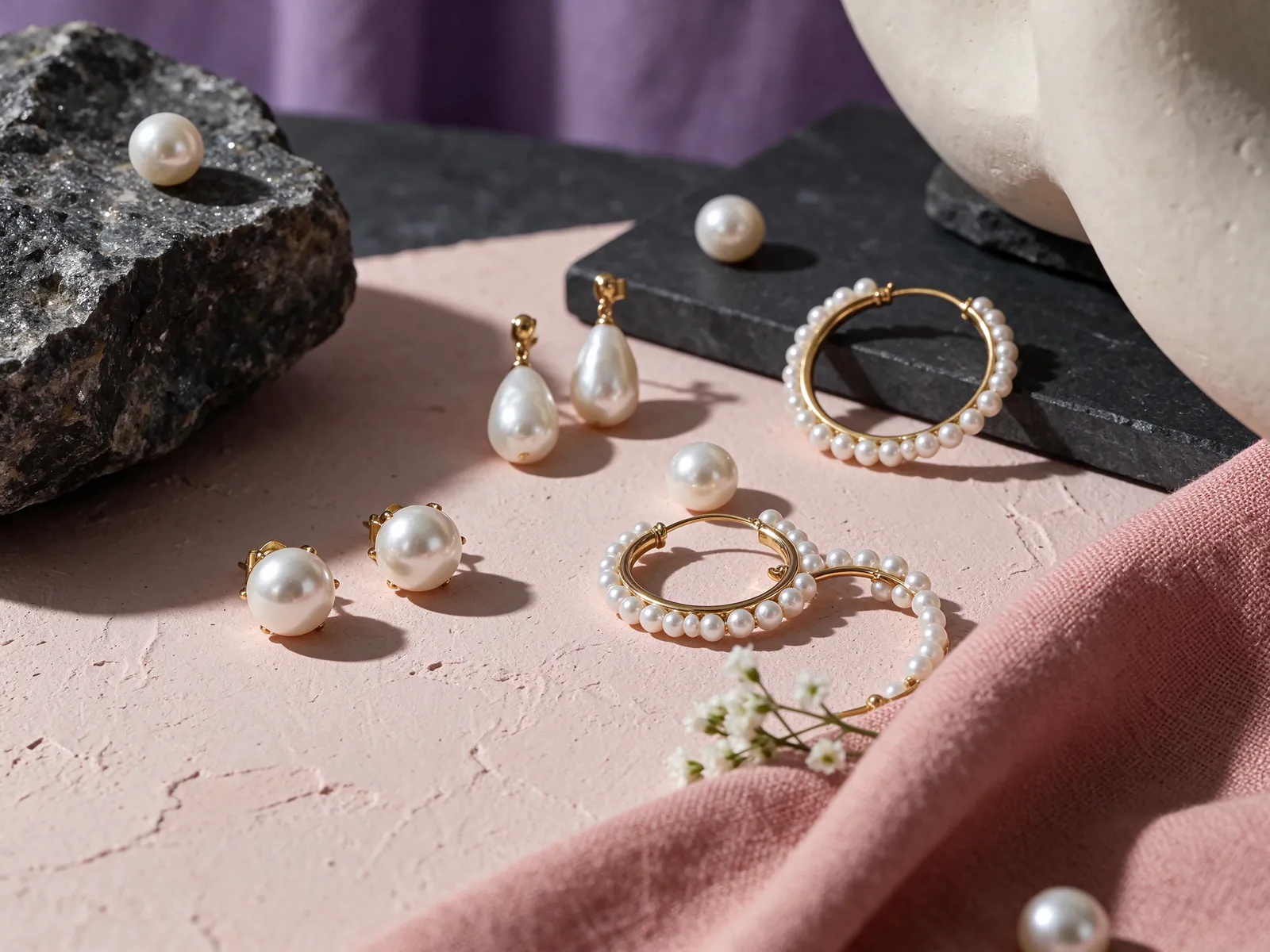
Compare quotations with the same contents and clear details
A meaningful quotation comparison starts with scope. Record the jewellery form, stated pearl information, metal description, included chain or accessories, and confirmed total. A higher figure might cover different contents, so do not interpret the difference as quality without reading the details. If a laboratory report is mentioned, check the issuer, identifying details, corresponding pearl description and actual scope of testing. Identification, quality assessment and selling price are distinct; a document does not automatically establish resale value or service coverage. Ask about unclear information rather than assuming that a higher quotation includes a certificate.
For a customisation discussion, express a metal preference using 18K 750 white gold, 18K 750 yellow gold, 18K 750 rose gold, PT950 platinum or PT900 platinum. The particular design and quotation then determine the details. Consider how the chosen metal colour would sit alongside jewellery the recipient already wears. Also discuss fastenings and connections: a clasp or earring back is part of everyday use, even if it receives little attention in a front-view photograph.
Use three questions to resolve a close comparison
Which choice best matches the usual wearing form? Which has the clearest description and total? Which retains your most important details within the ceiling? If each choice has a different advantage, remove decoration with little practical benefit and compare again. Neither a higher quotation nor the lowest visible number automatically identifies the most suitable gift.
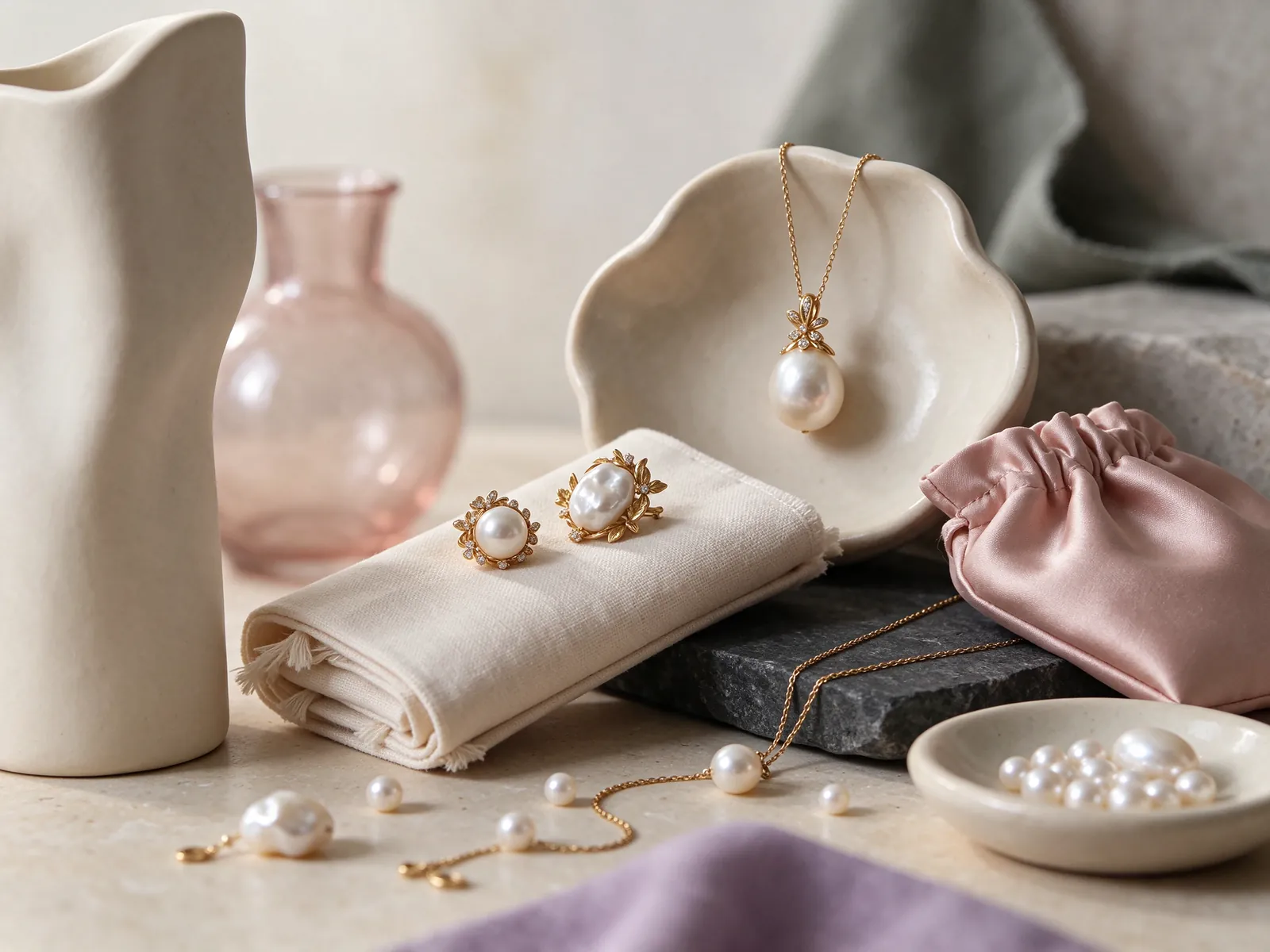
Let the occasion change the emphasis, not dictate the amount
A pearl birthday gift can reflect a change in routine, such as wearing smarter clothes for a new role or attending more family gatherings. For holiday pearl gifts, think about how the recipient would use the piece after the celebration. A card explaining a shared memory or a styling detail you noticed can make the choice personal. There is no need to add pieces merely because the occasion feels formal.
Lunar New Year pearl gifts can take the recipient's festive wardrobe into account without assuming that everyone welcomes the same colour or symbolism. A pearl anniversary gift may be chosen to complement a piece already associated with a shared occasion. Explain the connection in your own words rather than tying the amount spent to the strength of a relationship. Jewellery can carry personal meaning without promising health, fortune or a particular emotional outcome.
Keep group gifts focused on the person who will wear them
When several people contribute, agree comfortable individual contributions and let one person collect the recipient's preferences. Confirm the total and currency before comparing choices. A larger combined amount does not require a set or additional pieces; maintain the practical priorities you would use for a single gift. If the recipient wants to take part, their wearing preferences should matter more than a group vote on appearance. If the gift remains a surprise, ask someone familiar with their habits for a description rather than a guess at an appropriate price.
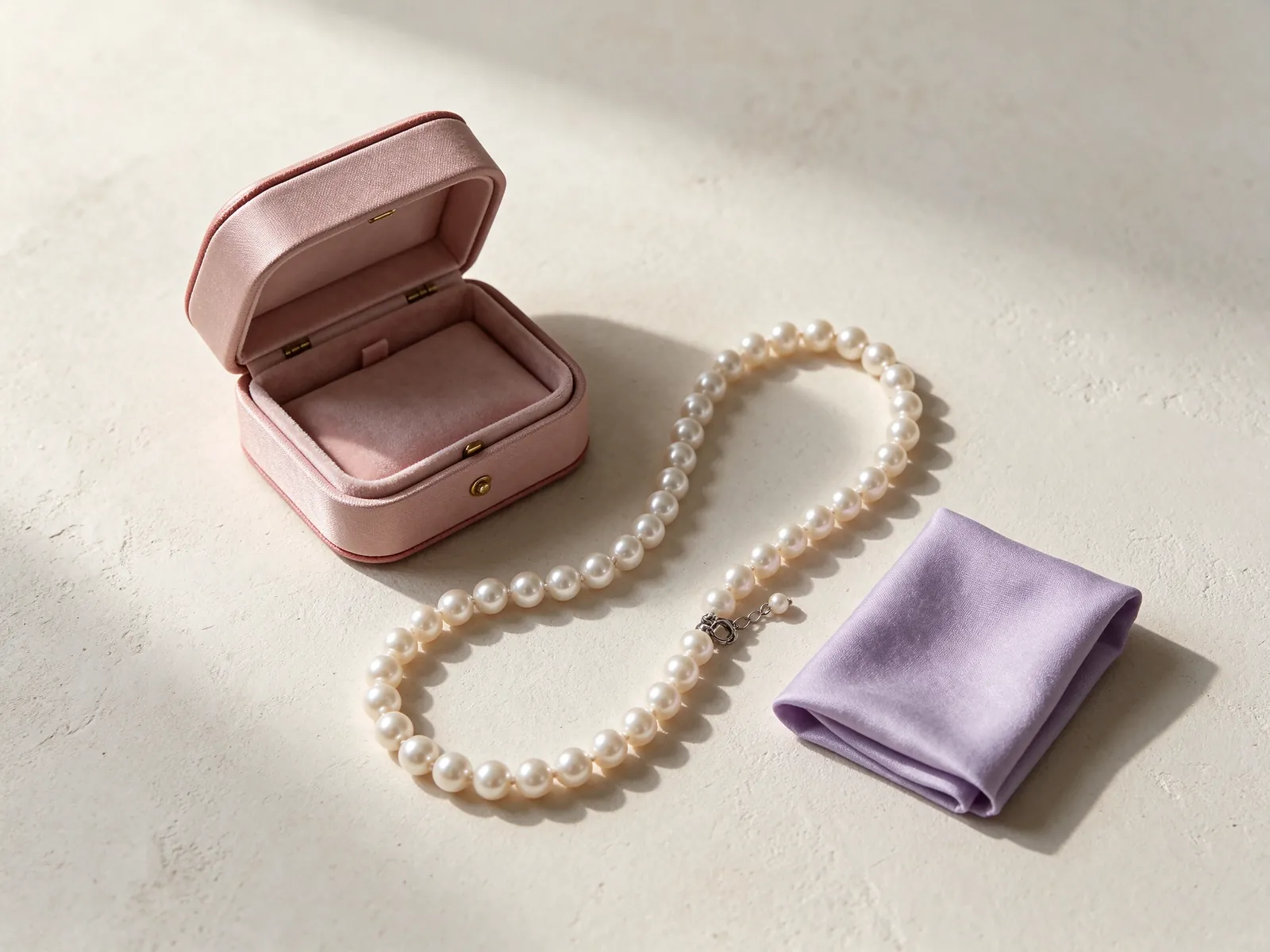
Include care and future use in the final decision
Care habits belong in a thoughtful purchase. GIA places pearl at 2.5 on the Mohs hardness scale, making it sensible to avoid rubbing pearls against other jewellery. After wearing, use a very soft, clean cloth and keep pearls away from perfume, hair spray, acids and excessive heat. Explain these habits simply when giving the gift. They are practical ways to look after the piece, not a promise that it will never show wear.
Never use ultrasonic or steam cleaners on pearls, and avoid prolonged soaking. The pearl care guide explains gentle handling, but cleaning must suit the whole piece, including string, adhesives, settings and metal. Occasional gentle pearl cleaning is not permission to immerse every design. If an appropriately cleaned strung piece becomes wet, its string must be completely dry before it is worn again. Ask about instructions and relevant service terms for the particular design. Stop wearing a piece with a loose pearl or a fastening concern and seek an assessment; do not assume a free repair, a turnaround time or a guaranteed result.
Prepare a concise brief for a useful conversation
Bring your total limit, the preferred form, usual clothing colours, occasion and two priorities to the discussion. You can explain those preferences to Flint Jewellery on WhatsApp, then consider a specific design and actual quotation. This keeps the conversation centred on an appropriate gift rather than a price target detached from the person who will wear it.
| Decision | Question to answer | Budget priority | Wearing consideration |
|---|---|---|---|
| Single piece or combination | Would every item be worn? | Keep the most useful piece first | Coordination with existing jewellery |
| Earrings or neckwear | Are ears pierced; what collars are usual? | Choose suitable form before decoration | Hair, neckline and necklace position |
| Pearl appearance | What differs in lustre, surface and matching? | Focus on the visible details you value | Proportion and colour in an outfit |
| Quotation contents | Are chain and requested extras included? | Compare confirmed complete totals | Fastenings and connections |
| Future care | How should the piece be cleaned and stored? | Understand relevant service terms | Avoid friction and unsuitable cleaning |
Pearl knowledge and authoritative references
GIA identifies seven pearl value factors: size, shape, colour, lustre, surface quality, nacre quality and matching. Matching applies to jewellery with two or more pearls; a gift comparison should consider more than size or price alone.
Read the reference for this factFrequently asked questions
Does a modest budget mean I should choose the smallest pearl?
Not necessarily. Start with a suitable jewellery form and compare the described qualities, including matching when the piece contains more than one pearl. Size is one of GIA's seven value factors. It cannot by itself identify a thoughtful gift or establish that a particular piece fits a particular budget.
Is a single piece less thoughtful than a matching set?
A single piece can be a better personal choice when it fits the recipient's routine. A set is useful only if its components would be worn. Explain why you chose that form or colour impression rather than increasing the number of pieces to communicate generosity.
What should I check first when two quotations differ substantially?
Check whether they describe the same form and include comparable contents, particularly chains, accessories and stated materials. Then compare the confirmed totals. A difference in scope can make headline figures misleading, so ask about unclear inclusions before ranking the choices by price.
How can I keep a surprise without knowing the recipient's ring size?
Do not guess a ring size from appearance. Discuss a suitable measuring approach or consider a jewellery form the recipient already wears comfortably. Earrings still require attention to pierced ears and fastening preferences, while neckwear needs thought about length and usual clothing.
Can an overseas gift guide's budget bands become my Hong Kong budget?
They can illustrate a way to organise a search, but they are not a required spending level or a local quotation. Currency, included contents and purchasing terms can differ. Set your own total ceiling and compare the actual information available for each choice.
Should a seller grade or a certificate persuade me to spend more?
Not on its own. Labels such as AAA are not globally standardised or universal GIA grades; ask for the seller's definition. If a report is offered, check its issuer, corresponding pearl details and testing scope. Identification or quality information does not determine price, resale value or service coverage. Compare those details with your wearing priorities and the complete quotation.
Updated: