
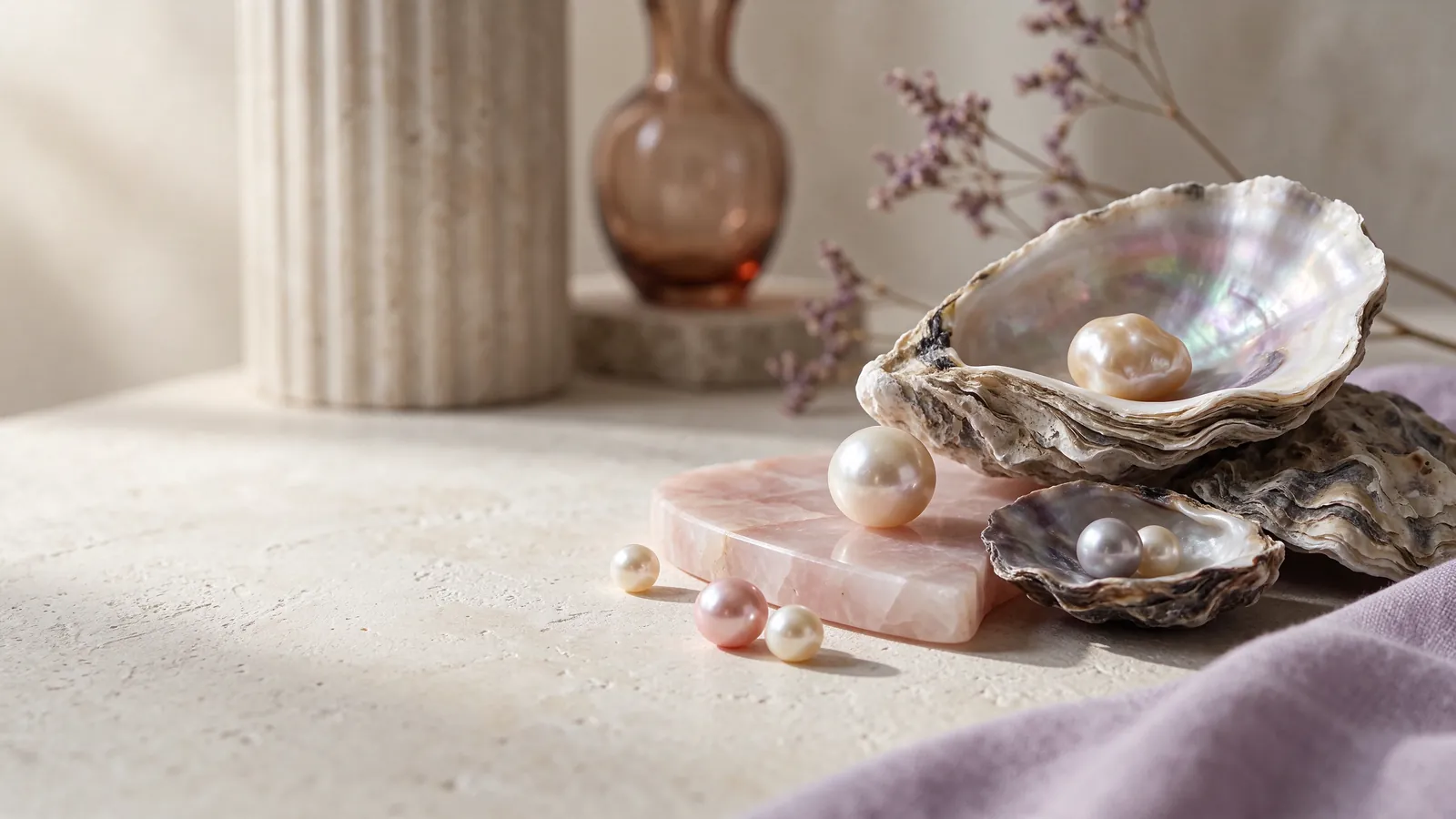
How does a Japanese Akoya pearl brooch or Akoya pearl pin suit your lapel and occasion?
Want to discuss how an Akoya pearl brooch might fit your wardrobe? Contact Flint Jewellery on WhatsApp +85260106207 with your usual lapel style and preferred outline to discuss proportions and fastening considerations.
Begin with a jacket you actually wear rather than an isolated close-up of a pearl. Notice the width of the lapel, its fold and the distance to pockets or prominent buttons. A directional outline can follow a lapel, while a compact arrangement needs enough clear fabric around it to remain legible. The broader pearl brooch guide is useful when deciding whether you want a quiet accent or a focal point before narrowing your comparison to Akoya.
For office clothing, consider how the brooch looks when you sit down and put on another layer. For an evening outfit, review the neckline alongside your necklace and earrings so the details do not compete. Neither pale fabric nor a dark jacket dictates a particular brooch size. Balance comes from the surrounding space. A paper outline can help you explore placement without making repeated holes in a garment while you are still comparing possibilities.
What should you consider about fabric and fastening when placing a Japanese Akoya pearl brooch or Akoya pearl pin?
Choose an area with enough support and room to reach the clasp. A flatter part of the lapel may be easier to assess than its turning edge, but the garment construction remains important. Delicate silk and loose knitwear need particular caution about punctures, snags and weight. Check where the pin point rests when closed, then view the outfit on your body: a brooch that appears straight on a hanger may lean forward when worn.

Separate the name from pearl origin and the identity of the piece
The phrase Japanese Akoya pearl brooch combines a pearl name with an origin description, but the individual piece still needs its own information. If you are asking what are Akoya pearls, start by understanding the name, then read pearl type, cultured identity and stated origin as separate details. A white appearance, a rounded outline or a Japanese-inspired motif does not establish those details by itself. Nor does the word pin tell you how the fastening operates. GIA notes that Akoya cultured pearls are produced in Japan and China, so the Akoya name alone does not establish Japanese origin; read the origin description for the individual piece.
Distinguish where a design was conceived from where its pearls originated and where the jewellery was made. These descriptions answer different questions. Ask for the pearl information separately from the construction information so an appealing title does not stand in for a quality assessment. Useful construction details include the overall outline, the back of the brooch and its clasp arrangement. Pearl descriptions should explain the individual piece rather than rely on a style name alone.
Use photographs for composition and documents for their stated scope
Front photographs help you see how much of the pearl is visible and whether the metalwork obscures it; back photographs help explain the pin layout. Lighting can change the impression of colour. If a testing document accompanies a piece, check which pearl or object it identifies and what the document actually describes. Do not treat a document title as an assurance about the clasp, garment compatibility or everyday durability.
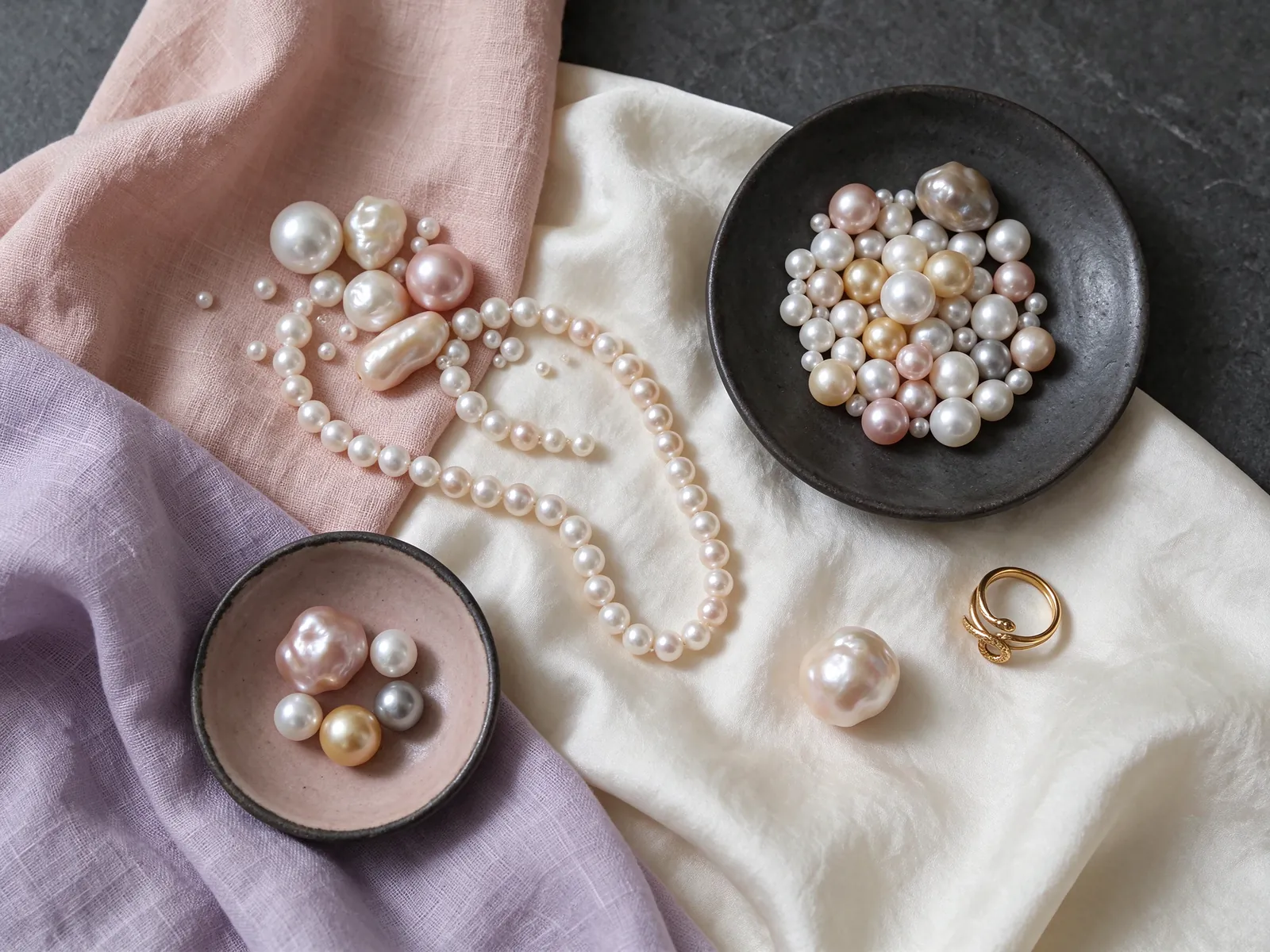
Assess lustre within the whole design, not just the brightest photograph
Look at reflection clarity and the transition between light and dark areas under comparable lighting. A bright background or strong light can make one photograph more striking without making it a fair comparison. Metalwork also changes the visible balance: a high surrounding outline can hide part of a pearl from the normal viewing angle. Consider the distance at which you will wear the brooch as well as what you can see in a close-up.
GIA describes seven pearl quality factors: size, shape, colour, lustre, surface quality, nacre quality and matching. This is a useful framework for questions, not a reason to make a judgement from a single feature. With one pearl, assess its relationship to the setting and outline. With several pearls, also consider how their colour, lustre and arrangement work together. Pearl diameter alone does not describe the dimensions, weight or balance of the finished brooch.
Ask where a surface feature is visible
Review the pearl from more than one angle. A feature at the centre of the visible face may affect your impression differently from one near the setting. Avoid interpreting every surface mark as damage, or expecting photographs to erase all natural-looking detail. Ask how the appearance is described and decide what you accept at a realistic viewing distance. A front photograph cannot provide a quantitative assessment of nacre quality.
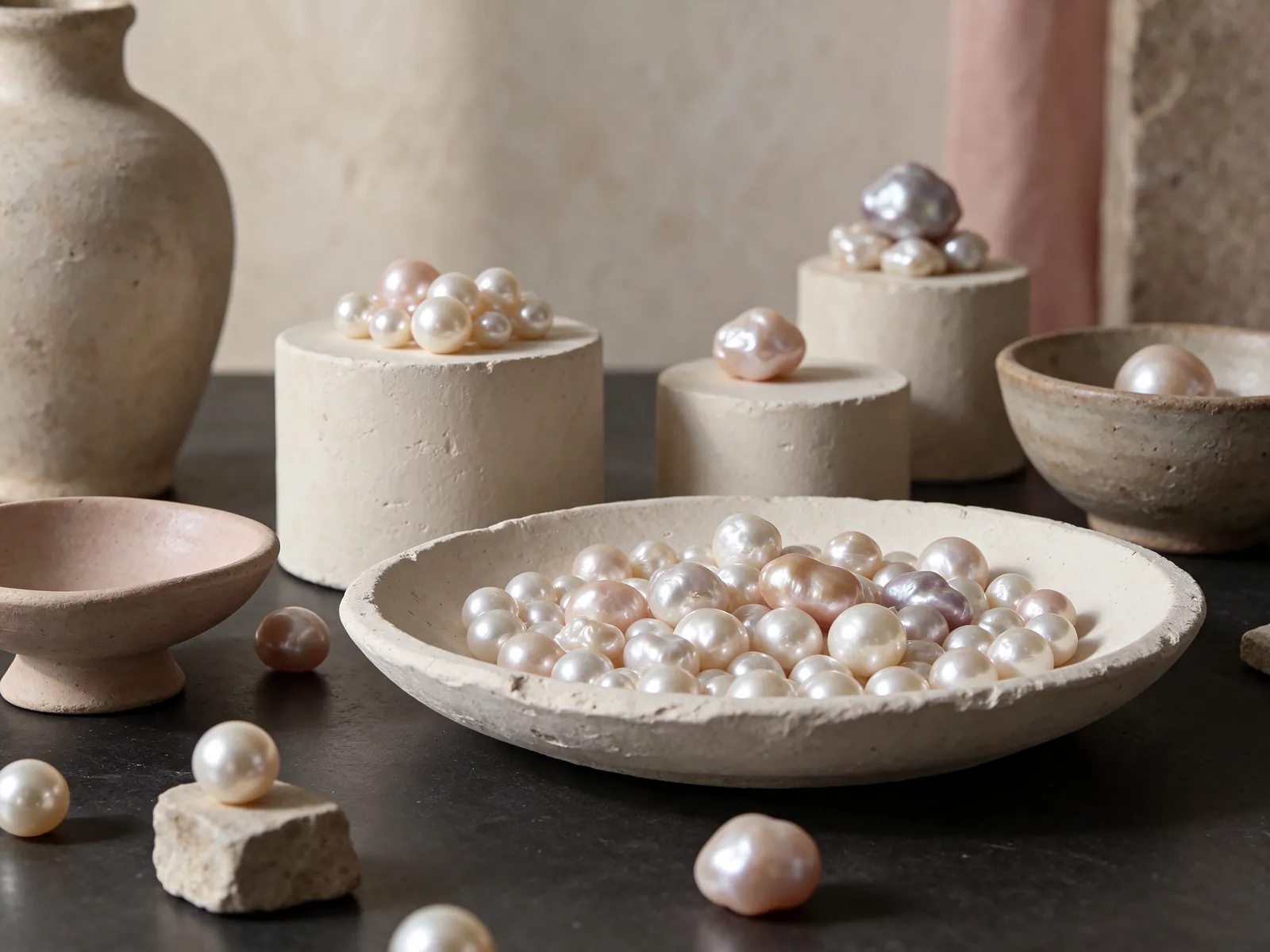
Compare silhouette and colour across brooch styles
Decide whether you prefer symmetry or an outline with a clear direction. Reading about a baroque pearl brooch can help you consider an irregular silhouette for an asymmetric neckline, but baroque describes shape rather than proving pearl type. A centred pearl and a pearl placed to one side create different focal points. Compare those compositional choices before assuming that a pearl name determines whether the finished design is formal, artistic or suitable for everyday wear.
A freshwater pearl brooch can be assessed with the same jacket and the same questions about outline, fastening and visual balance. This keeps the comparison practical rather than creating a hierarchy from names alone. Flower, animal and abstract designs also need enough room for their direction to read clearly. Notice whether the motif still makes sense if the brooch turns slightly, and whether you will be able to keep it aligned without stressing the cloth.
Test light and dark contrasts against your own wardrobe
For wardrobes built around ivory, grey or black, a Tahitian black pearl brooch is a useful related topic when exploring darker colour directions. Colour alone does not establish pearl identity. GIA distinguishes bodycolour, overtone and orient, and not every pearl displays all three. Start with the contrast against the garment, then examine subtler colour impressions. This keeps styling preferences separate from the written description of the particular pearl.
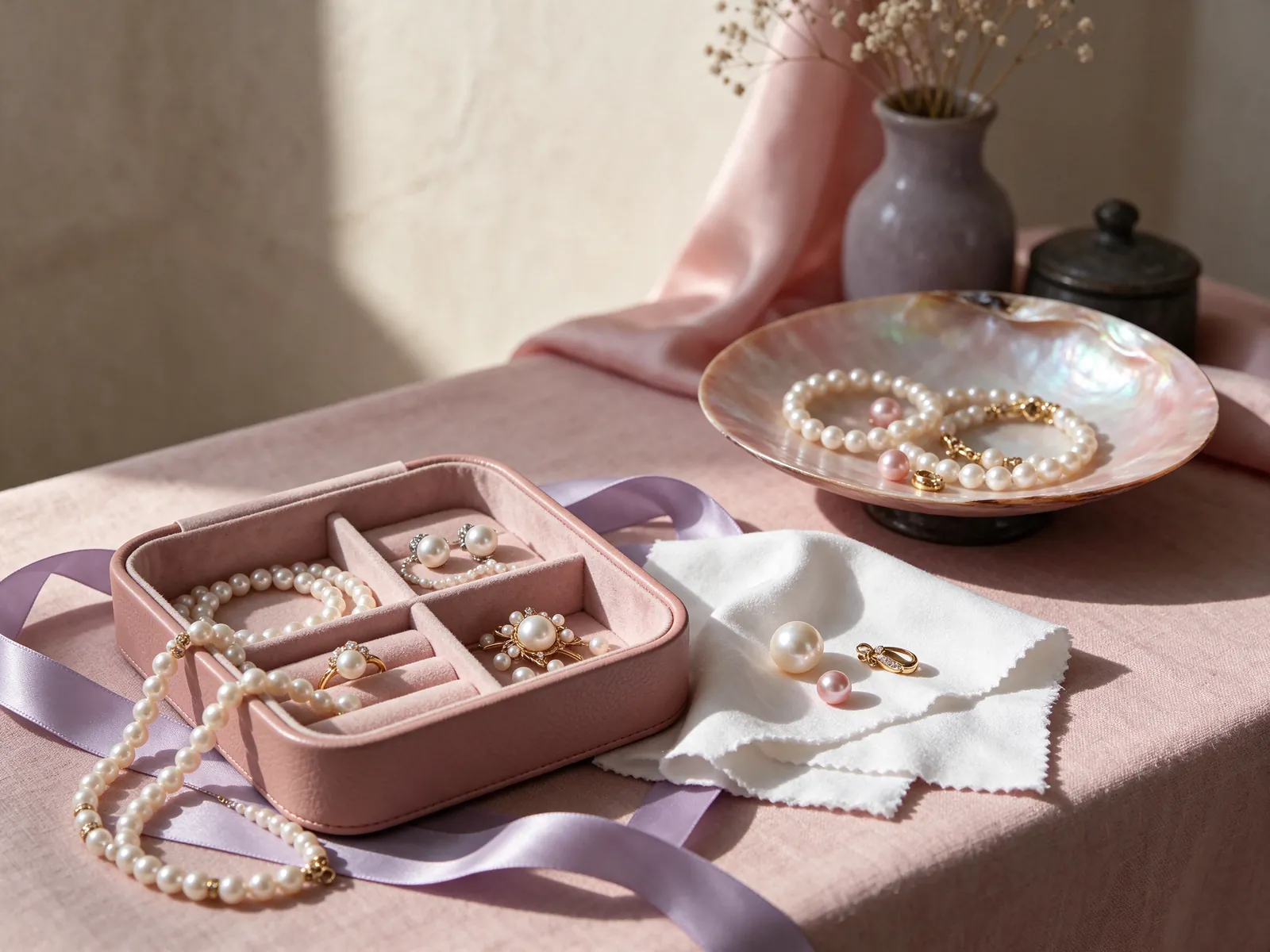
Inspect the back and rehearse the fastening movement
Before fastening, identify how the clasp opens instead of pulling at the fabric while looking for the mechanism. Support the metal body, not the pearl, during the movement. Once closed, check the pin point and gently move the garment to see whether the brooch leans or rotates. If the clasp needs unexpected force, stop and establish the correct operation. Front-facing elegance cannot tell you whether the back is convenient for your hands or wardrobe.
If you enjoy additional sparkle, the pearl and diamond brooch topic offers another way to think about focal points. Ask whether bright details frame the pearl or compete with it, while keeping the fastening assessment separate. Check for projections that could catch fine fabric, and think about the route taken by a handbag strap, seat belt or shawl. A position that looks attractive when standing still may be inconvenient when those items press across it.
Do not transfer a successful fitting from one fabric to another
A thick coat needs enough room for the pin and clasp to operate without pulling the cloth. A thin blouse needs attention to puncture marks and local sagging. Loose stitches may stretch or snag, so a more supportive jacket could be a better location. Ask about the finished weight and pin before testing delicate clothing. Do not add glue, alter the clasp yourself or assume a decorative brooch can safely take the load of holding a shawl closed. When comparing metal materials, check whether an individual piece specifies 18K 750 white gold, 18K 750 yellow gold, 18K 750 rose gold, PT950 platinum or PT900 platinum. A material name does not replace information about the pin, finished weight or fabric compatibility.
Make the shortlist useful, then plan gentle care
Record your usual garments, intended placement and other jewellery worn in the same outfit. Compare front and back views together rather than keeping only the most attractive photograph. For a first brooch, ease of styling and handling may matter more than covering every occasion. When choosing a gift, ask whether the recipient uses brooches and what fabrics they wear. Age and gender alone are less helpful than those specific habits for understanding their preferences.
GIA lists pearl at 2.5 on the Mohs hardness scale, so avoid rubbing the pearl against other jewellery during storage. Apply perfume and hair products before arranging the brooch, and wipe it with a very soft clean cloth after wearing. Never use ultrasonic or steam cleaning on pearls; avoid acids and excessive heat. Cleaning the metal does not mean the pearl can receive the same treatment. The construction of the complete piece should guide any further cleaning advice.
Prepare a focused selection conversation
A photograph of the lapel, a preferred silhouette and a note about your fabric concerns make a useful starting point. You do not need to share personal event details to explain an outfit. Ask about name interpretation, proportion and clasp handling rather than simply requesting the best brooch. Keep the final decision tied to information about the individual piece and how it fits your clothing, not to an attractive category title. Contact Flint Jewellery on WhatsApp +85260106207 with a lapel photograph and your main wearing questions to discuss an Akoya pearl brooch selection.
| Comparison | What to observe | Wardrobe consideration | Question to ask |
|---|---|---|---|
| Outline | Pearl position within the whole shape | Leave room beside buttons and pockets | Are front and side views available? |
| Pearl appearance | Lustre and surface under similar light | Compare against both light and dark clothes | How are pearl type and colour described? |
| Fastening | Opening direction and closed pin point | Allow access for your fingers | How should the clasp be operated? |
| Fabric support | Sagging, stretching and snag risk | Assess coats and delicate tops separately | What are the weight and pin details? |
| Care | Contact with other jewellery and straps | Avoid repeated rubbing in the chosen position | What care suits the complete construction? |
Pearl knowledge and authoritative references
GIA lists seven pearl quality factors: size, shape, colour, lustre, surface quality, nacre quality and matching. When comparing an Akoya pearl brooch, assess a single pearl within its design and consider harmony among multiple pearls. This is a general assessment framework, not a grade or certification for any individual piece.
Read the reference for this factFrequently asked questions
Does Japanese in the title establish where every part was made?
No. Pearl origin, the location of design work and jewellery manufacture are separate descriptions. Read the information for the individual piece and do not infer any of these locations from a motif or the brand's address.
How can I judge the outline before pinning it to a jacket?
Ask for the overall dimensions and use a paper outline to compare space beside the lapel, buttons and pocket. This helps with visual proportion, but does not test weight, fastening or fabric compatibility.
Can I wear a brooch at the fold of a lapel?
A turning edge may make alignment and access to the clasp awkward. Assess a flatter, supportive area first and check the garment while wearing it. The best position depends on both the lapel construction and the particular brooch.
Should all the pearls in a multi-pearl brooch look identical?
Look for an arrangement you find coherent rather than assuming every design requires identical-looking pearls. GIA includes matching among its quality factors. Consider colour, lustre and placement together, and ask how the intended arrangement is described.
Can I polish the pearl when cleaning the metal?
Do not apply a metal polishing method to the pearl without guidance for the whole piece. GIA recommends a very soft clean cloth after wearing and prohibits ultrasonic and steam cleaning for pearls. Keep abrasive products away from the pearl surface.
Updated: