

How should a platinum pearl pendant sit with your everyday wardrobe, whether a PT900 pearl pendant or a PT950 pearl pendant?
A useful starting point is the space your everyday clothes leave around a pendant. A plain shirt, a crew-neck knit and an open blouse each frame the same outline differently. Look at the pearl, the detail above it and the chain as one arrangement. A quiet daily focal point usually benefits from a clear background; a more expressive look can give the pendant greater visual emphasis while keeping other neckline details restrained.
Before deciding between a PT900 pearl pendant and a PT950 pearl pendant, identify what you want to notice first: the pearl's flowing edge, a crisp upper detail or the overall vertical line. Metal names cannot settle those preferences. If you already wear a particular ring, watch or pair of earrings, the single pearl pendant guide can help you consider how one focal point accompanies those tones and shapes.
How can neckline and chain choices frame a platinum pearl pendant, whether a PT900 pearl pendant or a PT950 pearl pendant?
With a V-neck, consider whether the chain continues the neckline's direction. With a round neck, avoid an uncertain position directly on the fabric edge. For a shirt, use the button opening you actually wear. Think about sitting and turning as well as a still front view: the pendant needs a considered place in your daily outfit.

Bring PT900 and PT950 into a complete design conversation
PT900 and PT950 are platinum material options to discuss with Flint Jewellery. The customisation material options are 18K 750 white gold, 18K 750 yellow gold, 18K 750 rose gold, PT950 platinum and PT900 platinum; this page focuses on the platinum direction. The practical conversation is broader than choosing a label: it includes the pendant outline, its connection, the chain pairing and your preferred balance of pearl and metal detail. If fine lines appeal to you, explain which areas should remain visually quiet. If you prefer a distinct accent above the pearl, describe how much attention that detail should receive.
An 18K gold pearl pendant is another useful styling direction to consider when you have not settled on a metal tone. Compare the idea against your own wardrobe rather than assuming one choice suits every occasion. Dark tailoring, soft neutrals and patterned blouses can ask different things of a pendant. Separate the silhouette you like from the material you wish to discuss, and from whether you hope to use an existing chain.
Describe the habits you want the design to accommodate
Mention whether you wear scarves, prefer jewellery inside a collar or regularly layer necklaces. If an existing chain is part of the idea, clear photographs of its end and clasp are more helpful than a description of its colour alone. The connection and overall arrangement deserve attention alongside the chosen pendant material.

Read proportion through the Tide · Stillwater Necklace
The Flint Tide · Stillwater Necklace places a round bezel-set diamond above a white baroque pearl. Its contrast is easy to describe: an asymmetric, softly undulating outline below a clearly defined circular point of light. This arrangement offers a way to discuss proportion for a platinum pendant design. You might want the pearl contour to lead, or prefer a stronger visual relationship between the pearl and the upper detail.
The listed details for Tide · Stillwater are diamonds of 0.03ct, a white baroque pearl approximately 7–8mm and a chain length of 45 centimetres. They describe that design, not a standard specification for every platinum pendant. Its outline and arrangement inform the conversation; a platinum material direction is discussed separately. When comparing images, remember that a close view reveals texture but does not show the same styling balance as the whole neckline.
Observe an irregular pearl from more than one angle
Look for the side contour you enjoy, then consider its relationship to the front view. GIA identifies seven pearl quality factors: size, shape, colour, lustre, surface quality, nacre quality and matching. For a single pendant, keep your outline preference separate from observations about lustre and surface appearance; when pairing it with other pearl jewellery, consider their visual coordination too. Shape is only one factor, and this framework is not a certificate or grade for an individual piece.

Consider the chain connection as well as its drape
A chain length does not create the same pendant position on every wearer. Neck proportions, the pendant's own drop and the neckline all change the result. The 45-centimetre length listed for Tide · Stillwater is information about that design, not a universal fitting rule. A useful comparison is a necklace you already find comfortable: note whether it sits inside your collar, against bare skin or over clothing, and explain what you like about that position.
If you own a chain marked PT850, the PT850 pearl pendant necklace comparison can help you organise questions about an existing piece. Read its marking separately from the proposed pendant material. Whether components work together also involves the chain end, clasp, pendant opening and movement. For the platinum design discussed on this page, the material conversation concerns PT900 and PT950; a chain marking alone cannot resolve the complete pairing.
Leave the pearl a clear place when layering
Try a visible separation between necklace levels rather than placing two pendants at the same point. Watch for crossing chains and contact between details when you move. A second chain without a pendant may give the composition enough interest. The aim is an intelligible focal point, not simply a greater number of pieces.
Compare flowing lines with a recognisable motif
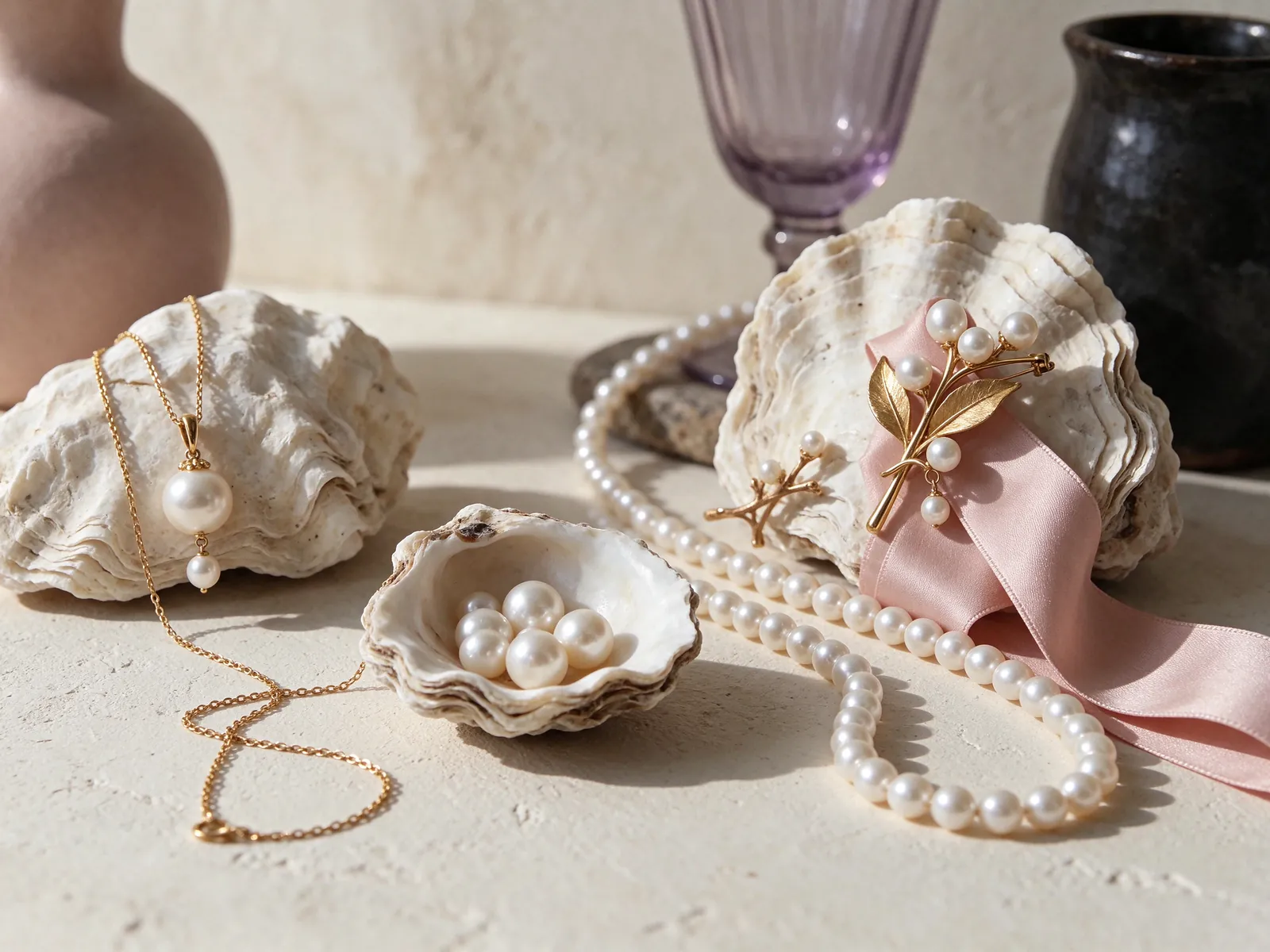
A preference for a platinum pearl pendant does not determine the silhouette you will enjoy. A ribbon pearl pendant can prompt questions about flowing lines and how they lead towards the pearl. A flower pearl pendant offers a different conversation about a recognisable motif and its place beside the pearl. Consider each direction with the same familiar outfit so that a change in background does not obscure the design choice.
If your search began with a silver pearl pendant, distinguish an interest in a white-metal appearance from an interest in a particular outline. Those are separate decisions. Similar-looking tones in a photograph do not establish the same material or connection details. Use the comparison to clarify what attracted you, then discuss the silhouette and the actual material options on their own terms rather than treating visually similar pieces as interchangeable.
Use one plain top as your visual baseline
A dark plain top makes the white pearl outline easier to distinguish; a pale top may draw attention towards texture and the upper point of light. Pattern and folds can interrupt that outline. Start with one familiar, simple garment, then test a busier background after you have identified the design features that matter to you.
Turn your customisation idea into a useful brief
For a conversation with Flint Jewellery, begin with the neckline you wear most, the position you prefer and the pearl contour that interests you. If an existing necklace feels right, explain why: its position, the way it accompanies a shirt or its restrained appearance. These observations give more direction than a request for elegance alone. Elegance might mean a nearly uninterrupted line to one person and a distinct bright accent to another.
For a gift, observe whether the recipient wears necklaces regularly and whether they favour plain clothes or decorative necklines. Consider if they tend to tuck jewellery inside a collar or display it over a garment. You can express the mood you hope to give without guessing their ideal chain length. Any specific material concern should be discussed directly rather than assuming the word platinum guarantees comfort in every individual circumstance.
Choose photographs that explain your question
A front view of an everyday neckline can communicate your preferred placement; a clear view of an existing chain end can support a connection question. Point out the lines you like rather than trying to identify a pearl or metal from an image. With those preferences ready, discuss your PT900 or PT950 direction with Flint on WhatsApp.

Care for the pearl, not just the platinum setting
A pendant with a pearl requires a cleaning approach that considers more than its metal parts. GIA gives pearl a Mohs hardness of 2.5 and states that pearls should never be cleaned with ultrasonic or steam cleaners. After wearing, gently wipe the pearl with a very soft, clean cloth. Keep the necklace apart from items that could rub or scratch it rather than placing several metal pieces directly against the pearl.
Avoid contact with perfume, hair spray, acids and excessive heat. Finish fragrance and hair preparations before putting on the pendant, and remove it before handling household cleaning products. If a connection, clasp or pearl attachment looks unusual, do not test it by pulling or attempt to glue it yourself. Stop wearing it and describe the concern. This gives a clearer starting point for advice without adding unnecessary movement or contact.
Keep the chain organised during storage
Straighten the chain before putting the necklace away so that it does not gather with other pendants against the pearl. For travel, use a separate soft storage space to reduce tangling and rubbing. If you seek cleaning advice for the metal, make clear that the jewellery also contains a pearl before any whole-piece cleaning method is considered. Ready to explore how these preferences could shape your platinum pendant design? Discuss your PT900 or PT950 direction with Flint Jewellery on WhatsApp at +85260106207.
| Decision | What to observe | Wearing context | What to bring | Useful question |
|---|---|---|---|---|
| PT900 or PT950 | The complete design rather than the label alone | Existing jewellery tones | A description of regularly worn pieces | Which parts are included in the material discussion? |
| Pearl outline | The front view and flowing side contour | Plain or patterned clothing | The contour that appeals to you | Should the pearl or upper detail lead visually? |
| Pendant placement | Its relationship to the neckline edge | Shirts, V-necks and round necks | A familiar necklace and neckline photograph | Does movement change the intended position? |
| Chain connection | Chain end, clasp and pendant opening | Using an existing chain | Clear connection photographs | Should the complete pairing be discussed together? |
| Pearl care | Cleaning methods suitable for the pearl | Daily wear and travel | Your storage and wearing habits | Can rubbing, tangling and chemical contact be reduced? |
Pearl knowledge and authoritative references
GIA identifies seven pearl quality factors: size, shape, colour, lustre, surface quality, nacre quality and matching. Shape is only one consideration for a platinum pearl pendant; a metal name or an outline photograph does not replace quality information about the individual pearl.
Read the reference for this factFrequently asked questions
Is Tide · Stillwater presented here as a PT900 or PT950 necklace?
It is used to explain the visual relationship between a white baroque pearl, the round bezel-set diamond above it and a fine chain. This page does not assign that necklace an existing PT900 or PT950 configuration. A platinum material direction and chain pairing are separate topics to discuss with Flint.
Will a 45-centimetre chain sit as it does in a photograph?
Not necessarily. Neck proportions, the pendant's drop and clothing change the position. Use a necklace you already wear comfortably to describe the placement you prefer, and include the chain end and clasp when discussing a possible pairing.
Can an asymmetric pearl work with office clothes?
Consider the whole neckline rather than assigning the outline to a single occasion. A plain shirt can give an irregular pearl a clear focal point. On a detailed blouse, check whether the pearl's contour remains visible and whether other accessories compete with it.
Can the marking on my existing PT850 chain decide the pendant choice?
A marking does not establish how the chain end, clasp and pendant opening will work together. Share those details and your wearing preferences. The platinum material options discussed on this page are PT900 and PT950, with the complete connection considered separately.
Does a platinum setting make ultrasonic cleaning suitable for the pearl?
No. GIA states that pearls should never be cleaned with ultrasonic or steam cleaners. A cleaning method used for a metal component must not be applied automatically to the whole pearl pendant. Routine care includes gentle wiping with a very soft, clean cloth.
Updated: