

When a 10K gold pearl pendant is called a K10 pearl pendant or a 10 karat gold pearl pendant, what should the description clarify?
Start with three separate questions: which components carry the stated metal description, what is said about the pearl, and what is included with the purchase. A 10K gold pearl pendant title may be brief enough to leave the chain or clasp unexplained. The wording K10 pearl pendant or 10 karat gold pearl pendant does not, by itself, tell you whether the pendant is removable or whether every component has the same material description.
K10, 10K and 10 karat are forms of wording encountered in gold jewellery descriptions; their order is not a substitute for a component list. Put the pendant top, chain and fastening details beside one another before comparing appearances. The 18K gold pearl pendant guide provides a related material comparison while keeping pearl information and chain configuration separate, so a short title does not become your only basis for a decision.
For a 10K gold pearl pendant labelled a K10 pearl pendant or a 10 karat gold pearl pendant, is the chain included?
Do not treat a chain in a photograph as confirmation that it is included. Look for a clear distinction between a pendant top and a pendant supplied with a chain, followed by chain length and adjustment details. If you intend to use your own chain, compare the bail opening with the largest end fitting, not merely the width of the chain itself.

Read white and yellow colour descriptions alongside the metal name
White-looking jewellery needs particularly careful reading when descriptions move between Chinese and English. The Chinese expression often translated as white gold can also be used colloquially for platinum, so the complete metal designation matters. White gold and platinum should not be treated as interchangeable because they look similar in a photograph. A colour description helps with styling, but it cannot identify the metal on its own.
For a wardrobe comparison, place the pendant colour beside the accessories you already wear: spectacle frames, earrings, a watch or a belt buckle. Warm and cool combinations are styling choices rather than rules about skin tone. If you are comparing other pale metal names, the silver pearl pendant guide is useful for keeping appearance separate from material identification and for checking which component each description actually covers.
Compare under similar lighting rather than judging one image
Warm indoor light can change the apparent relationship between a pearl and its setting. Daylight may show a different balance, while backgrounds can influence how bright the metal appears. Compare images with similar lighting where possible, and separate the pearl's bodycolour from any visible overtone. Metal colour and pearl colour are connected visually, but they remain different pieces of information.
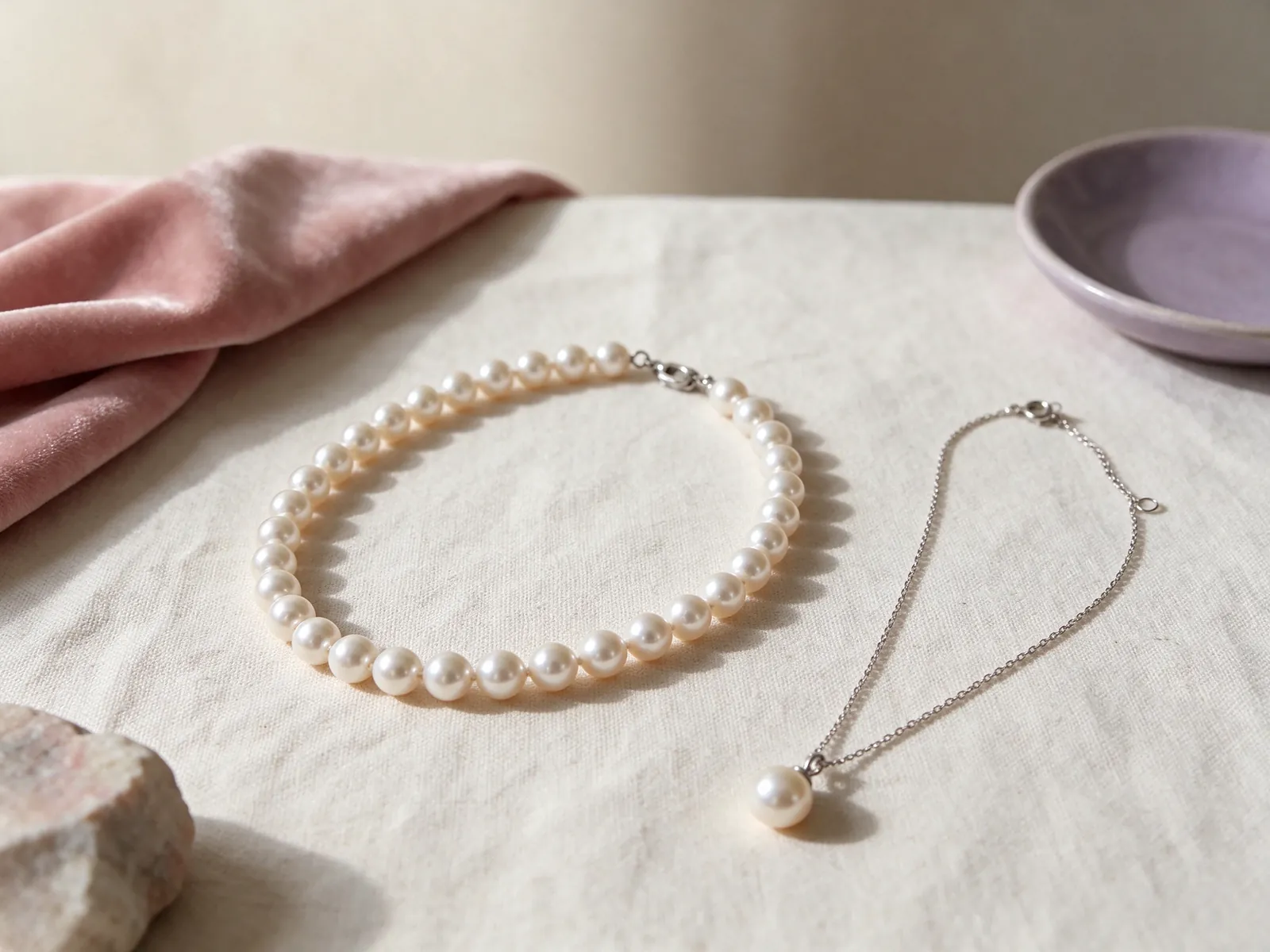
Keep pearl quality information independent of the K10 wording
A metal label cannot establish pearl identity, origin, natural-versus-cultured status or grade. GIA describes seven pearl value factors: size, shape, colour, lustre, surface quality, nacre quality and matching. For a single pendant, start with the silhouette and the way reflections appear, then consider visible surface characteristics. These questions are more informative than treating the gold wording as a quality rating for the whole piece.
Photographs help you understand the design, but lighting and focus can change the apparent lustre and colour. Front, side and back views can also reveal which surfaces face outward and how the pearl meets the metal. Record the seller's pearl information separately from the setting information. A round outline or a pale colour is not enough to infer a particular pearl type or a certificate.
Matching matters when the pendant joins existing earrings
A single pearl does not have the arrangement of a strand, yet it may still need to work with earrings you own. Compare bodycolour, visible overtone, outline and lustre as a visual relationship, not as proof of shared origin. You can choose coordination or a deliberate contrast: understated earrings may leave the pendant as the focal point, while stronger earrings can suit a simpler pendant silhouette.
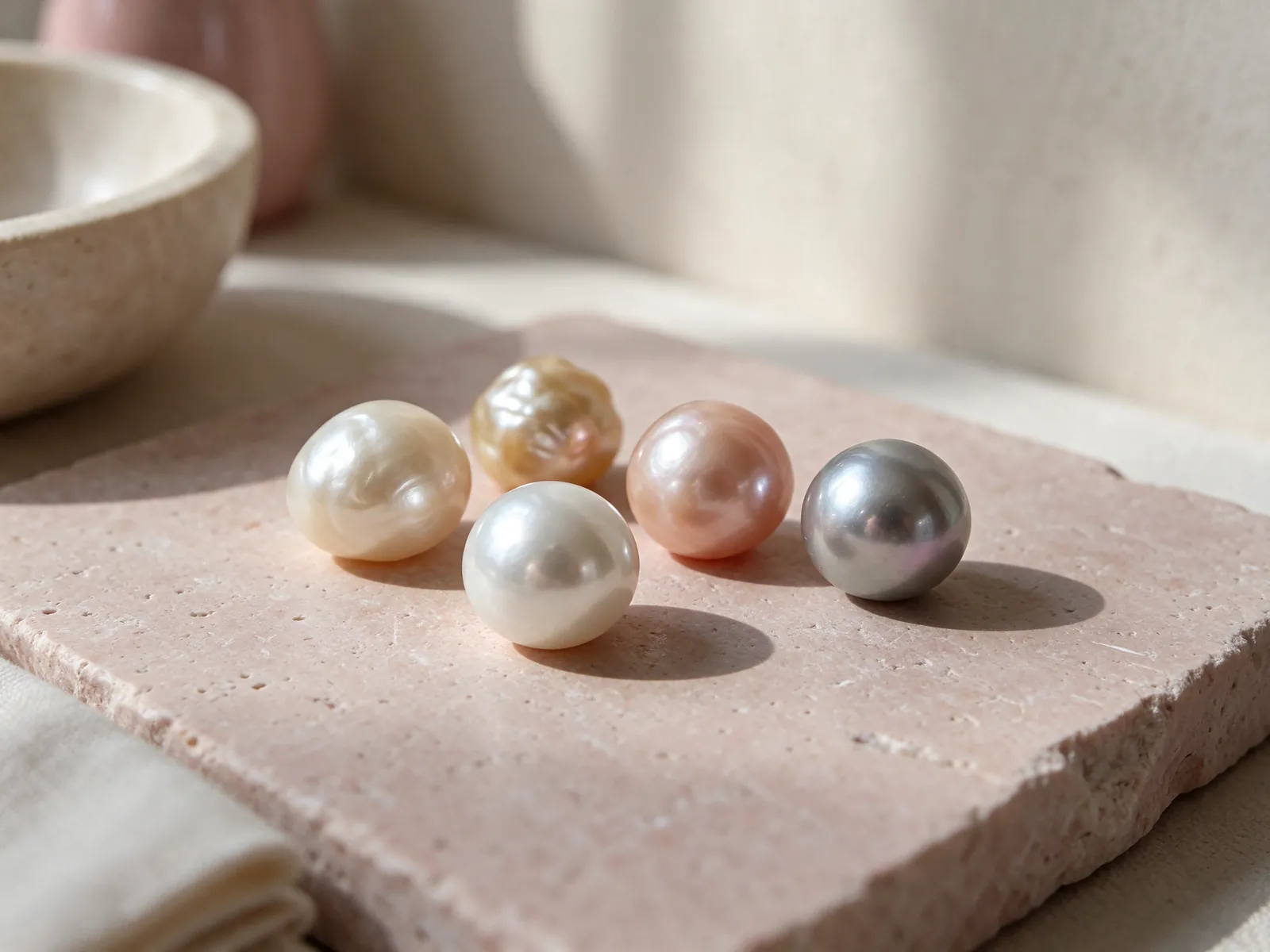
Check the chain and pendant as a working combination
A chain passing through the bail is only the first compatibility check. The pendant's balance, the direction of its connector and the chain's shape can affect whether it turns or sits neatly. Look at how the pendant faces when worn, not only when laid flat. Before planning a replacement chain, establish whether the connection actually allows removal rather than assuming that every visible loop opens.
The PT850 pearl pendant necklace comparison highlights a related reading issue: a chain's metal designation should not automatically be transferred to the pendant top or clasp. Keep those descriptions separate, then consider the practical fastening. For someone wearing shirts regularly, the pendant's position near buttons may matter more than the short material label; for layering, chain interaction and movement deserve equal attention.
Use your own neckline to test the intended position
A soft ribbon can help you visualise a preferred necklace position against a familiar top before comparing chain measurements. This is a proportion exercise, not a strength test. During a fitting, gently turn, sit and lean to notice whether the pendant catches a button or disappears under fabric. Also check whether you can comfortably operate the clasp without straining the chain.
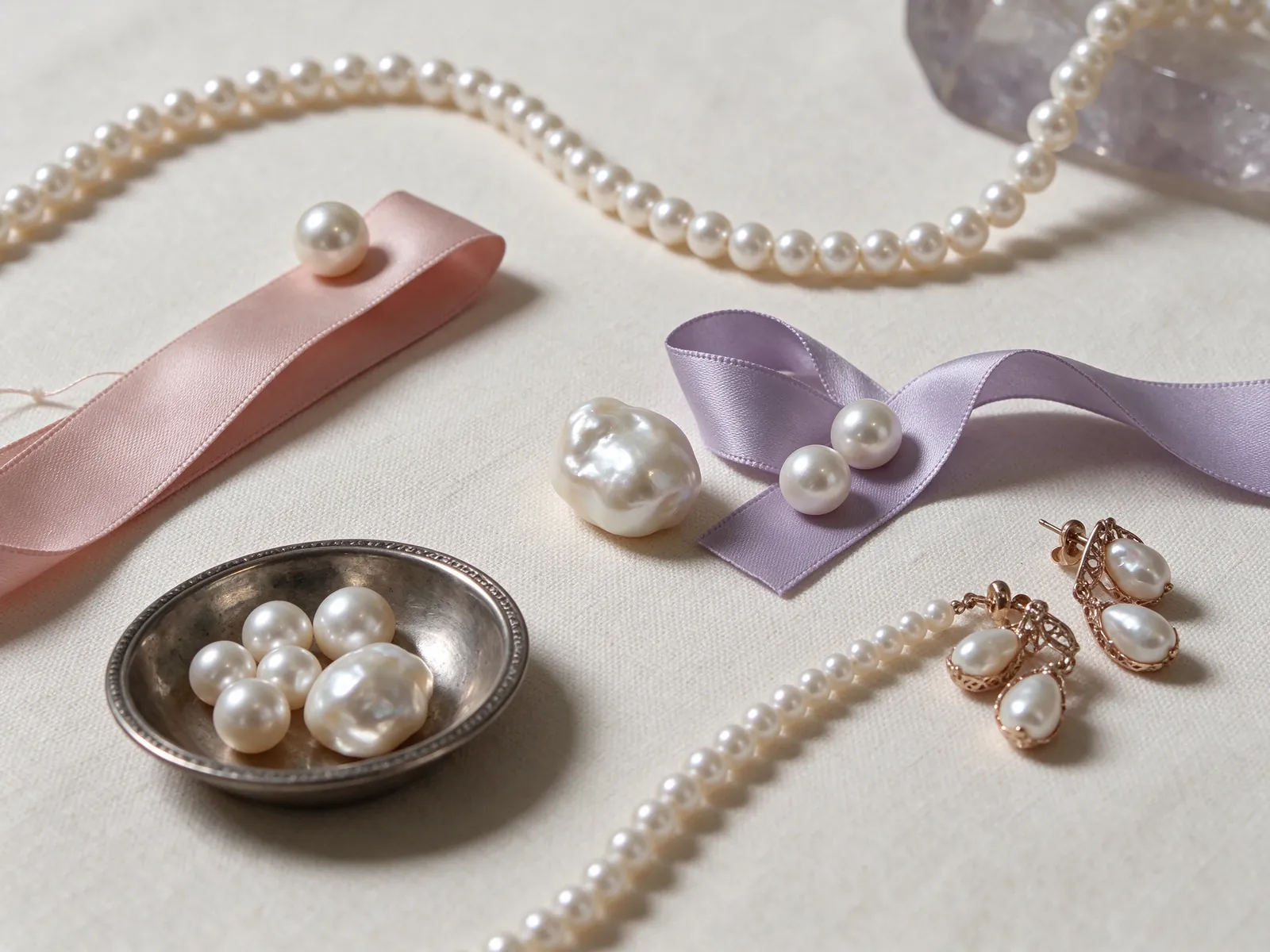
Choose a silhouette that works with your clothes
A compact pendant can be effective against a plain shirt, but the same outline may become less distinct against a heavily textured knit. The dainty pearl pendant guide helps you think about restrained proportions without assuming that smaller always means more suitable. Consider the space between the pendant and the neckline, as well as whether fabric will partly cover the pearl during ordinary movement.
If the surrounding shape matters as much as the pearl, a crescent moon pearl pendant offers a useful way to think about direction, curves and negative space. A pearl and sapphire pendant raises a different styling question: how two visual accents share attention. Neither shape nor an additional gemstone follows automatically from a K10 label. Decide on your preferred outline first, then read the material and pearl information independently.
Leave room between layered pieces
For layering, decide which piece should lead and place the other chain at a different position. Overlapping pendants can obscure the pearl and increase contact between surfaces. Start with a simple chain without another pendant, then watch whether the chains twist during movement. If earrings, spectacles and clothing patterns already make a strong statement, fewer necklace layers may give the pearl a clearer role.

Pearl care remains important whatever the metal wording
GIA ranks pearl at 2.5 on the Mohs hardness scale and states that pearls should never be cleaned in ultrasonic or steam cleaners. The number is a useful reminder about handling, not a prediction of a pendant's service life. A substantial-looking setting does not make the entire piece suitable for a cleaning method intended only for metal jewellery.
After wearing, use a very soft, clean cloth to wipe the pearl gently. Keep perfume, hair spray, acids and excessive heat away from it, and finish your grooming routine before putting the pendant on. Store the piece separately from harder jewellery and arrange the chain without pulling on the connection. The K10 wording is not a waterproof statement and should not be used to justify prolonged soaking.
Stop wearing a piece when its connection changes
If the clasp stops closing normally, the pendant begins turning unexpectedly, or the pearl moves unusually at its connection, remove the piece and keep it safely apart. Avoid twisting the pearl, adding household glue or using a cleaning machine to address the problem. Clear photographs and a description of the change can help a jewellery professional understand the issue before deciding how the structure should be handled.
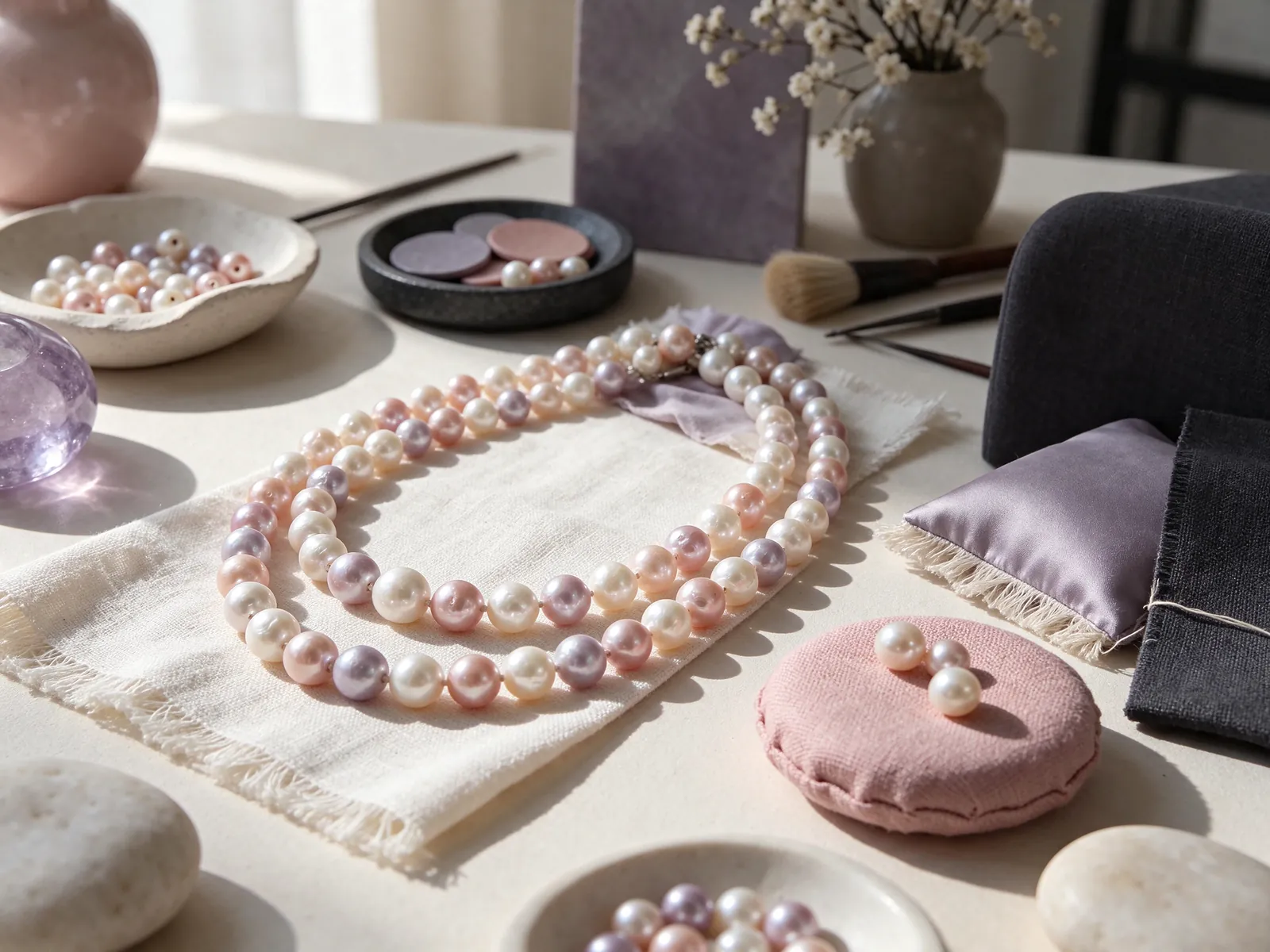
Turn gift preferences into practical comparison questions
For a gift, consider the recipient's usual neckline, necklace position and preference for a pearl-led or metal-led design. If they plan to use a chain they already own, obtain information about its end fittings rather than remembering only its colour. Clasp access and willingness to follow pearl care are also part of suitability. These details make a more useful starting point than the K10 title alone.
Keep each complete description, included-component list and chain detail together, then note your wearing priorities. Flint Jewellery's material choices are 18K 750 white gold, 18K 750 yellow gold, 18K 750 rose gold, PT950 platinum and PT900 platinum. For a discussion along those directions, bring your neckline and chain preferences rather than treating a K10 search phrase as a material request for Flint.
Separate essential requirements from flexible styling preferences
Narrow the comparison with three practical questions: do you need a chain included, does the pendant sit well with your clothes, and does its care fit your routine? If two pieces look similar, return to clasp operation, removability and compatibility with existing accessories. Distinguishing essential needs from flexible aesthetic preferences helps you understand the purchase contents and makes a later design discussion more focused. To discuss a design direction that suits your neckline and chain preferences, contact Flint Jewellery on WhatsApp +85260106207 about 18K 750 white gold, 18K 750 yellow gold, 18K 750 rose gold, PT950 platinum or PT900 platinum.
| Comparison point | Read in the description | Wearing implication | Avoid assuming |
|---|---|---|---|
| Included components | Separate details for pendant top, chain and clasp | Whether an existing chain can be used | A photographed chain is included |
| White metal wording | Complete metal designation and translated name | Colour coordination with existing accessories | A white appearance identifies platinum |
| Pearl information | Size, shape, colour, lustre and surface details | Proportion and visual focus | K10 establishes pearl identity or grade |
| Chain compatibility | Bail opening, end fittings and removal arrangement | Whether the pendant fits and faces correctly | Chain width alone settles compatibility |
| Cleaning approach | A method suitable for pearl and its connection | No ultrasonic or steam cleaning for the pearl | The metal name defines care for the whole piece |
Pearl knowledge and authoritative references
GIA describes seven pearl value factors: size, shape, colour, lustre, surface quality, nacre quality and matching across pearls. These help keep pearl information separate from the K10 metal wording; they are not a grade or certification for a Flint design.
Read the reference for this factFrequently asked questions
Does a K10 pearl pendant title mean a chain is included?
No. Read the included components separately and distinguish a pendant top from a pendant supplied with a chain. A photograph is not enough to establish the purchase contents; chain length, adjustment and clasp details should also be clear.
Can a white-looking K10 pendant be assumed to be platinum?
No. Appearance and a shortened translated name cannot identify the metal. Read the complete designation and distinguish white gold from platinum rather than treating the two terms as interchangeable.
Will a fine chain always fit through a pendant bail?
Not necessarily. The largest end fitting or clasp may be wider than the chain itself. Compare that fitting with the bail opening and establish whether the pendant can be removed, then consider balance and orientation during wear.
Does the gold wording establish the pearl's grade?
No. A metal name does not establish pearl identity, origin or grade. Read pearl information independently, and do not infer a pearl type or certification from a round outline, pale colour or attractive photograph.
What should I bring to a Flint Jewellery discussion?
Bring your preferred neckline position, whether you need a chain and details of accessories you want to coordinate. Material discussions concern 18K 750 white, yellow or rose gold, and PT950 or PT900 platinum; K10 wording belongs to the descriptive comparison on this page.
Updated: