

When a 10K gold pearl pendant is called a K10 pearl pendant or a 10 karat gold pearl pendant, what should the description clarify?
Read a pendant description in layers rather than expecting the title to answer everything. First identify the metal wording attached to each component; next read the pearl information; finally check the purchase contents. A 10K gold pearl pendant title may not explain the clasp or chain. Calling it a K10 pearl pendant or a 10 karat gold pearl pendant also does not establish whether the pendant is removable.
K10, 10K and 10 karat are word forms encountered in gold jewelry descriptions, but their arrangement does not tell you how the necklace is assembled. A simple component comparison is more useful: pendant top, chain, end fittings and clasp. The 18K gold pearl pendant guide offers a related material comparison while keeping pearl information and included components separate, before you decide which appearance suits your wardrobe or existing accessories.
For a 10K gold pearl pendant labeled a K10 pearl pendant or a 10 karat gold pearl pendant, is the chain included?
Look for explicit wording about a pendant top versus a pendant with a chain. A styled photograph may show how the piece can be worn without establishing what comes with it. If a chain is included, read its length, adjustment and clasp information. If you will supply your own, check whether the chain's largest end fitting can pass through the pendant's bail.

Separate white metal appearance from material identification
Color is useful for styling, but it is not enough to identify a metal. This distinction matters when comparing listings translated from Chinese, where shortened white-metal wording can be ambiguous. Read the full English metal name and designation together. White gold and platinum are not interchangeable labels, even when photographs make their colors appear similar. Do not let a pale image stand in for a complete material description.
For a visual comparison, consider the pieces you regularly wear near your face: earrings, eyeglass frames and necklace layers. You might prefer a warm metal accent with cream clothing or a cooler accent with gray, but these are options rather than fixed rules. The silver pearl pendant comparison offers another way to distinguish a white-looking design from the particular material named for its pendant, chain or clasp.
Use consistent light when comparing colors
An indoor lamp and a window can give the same pendant a different apparent warmth. Background color and camera exposure may also change the relationship between the pearl and its setting. When comparing photographs, seek similar lighting and notice the pearl's bodycolor separately from any overtone. This keeps your color preference grounded in the overall design without turning an image into a material test.

Read pearl quality as its own part of the listing
K10 wording describes a metal-related naming question, not the pearl's identity or quality. GIA identifies seven pearl value factors: size, shape, color, luster, surface quality, nacre quality and matching. These give you a more useful set of questions for a pendant. Consider its outline, the clarity of reflections and the visible surface characteristics rather than using the gold wording as a rating for the complete piece.
A good photograph can explain where the pearl sits in the design, but it cannot establish origin, natural-versus-cultured identity or certification by itself. Side and rear views may also help you understand the connection and which surfaces remain visible while wearing it. Keep the stated pearl details beside the photographs, and avoid inferring a specific pearl type from a pale color or round shape.
Coordinate with existing pearls without demanding identical labels
If you plan to wear the pendant with pearl earrings, compare how their bodycolor, overtone, shape and luster relate visually. Similarity does not prove the same origin, and a deliberate contrast can still look coherent. Decide whether you want the earrings to frame the pendant quietly or share the spotlight. That decision is more actionable than searching only for matching descriptive names.

Evaluate how the pendant and chain move together
Physical fit is not the same as comfortable wear. Even when a chain passes through the bail, the pendant's balance and connector direction can affect how it faces. Examine a worn view as well as a flat photograph, and consider whether the connection permits removal. A visible loop does not automatically mean the pendant can be switched onto any chain you own.
The PT850 pearl pendant necklace comparison illustrates why chain information deserves its own line in your notes. A designation attached to the chain does not automatically describe the pendant top or every fastening. After separating the material names, think about clasp access and clothing contact. A pendant that repeatedly meets a shirt button, or a chain that tangles with another layer, may not suit the way you intend to wear it.
Check placement against a familiar shirt or sweater
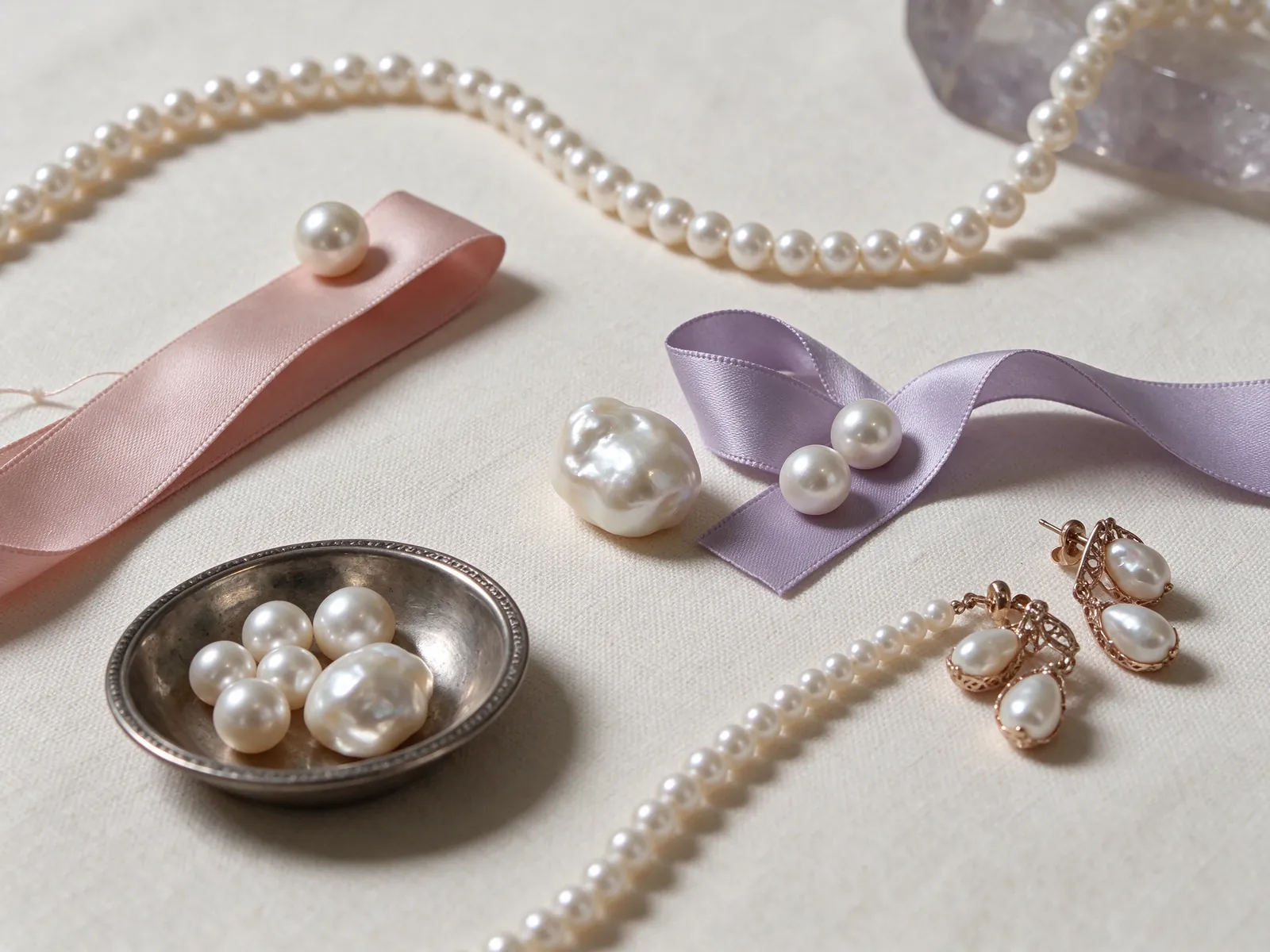
Use a soft ribbon to visualize your preferred necklace position, then compare that position with the stated chain length. The ribbon is only a styling aid, not a test of jewelry strength. At a fitting, gently turn your head, sit and lean forward to see whether the pendant catches fabric or slips beneath the neckline. Check that the clasp is manageable for you as well.
Let neckline space guide the size and outline
A restrained outline can look clear against a smooth, plain top yet become hard to notice against a bulky knit. The dainty pearl pendant guide provides a useful way to consider subtle proportions without assuming that the smallest option is always best. Look at the empty space around the pearl, the neckline's shape and whether the pendant remains visible when you move normally.
A crescent moon pearl pendant introduces questions about curve, direction and the frame surrounding the pearl. A pearl and sapphire pendant instead asks how two different visual accents share attention. These are design decisions independent of the K10 wording. Choose whether you want a quiet pearl focus, a shaped metal outline or another color accent, then read the actual material and pearl description for the piece being considered.
Layer with a clear focal point and less contact
Begin by deciding which necklace should be the focal point. Give the other chain a separate position so another pendant does not cover the pearl or repeatedly rub against it. A plain chain is a useful first layering test. Watch for twisting during movement, and reconsider the number of layers when earrings, eyeglasses or patterned clothing already contribute substantial visual detail.

Choose care methods for the pearl, not just the metal
GIA places pearl at 2.5 on the Mohs hardness scale and says pearls should never be cleaned with ultrasonic or steam cleaners. That figure helps explain why handling matters; it does not predict how many years a particular pendant will last. The setting may look sturdy, but the complete piece still contains a pearl with its own cleaning and storage needs.
Wipe the pearl after wear using a very soft, clean cloth. Keep acids, perfume, hair spray and excessive heat away from it, and put jewelry on after finishing your grooming routine. Store the pendant apart from harder pieces while arranging the chain without tension on the connection. A gold label is not a waterproof claim and does not establish that the pearl can be left soaking.
Treat an unusual connection or clasp movement as a reason to pause
Take the piece off if its clasp no longer closes normally or the pearl develops unusual movement where it meets the setting. Keep it safely separate rather than twisting it back, applying household glue or trying a cleaning machine. Describe what changed and provide clear photographs to a jewelry professional. The appropriate handling depends on the actual construction, not on the short metal name.
Make a gift or consultation brief about real wearing needs
For a gift, start with the recipient's usual neckline and preferred necklace position. Consider whether they want the pearl or the metal shape to lead, and whether they can comfortably operate the fastening. If an existing chain will be used, its end fittings matter more than a general memory of its color. The recipient's willingness to care for a pearl is also part of selecting something suitable.
Save complete descriptions and included-component details together, then list what matters most in everyday use. Flint Jewelry's material choices are 18K 750 white gold, 18K 750 yellow gold, 18K 750 rose gold, PT950 platinum and PT900 platinum. A discussion about those directions can begin with your chain and styling preferences, rather than treating the K10 search wording as a Flint material offering.
Prioritize fit, purchase contents and care before small visual differences
Ask whether you need a chain included, whether the pendant works with your clothes and whether its care fits your habits. When two descriptions seem similar, compare fastening access, removability and compatibility with accessories you already own. Separating essential requirements from flexible styling preferences makes the choice clearer and gives a later design conversation a practical starting point instead of a list of short names. To discuss a design direction that suits your neckline and chain preferences, contact Flint Jewelry on WhatsApp +85260106207 about 18K 750 white gold, 18K 750 yellow gold, 18K 750 rose gold, PT950 platinum or PT900 platinum.
| What to compare | Information to read | Why it matters in wear | What not to infer |
|---|---|---|---|
| Purchase contents | Pendant top, chain and clasp listed separately | Whether you need to provide a chain | A chain shown in a photo comes with the piece |
| White metal name | Full material designation and English wording | Coordination with other accessories | White appearance means platinum |
| Pearl description | Size, shape, color, luster and surface information | Visual proportion and emphasis | K10 establishes pearl origin or grade |
| Chain and bail fit | Opening, largest end fitting and removal method | Fit, orientation and ease of switching | A thin chain always passes through |
| Pearl care | Cleaning suitable for pearl and its connection | Avoid ultrasonic and steam cleaners | The metal label defines care for everything |
Pearl knowledge and authoritative references
GIA describes seven pearl value factors: size, shape, color, luster, surface quality, nacre quality and matching across pearls. These help keep pearl information separate from the K10 metal wording; they are not a grade or certification for a Flint design.
Read the reference for this factFrequently asked questions
Is a necklace chain automatically part of a 10K gold pearl pendant listing?
No. Look for explicit purchase contents and distinguish the pendant top from a pendant supplied with a chain. Read length, adjustment and clasp details separately; a styled photograph alone does not establish inclusion.
Why is a white-looking pendant not enough to identify platinum?
Different metal names can be associated with a pale appearance, and translated shorthand may be ambiguous. Read the complete material designation and distinguish white gold from platinum rather than relying on color.
What should I check before adding the pendant to my own chain?
Compare the bail opening with the chain's largest end fitting, establish whether the pendant is removable and consider its balance when worn. A chain that physically fits can still leave the pendant facing awkwardly or contacting clothing.
Can the K10 label tell me whether the pearl is a particular type?
No. Metal wording does not identify the pearl or establish its origin, natural-versus-cultured status or grade. Read the pearl description independently and avoid drawing those conclusions from shape or color alone.
How can I prepare for a Flint Jewelry discussion about a similar wearing idea?
Bring your preferred pendant position, chain requirements and details of accessories you want to coordinate. Flint's material directions are 18K 750 white, yellow or rose gold and PT950 or PT900 platinum; this page uses K10 for factual description comparison.
Updated: