

How do color, setting and proportions shape an abalone pearl pendant necklace or pāua pearl pendant?
Think of an abalone pearl pendant as a shape within a complete outfit. Before studying a close-up, choose a shirt or dress you actually wear and imagine where the pendant would sit. The outer frame, attachment and chain all contribute to the result. A pearl pendant guide can help you compare that overall balance without assuming the most colorful image will automatically make the most wearable choice. Keep the outfit consistent while you assess different silhouettes.
An abalone pearl pendant necklace may be intended as a noticeable accent or as a quieter part of your jewelry. Decide which role you want before adding other accessories. With a pāua pearl pendant description, do not let the name replace a review of the actual center material and setting. Check the pendant at a normal viewing distance, then from the side, to see how clearly the center and frame remain visible against the clothing.
Which chain length and neckline suit an abalone pearl pendant necklace or pāua pearl pendant?
Use the neckline as a boundary rather than following a universal length rule. A pendant can sit clearly above a crew neck or intentionally below it on the fabric; a half-covered position is harder to judge. For a V-neck, leave the pendant tip distinct from the point of the opening. The pendant extends below the chain, so include its height when estimating the final resting position.

Make the center material the first reading question
Abalone is a marine mollusk in the genus Haliotis, while pāua commonly refers to New Zealand’s Haliotis iris. GIA research documents natural and cultured abalone pearls and separates shell from assembled cultured shell blisters. The latter begin as raised growths on the inside of a shell, not simply as cut shell pieces. Learning what is an abalone pearl gives you a clearer basis for reading a pendant description. An abalone pearl vs abalone shell comparison shows why reflected rainbow colors alone cannot establish that two objects have the same identity. A product name may contain abalone or pāua without answering every material question. Read the specific description of the center and distinguish pearl from shell or mother-of-pearl. Similar reflected colors do not make those descriptions equivalent. Information about the reverse can also help explain construction. If material identity is important to you, ask about that individual piece instead of treating a familiar word, an organic outline or a bright reflection as proof.
Keep shape on a separate line in your comparison notes. A domed face may appeal because of its profile, but it does not identify the pearl's formation or origin. The Mabé pearl pendant guide is a useful design comparison when you are considering how a curved front relates to a back that rests near clothing. Use it to examine shape choices, not to rename a different pendant based on visual similarity.
How should you read a natural-material claim?
Natural material does not, by itself, establish natural pearl identity. Look for an explicit statement about the material if natural-versus-cultured identity matters to the purchase. If a report is presented, check whether it describes the loose material or the mounted jewelry and whether its identifying details correspond to the piece. Leave unanswered identity questions separate from your opinion of the pendant's beauty.
Use lighting and wardrobe comparisons to understand color
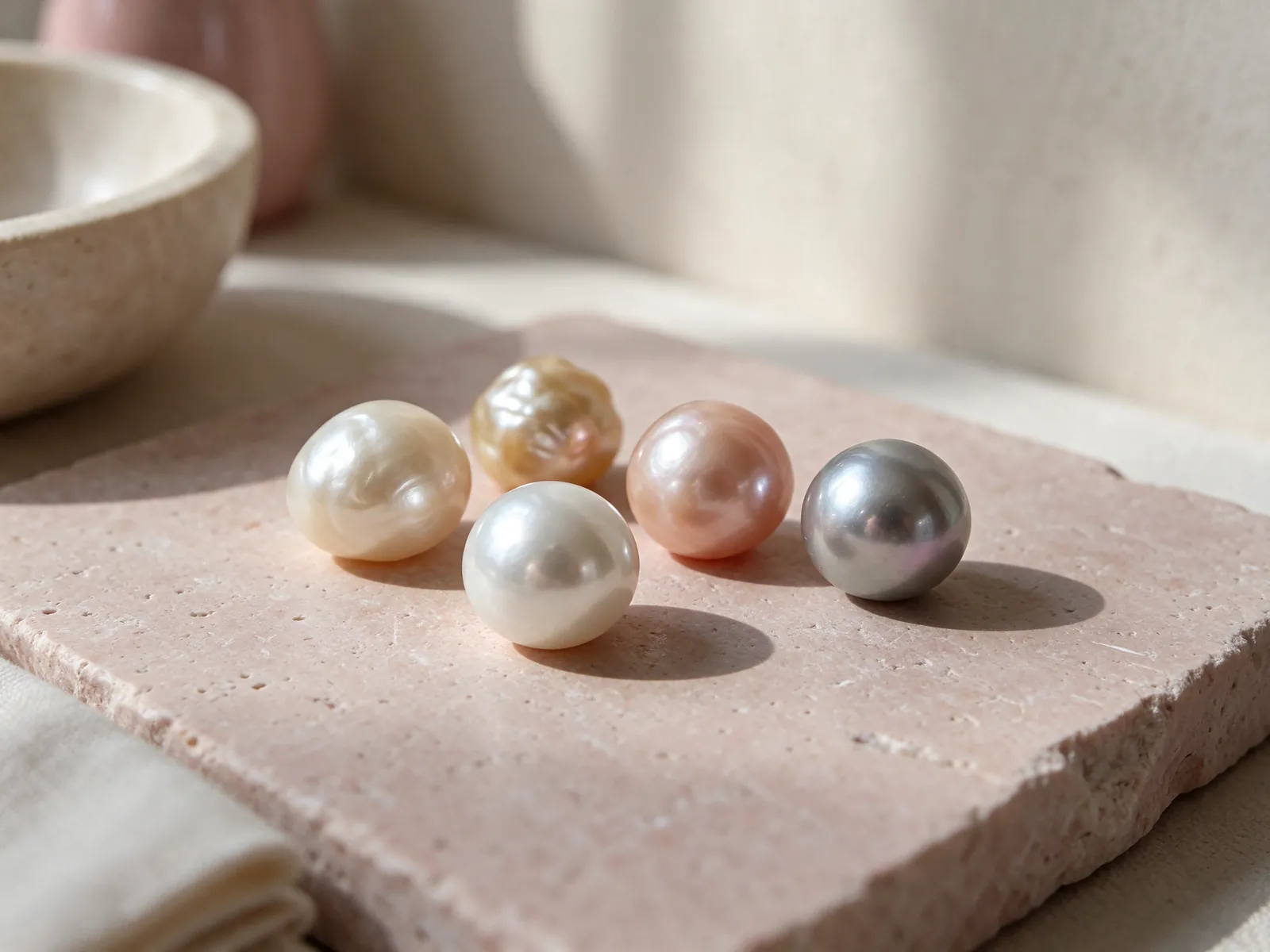
Request views that show the pendant facing forward and turning to either side under consistent light. Camera exposure, white balance and your screen can all influence the appearance of color. Look beyond the brightest reflection: can you still see detail in the light areas and the outline in the darker areas? The goal is to understand the range of appearance you may see while wearing it, not to select the most dramatic photograph.
GIA separates bodycolor, overtone and orient, noting that not every pearl has all three. One vivid color impression therefore does not describe every aspect of pearl quality. If your wardrobe tends toward soft colors, compare the styling approach of a pink pearl pendant with a stronger accent. Hold the clothing choice constant and consider which option works with your usual earrings. This is a decision about visual balance rather than a color-based quality ranking.
What if the pendant competes with the rest of the outfit?
Remove one competing accessory and check the outfit again before deciding that the pendant itself is wrong. A printed collar, statement earrings and a colorful center can create several focal points at once. For a wardrobe built around warm shades, an orange pearl pendant comparison offers another way to think about a related accent versus contrast. Judge the complete look from a few steps back, not only at close range.
Check the frame where it meets fabric and skin
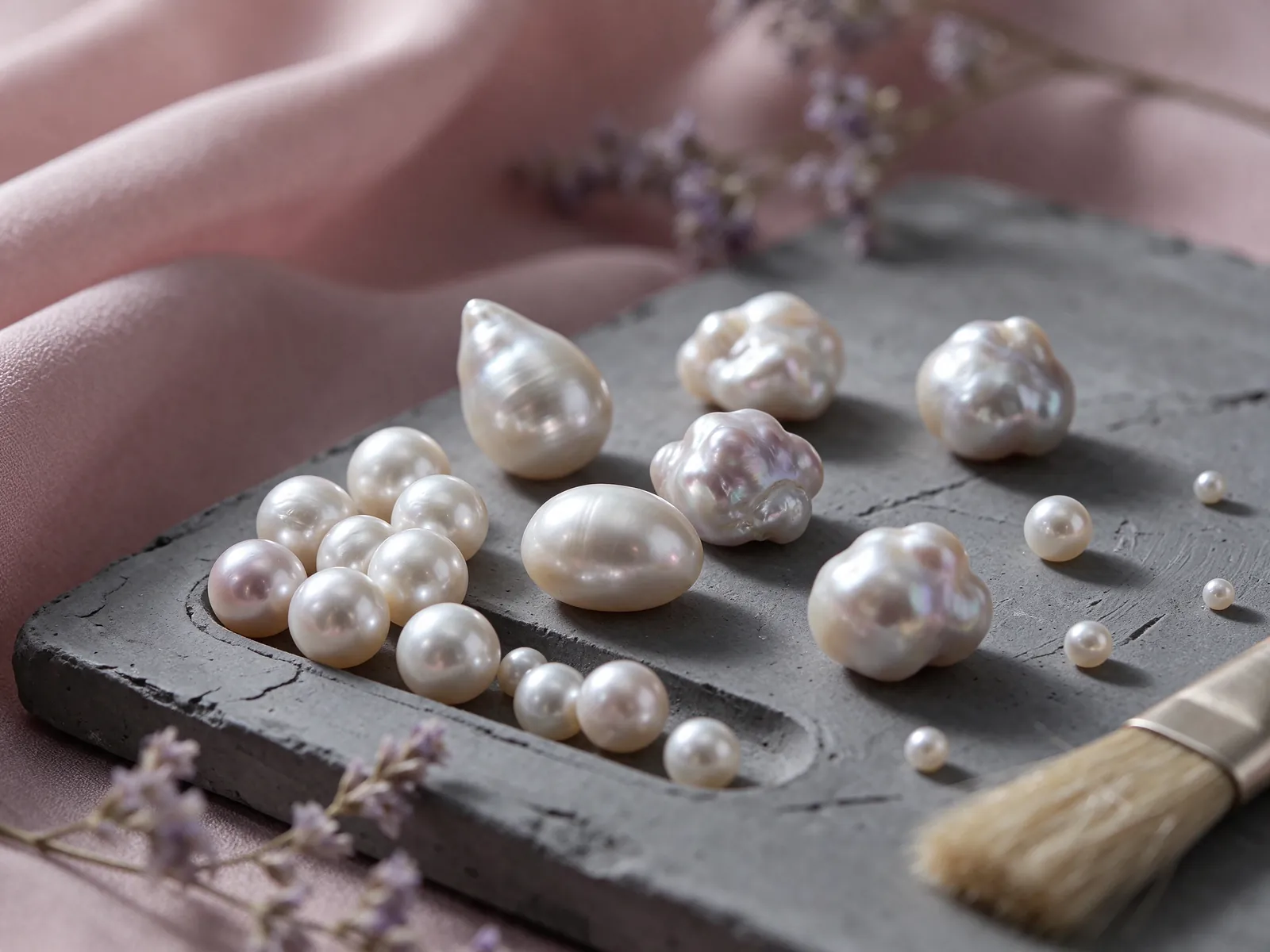
Ask for a side view and a reverse view, not just a front image. Those angles reveal how deep the setting is and where the attachment sits relative to the center. During a fitting, notice whether any edge or projecting part contacts a fine knit or the neckline. A visually slim front does not tell you everything about the pendant's profile, and a smooth-looking photograph is not a guarantee of comfort with every garment.
Consider how much visual weight belongs to the chain and how much belongs to the frame. Strongly visible links can become a separate design feature; a curved frame can also direct attention around the center. A crescent moon pearl pendant is a helpful comparison for exploring that use of direction and outline. Evaluate the relationship between frame and center without assuming a particular motif means a setting is more secure or universally practical.
Can the pendant work with a necklace you already own?
First establish whether the pendant is removable. Then check the attachment opening against the clasp of your existing chain, because a clasp may be wider than the links. Also ask whether the chain is included in the described piece. These questions keep a styling plan grounded in the actual construction and help prevent an attractive chain combination from becoming an unusable one.
Test the necklace while sitting, moving and layering
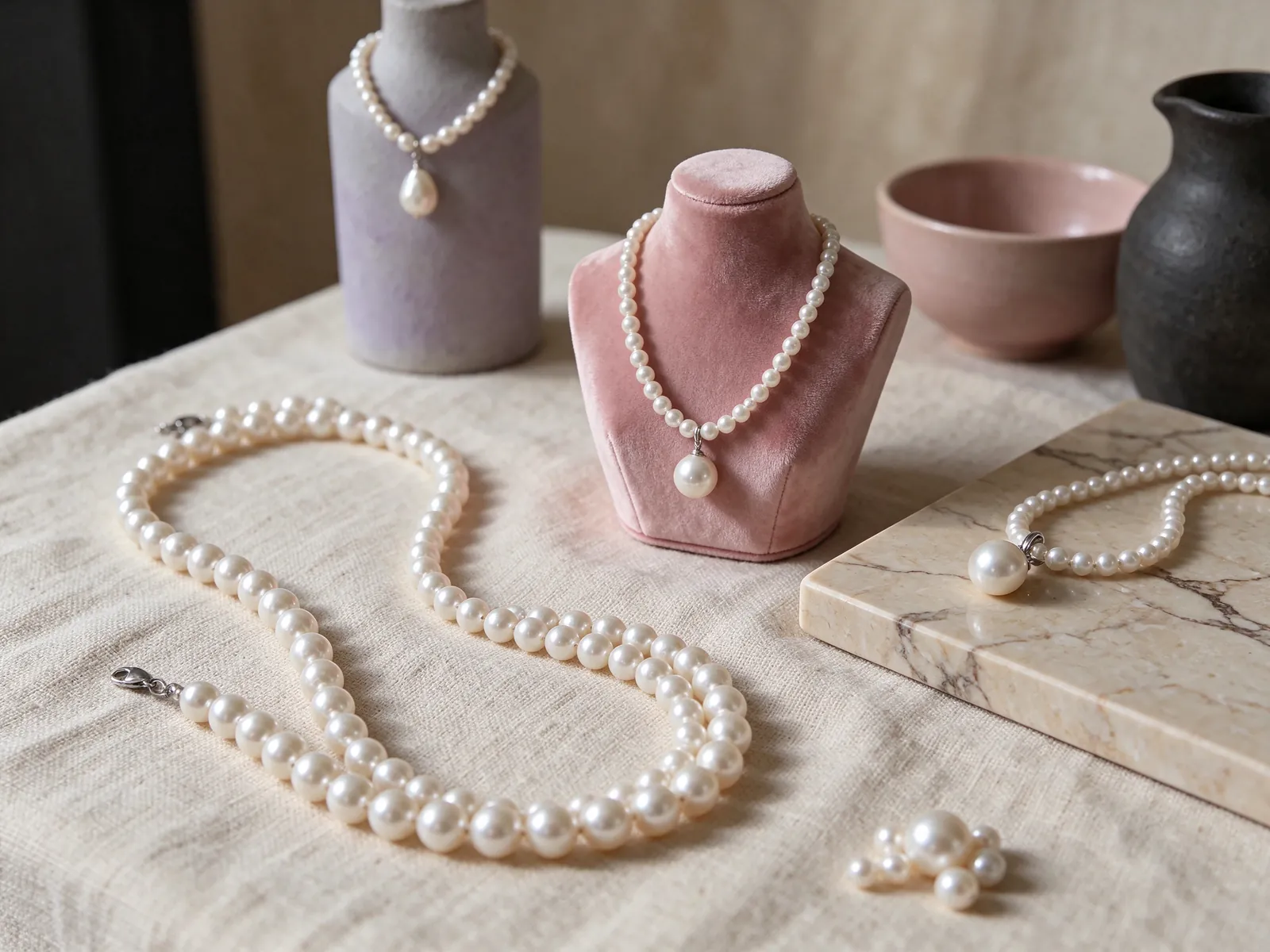
A stated chain length is a measurement, not a promise of the same position on every person. Neck proportions, garment shape and the pendant itself all affect the result. Try sitting down and leaning forward slightly after checking the standing view. Look for turning, collar interference or a pendant landing near a shirt button. If adjustment points exist, learn their actual positions rather than assuming the chain can be changed to any desired length.
When layering necklaces, choose the main pendant first and leave a clear separation for the second piece. Repeated contact between pendants can be distracting and is also something to avoid when protecting surfaces. Test the arrangement with your existing chains, watching for twisting strands and clasps that migrate forward. Check again after sitting, since the fabric and necklace positions may move closer together even when the standing view looks balanced.
How can you prepare for a remote fit discussion?
Photograph a necklace you know fits well against the intended top, and measure that chain laid flat. Explain where you want the new pendant's lower edge to finish. Include the pendant height when available, but keep it separate from the chain measurement. This is more useful than requesting a generally short necklace, and it avoids assuming that every chain can be shortened or extended.
Keep frame color, personal priorities and quality factors separate
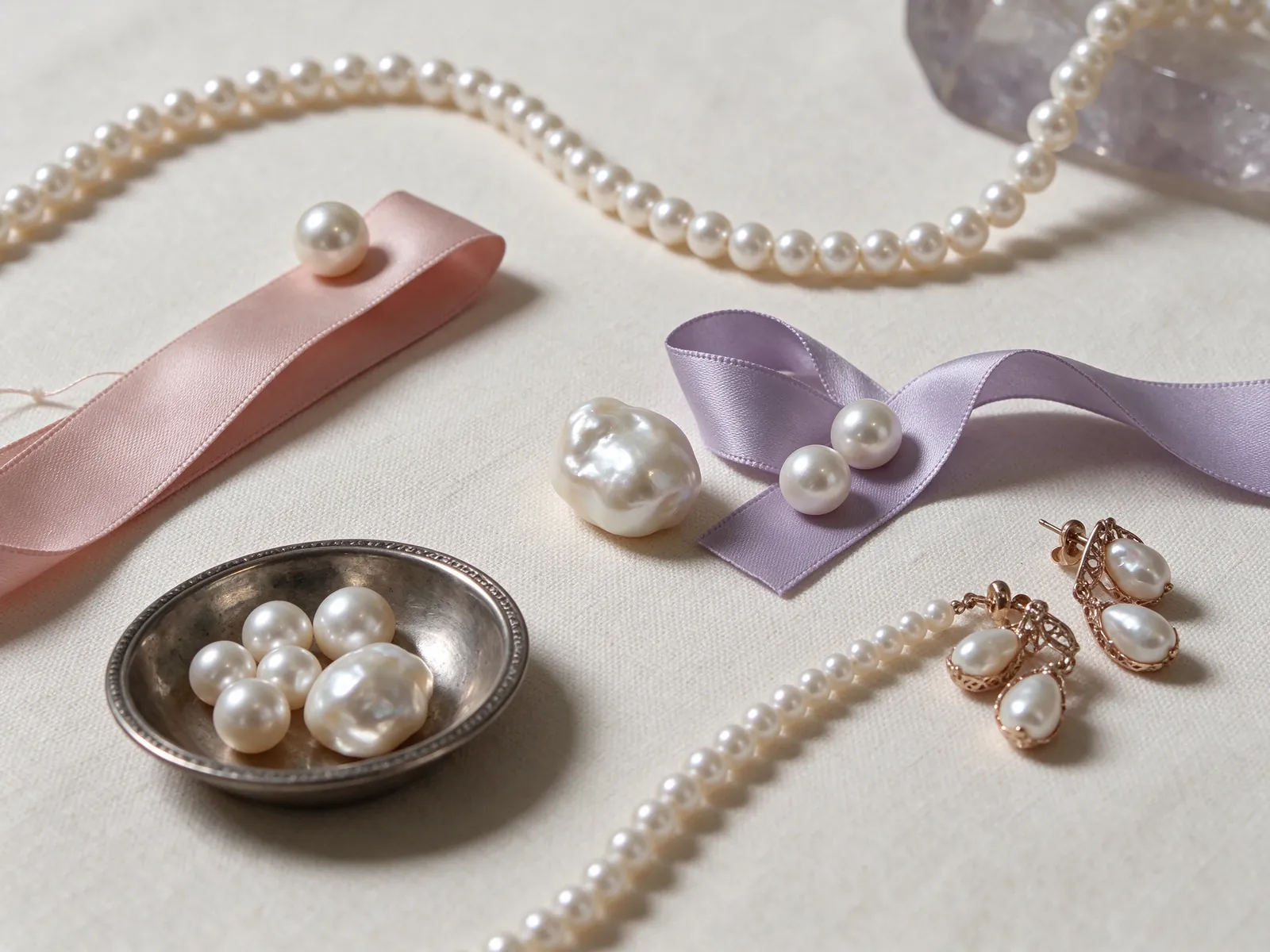
The metal frame can echo your existing jewelry or introduce a contrast, but its color does not establish the center material's origin or grade. An 18K gold pearl pendant comparison is a way to consider the frame within your wardrobe, not a shortcut to pearl identification. Look at the frame against both skin and fabric. Decide whether you want a visible outline or a quieter border before allowing an isolated close-up to determine the choice. For general pearl jewelry design discussions, material options are 18K 750 white gold, 18K 750 yellow gold, 18K 750 rose gold, PT950 platinum and PT900 platinum. These options do not establish an available abalone or pāua pendant design; the individual piece’s description should identify its materials and construction.
GIA lists seven pearl value factors: size, shape, color, luster, surface quality, nacre quality and matching. This broader framework prevents one appealing color or shape from standing in for a complete assessment. For a single pendant, compare the visible luster and surface while keeping identity questions separate. If the pendant will be worn with pearl earrings or another necklace, consider matching as well. Personal preference still matters, but it answers a different question from material quality.
Which details should lead your final comparison?
List the requirements that would make a piece unsuitable: an inconvenient drop, an incompatible chain connection, an unclear material description or a color balance you would rarely wear. Then compare the remaining descriptions and individual prices. This approach is more useful than asking for the best pendant without defining the need, and it prevents accessories or specifications from another design from slipping into your expectations.

Plan pearl care before the first wear or gift presentation
GIA gives pearl a Mohs hardness of 2.5, so avoiding scratches belongs in an everyday care routine. Wipe it after wearing with a very soft, clean cloth and store the pendant separately from harder jewelry. Keep its chain untangled rather than wrapped tightly around the center. Put on jewelry after using perfume or hair spray, avoid direct contact with those products, and keep the piece away from excessive heat.
Do not use ultrasonic or steam cleaners for pearls. A pendant's metal frame does not make those methods appropriate for the pearl it holds; cleaning needs to account for the complete piece. When choosing a gift, ask about the recipient's usual necklines and whether a suitable chain is already available. Include the material and wearing information with the gift instead of making promises about rarity, investment performance or a permanently unchanged appearance.
What is a sensible first-wear check?
Unpack the jewelry over a soft surface, untangle the chain and make sure the clasp opens and closes normally. View the pendant against the intended outfit from the front and side. If the attachment or setting appears abnormal, stop wearing it and ask about the appropriate next step rather than attempting to bend or adjust it yourself. Routine care is a way to reduce avoidable wear, not a guarantee against damage. For help considering your neckline, existing chain and preferred colors together, talk with Flint Jewelry on WhatsApp +85260106207 about general pearl pendant styling.
| Detail | Description to read | View to compare | Fit consideration | Question to ask |
|---|---|---|---|---|
| Center | Pearl and shell are distinct descriptions | Front and reverse construction | Separate preferred shape from identity | What exactly is the center material described as? |
| Color | Color alone is not a full quality assessment | Several angles in consistent light | Use an everyday garment as the background | Can I see unfiltered views as the pendant turns? |
| Frame | Side depth and attachment position | Edges that meet fabric | Avoid collar interference | Is the pendant removable, and will my clasp fit? |
| Chain | Chain length plus separate pendant height | Standing and seated resting positions | Leave space between layered pendants | What is included, and are there fixed adjustment points? |
| Care | Pearl has a Mohs hardness of 2.5 according to GIA | Gentle wiping and separate storage | Avoid contact with harder jewelry | Which care method suits all materials in this piece? |
Pearl knowledge and authoritative references
GIA describes seven pearl value factors: size, shape, color, luster, surface quality, nacre quality and matching. Color is one factor rather than a complete quality conclusion.
Read the reference for this factFrequently asked questions
Can a bright blue photograph prove an abalone pearl pendant's identity?
No. A photograph shows appearance under particular conditions, not a complete material identity. Read the center description and any corresponding information, keeping pearl and shell distinct. Color and shape do not independently establish origin or natural-versus-cultured status.
Should I measure the chain or the full pendant necklace?
Record chain length and pendant height separately, then consider the final resting position with your neckline. The pendant extends below the chain, and the same chain measurement can sit differently on different people. A photograph of a necklace that already fits well can help clarify your preference.
Is a domed pendant automatically the same material as a Mabé pendant?
No. A dome is a shape observation, not an identification. You can compare profiles for styling, but the actual material description must establish what the center is. Do not transfer a pearl name from one design to another because their front views look similar.
What should I consider before giving a pāua-themed pendant as a gift?
Consider the recipient's everyday necklines, preferred jewelry colors and existing chains. Check what is included and how the pendant attaches, and keep the material and care information with the gift. These practical details help the recipient wear it without relying on assumptions about value or availability.
Can I clean the whole necklace with steam if only the pendant contains pearl?
No. GIA says pearls should never be cleaned with steam or ultrasonic cleaners. The presence of a metal chain does not change that guidance. Choose gentle care that is appropriate for every material in the complete necklace.
Updated: