

Color and proportion in a pearl and sapphire pendant: finding balance in a sapphire pearl pendant or a pearl pendant with sapphires
Ask about pendant selection on WhatsApp +85260106207. Begin with the kind of focal point you want to wear. In a pearl and sapphire pendant, the pearl might draw attention first while sapphire adds a distinct accent, or the colored gemstone may define the entire outline. A sapphire pearl pendant with more stones does not necessarily create more visual weight; a concentrated dark area can be quite noticeable. Compare the arrangement with a simple pearl pendant and ask whether the added color creates the balance you enjoy, rather than making the decision from a preferred shade of blue alone.
Use one of your regular tops as a background and inspect the necklace in soft daylight and everyday indoor light. Is the pearl's reflection still distinct? Can you see the sapphire clearly without the setting taking over? Take a picture to remember the outfit, but be aware that a phone can adjust color automatically. Look from a normal social distance before moving in for a closer inspection. The effect on an outfit and the condition of individual details are related questions, but they deserve separate attention.
Trying on a pearl and sapphire pendant: does a sapphire pearl pendant or a pearl pendant with sapphires sit well with your neckline?
Try the pendant standing comfortably, sitting down and moving your shoulders. Watch for a piece that disappears inside the neckline, catches its edge or repeatedly turns backward. A V-neck allows you to compare the pendant with the center line of the opening; a crew neck makes the gap between jewelry and fabric especially useful to check. Include the pendant's own length when judging where it ends. The best position is the one that works with your usual clothes and posture, not just a posed mirror view.

Compare clear silhouettes and the depth of the setting
Study the pendant without letting the chain distract you. A vertical arrangement can lead the eye downward, while a sapphire beside the pearl creates a different balance. Notice whether you can read the shape easily and whether the gaps between components give the design room to breathe. The crescent moon pearl pendant guide is a useful comparison if you prefer curved outlines or open space. Consider which line you would wear with your clothing instead of treating a shape as a promise of a particular mood or personality.
Now inspect the side view. Look at how far the pearl and gemstone setting project from the bail, then see how the pendant rests when worn. It may sit neatly against a plain top or have a more dimensional effect that you deliberately prefer. A polished front photograph cannot settle that choice. Gently check the outside edges for projecting areas and ask about handling them around clothing, especially if sweaters, scarves or textured fabrics are a regular part of your wardrobe.
Use slow movement to understand the two visual effects
Rotate the piece slowly and watch the sapphire's changing light and dark areas before examining the pearl's reflected light. The two components do not need to look equally bright at every angle to make an attractive combination. Ask which gemstone face is intended to point outward while the pendant hangs. If it appeals only under a strong showcase light, check it in less concentrated light as well. This gives you a more useful picture of the effect during normal wear.
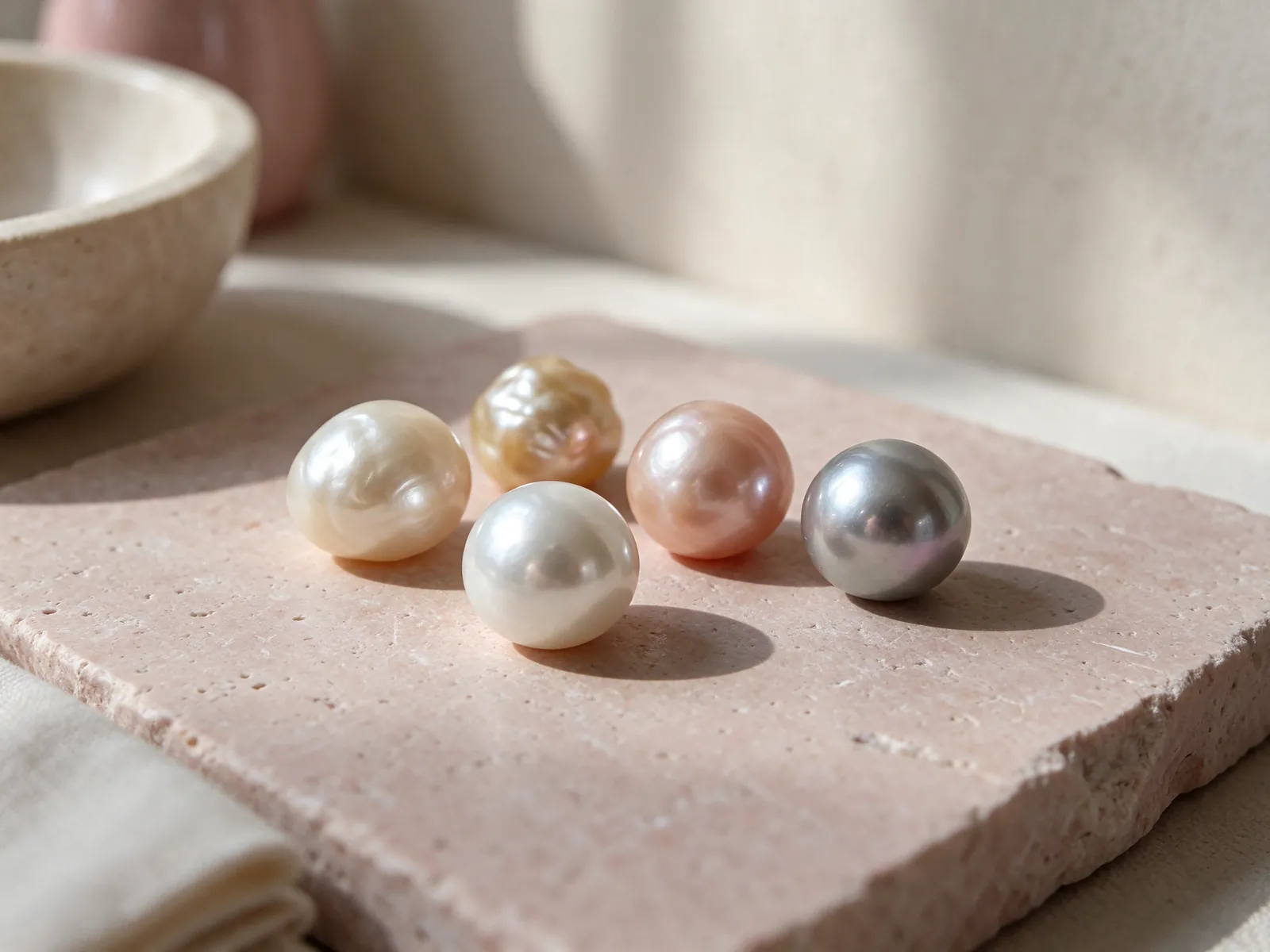
Judge scale by the entire necklace, not a single measurement
Ask for the pearl's dimensions and the complete pendant height and width as separate details. The setting, bail and spaces between stones all contribute to the footprint, and the stated height may or may not include the bail. A dainty pearl pendant offers a helpful starting point for thinking about a restrained everyday outline, but adding sapphire can change its presence substantially. Do not assume that a small pearl always produces a discreet necklace; strong color contrast or a wide setting may make it stand out.
Let the necklace hang without holding the pendant in place and see whether its front remains visible. Check its position when seated, particularly near a shirt opening or a fold in the fabric. A sapphire's carat weight and a pearl's measurement in millimeters are different kinds of information, so they are not interchangeable size comparisons. Overall dimensions and a try-on are more useful for deciding how much space it takes up. For a gift, consider the recipient's existing necklaces and typical wearing position before choosing a larger outline.
Leave room for the pendant when clothing already has detail
Patterned fabric, an embellished collar or bold buttons may already create a busy area around the neckline. Try a pendant with a concentrated outline and check whether the sapphire is still easy to distinguish. When adding earrings or another accessory, begin with the necklace alone and introduce each piece gradually. You are looking for a clear sequence of attention, not a rule that everything must be small. This also helps you decide whether the pendant should be the outfit's main color accent.

Make the gem descriptions as clear as the design
For a pearl pendant with sapphires, separate the questions about each component. Ask about the pearl type, natural or cultured identity, dimensions and disclosed treatments. For the sapphire, ask about the gemstone name, natural or laboratory-grown identity and disclosed treatments. A photograph or an appealing color is not an identification document. GIA presents seven pearl quality factors: size, shape, color, luster, surface quality, nacre quality and matching. That framework helps you consider the pearl itself rather than letting the surrounding colored gemstone dominate every judgment. Matching is principally relevant to multiple-pearl arrangements; it does not require a single pearl and its accompanying sapphire to share the same appearance.
If a report comes with the pendant, identify the object it describes and read the actual observations recorded. The pearl pendant with GIA certificate guide addresses why a familiar name on a document does not tell you everything about the necklace. Match the object description and identifying measurements to the piece under consideration. Do not extend a statement about one gem to every component. If a seller makes an additional statement about origin or quality that the document does not record, ask what supports that particular statement.
Keep pearl-related labels separate from sapphire information
A term such as Kingfisher certified pearl jewelry needs to be understood through the relevant document's scope and language. A pearl-related label does not automatically establish the accompanying sapphire's identity, treatment or origin. The reverse is also true: a sapphire document does not identify the pearl. Comparing the two descriptions side by side can make remaining questions easier to spot. Use the paperwork to understand the piece, while still checking the setting, comfort and care requirements in their own right.
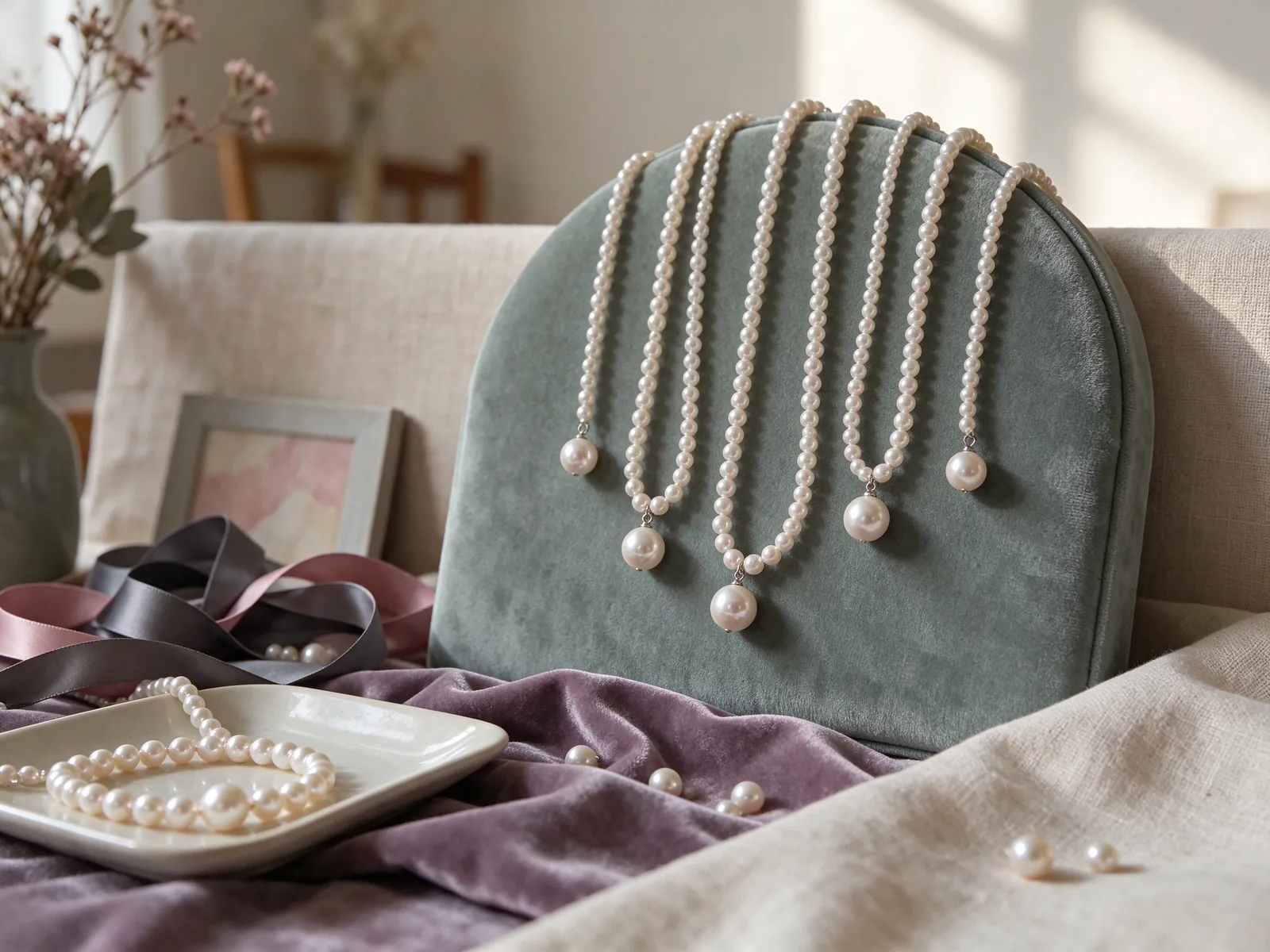
Resolve the chain fit and fastening before the final choice
Confirm whether the purchase includes a chain and whether the pendant can be taken off it. To reuse a chain you own, check the clasp against the bail opening as well as the chain itself; the clasp may be the part that cannot pass through. Try the complete combination to see whether it moves smoothly or catches. Discuss the chain's thickness in relation to the pendant's weight, and operate the fastening yourself. Appearance matters, but an awkward clasp can make an otherwise appealing necklace inconvenient in daily use.
Consider metal color against both the gems and a familiar outfit. A cooler-looking frame may emphasize contrast, while a warmer one may relate to ivory or beige clothing. If discussing material choices, keep the actual material name separate from your visual preference. The five options to consider are 18K 750 white gold, 18K 750 yellow gold, 18K 750 rose gold, PT950 platinum and PT900 platinum. Choosing one of these materials does not by itself determine the details of a particular pearl and sapphire design.
Check the drop while seated and under a jacket
Try sitting in your normal posture and then put on a jacket to see whether a lapel covers part of the pendant. If there are adjustable chain positions, test them rather than choosing the longest or shortest by default. Watch whether the clasp migrates to the front. A lower drop may place the pendant on fabric, while a shorter drop sits closer to the neck and collar opening. Select the position that works with your clothing and movement instead of assuming one necklace length is universally flattering.

Build an outfit around one clear color accent
With a white button-down shirt, compare an open neckline with wearing the pendant over a closed collar. Make sure it does not land on a button or disappear behind fabric. With a navy top, the sapphire does not need to match exactly; check whether the pearl gives enough separation for the whole shape to remain visible. Gray or warm ivory can help you compare the effect, but the deciding background should be something you already wear. A practical pendant should fit your wardrobe rather than require you to replace it.
For an evening outfit, give the necklace a clear area around the neckline and begin with uncomplicated earrings. If layering another chain, check for tangling and for charms that might rub against the pearl, including when you sit down. Blue does not need to repeat in a bag, shoes and every other accessory. Neutral pieces can keep attention on the sapphire. Think about spacing, contrast and the order in which the eye notices the accessories; an exact color match is only one possible styling direction.
For a gift, learn how the person actually wears necklaces
Look for useful habits: does the recipient wear a necklace near the collarbone or over a top, prefer balanced shapes or an off-center detail, and manage a clasp comfortably? If trying on together is not possible, ask about favorite necklines and everyday activities. Also find out whether a suitable chain is already available and whether the person is comfortable keeping perfume away from the pearl and storing jewelry separately. Those answers guide the choice more reliably than assigning a gemstone a personality or a promised effect.

Use a care routine appropriate to the pearl and the complete setting
The sapphire's presence should not determine how you clean the entire pendant. GIA ranks pearl at 2.5 on the Mohs hardness scale and says pearls should never be cleaned in ultrasonic or steam cleaners. This is a pearl hardness fact, not a durability guarantee for the necklace or a way to calculate resistance to impact. After wearing, wipe the pearl gently with a very soft, clean cloth. Avoid acids, perfume, hair spray and excessive heat, and use care instructions suitable for the whole piece when cleaning the chain or setting.
Keep the pendant apart from other jewelry in storage so that clasps and gemstone edges do not rub the pearl. Do not use a strong cleaner for the sapphire without considering the pearl, and do not move setting claws with your own tools. A visibly loose gemstone, an altered pearl position or a bent bail is a reason to stop wearing the necklace and have it inspected. Pay attention when taking off a jacket or moving a shoulder strap, since either can accidentally pull on the chain.
Finish with a single practical comparison checklist
At the final try-on, bring together five questions: do you like the color in ordinary light, does the drop suit a familiar neckline, are the two gem descriptions clear, does the chain fit properly, and can you follow the care routine? Record the answers together when comparing different directions. This keeps a striking photograph from becoming the only basis for the purchase. If you remain undecided, choose the occasion when you expect to wear the pendant most and repeat the comparison with that outfit in mind. For questions about choosing a pearl and sapphire pendant, contact WhatsApp +85260106207.
| Comparison | Detail to inspect | Movement to try | Outfit consideration | Purchase question |
|---|---|---|---|---|
| Color balance | Look separately at pearl reflections and sapphire contrast | Turn slowly in soft daylight and ordinary indoor light | Can you distinguish the whole pendant against your top? | Does the image reflect what you see in person? |
| Overall scale | Include the setting, bail and open spaces | Check the drop standing and sitting | Avoid an unintended overlap with a button or collar | Is the bail included in the stated height? |
| Chain and clasp | Test the clasp through the bail opening | Fasten the necklace and put on a jacket | Compare chain thickness with the pendant's presence | Is the chain included, and can the pendant be removed? |
| Gem information | Read the two gem descriptions independently | Match documented details to the piece | Paperwork does not decide how it looks on you | What identities and treatments are disclosed? |
| Care routine | Avoid rubbing the pearl against clasps or other gems | Gently wipe with a very soft, clean cloth after wear | Keep perfume and hair spray away from the pearl | What cleaning instructions apply to the complete piece? |
Pearl knowledge and authoritative references
GIA identifies seven pearl quality factors: size, shape, color, luster, surface quality, nacre quality and matching. They help separate observation of the pearl from judgments about the surrounding sapphire and setting. Matching is principally relevant to multiple-pearl arrangements; it does not require a single pearl and its accompanying sapphire to share the same appearance.
Read the reference for this factFrequently asked questions
Will a blue pendant disappear against a navy shirt?
It depends on the complete arrangement and lighting. The pearl may create useful separation between the sapphire and the fabric. Try it with the actual shirt and check the outline from a normal viewing distance; the gemstone does not need to match the fabric exactly.
Should I compare a sapphire's carat weight with the pearl's millimeter size?
No. Carat weight describes gemstone weight, while millimeters describe dimensions. Ask for the overall pendant height and width as well as the pearl measurement, and confirm whether the height includes the bail. The setting and spacing also affect how large the pendant looks when worn.
What is the first check when using my own chain?
Check whether the clasp can pass through the bail, not only whether the chain strand fits. Then try the complete combination for smooth movement and a manageable fastening. Discuss whether the chain's thickness is appropriate for the pendant's weight, and confirm that the pendant is removable.
Can one gem's report establish the identity of both gems?
Do not assume it does. Read which object and observations the report actually covers. Information about the pearl does not automatically establish the sapphire's identity, treatment or origin, and a sapphire description does not identify the pearl. Compare each description with the piece you are considering.
Is steam cleaning a suitable alternative to ultrasonic cleaning?
Not for a pendant containing pearl. GIA says pearls should never be cleaned using steam or ultrasonic cleaners. Use a very soft, clean cloth for routine gentle wiping after wear, and follow instructions appropriate to the whole piece for any other cleaning.
Updated: