
Which everyday style details matter when choosing romantic pearl gifts or just because pearl gifts for a pearl jewelry surprise gift?
Build a picture of the recipient’s usual outfits before imagining a gift-opening moment. Someone who spends the week in button-down shirts may want a different focal point from someone who favors open necklines. Their most frequently worn jewelry gives a useful clue to proportion and purpose. Use that familiar piece as a starting reference instead of deliberately choosing an unfamiliar category. A gift can acknowledge who they are now without suggesting a new wardrobe they never asked for.
Use pearl gifts for her to explore the relationship between a jewelry category and personal style. Admiring a dramatic photo does not necessarily mean wanting to wear that look to work. Ask whether a familiar shape or a small change within an established style would suit them better. A surprise can feel fresh without replacing the preferences they have already shown you.
When comparing romantic pearl gifts or just because pearl gifts, how does a neckline influence your choice of a pearl jewelry surprise gift?
For necklaces, consider the space around the neckline and where a pendant would rest. A fabric edge can hide a chain or crowd its focal point. A high-neck top might make earrings a simpler way to add an accent, depending on hairstyle and collar shape. Refer to a necklace they already use for an everyday position check, rather than treating a standard length as universally right.
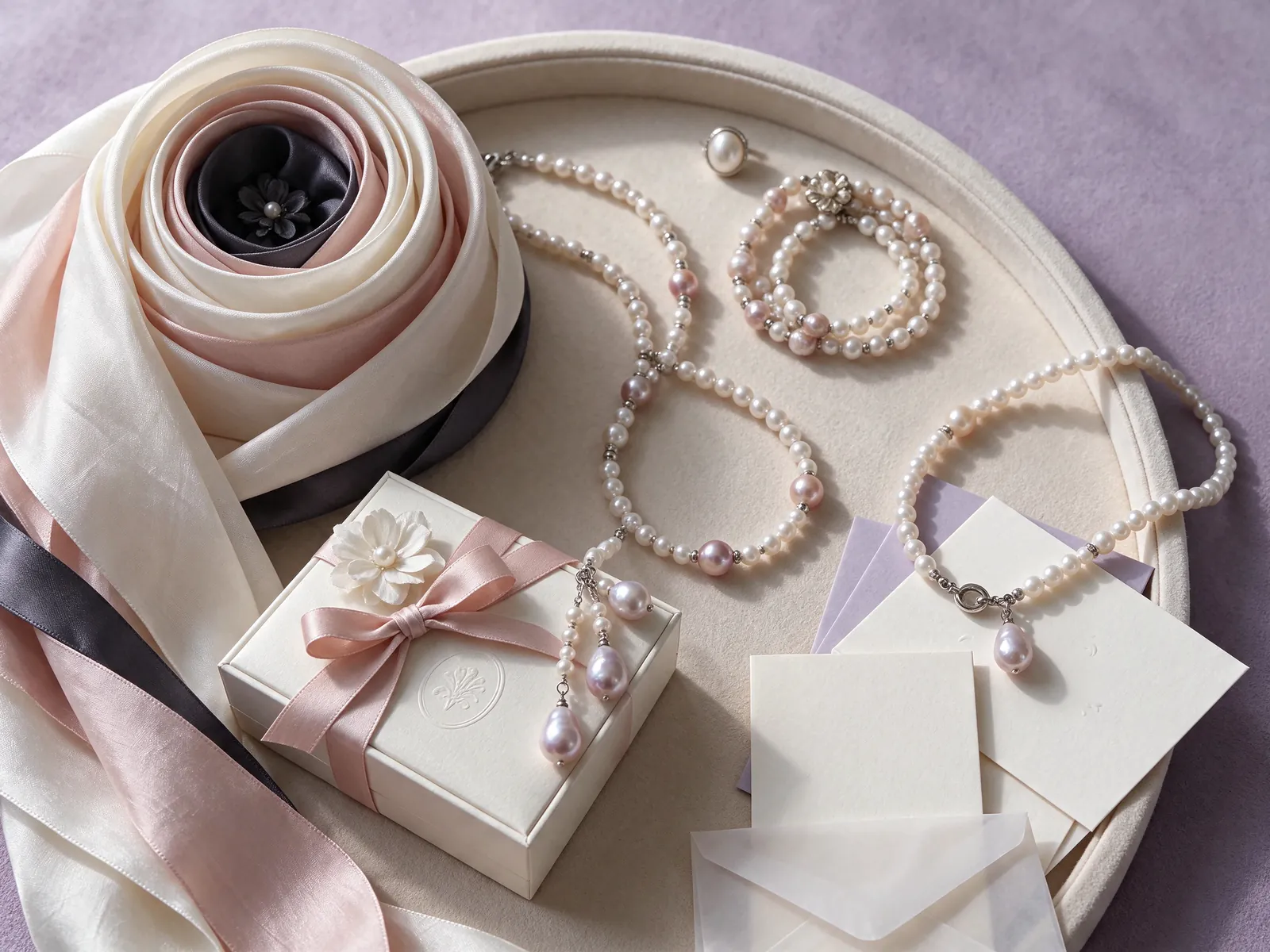
Choose from personal taste instead of a romance checklist
Notice whether the recipient prefers smooth outlines, irregular forms, symmetrical looks or movement. Observe how much visual space their accessories usually take up. A person who wears one subtle piece may not want a gift that requires several coordinated additions. Ask whether they would use new jewelry with work clothes or for outings. Enjoying a dramatic photograph is not the same as wanting that look for a regular Tuesday, so intended use matters as much as the initial impression.
Their favorite watch, earrings and rings can guide a metal color discussion without imposing rules based on skin tone. Options to discuss for a design are 18K 750 white gold, 18K 750 yellow gold, 18K 750 rose gold, PT950 platinum and PT900 platinum. Confirm the stated material separately from the color you like. The pearl gift guide offers a broader way to sort choices by person and context.
Keep the surprise where uncertainty is harmless
You can ask which category they enjoy wearing while keeping the personal note and presentation unannounced. If they like making their own jewelry decisions, offer a shared selection experience. That still leaves room for thoughtfulness. Do not use a surprise to override an expressed dislike. When a size or fastening affects whether the gift can be worn, discuss it first; leaving an essential question unanswered does not make the gesture more considerate.

Let work, movement and fit guide the practical questions
Headphones, bag straps, desk work and clothing layers all influence jewelry use. Think about where an earring may meet a headset or where a pendant might sit under a crossbody strap. A bracelet may interact with cuffs and a keyboard. These observations help you ask better questions rather than label a category universally comfortable or unsuitable for a particular lifestyle.
Check whether an earring style needs pierced ears and whether the recipient uses that type of fastening. Having piercings does not mean every fitting or weight feels good. For a necklace, ask about the usual resting position and how easily they handle the clasp. A ring requires actual sizing information; a hand photo is not a reliable substitute. A bracelet also calls for wrist-fit information and a preference about looseness. Choose together if the essential details are not known.
Use normal movements to assess a possible combination
When a style can be tried, observe it while sitting, turning the head and putting on a typical jacket. Those moments may reveal contact or pulling that a still image misses. For layering, look at whether pieces tangle or rub. This is a practical observation process, not a comfort guarantee, and the recipient should remain free to wear the gift by itself.

Describe pearl appeal with a clear quality framework
GIA describes seven pearl value factors: size, shape, color, luster, surface quality, nacre quality and matching. Matching applies to jewelry containing two or more pearls. The factors turn a broad impression into a specific conversation about reflections, an outline or the balance within a pair of earrings. Use the pearl grading guide to understand comparison language. Seller labels such as AAA or AAAA are not globally standardized or GIA grades, and none of them alone establishes the best choice for an individual recipient.
Compare images with attention to lighting and angle, since a change in photography can change the apparent color or reflection. Round and irregular shapes can both fit an individual wardrobe; there is no need to assign romantic meaning to one outline. With multiple pearls, consider the visual relationship across the piece, rather than expecting each pearl to look exactly the same in every photograph.
Do not infer identity or certification from an attractive image
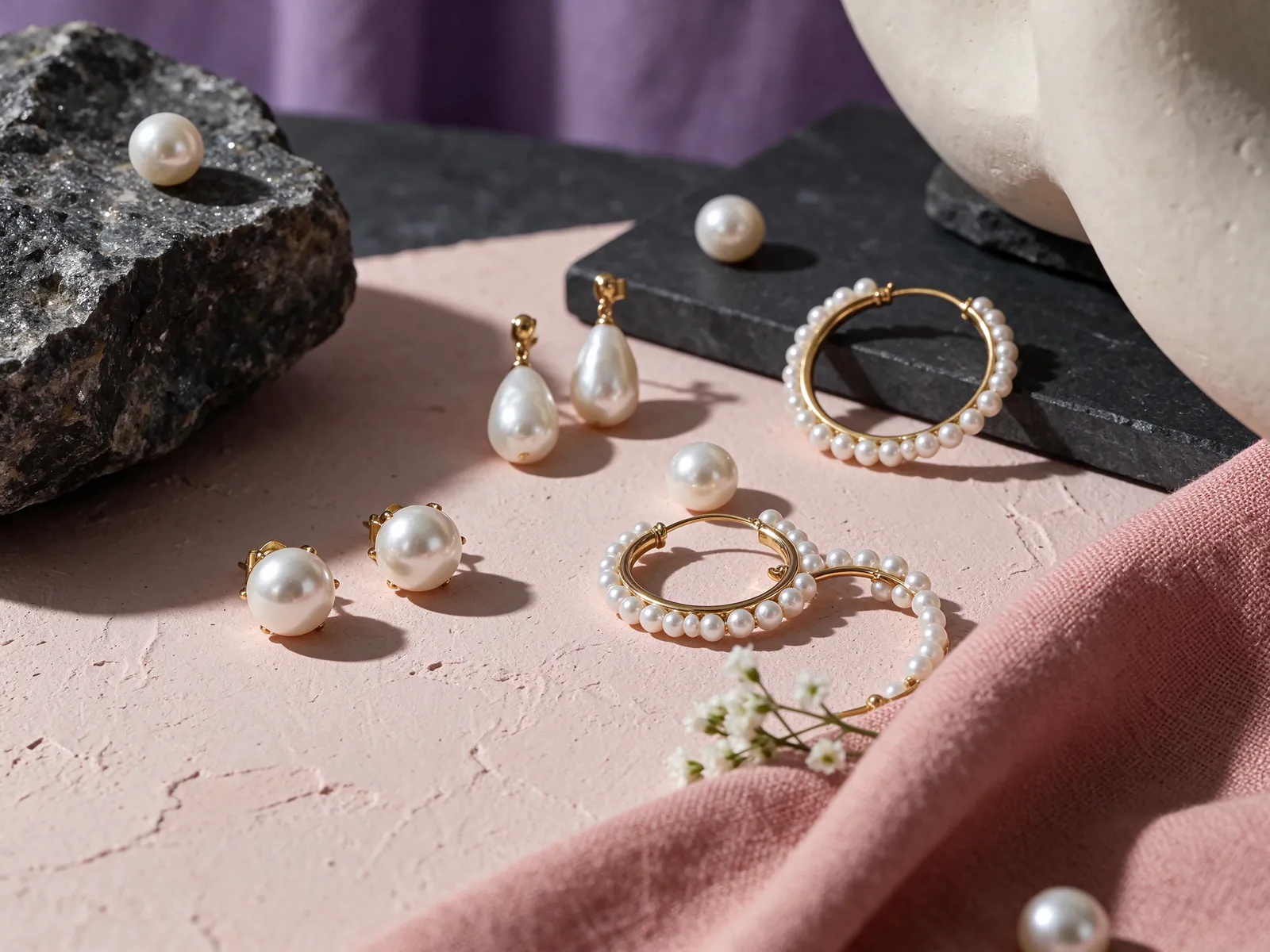
A pearl’s shape or color alone cannot establish its origin, natural-versus-cultured identity or whether it has a certificate. Read the description of the particular piece you are considering. If a document accompanies it, check the issuer, the described item and the document’s scope. Identity information, quality assessment, pricing and aftercare commitments are separate matters; documentation does not automatically promise retained value or a warranty. This page’s images illustrate styling and pearl knowledge, rather than establish pearl type, certification, dimensions, price or stock.
Give the ordinary day a genuine, low-pressure reason
Just because pearl gifts can begin with something small you remembered: a conversation on a walk, a recent accomplishment or a style the recipient mentioned. A note describing that real detail explains why you chose this day. Say what stayed with you and let them enjoy the gift on their own terms. Keep the message about appreciation rather than effort or expense. The recipient should not need to calculate which response would repay the gesture.
Think about what jewelry may communicate at this stage of the relationship. If the recipient dislikes public surprises, a private handover can avoid an unwanted audience. If your intention is supportive friendship, start instead with pearl gifts for a friend and make that intention clear. A thoughtful setting should reinforce the message, not rely on ambiguity to suggest a commitment neither person has discussed.
Write a note that allows an unscripted response
Describe what made you think of them, then let them enjoy the jewelry on their own terms. Avoid invented memories, demands to wear it on a particular date or claims that pearls will improve the relationship. If they choose not to put it on immediately, that is not a test result. Their outfit, activity and personal timing belong to them.

Decide whether the gift is about affection or a life transition
An ordinary-day surprise does not need the formal tone of an anniversary. When it falls near graduation, consider whether you are celebrating that achievement or simply expressing affection. The topic of pearl graduation gifts focuses on the transition and how jewelry might fit the next stage of life. Saying which reason matters helps the gift feel intentional rather than blur two different moments together.
If you are actually remembering a period of life together, a pearl anniversary gift gives a different starting point for connecting that memory with daily wear. An ordinary-day surprise does not need anniversary language; thinking of the recipient today can be enough. A piece can have more than one meaning, but it does not have to become a required symbol at every future event or a daily expression of gratitude to the giver.
Make a spending decision without measuring affection in money
Set a spending range that feels comfortable, using pearl gifts by budget to organize the choices before evaluating a specific piece’s description and quote. A higher amount does not demonstrate a deeper connection. Clarify the jewelry decision, design discussion and presentation arrangements separately, including the material and fit details that matter to the quote. If important preference or size information remains unknown, begin with a personal card and an invitation to choose together instead of rushing to preserve secrecy.

Make pearl care a simple part of the handover
GIA places pearl at 2.5 on the Mohs hardness scale. A useful gift-care message is to avoid rubbing against harder jewelry, store pieces separately and wipe pearls after wear with a very soft, clean cloth. This hardness number does not set a service life or predict what a particular impact will do. It supports a gentle routine rather than a durability promise.
Use perfume, hair spray and cosmetics before putting jewelry on, and keep pearls away from acids and excessive heat. Never use ultrasonic or steam cleaners for pearls, and avoid prolonged soaking. Care must account for thread, adhesives, settings and metal, not just the pearl surface; a gentle pearl-cleaning method does not make immersion suitable for every complete piece. If strung pearls are cleaned with water, the string must dry completely before wear. The pearl care guide supports a manageable routine; stop wearing loose or frayed pieces until they can be assessed.
Prepare useful details for a gift discussion
Discuss preferences with Flint Jewelry on WhatsApp +85260106207, including the jewelry category, usual necklines, favored metal color and any known wearing details. Explain your intended message, comfortable spending range and undecided choices. Use only photos or personal information the recipient is comfortable sharing through you. Confirm materials, dimensions, the quote and arrangements for a particular design during the conversation. An illustration or an undefined request for the most romantic piece cannot settle those details.
| What you notice | Direction to explore | Everyday check | Question to ask | Message to convey |
|---|---|---|---|---|
| Mostly crew-neck tops | Necklace placement or earrings | Will the fabric edge hide the chain? | Do you like a necklace over clothing or in an open neckline? | I remember your favorite outfits |
| Uses a headset often | Earring movement and fastening | Is there contact when the head turns? | Which type of fastening do you normally use? | The way you spend your day matters |
| Wears subtle accessories | A familiar, restrained outline | Does it work as a single accent? | Would this be for daily wear or occasional outings? | Enjoy it in your own style |
| Has reached a milestone | Separate achievement from everyday affection | Consider the next stage of their routine | What would you like this moment to represent? | Recognize a real accomplishment |
| Likes selecting jewelry personally | Choose together and personalize the note | Try a usual outfit as a reference | Would you like to start with a category or a silhouette? | Your choice is part of my gift |
Pearl knowledge and authoritative references
GIA describes seven pearl value factors: size, shape, color, luster, surface quality, nacre quality and matching. Matching applies to jewelry with two or more pearls. The framework helps describe preferences, without automatically grading or certifying an individual gift.
Read the reference for this factFrequently asked questions
Is pearl jewelry too serious for a gift with no special occasion?
The recipient's preferences matter more than a universal etiquette rule. A casual presentation and a clear personal reason may suit an ordinary day. If unexpected jewelry would create discomfort, choosing the piece together can be a better approach.
Can I ask about jewelry preferences and still call it a surprise?
Yes. Discuss essential choices such as jewelry category, earring fastening and actual sizing for rings or bracelets while keeping the note and handover personal. A surprise does not require you to guess a detail that could determine whether the gift can be worn.
Should I choose a heart-shaped design to make the intention romantic?
Only if that style appeals to the recipient. The note and your shared context can explain the intention without a prescribed motif. A shape has visual meaning, but it cannot create affection or guarantee how a gift is received.
Should I ask the recipient to wear the gift for our next outing?
You can invite a styling conversation, but avoid making wear a condition of accepting the gift. Let them decide whether it suits the outfit and activity. Not wearing it immediately does not by itself explain their feelings about you or the gift.
What can I write when there is no anniversary or achievement to mention?
Use a real everyday detail: something they said, a place you shared or a quality you appreciate. A short, honest note is enough. Leave out claims that the pearl will change the relationship or that a particular reaction is expected.
Does a just-because pearl gift need a quality certificate?
Begin with the specific pearl description and whether documentation is actually provided. If it is, check the issuer, the described item and what the document covers. It does not replace suitable style and fit, or automatically establish fair pricing, retained value or an aftercare guarantee.
Updated: