
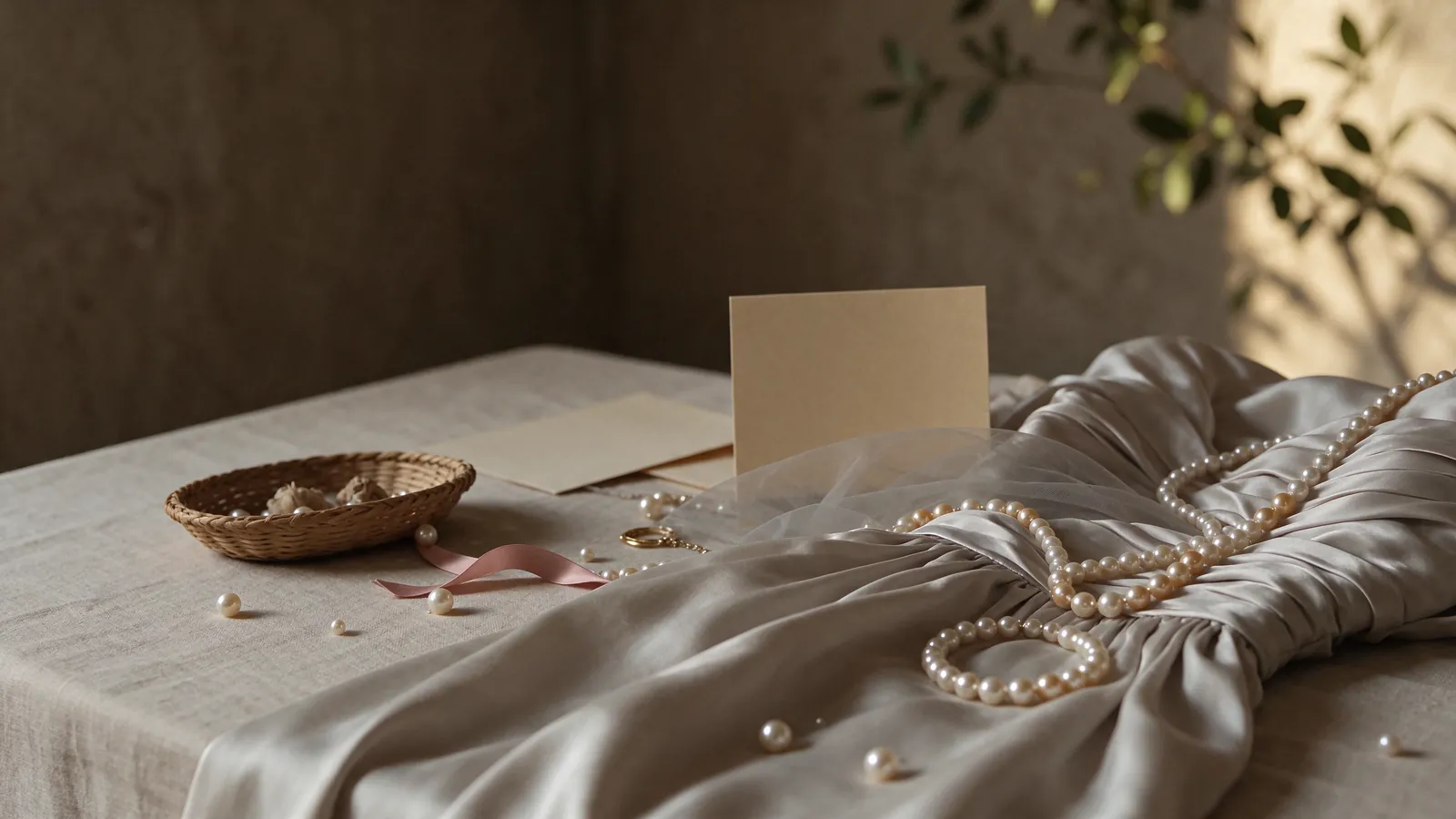
In wedding traditions, what do pearls symbolize, and how does pearl meaning and symbolism shape the meaning of giving pearls?
GIA's June birthstone history connects pearls with purity, humility and innocence, and notes their traditional use as wedding gifts. Their soft glow can also express a wish for harmony without becoming a requirement for bridal style. If you are giving jewelry to a bride, find out whether she wants it for the ceremony, the reception or life after the wedding. Her dress, neckline and hairstyle may already have a clear direction. A considerate gift leaves her free to complete that direction, rather than asking her to wear a piece because you associate pearls with brides.
For a couple, consider describing harmony as listening to each other and making room for everyday kindness. It is a warmer, more realistic wish than suggesting that marriage should never include conflict. Your own accessories as a guest are a separate question from the gift you give. Follow the invitation and the hosts' preferences, using wedding guest pearl jewelry etiquette to think through the occasion. No single pearl color can establish a dress rule for every wedding, and a cultural association should not overrule the couple's stated wishes.
How can a personal wedding message reflect pearl meaning and symbolism, answer ‘what do pearls symbolize?’ and clarify the meaning of giving pearls?
Build the card around something you have actually seen. For example: 'Watching you welcome friends into your home reminded me how well you care for people together. These pearls make me think of that gentle strength. I hope you keep finding joy in the small things you share.' The memory gives the symbolism a personal foundation without predicting a future outcome.
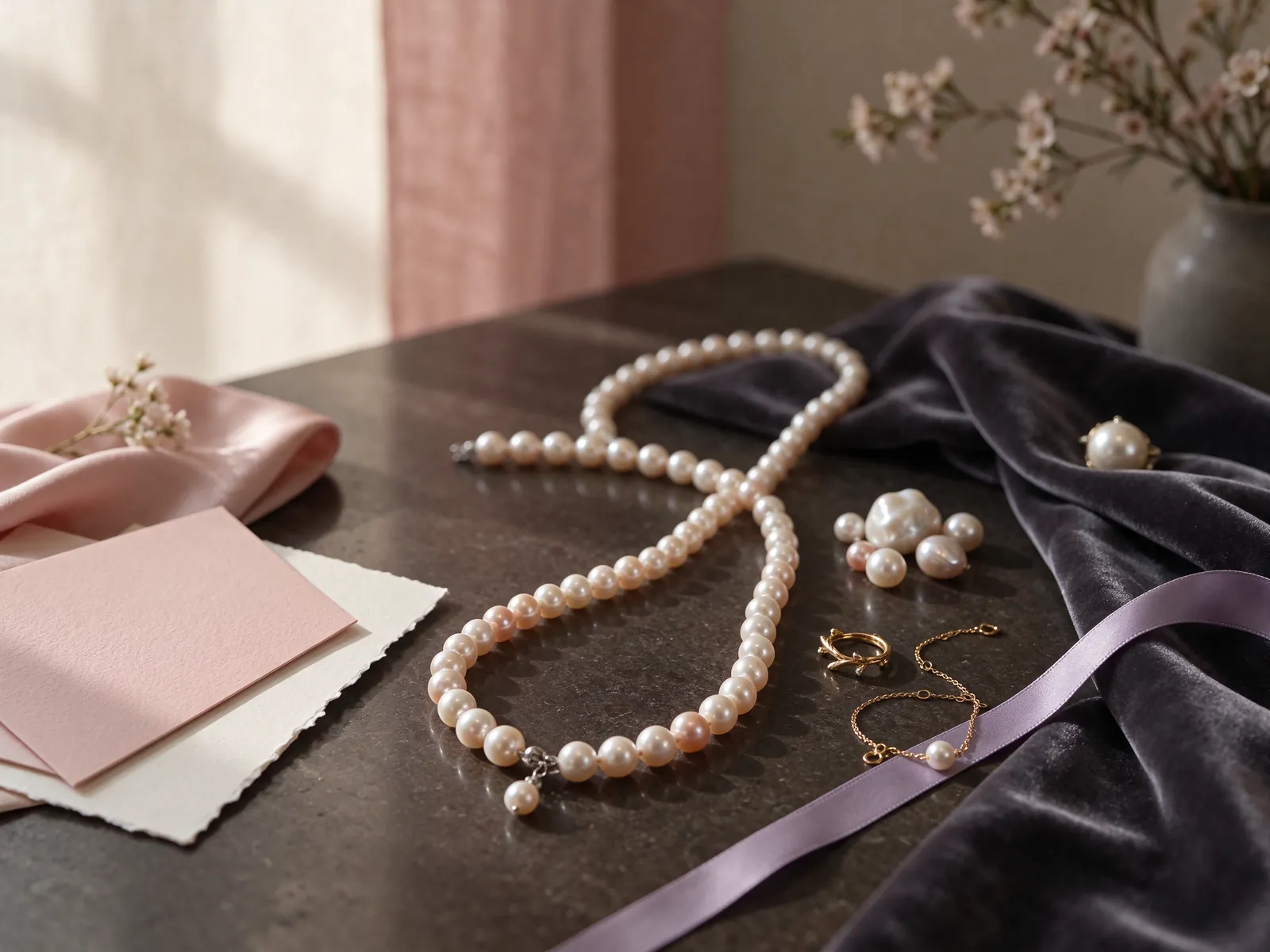
Separate the story you love from the qualities you are buying
WSP's June birthstone article lists health, longevity, wealth, purity and harmony as pearl meanings. These are cultural associations described by that source, not universal beliefs or effects created by wearing jewelry. A parent might receive a wish for a peaceful, comfortable life; a friend might receive encouragement for a new chapter. Names such as mermaid's tears or drops of the moon belong to poetic descriptions of the glow. They cannot identify where a pearl came from, how it formed or its treatment status. Enjoy the story without treating it as a promise of protection, financial success or documented identity.
GIA describes seven pearl value factors: size, shape, color, luster, surface quality, nacre quality and, for jewelry containing two or more pearls, matching. These organize quality considerations; they do not measure a gift's meaning or certify a Flint piece. When looking at Pearl Jewelry, separate emotional response from the written description. A pearl grading guide can help you ask questions, but merchant labels such as AAA and AAAA are not globally standardized or GIA grades. If a report accompanies a piece, read its identity findings and the qualities actually recorded. A document is not a valuation, investment promise or service guarantee. Appearance alone cannot establish natural-versus-cultured identity or origin.
Choose language that offers a wish instead of a promise
A wish for prosperity can become 'I hope you have room to do more of what you love.' A wish for health can become 'May you find time for rest and the people who care about you.' These messages remain generous without claiming that a pearl can change someone's finances, health or luck.
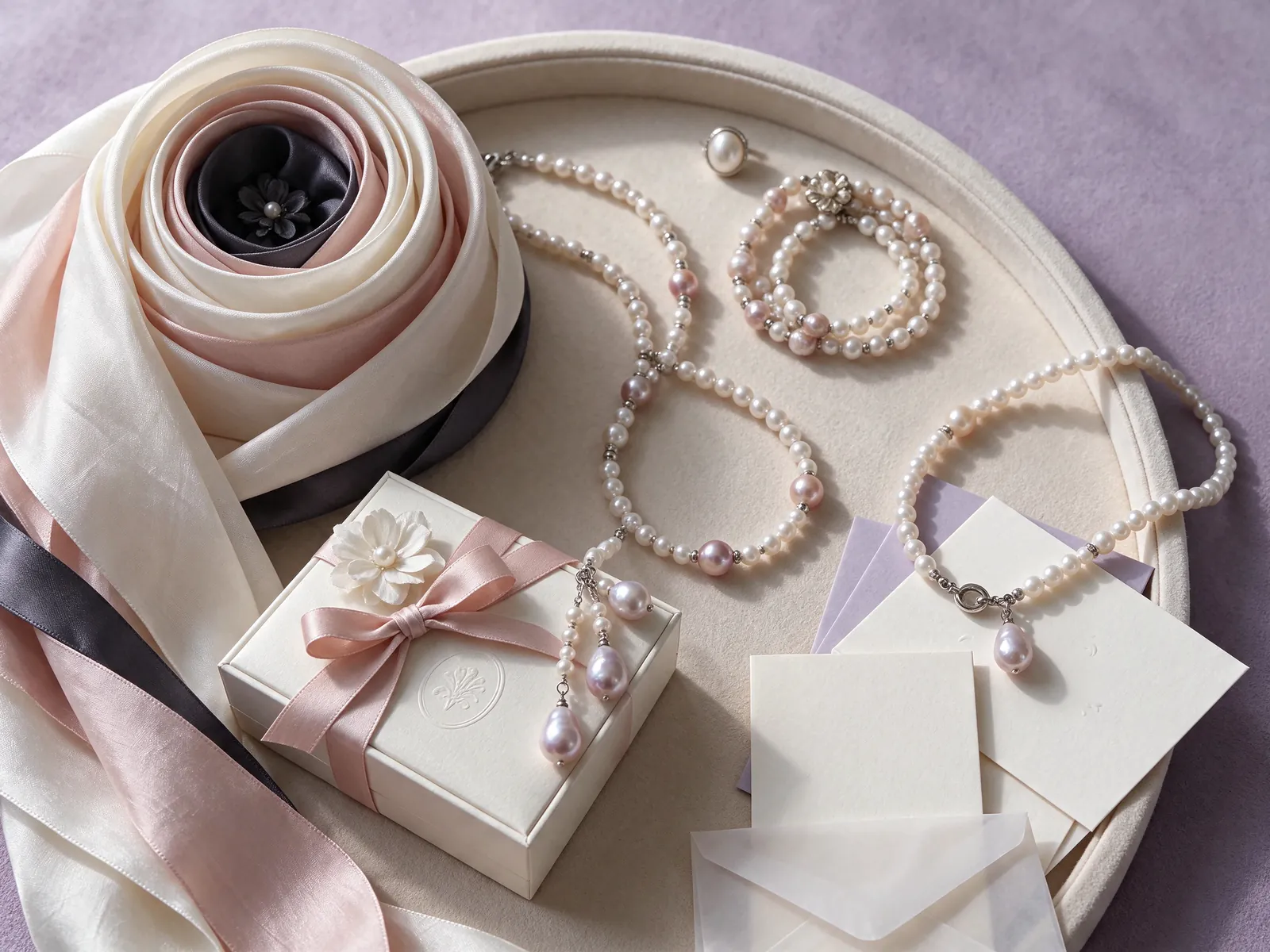
Choose for the person you know, not a category they belong to
For Mom, look at habits before making assumptions about age or tradition. Does she enjoy earrings with everyday clothes, save necklaces for dinners, or rarely wear jewelry at all? Glasses, favorite collars and how she wears her hair can affect what feels comfortable. Thanking her for care does not require a formal or visually elaborate piece. A card recalling a conversation, an afternoon together or a small kindness may explain your choice more clearly than calling pearls the standard gift for mothers.
For a best friend, consider the style she already enjoys. A simple outfit might leave room for earrings as a focal point; layered necklaces call for attention to tangling or rubbing between pieces. For a partner, name the occasion so a birthday gift is not mistaken for a proposal. A message such as 'Thank you for making time to listen during a difficult week' explains appreciation more clearly than expecting pearls to announce everlasting love. Say whether you are celebrating encouragement, shared experiences or an anniversary. The recipient should not need a new wardrobe or personality to make the gift appropriate.
Preserve the surprise while learning how the gift would be used
Ask about a real choice: 'Would you rather have earrings you could wear to work, or a necklace for evenings out?' You can also ask which necklines or existing pieces they would want to pair with something new. These answers are more useful than guessing from age or skin tone. A clear dislike of pearls is a preference to respect, not a challenge to overcome.
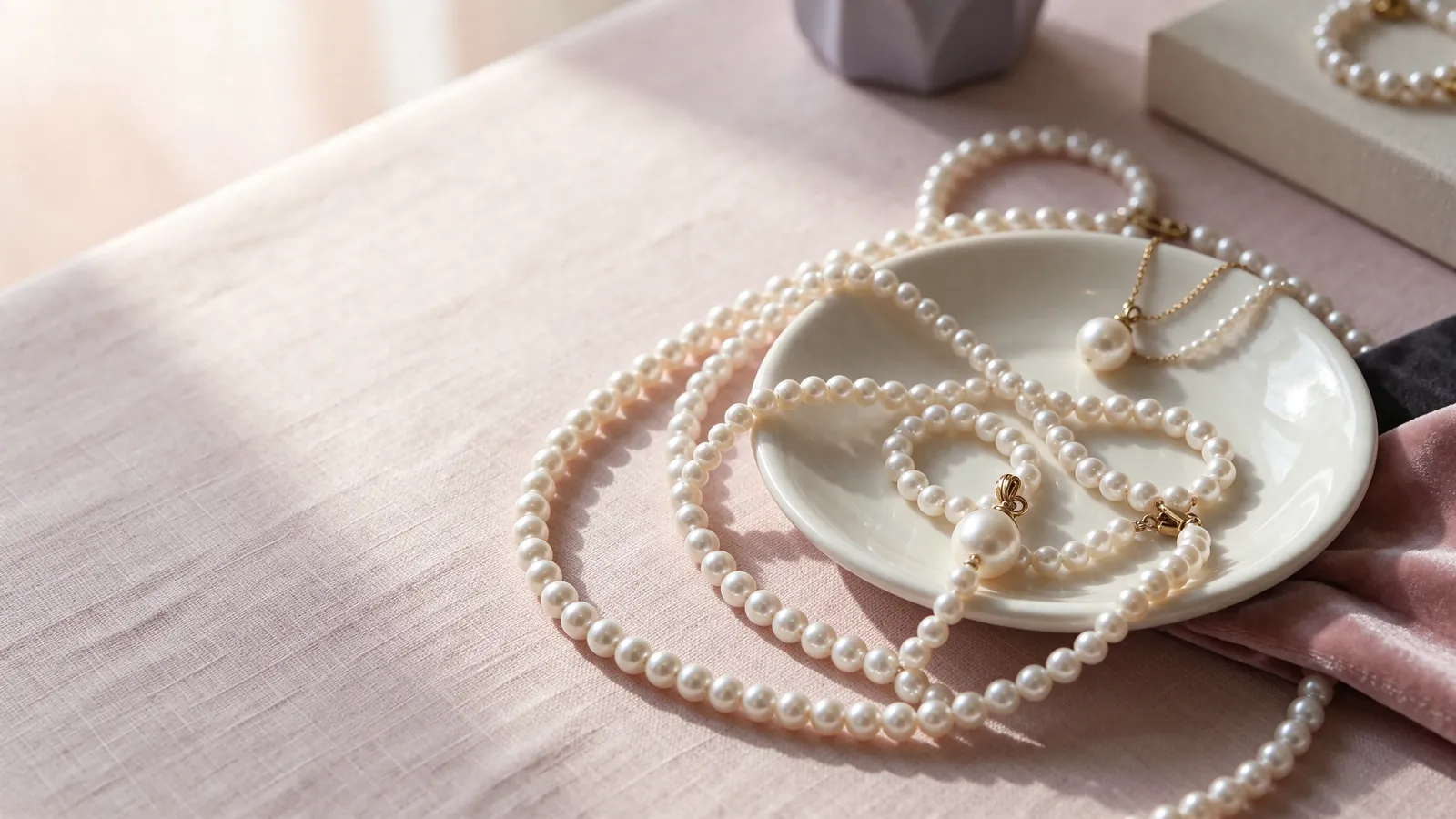
Let color support the outfit and the message
WSP associates white pearls with humility and sincerity, and black pearls with quiet strength. Use those ideas as possible language for a card, not fixed personality labels. White pearls may also suggest understated elegance, while dark pearls may feel calm and distinctive. Explore pearl color meanings to find language that resonates, then return to the recipient's actual wardrobe. Would the piece blend into their usual colors or create contrast they would enjoy? Someone who likes a quiet look may prefer a different balance from someone who wants a strong focal point. Neither choice carries a more correct or powerful meaning.
If you are drawn to black pearl meaning because it suggests reflection or composure, picture the jewelry with clothing the person owns: an ivory shirt, a gray jacket or a clean-lined black dress. That exercise turns an abstract association into a practical decision. Pay attention to lighting and backgrounds in photographs, since they affect how color looks. A dark appearance is not proof of species, origin or treatment status. Use the story to shape your sentiment, but use the description and visible qualities to understand what you are considering.
Pick a visual focus rather than following a supposed lucky color
A high collar can make earrings a useful focal point, while an open neckline calls for attention to the necklace's position. If a dress or hair accessory already has detailed decoration, simpler jewelry can leave space for the pearl's luster. These observations help balance an outfit; they do not define who is allowed to wear a particular color.
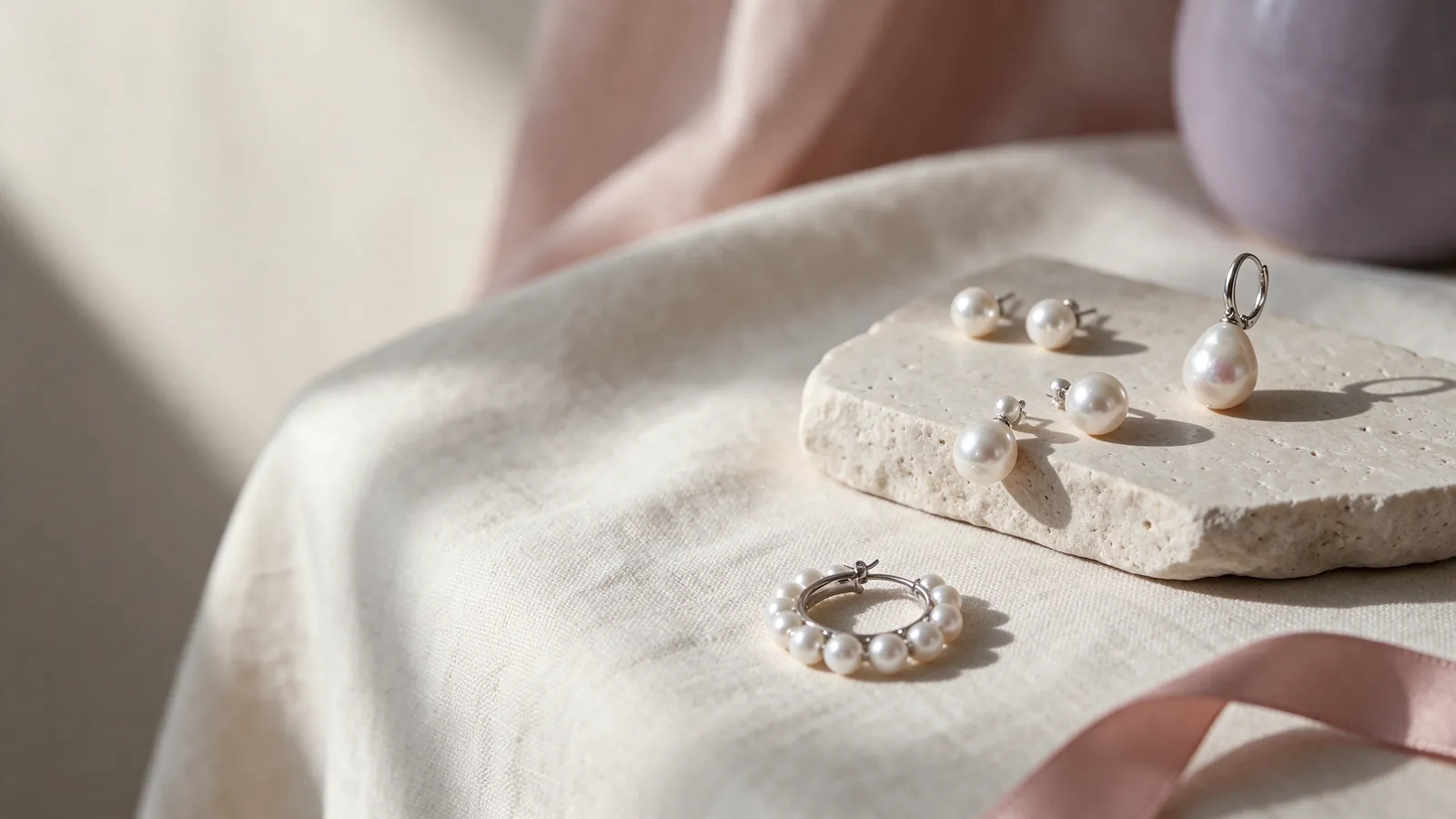
Make a birthday or anniversary about your shared history
GIA identifies pearl as one of June's birthstones. June birthstone pearl meaning therefore offers a natural theme for a June birthday, but it is a storytelling connection, not a restriction on who can wear pearls. Someone born in another month may love them, while a June birthday does not override a dislike of pearl jewelry. Decide whether the gift is for daily use or a special occasion. A message about being remembered all year may fit an everyday piece better than a birthday-only instruction. The month gives context; the person's routine determines whether the gift feels useful.
For June birthstone pearl gifts, start with usefulness, then explain the birthday connection in the card. GIA's anniversary gemstone list places cultured pearls at the 30th anniversary and notes that such lists have no single authoritative source. Treat 30th pearl anniversary gifts as a commemorative convention, not a rule every couple must follow. The years can open a specific memory rather than demand an elaborate object: building a home, taking a trip or sharing ordinary responsibilities. Matching jewelry is unnecessary. Each person's willingness to wear a piece and preferred style matter more than making two objects look identical.
Use a small detail to give the milestone its own voice
Recall a meal you improvised, a familiar joke from a road trip or a rainy day you still enjoyed together. Explain that the pearl's quiet glow reminds you of that steady connection. A specific detail celebrates what you have lived, without suggesting the jewelry will preserve the relationship or comparing your anniversary with anyone else's.

Offer remembrance without assigning meaning to someone else's grief
A pearl's association with tears may feel tender to one person and uncomfortable to another. Before choosing remembrance pearl gifts, ask whether a wearable keepsake is welcome. The recipient may prefer a letter, photograph or private object that does not become part of an outfit. If a loved one often wore pearls, a familiar family memory may provide a meaningful connection. That personal history deserves more weight than a general claim that pearls are suitable for everyone who is grieving. Let the recipient decide what they want to keep close.
Avoid presenting jewelry as a way to end sadness or asking someone to wear it immediately as proof of appreciation. A keepsake can carry a memory without guaranteeing comfort. Offer to help choose a reminder later if they want one, and accept that no gift may feel right. For a memorial or funeral, respect the clothing preferences of the family, faith community and organizers. Pearls are not a universal ritual requirement. An understated appearance may be appropriate, but the context matters more than the gemstone. Patient company and listening offer care without telling someone what grief should look like.
Write about the person remembered, not about moving on
Try a message such as: 'I remember how she made time to listen. I hope this small keepsake holds a little of that kindness for you.' Do not promise that wearing it will ease grief. Give the recipient room to keep it privately, wear it later or decide that jewelry is not the right reminder.

Make the thoughtful choice wearable and manageable
A practical purchase begins with three questions: how will the jewelry be used, which appearance or wearing details matter, and what does the written description say about the pearl and construction? Earrings should be considered alongside glasses and hair; necklaces alongside favorite collars and daily movement; rings and bracelets alongside activities that could involve contact or knocks. These questions are more useful than asking which type of jewelry has the strongest symbolism. You do not need a complete set for a gift to express a complete thought.
Include care as part of the gesture. GIA's care page lists pearl at 2.5 on the Mohs hardness scale and advises against ultrasonic or steam cleaners. A very soft, clean cloth after wearing is suitable routine care; avoid perfume, hair spray, excessive heat and scratches. A pearl care guide helps with daily habits, but account for the entire piece, including stringing, adhesive and settings. Water-tolerant metal does not make prolonged soaking suitable. If a strand loosens or a pearl becomes unstable, stop wearing it and request an assessment rather than applying glue or assuming a replacement will match. This is care advice, not a warranty or promise of permanent protection.
Read the card beside the intended everyday use
A message about daily companionship should accompany something that fits the recipient's daily style. A remembrance message should name a memory they recognize. A bridal gift should leave styling decisions with the bride. Checking these connections makes the sentiment specific and gives the wearer freedom to decide how the piece becomes part of their own story. The images here illustrate styling and pearl knowledge; they do not establish type, natural or cultured identity, treatment, origin or grade. Use the individual piece's information for those questions. You can discuss the gift's sentiment with Flint Jewelry on WhatsApp +85260106207, sharing the occasion, wearing preferences and budget direction without assigning a price to symbolism.
| Occasion | Sentiment to express | Preference to explore | Outfit or use consideration | Personal card idea |
|---|---|---|---|---|
| Wedding gift | Harmony and a welcoming new chapter | Wedding-day wear or use after the celebration | Complement the bride's existing styling choices | Recall how the couple cares for others |
| Gift for Mom | Appreciation for everyday kindness | Whether she enjoys wearing jewelry regularly | Think about glasses, hair and favorite collars | Describe a kindness you still remember |
| Gift for a best friend | Sincerity and being there for each other | Simple focal point or layered accessories | Allow for contact with pieces already worn | Name an experience you shared |
| Birthday or anniversary | A meaningful date and lasting connection | Everyday use or occasional dressing up | Prioritize each person's style over identical pieces | Connect the date with one lived memory |
| Remembrance gift | Holding a loved one's memory | Whether jewelry is a welcome reminder | Respect private use and memorial clothing preferences | Remember the person without directing grief |
Pearl knowledge and authoritative references
GIA's anniversary gemstone list places cultured pearls at the 30th wedding anniversary, while stating that such lists have no single authoritative source. A pearl anniversary can inspire a commemorative gift; it does not impose a rule or guarantee a relationship's future.
Read the reference for this factFrequently asked questions
Will my partner read a pearl gift as a proposal?
The jewelry alone does not determine that meaning, but unclear context can create expectations. Name the birthday, anniversary or thank-you you are celebrating and explain the memory behind your choice. If the occasion could be misunderstood, communicate directly rather than relying on a symbolic description of pearls.
Is the pearl-and-tears association a rule against bridal pearls?
No universal rule follows from that cultural or poetic association. Some people value pearls as a sign of harmony or because of a family memory; others are uncomfortable with the tear connection. Ask the bride and respect her preferences instead of treating one interpretation as mandatory wedding etiquette.
How can I include a wish for Mom's wellbeing without overstating pearl symbolism?
Write the wish as something you hope for her life: time to rest, enjoy family or do what she loves. Do not say that wearing pearls treats illness or guarantees a longer life. Add a real example of her kindness so the message is personal rather than a list of auspicious words.
Can someone born outside June receive a pearl birthday gift?
Yes. The June birthstone connection is a cultural theme, not a requirement for receiving or wearing pearls. A person who enjoys pearls can appreciate them in any month. Conversely, a June birthday is not a reason to ignore the recipient's preference for another kind of gift.
How do I share care advice without making the gift message feel technical?
Keep the card focused on your memory and wish, and include a separate short care note. Explain gentle wiping after wear, avoiding perfume and not using ultrasonic or steam cleaning. The recipient then gets practical information without losing the personal meaning of the gift.
Updated: