

Styling a baroque pearl brooch: how can an irregular pearl brooch or baroque pearl pin complement a lapel?
Think of the lapel as a shaped space with an edge and a fold, not simply a place to attach jewelry. Before choosing a pearl brooch, compare its broadest point with the part of the lapel where you would wear it. Leave enough visible space to read the outline. An upper-body photograph can reveal whether the design balances the collar and shoulder line, while a detail photograph alone cannot show that relationship.
A compact outline can be useful on a slim lapel, and a wider lapel gives you more room for an extended contour. Still, width is only the starting point. Check how the design sits when the jacket is buttoned and unbuttoned, and whether a curved edge disappears beneath a fold. A brooch that looks balanced on a flat garment may sit differently once the jacket is on your body.
Positioning a baroque pearl brooch: how does the outline of an irregular pearl brooch or baroque pearl pin guide its angle?
Test a position against the clothing before inserting the pin. Follow the lapel with an elongated shape, then compare an angle that creates contrast. Notice where any tip ends up when you bend an arm or sit down. A photograph offers one possible arrangement, not a required direction; choose an angle that preserves the outline without crowding your neck, sleeve or garment fold.

Evaluate the pearl without treating irregularity as a grade
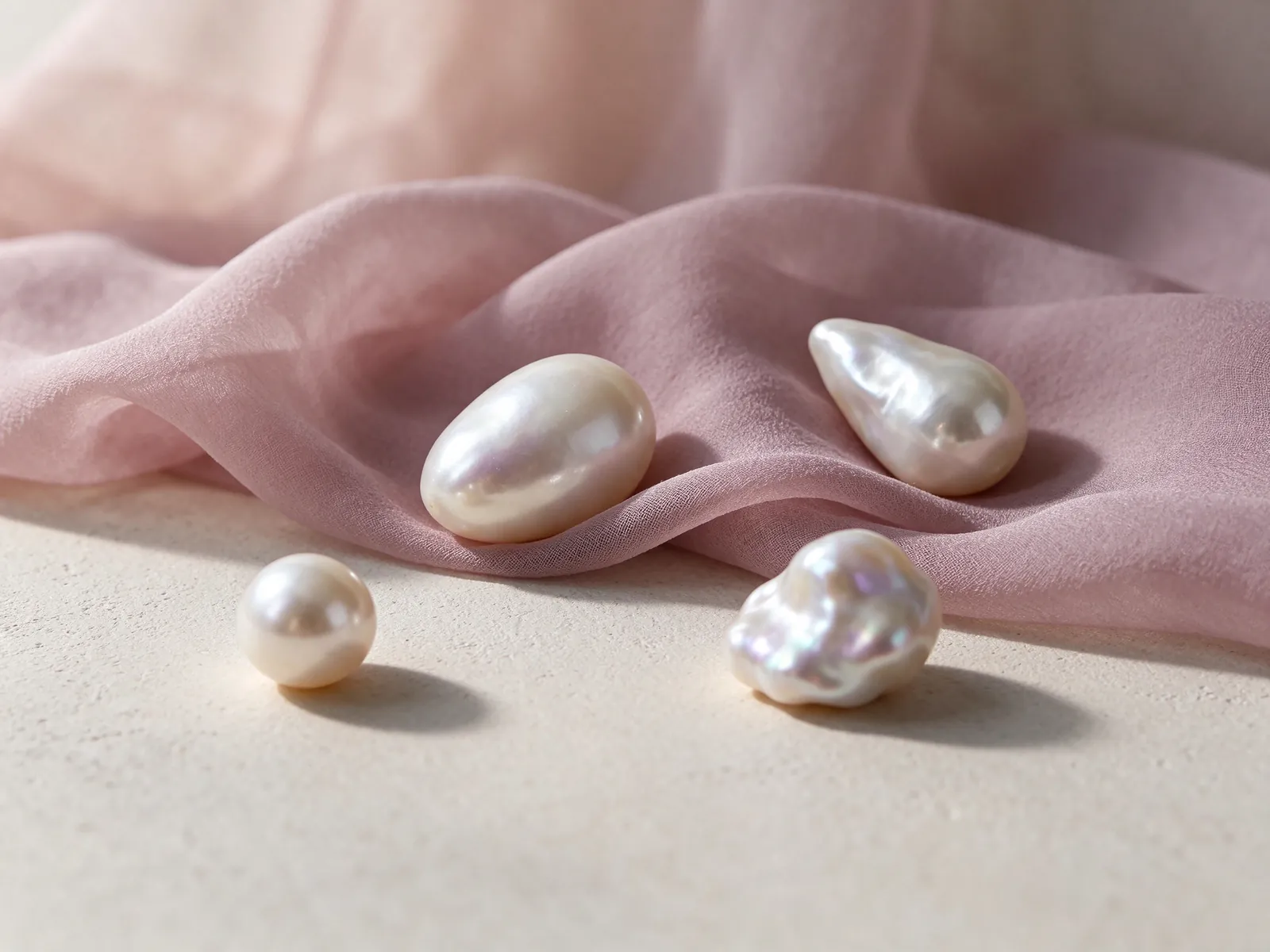
The term baroque refers to shape. It does not, by itself, tell you the pearl's quality, origin or identity. Exploring baroque pearls can help you recognize how bulges, curves and tapered areas create different silhouettes. On a brooch, also notice which edges the setting reveals. A frame might emphasize one curve and conceal another, so the visual effect belongs to the pearl and metalwork together.
Study luster and visible surface detail as separate observations. Similar lighting makes comparisons more meaningful, and a changed viewing angle helps you distinguish shadows caused by relief from marks on the surface. If a mounting covers part of the pearl, ask about that concealed area rather than extrapolating from a polished front view. The most distinctive shape is not automatically the best choice for your priorities.
Keep type, shape and identity in separate categories
When reading about an Akoya pearl brooch or a freshwater pearl brooch, separate the stated pearl type from its shape and color. An irregular contour cannot establish natural versus cultured identity, origin or treatment status. GIA's seven pearl value factors are size, shape, color, luster, surface quality, nacre quality and matching. For a single-pearl brooch, concentrate on the individual pearl's factors; matching becomes relevant when a design contains multiple pearls. These factors do not replace an inspection of the fastening, balance and setting, nor do they certify or grade a Flint piece.
Decide how clearly you want a motif to read
An abstract brooch can make the pearl's contour the focal point, without asking it to represent a particular subject. A figurative design uses that contour within a recognizable image. With a parrot pearl brooch, consider how the pearl connects visually to the surrounding lines and whether the subject remains clear from across a room. Tiny decorative elements are secondary if the main silhouette becomes difficult to understand on clothing.
The garment can either clarify or complicate that image. Fine stripes, dense checks and textured fabric may overlap with a detailed outline. Try placing the design over a quieter area of the garment before rejecting the combination. On a plain dress or jacket, you can concentrate more easily on the relationship between the pearl's relief and the metalwork, rather than on competing patterns.
Balance a favorite subject with practical edges
A cat pearl brooch can draw attention to a compact head-and-body relationship, while a horse pearl brooch may invite you to follow lines suggesting movement. These are ways of reading a motif, not guarantees about a particular design. Check any projecting tail, ear or branch against scarves and straps. A subject you love still needs an outline that works where you intend to wear it.

Make the fastening and fabric part of the decision
Turn your attention to the back and side of the design. The pin's direction, the operation of the catch and the distance between the pearl and fabric all affect how the brooch wears. A projecting element can shift the balance away from the garment. Ask about the complete piece's dimensions and weight instead of using the pearl's apparent size as a substitute for understanding its support.
A tailored jacket may provide more structure than a fine blouse, but suitability still depends on the individual fabric and brooch. Loose knitting can catch a pin in a yarn; delicate woven cloth may show a puncture or pulling. If the garment is especially valuable to you, choose a less vulnerable wearing surface rather than forcing the arrangement. Never drag a partly engaged pin through the cloth to reposition it.
Include the movements of an ordinary day
With the catch properly closed, gently check sitting, turning and reaching. Look for contact with a bag strap or a fold that presses on the design. Remove the brooch before moving it elsewhere. If the pin is bent, the catch does not close reliably or the pearl's attachment appears to move, stop wearing the piece and have a jewelry professional examine it rather than making an improvised adjustment.
Use color contrast thoughtfully, without inferring identity
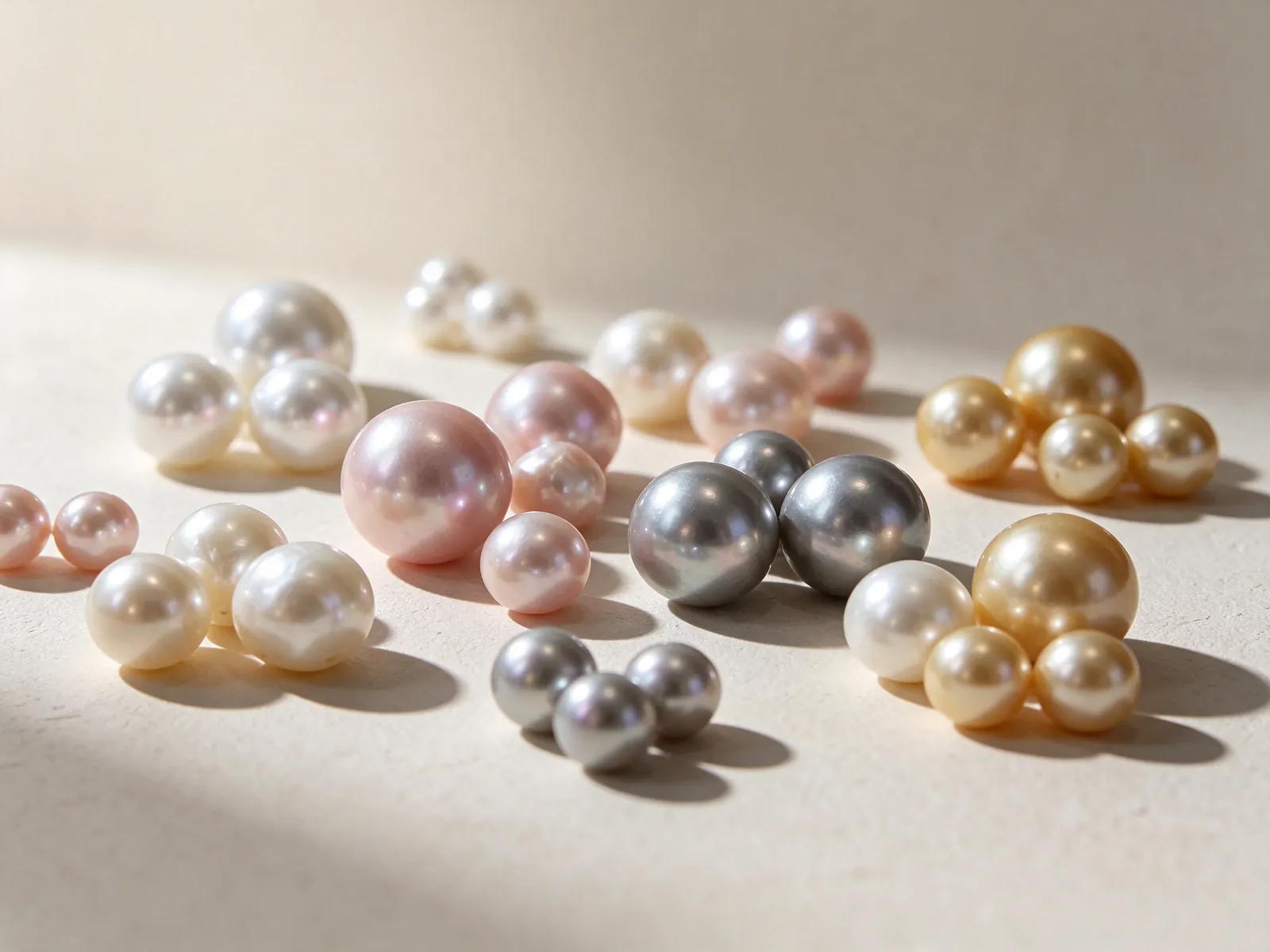
Choose the role you want color to play. Strong light-dark contrast can make an uneven outline visible, while similar tones can create a quieter effect that depends more on luster and depth. Compare the brooch against your actual garment in diffuse daylight and normal indoor lighting when possible. The color in one photograph should not become an expectation that the same appearance will persist under every light.
GIA describes bodycolor, overtone and orient as distinct color components; not all pearls show every component. A pink, green or gray reflection does not independently establish origin or pearl type. If a Tahitian black pearl brooch interests you, read its pearl description separately from deciding which clothing offers the contrast you prefer. Styling can begin with visual relationships without claiming an identification from those relationships.
Give the brooch room among other jewelry
Start with restrained earrings or a simple necklace if the brooch has an elaborate outline. You can then add another element and see whether it supports or competes with the focal point. Matching every metal color is not essential; a small repeated tone can connect otherwise different pieces. Pay particular attention to the area between the collar and face, where several bold details may crowd one another.

Choose for the wardrobe and occasion, not novelty alone
For daily use, picture the jacket, cardigan or dress you reach for most often. A workable placement on familiar clothing matters more than an impressive close-up. Occasion dressing may offer a broad area of plain fabric for a sculptural outline, but gathering, embroidery or an existing decorative closure can already occupy that space. Compare the brooch with those features before adding another focal point.
For a gift, learn whether the recipient enjoys using pins and what fabrics they usually wear. Someone who rarely wears structured layers may have different needs from someone who uses a blazer every day. Preferences for abstract forms or animal subjects are useful, but so is comfort with the catch. Selecting an unusual shape without considering those habits can leave the gift difficult to incorporate into regular outfits.
Make a styling conversation specific
Prepare a photograph with the collar and shoulder line visible, plus a closer image for discussing details. A side view can help describe projection and balance. A WhatsApp styling discussion with Flint Jewelry can center on your garment, preferred contrast and direction of wear. These practical examples communicate what you want more effectively than a request for the most unusual pearl shape.
Protect the pearl's surface and organize your buying questions
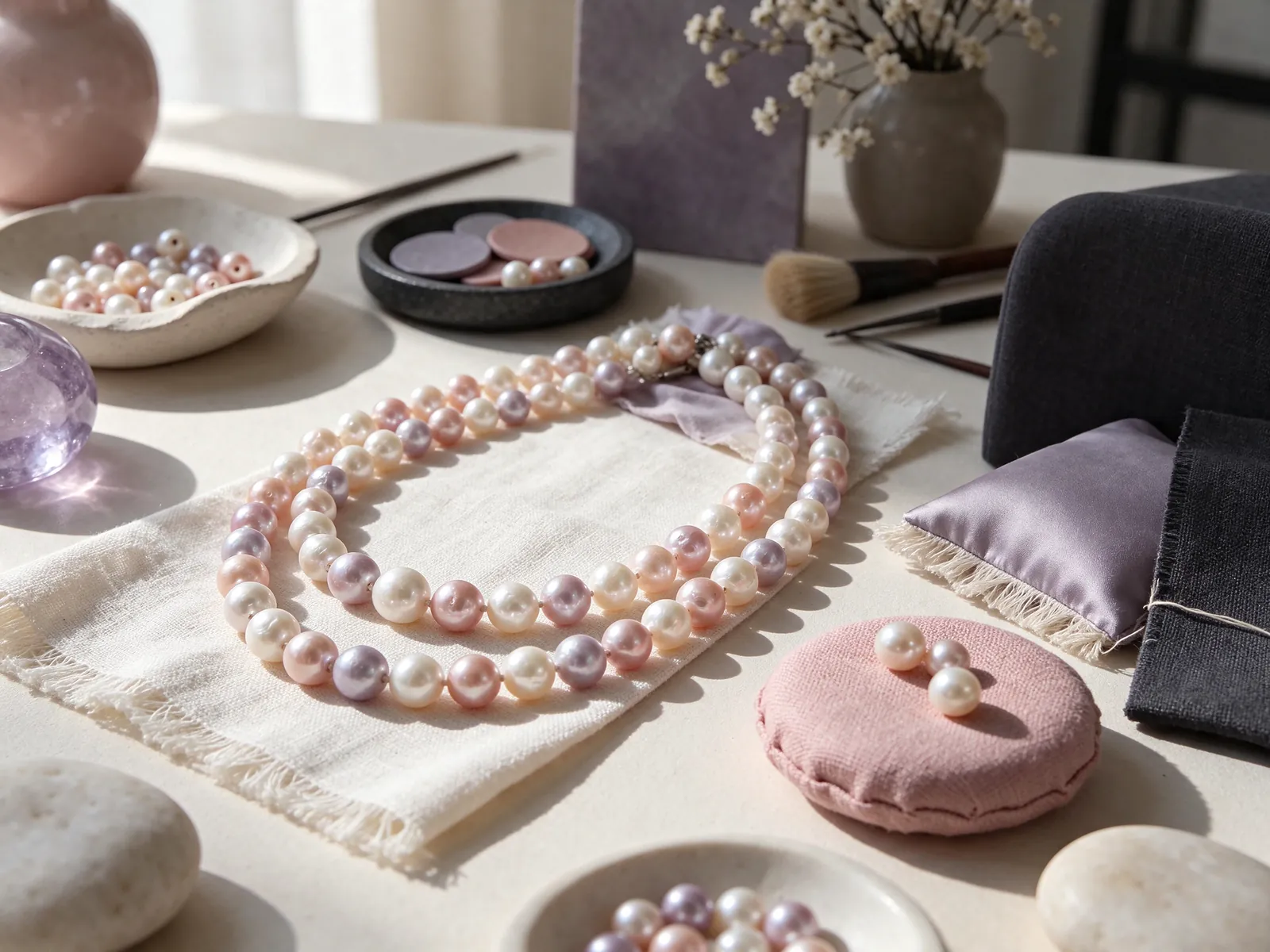
After wearing, gently wipe the pearl with a very soft, clean cloth. Follow the changing surface without scrubbing into recesses or using a pointed tool beside the mounting. GIA places pearl at 2.5 on the Mohs hardness scale, which makes abrasion against harder jewelry an important storage concern. Keep the brooch separate, with no pin tip or neighboring edge pressing against the pearl.
Avoid acids, perfume, hair spray and excessive heat. Apply spray products before putting the brooch on, and choose storage away from heat sources. GIA says pearls should never be cleaned in ultrasonic or steam cleaners. The presence of metal does not change that guidance for the pearl. If deposits collect around the setting, a professional familiar with pearls can assess the whole construction and an appropriate cleaning approach.
Finish with a complete, wearable comparison
Keep your final questions focused: how are the overall dimensions and weight described, how does the catch operate, what is stated about the pearl, and what fabric will support it? Return to the outfit once those points are clear. An irregular pearl brooch should offer a contour you enjoy while leaving enough room for movement and straightforward handling. Distinctiveness and everyday practicality can be assessed together. Discuss your familiar garments, preferred contrast and direction of wear with Flint Jewelry on WhatsApp +85260106207 for a styling conversation grounded in how you dress.
| Area of comparison | Visual or practical detail | How to test the idea | Useful question |
|---|---|---|---|
| Garment space | Lapel edge, fold and visible outline | View the jacket buttoned and open | Will the main contour stay visible? |
| Pearl quality | Luster and visible surface apart from shape | Compare angles under similar lighting | What is hidden by the mounting? |
| Design readability | Abstract movement or recognizable motif | Look at an upper-body view first | Does the fabric compete with the edges? |
| Wearing support | Pin, catch, projection and balance | Gently check sitting and reaching | Does this fabric support the complete piece? |
| Surface protection | Contact with harder edges and pin tips | Store separately after a gentle wipe | Does the proposed cleaner suit pearls? |
Pearl knowledge and authoritative references
GIA lists seven pearl value factors: size, shape, color, luster, surface quality, nacre quality and matching. Shape alone does not assess a baroque pearl brooch; matching applies when the design includes multiple pearls.
Read the reference for this factFrequently asked questions
Can a baroque pearl brooch work on a dress without lapels?
Yes, a lapel is not the only possible visual setting. Consider a clear area of fabric near the upper body, avoiding crowded trim or gathering. The fabric must suit the pin and complete piece's weight, and the placement should leave comfortable room when you sit or reach.
Does a more unusual pearl shape mean the brooch is better quality?
No. Distinctive shape can be a design preference, but it does not settle luster, surface condition or other pearl value factors. Compare the pearl and the brooch construction separately. Neither an irregular nor a round outline is a complete quality assessment on its own.
How do I keep a bold brooch from competing with my earrings?
Try the brooch with simpler earrings first and compare the space around the collar and face. Then add detail gradually. A repeated small color or metal tone can connect the pieces without requiring both to have equally elaborate outlines.
What should I know before choosing one as a first brooch gift?
Find out what clothing the recipient wears, whether they are comfortable using a pin catch and which design subjects they enjoy. Consider the complete silhouette and ease of placement, not just the unusual pearl. A familiar garment provides a useful starting point for the selection.
Why should I store a pearl brooch apart from other jewelry?
Pearl's Mohs hardness is 2.5 according to GIA, so contact with harder jewelry can cause abrasion. The brooch's own pin tip also needs to stay clear of the pearl. Wipe gently after wearing and arrange storage so no sharp edge presses into its surface.
Updated: