
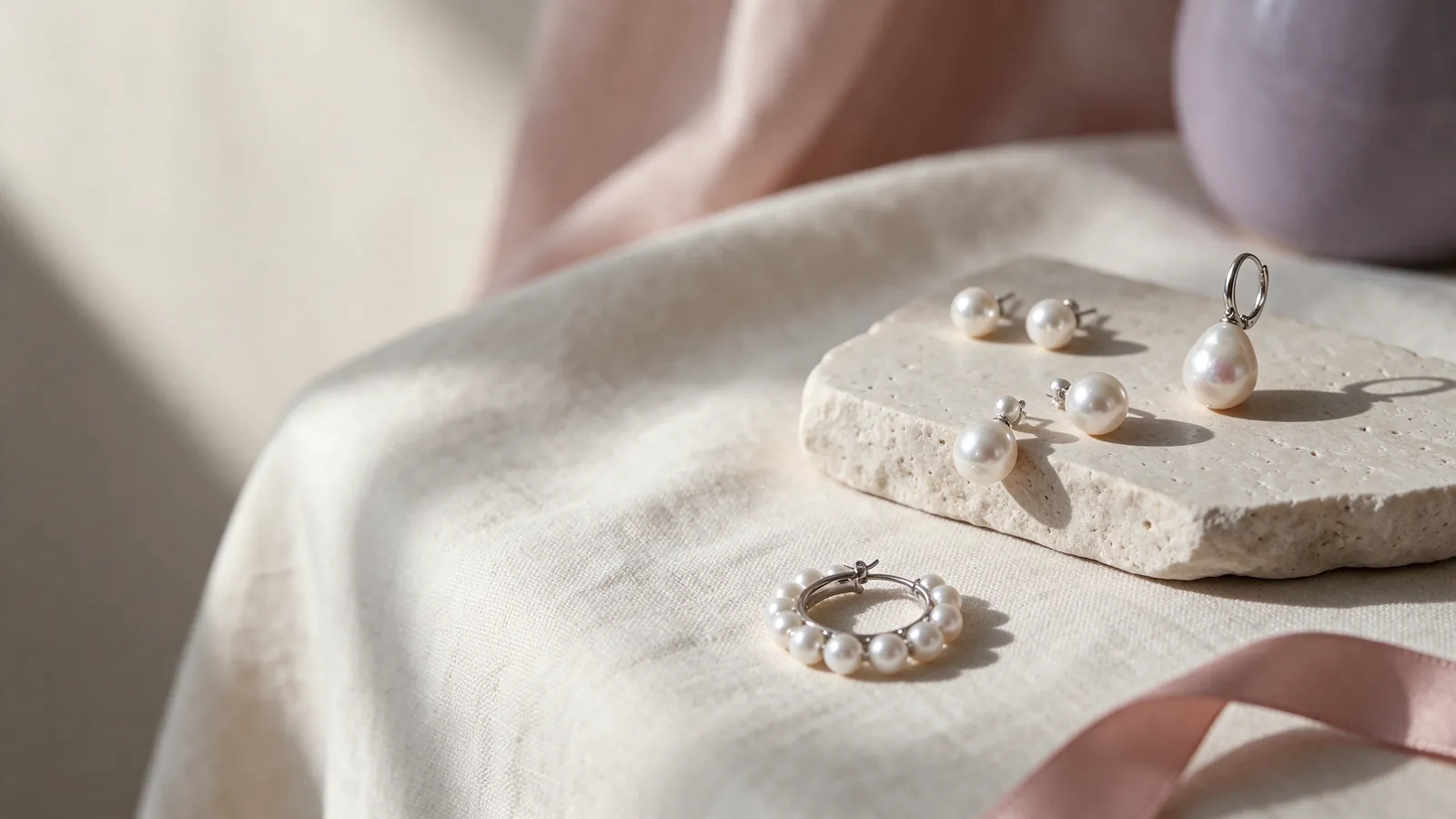
How can pearl bridesmaid jewelry and pearl bridesmaid sets suit different dresses when chosen as pearl gifts for bridesmaids?
Begin with the dresses and what each bridesmaid will do during the celebration. Beading at the neckline, a textured bodice or a dramatic shoulder detail already draws attention. An open neckline allows space, but a necklace still needs to sit naturally instead of resting on the fabric edge. Think of Pearl Jewelry in terms of placement first, and ask who will hold flowers or help adjust the dress. The aim is to support both the outfit and those tasks, not to add pieces solely for a photograph.
Make the wearer's preferences part of the decision from the beginning. Someone who loves simple earrings may not want a necklace, while a person who rarely wears wrist jewelry may prefer to keep her hands unencumbered. Pearl bridesmaid sets offer a way to think about coordination, but they need not become a dress requirement. A common outline or a restrained overall style can connect the group while allowing the actual accessories to differ.
Which neckline and wearing preferences matter when selecting pearl bridesmaid jewelry or pearl bridesmaid sets as pearl gifts for bridesmaids?
Use the dress, or a top with a similar neckline, for the first trial. Check that a pendant remains visible and that earrings do not touch a hair ornament. A halter or high neckline can look complete without a necklace; an off-the-shoulder dress does not require filling every open area. For a bridesmaid without pierced ears, consider the necklaces or bracelets she already likes rather than asking her to adopt a new habit for the ceremony.

Set a clear styling direction instead of requiring exact copies
A practical brief explains what should feel coordinated. For example, keep the upper-body styling uncluttered, avoid several necklaces layered together, or choose either an elaborate hair accessory or prominent earrings as the main accent. Bridesmaids in different necklines can follow the same direction through different pieces. This also makes room for favorite jewelry they already own, so the gift contributes something useful instead of replacing a personal style they feel good in.
Lay jewelry beside the actual dress fabric when possible. Ivory, bright white and pink can change the impression of the same accessory within an outfit. Compare in similar lighting before checking an indoor or outdoor environment relevant to the event. Photographs are useful for the overall silhouette, but screens and lighting can alter color and cannot supply pearl specifications. Metal color may relate to the wearer’s existing accessories without exactly matching everyone else’s. Judge the relationship between fabric, hair and jewelry instead of treating uniformity as the goal.
Compare a single accessory with the fuller combination
Take front and side photographs with one piece, then repeat after adding another. If the second piece competes with the neckline or hair detail, the simpler version may work better. Ideas from formal pearl jewelry sets can help you evaluate combinations for different occasions. Treat a set as a choice to test against the outfit, not as proof that a wedding look is unfinished without every component.
Give the bride's look context without inventing universal etiquette
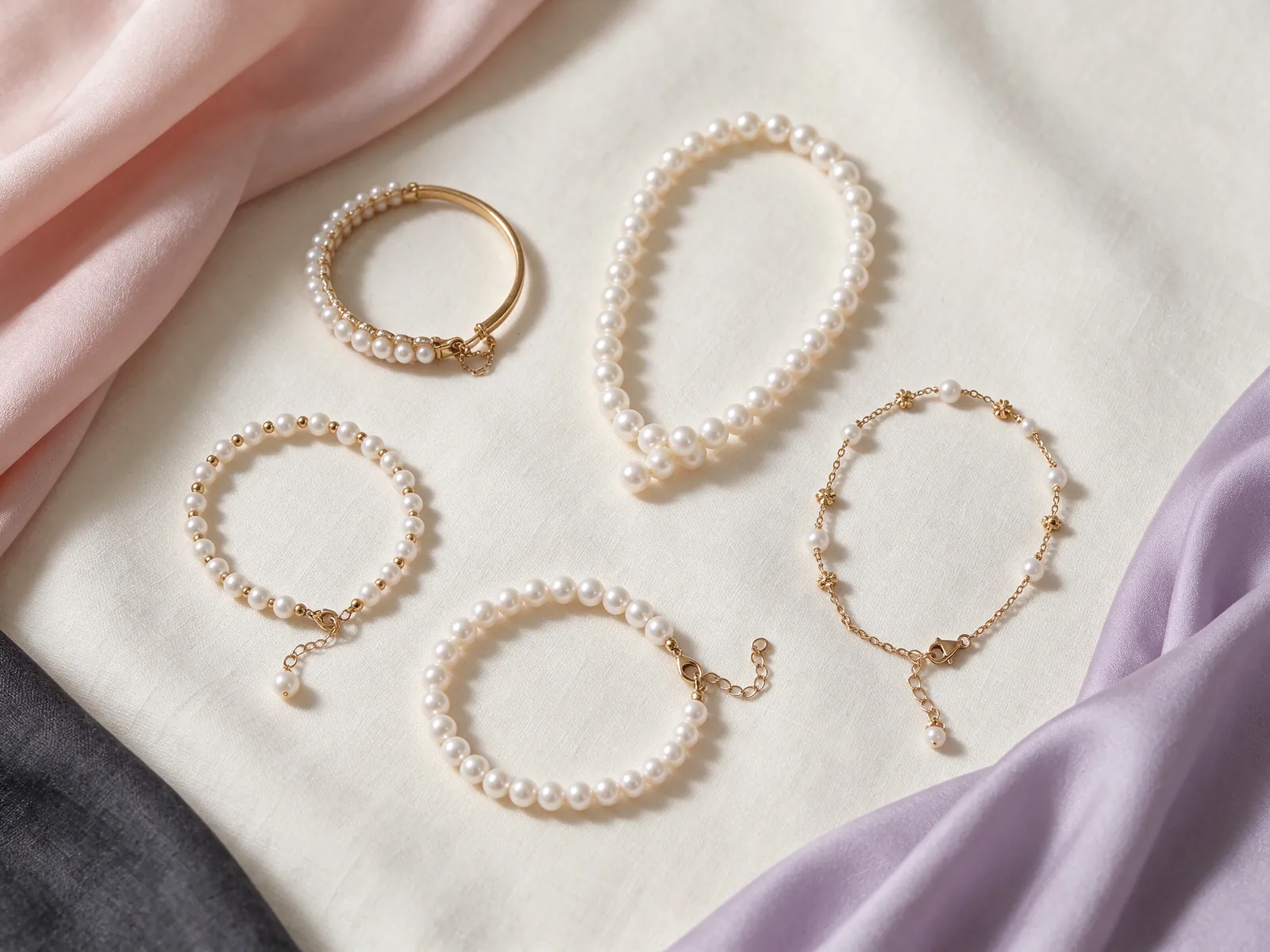
Ask about the bride's planned headpiece, neckline, and main jewelry accent before choosing the bridesmaids' combinations. If the bridal look has a richly detailed necklace, simpler styling around the attendants' necklines may establish the desired emphasis. A quiet bridal outfit can be distinguished through its dress and silhouette instead. Exploring bridal pearl jewelry helps clarify the bride's needs without assuming the wedding party must wear reduced versions of the same accessories.
Pearl color and accessory count do not supply a universal rule for every ceremony. Ask the couple what they want the group to look like and whether a change of outfit is planned between the ceremony and reception. Test both necklines rather than assuming an accessory must be worn all day. The guide to wedding guest pearl jewelry etiquette offers an occasion-focused perspective, while attendants still need to discuss their specific clothing and duties. Clear agreement is more useful than adding jewelry to follow a supposed rule.
Use a whole-outfit view to check the visual emphasis
Photograph the planned looks against the same background and include full-length views. Check whether jewelry hides a dress detail or whether one accessory draws attention away from the overall styling. A bridesmaid with a distinctive hair ornament may need less around her ears, not an entirely new combination. Decisions based on the complete outfit are more useful than comparing isolated close-ups of individual pearls.
Compare pearl details with a framework that fits the intended use
GIA identifies seven pearl value factors: size, shape, color, luster, surface quality, nacre quality, and matching. Matching deserves attention when earrings or several accessories will appear together, and it extends beyond equal size. Two pieces can have similar dimensions but different color impressions or reflected light. The framework helps explain what you are comparing; it is not a certificate for any particular piece and should not be presented as one.
Compare the overall balance in similar light before examining surfaces or reading labels. If AAA or AAAA appears in a description, ask for the seller’s definition; these are not universal or GIA grades. The pearl grading guide helps structure the comparison. For any supplied report, check who issued it, what it states and which item it covers. Identification is not a price appraisal or a service guarantee. A photograph of a white, round, bright pearl cannot establish type, origin, treatment or natural-versus-cultured identity. It also cannot show that a Flint piece carries any certification.
Decide which differences actually matter to the recipient
An easy fastening and a comfortable wearing experience may be essential, while identical outlines across all the gifts may not be. If each recipient will wear her jewelry separately after the wedding, her preferences can outweigh group uniformity. If pieces are intended to share one outfit, compare their balance together. Defining the use first makes the quality discussion more purposeful and avoids chasing sameness for its own sake.
Choose a thank-you that fits the recipient's life beyond the celebration
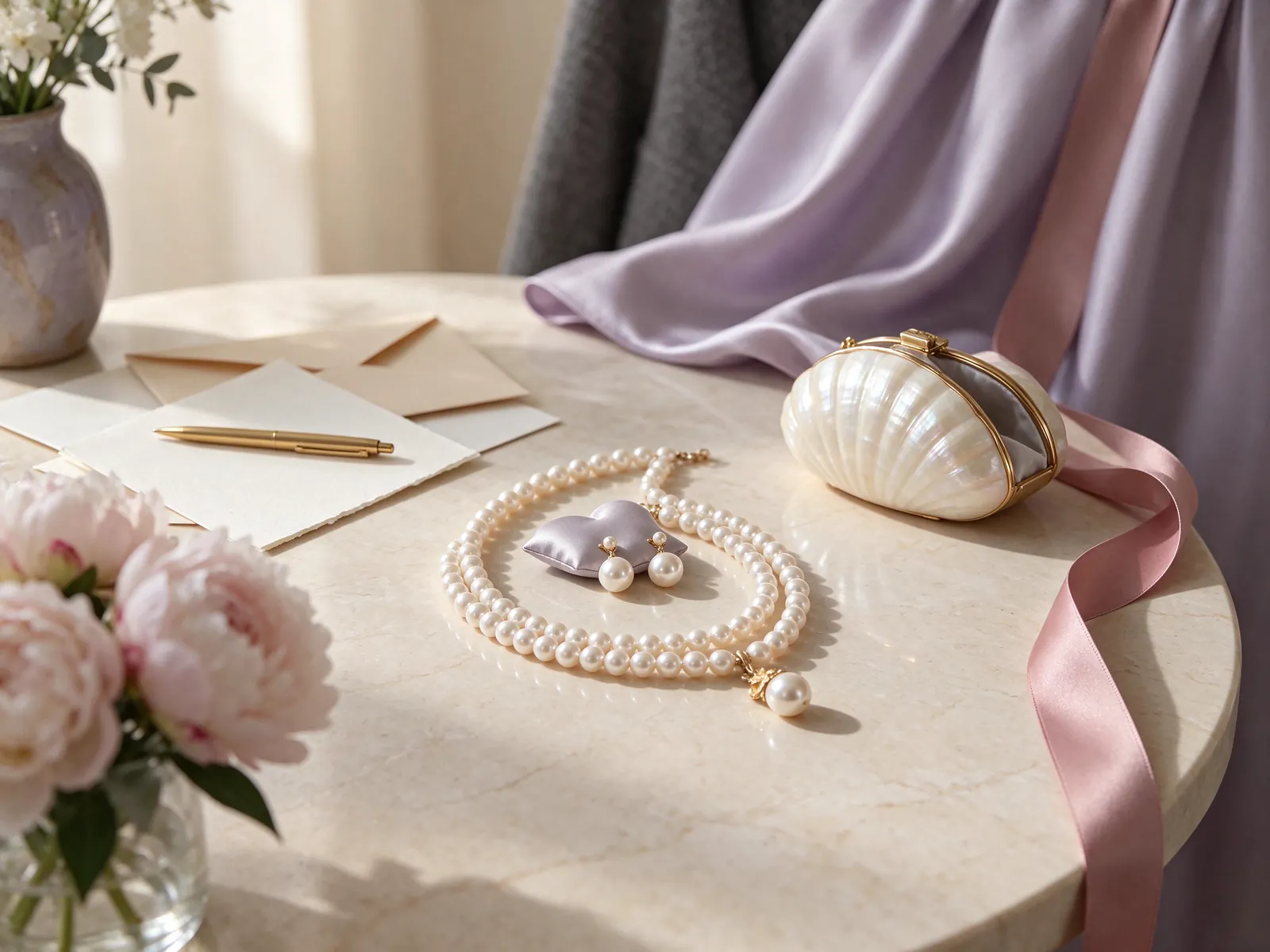
Ask what she would wear with a favorite shirt to dinner or with her usual work clothes. If her normal approach is one simple accessory, a focused gift may suit her better than several items chosen for wedding photographs. Thinking about pearl gifts by budget begins with the purpose of each gift, followed by a discussion of one piece or a combination and its quotation. More pieces do not necessarily express more gratitude. Clarify whether the jewelry is hers to keep or being lent for the event, and agree on wedding-day expectations.
Write a note about a contribution or memory that matters to you, such as help with preparations or a conversation you shared. Choosing pearl gifts for a friend means considering the individual, rather than treating every member of the wedding party as the same recipient. A shared message of thanks can sit beside a personal sentence for each person. Describe why you appreciate her support in words that fit your friendship, rather than borrowing a traditional sentiment that feels impersonal. The meaning can come from your friendship without relying on a fixed pearl symbol.
Allow the keepsake to gather new memories
Use the pearl gift guide to connect a keepsake with the recipient’s wider wardrobe. If she already owns a necklace she loves, a new accessory can work with it rather than replace it. Let her decide when the gift belongs in her life, without expecting her to wear it whenever you meet. Practical fit gives the piece room to acquire memories after the wedding and keeps the thank-you from becoming a continuing dress requirement.

Try the jewelry during the movements the bridesmaid will actually make
Standing still at a mirror is only the start of a useful trial. A bridesmaid may carry a bouquet, adjust fabric, hug relatives, and fix her hair. Turn the head, lift the arms gently, and sit down while wearing the proposed combination. Watch for earrings catching hair, wrist jewelry touching a cuff, or a necklace shifting into the neckline. Pulling or pressure that feels uncomfortable calls for a different choice rather than a plan to endure it all day.
Have the recipient practice putting jewelry on and taking it off without tugging on pearls or the chain. If she needs assistance, identify someone who can help. Previous skin discomfort should prompt a check of material information and the places that touch the skin; metal color does not establish suitability. No material is a universal allergy-free guarantee. If a fitting causes discomfort, take the piece off and reconsider the choice rather than planning to endure it during the celebration. The trial concerns the wearer’s actual experience, not simply a pleasing photograph.
Bring hair and flowers into the fitting
Try earrings with hair down and in the planned arrangement because both the visible space and contact points will change. Hold a bouquet with a similar shape and check for contact with ribbons or stems. If a piece proves inconvenient and the outfit already looks complete, keep it for another occasion. A thoughtful gift need not be worn in full during the ceremony to be appreciated.
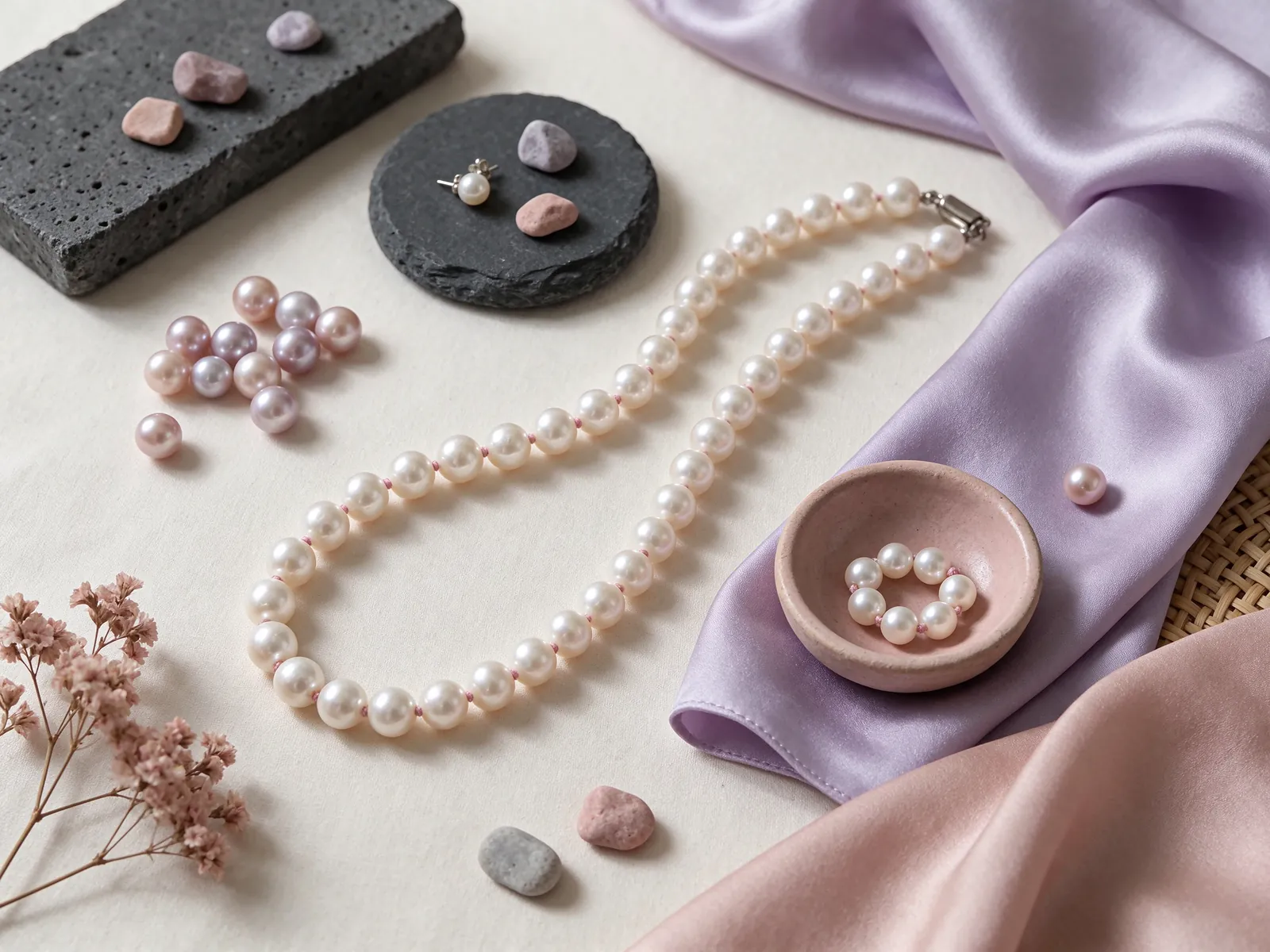
Pair the gift with gentle care and a useful styling conversation
GIA places pearl at 2.5 on the Mohs hardness scale, so avoiding contact with harder objects is relevant during a busy celebration. Set jewelry on a clean, soft surface while makeup and hair are being finished. Apply perfume and hair spray away from pearls, and let the contact area dry before putting the jewelry on. When packing or changing clothes, keep pearls from rubbing against other jewelry and hard objects.
After wear, wipe pearls with a very soft clean cloth and store them separately from harder objects. Never use ultrasonic or steam cleaners, and avoid prolonged soaking. Cleaning must take the string, adhesive, settings and metal into account; advice for pearls alone does not establish that the entire piece can be immersed. If a strung piece is suitable for cleaning with water, let the string dry completely before wearing. A pearl care guide can help with everyday habits. For temporary wedding-day storage, choose a separate suitable place rather than a tissue that may be discarded.
Prepare information that makes the next discussion specific
For a conversation with Flint Jewelry, bring neckline photographs, hairstyle ideas, usual accessory preferences and the occasions you hope the gifts will suit afterward. Explain which elements should coordinate and which may differ, then use WhatsApp to discuss design and a quotation. A coordinated styling idea is not a promise of a particular set or group quantity. Page images illustrate styling and care; they do not establish pearl type, origin, size, grade, certification, price or availability. Confirm the information for any actual piece separately.
| Outfit or need | First observation | Possible styling focus | Practical trial | Optional omission |
|---|---|---|---|---|
| High or halter dress | Neckline detail and space beside the ears | Earrings or a wrist accessory | Turn the head and adjust the hair | A necklace covered by fabric |
| Open or off-the-shoulder dress | Open chest area and hairstyle volume | Start with a necklace, then assess earrings | Sit and gently lift the arms | A piece that competes with the hair accessory |
| Different necklines in the group | Each dress's main visual detail | Similar outlines in different positions | Photograph the group from head to toe | A requirement to wear the same number of pieces |
| Handling flowers or fabric | Cuffs, bouquet stems, and ribbons | Consider ear or neck accessories first | Hold flowers and adjust a sleeve | Wrist jewelry that catches |
| Prefers simple everyday jewelry | An outfit she often wears | A single gift with a future use | Practice fastening and removal | Extra accessories added for completeness |
Pearl knowledge and authoritative references
GIA identifies seven pearl value factors: size, shape, color, luster, surface quality, nacre quality, and matching. Matching helps assess several bridesmaid accessories together, but visual appearance alone does not establish pearl identity or origin.
Read the reference for this factFrequently asked questions
Should the jewelry be identical if all the dresses are the same color?
Not necessarily. Necklines and hairstyles may still differ, so choose a shared styling direction and adapt the accessory placement. A dress with a high neckline may not need a necklace at all. Look at the complete outfits together rather than using identical piece counts as the only measure of coordination.
What if one bridesmaid does not have pierced ears?
Use a necklace or bracelet she is comfortable wearing and connect it visually with the group's general styling. Different placements can still feel coordinated. The gift should fit her preferences; she does not need to get her ears pierced for a single event.
Is it acceptable to wear only part of a coordinated gift at the ceremony?
Yes. Choose the piece that works with the dress and hair, and save the rest for later if the fuller combination feels crowded. Make it clear that the recipient can decide how to wear the gift rather than assuming she will display every piece on the wedding day.
Does etiquette require bridesmaids to wear smaller pearls than the bride?
There is no pearl-size rule that suits every wedding. Discuss the bride's overall styling and establish the intended emphasis through the dress, headpiece, and balance of simple and elaborate accessories. Size alone does not determine appropriateness or reveal pearl quality and value.
How should pearl jewelry be handled when perfume or hair spray is reapplied?
Keep those products away from pearls. Remove the jewelry to a separate suitable place when needed and put it back on after application and once the contact area is dry. Wipe it with a very soft clean cloth after wear, and never use ultrasonic or steam cleaning.
Updated: