

When comparing nacre quality in pearls, what can pearl nacre thickness tell you about nacre and pearl luster?
Think of thickness and luster as two questions rather than two names for the same result. Thickness concerns the nacre layer; luster concerns the brightness and definition of reflected light. Nacre forms around the nucleus in a bead-nucleated pearl, but that construction should not be assumed for every pearl. Before choosing jewelry, ask what measurement information exists for the particular pearl and which visual qualities attract you. A number may inform the structural question without predicting your exact wearing preference.
GIA’s seven pearl value factors include nacre quality alongside size, shape, color, luster, surface quality and matching, with matching relevant to jewelry containing two or more pearls. Use the pearl grading guide to organize a comparison rather than sorting candidates solely by thickness. A preference for a soft glow or a certain color can be valid without being a laboratory conclusion. Keep style preferences separate from the quality terms actually reported, then consider both in your decision.
Which report details put pearl nacre thickness in context for nacre quality in pearls and the relationship between nacre and pearl luster?
First establish whether the report gives a measurement, a descriptive assessment or a grade. These are different forms of information. Read any number with its unit, method and stated scope; read a grade with the issuing body's criteria. Do not translate a visual impression into a measurement, or assume that a measurement predicts the precise appearance you will enjoy when the pearl is worn.

Compare reflections without confusing them with measurements
Use the same light and background when viewing candidate pieces. Notice whether reflections appear sharply defined or more diffuse, and how the impression changes as the pearl turns. A spotlight on one piece and shade on another create an unfair visual comparison. The discussion of how to judge pearl luster can help you identify the light effect you prefer, while keeping that observation separate from nacre thickness.
When viewing images, start with design, outline and apparent color. Lighting, camera angle and exposure influence how luminous a pearl looks, so several views of the same piece are more useful than the brightest photograph from unrelated settings. Even a detailed close-up cannot convert a highlight into a thickness value. This page’s styling and educational images are illustrative; they do not establish the depicted pearl’s type, origin, treatment, grade or measured nacre.
Turn your visual preference into a clear question
You might want earrings that create a distinct point of light near the face, or a pendant with a gentler glow against casual clothing. Describe that goal directly. Ask how the appearance compares under similar viewing conditions rather than asking for maximum thickness when your real priority is the light effect. This makes the discussion more specific and keeps the answer tied to the question.
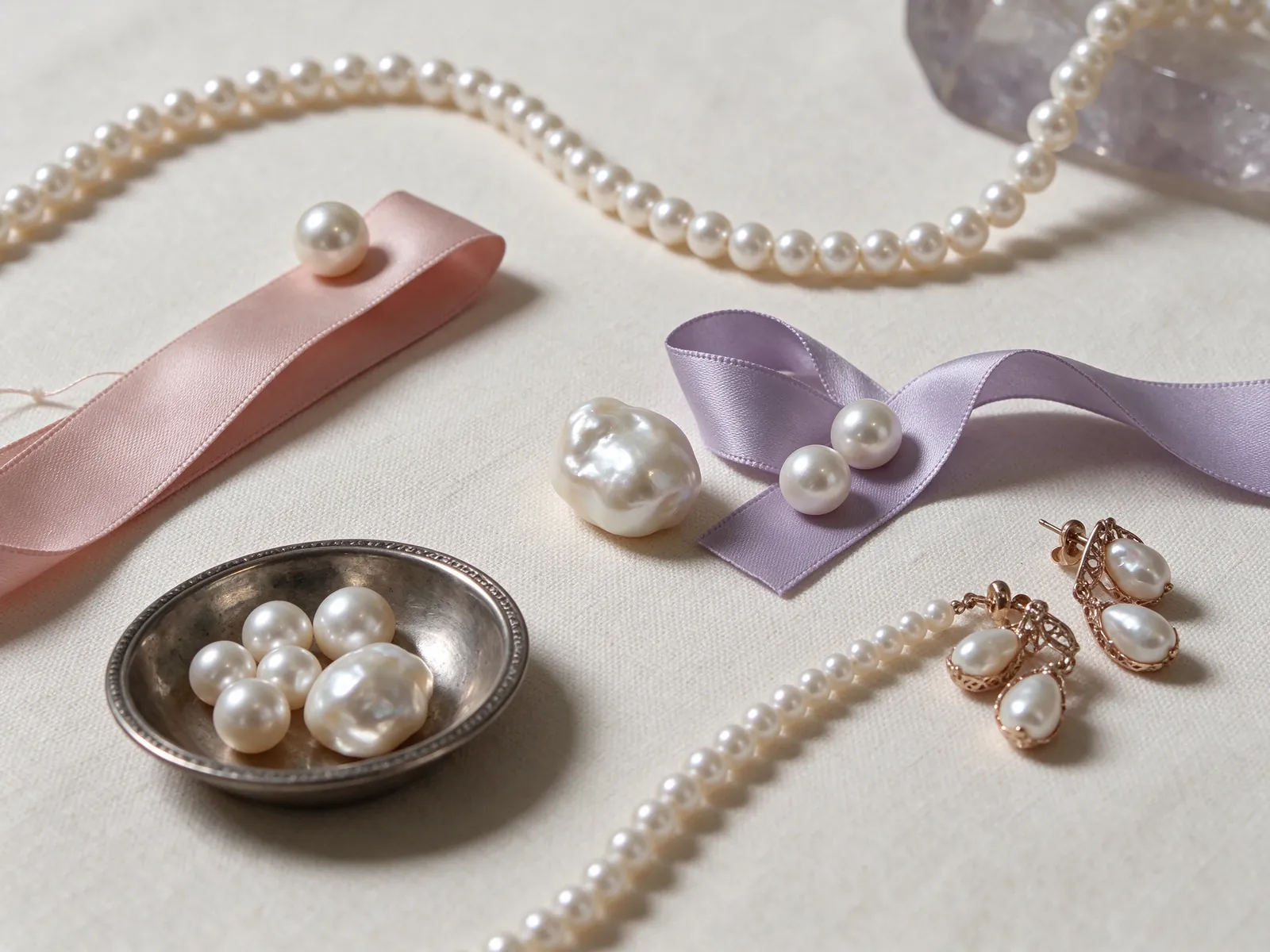
Check what a thickness result actually covers
Read the pearl description, document date and test scope before interpreting a number. Keep the unit, measurement location and method attached to the result wherever the report supplies them. A reading from one location should not be presented as the entire pearl’s average or minimum unless that is how the issuing body defines it. Ask about unclear entries rather than inventing missing details. Information for one pearl must not be applied to an entire necklace or pair unless the document states that coverage.
Before ranking figures from different documents, check whether the methods, applicable pearl types and results are comparable. A shared term does not guarantee a shared assessment system. Learning how to read a pearl certificate helps separate identification statements, measurements and quality descriptions. These also differ from selling price or service terms: a nacre result does not promise value retention, lasting appearance or a particular warranty. Preserve each report’s wording rather than inventing a universal grade.
Leave missing measurement information unresolved
An unlisted thickness is not a reported zero, nor is it evidence of a thick layer. If a measurement is central to your purchase decision, ask whether there is relevant information for the pearl under consideration. When none is available, decide using the documented details and visible qualities you do have. An honest unknown is more useful than a guessed number derived from brightness.
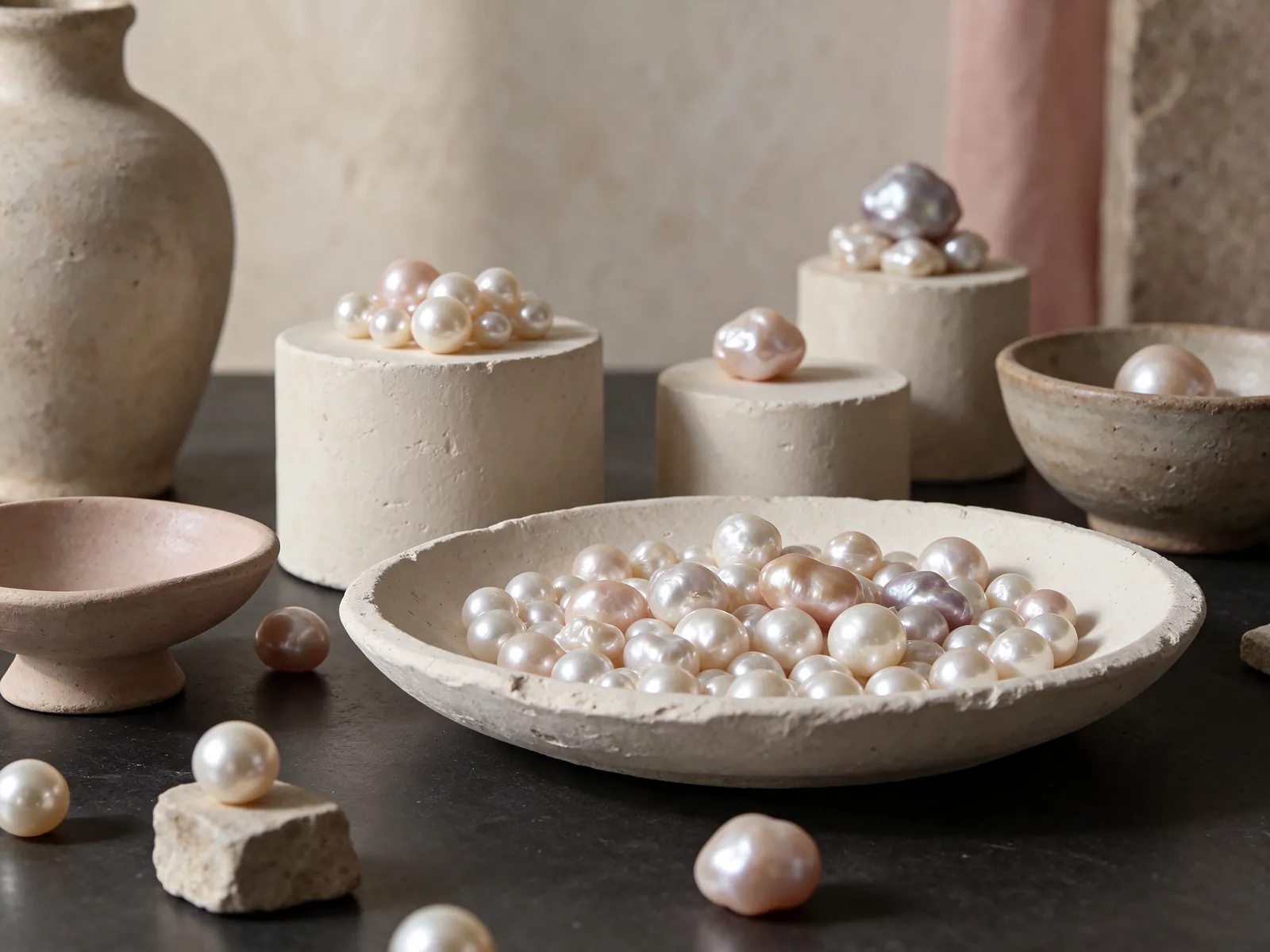
Give surface and color their own place in the decision
Examine visible surface features for their position and effect on the wearing appearance. A mark or texture does not, by itself, measure the nacre layer; a smooth appearance does not prove a thickness threshold either. The guide to pearl surface quality helps keep the conversation focused on what can actually be seen. Decide how a feature affects your preference without giving it an unsupported explanation about the pearl's structure.
Color needs an equally specific description. GIA separates bodycolor, overtone and orient: pearls have bodycolor, but not every pearl shows the other two effects. Identify whether you favor the overall tone or an additional color effect visible from changing angles. Compare under consistent light beside your skin and clothing. Those effects cannot be converted into a thickness in millimeters, and color alone does not identify origin, natural-versus-cultured status or measured nacre thickness.
Inspect beyond a single flattering view
For a pendant, start with the view facing outward at the neckline, then examine other visible areas. For a ring, watch the changing appearance as the hand turns. For earrings, view both together as well as individually. This approach connects inspection with real styling needs while avoiding the assumption that one attractive angle represents every aspect of the piece.
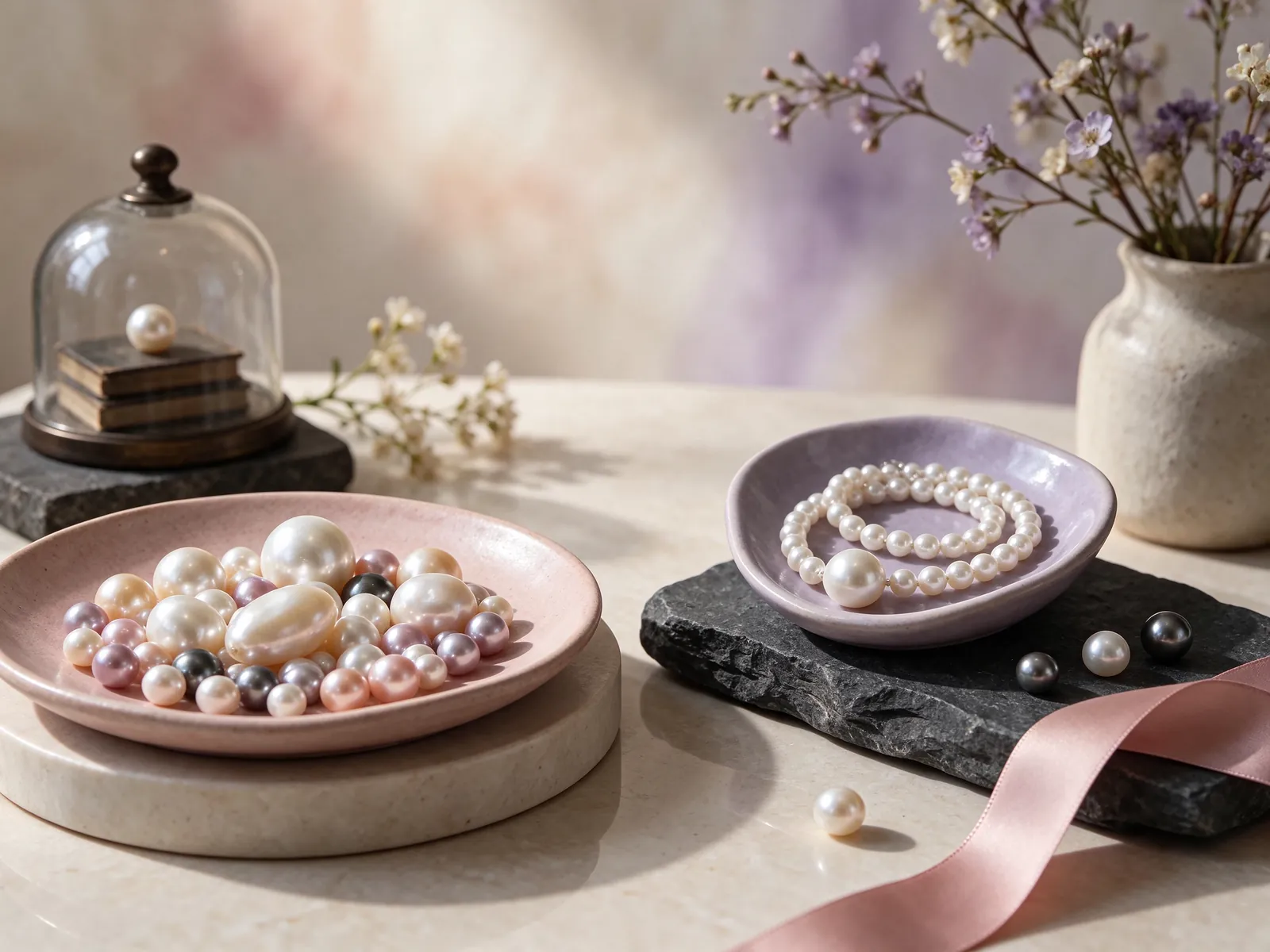
Judge a pair or strand as a coordinated group
A result for one pearl does not describe a finished pair’s harmony. Compare earrings side by side for color, light effect, outline and size, and notice any strand pearl that stands out from its neighbors. The concept of pearl matching quality adds this group assessment. Check whether a document covers all the pearls before extending its thickness result. Matching concerns the coordinated appearance of a group, not a demand that every pearl have an identical numerical reading.
Consider the jewelry against the clothes you expect to wear most often. A dark top can emphasize its outline, while a light top may create a quieter effect. When combining earrings and a pendant, a related color or similar glow can connect the pieces without making every detail identical. Nacre thickness does not determine where the pendant sits, how it balances a neckline or which piece should be the visual focus.
Build the outfit around one visual priority
If the earrings are intended to draw attention, consider a pendant that supports rather than competes with them. If the pendant is the main feature, evaluate its placement first. A balanced outfit does not require the strongest possible reflection at every position. Choose quality information for understanding the pearls, and styling decisions for arranging their presence in the outfit.

Read quality designations within their own context
WSP’s public guide places Hanadama within white Akoya pearls as a quality label tied to an appraisal laboratory’s standards, not a separate species. It describes several factors, including luster, nacre, surface and shape, rather than a universal numerical answer. Reading Hanadama vs Akoya pearls can clarify the distinction before you check a particular document’s issuer, coverage and test entries. Laboratories may differ in terminology and criteria. Neither an unrelated standard nor this educational comparison establishes that a Flint piece has a particular certificate.
An effective selection process separates visible appearance, documented information and your personal priorities. A favorite color does not need an invented measurement to make it a valid preference. A fuller report does not automatically make a piece the most suitable one for your wardrobe. Reading what determines pearl value puts multiple quality factors into the decision instead of letting a single label or number dominate it.
Replace a broad grade question with specific ones
Ask who uses the quality designation, which pearl or group the document describes, and whether luster and thickness appear as separate entries. These questions invite concrete answers. Then weigh those answers alongside the color you prefer, the surface features you find acceptable and the type of outfit you have in mind. A quality name can inform the decision without making it for you.

Keep care decisions independent of thickness claims
Measured thickness does not authorize stronger cleaning. GIA advises never using ultrasonic or steam cleaners for pearls, and avoiding acids, perfume, hair spray and excessive heat. Wipe pearl jewelry with a very soft, clean cloth after wearing. Putting it on after fragrance and cosmetics helps avoid direct contact with those products; a document about nacre is not a substitute for that practical care routine.
Store pearls separately from jewelry or objects that could rub against or strike them. Any cleaning must suit the string, adhesive, settings and metal as well as the pearl; gentle cleaning does not justify prolonged soaking. GIA advises letting the string of water-cleaned pearls become completely dry before wearing. Surface dryness is not evidence of string dryness. If jewelry loosens or a pearl shows damage, stop wearing it and seek an assessment instead of polishing the surface or scrubbing discoloration.
Keep notes that help with the next purchase
Record the color, reflection style and wearing position you liked, plus the details documents actually provide. In a discussion with Flint Jewelry, specify whether your priority is appearance, thickness information or matching, and point out any report entries that need clarification. Leave an unreported thickness unknown. WhatsApp +85260106207 is available for discussing pearl quality and styling; general educational information is not an identification or grading result for an individual piece.
| Criterion | Information to use | What it helps assess | What it cannot prove | Practical comparison |
|---|---|---|---|---|
| Nacre thickness | A relevant test entry, unit and method | The result within its stated scope | The best overall appearance or group uniformity | Read the issuing body's explanation |
| Luster | Reflections in the same lighting | The visual light effect you prefer | Thickness from image brightness | Turn each piece against the same background |
| Surface | Visible features at different angles | Their effect on wearing appearance | A particular thickness from a smooth surface | Examine the outward view and other areas |
| Color | Overall color and visible additional effects | Coordination with skin and an outfit | Origin, identity or thickness | Compare beside intended clothing |
| Matching | The complete pair or strand | Harmony across the pearls | An entire group's quality from one measurement | Check for conspicuous differences |
Pearl knowledge and authoritative references
GIA lists seven pearl value factors: size, shape, color, luster, surface quality, nacre quality and matching. Matching is relevant to jewelry containing two or more pearls. This places nacre quality within a broader evaluation rather than making thickness the only measure of desirability.
Read the reference for this factFrequently asked questions
Can a smooth-looking pearl be assumed to have thick nacre?
No. Smoothness is a surface observation, not a thickness measurement. Evaluate surface appearance separately, and read any available thickness result with its method, unit and scope.
Is the largest thickness figure always the best choice?
Not automatically. Confirm that the figures are comparable first. Then assess luster, surface, color and matching alongside the measurement and your intended style.
Does one measured pearl describe every pearl in a necklace?
Only the document's stated scope tells you what is covered. Do not apply an individual pearl's result to the whole strand unless the document describes that group. Matching still requires a whole-piece assessment.
Why does a pearl look brighter against one shirt than another?
The background changes the visual contrast and the way the jewelry stands out. Use consistent conditions when comparing candidates; a different appearance against clothing is not evidence of a change in nacre thickness.
After cleaning a strand with water, is a dry surface enough?
No. GIA advises that the string must be completely dry before wearing; a dry surface does not establish this. Any cleaning must also suit adhesives, settings and metal, and should not involve prolonged soaking. Thickness information does not change these care considerations.
Updated: