

What connects a Hanadama pearl pendant, Hanadama Akoya pearl pendant or an Aurora Hanadama pearl pendant to its accompanying report?
Start by reading the whole document associated with the pearl. Record the issuing organization, document title and report number before drawing a conclusion from the pendant’s name. A listing can place a pearl designation beside a style description and promotional language. Those are not necessarily findings from the same document. Seeing the complete wording helps you distinguish the report’s description from the way a piece of jewelry is presented.
Then ask how the document is connected to the pearl you are considering. Compare photographs, quantity, measurements and shape descriptions wherever the report provides them. An omitted entry cannot be supplied by a bright product photograph. Read a GIA report pearl pendant comparison to understand why the issuer and scope of each document matter, while keeping the individual pearl-to-report connection separate. A GIA report is not interchangeable with a Hanadama designation. A useful explanation identifies the object described, rather than merely showing a familiar report cover.
How do the issuer and exact designation clarify a Hanadama pearl pendant, Hanadama Akoya pearl pendant or Aurora Hanadama pearl pendant report?
Write down the original designation instead of relying only on its translation. Read it in the context of the issuer and the surrounding entries. If a public verification method is available from that issuer, use its instructions. A report number is helpful for keeping records, but a screenshot of a number does not by itself explain which pearl the document describes.

Keep the pendant name separate from the document’s findings
When comparing a Hanadama pearl pendant with another piece, divide your notes into name, report wording and design. This simple separation prevents a title from becoming a shorthand promise about every aspect of quality. Longer wording does not prove that more observations were made. If two listings translate a term differently, retain their original wording and compare the actual entries instead of deciding that the names must mean the same thing.
An Aurora Phoenix pearl pendant is another terminology topic to read in its own context, not a credential to equate with Hanadama because of a shared word. The same care applies when a listing also uses AAA or another sales grade. Rather than converting one name into another, ask which observations are documented and how the descriptions differ. A comparison built on specific entries is more useful than a ranking of impressive labels.
Replace a broad quality question with a precise one
Instead of asking only whether a pearl is top quality, ask where the designation appears in the document and what the accompanying text describes. You can then identify what is stated and what remains outside that description. This keeps a discussion focused without inventing conclusions about origin, treatment or a guarantee that the document does not provide.
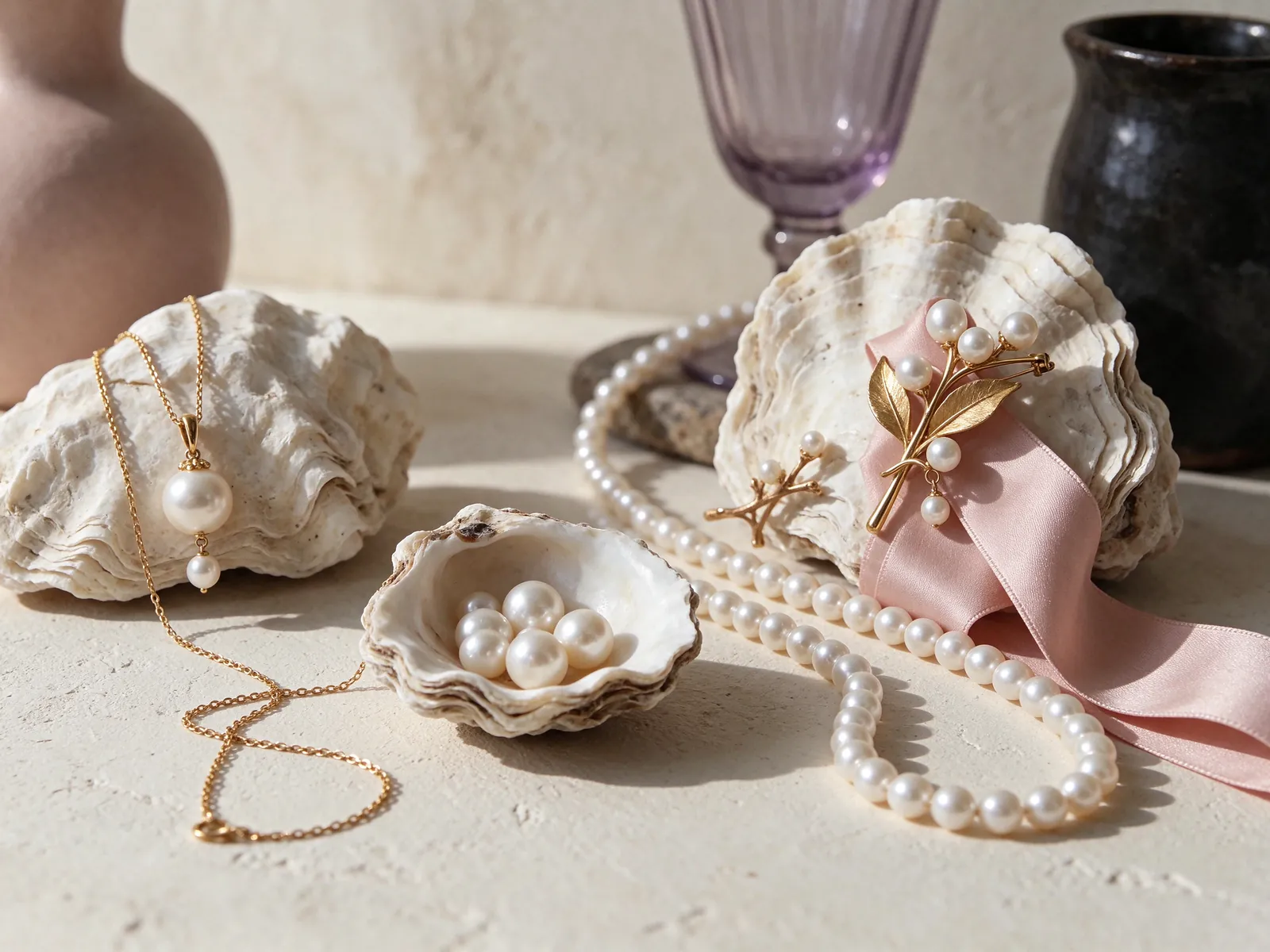
Assess the visible pearl without confusing appearance with identification
GIA identifies seven pearl value factors: size, shape, color, luster, surface quality, nacre quality and matching. For a single pendant pearl, look first at reflections, visible surface characteristics and how the outline works with the setting. If you plan to pair the pendant with pearl earrings, their visual relationship also deserves attention. These observations help structure a comparison; they do not assign a Hanadama designation or replace the pearl’s document.
Compare the pendant under soft daylight and ordinary indoor light. A dramatic photograph can emphasize contrast, while enlargement can make a small feature dominate the image. View the sides and back when possible, since the setting determines which part of the pearl faces outward. Notice the piece at normal wearing distance as well as close up. A pleasing front view should not become a claim that the entire surface is identical.
Understand what color can and cannot tell you
GIA distinguishes bodycolor, overtone and orient, noting that not every pearl has all three. Observe the color as you change viewing angles, then compare it with the clothing you expect to wear. Color preference is personal and useful for styling. Color alone, however, cannot establish origin, natural-versus-cultured identity or a particular certification, so keep those conclusions separate from what you enjoy seeing.

Test the chain connection as a practical design question
A report about a pearl does not tell you whether a pendant bail can pass over your chain clasp or whether the pearl rests upright during movement. Examine the bail, chain path and contact points independently. Through-pearl and fixed-bail constructions have different layouts; neither should be assigned a performance promise from the pendant’s name. Try sitting, turning and walking to see whether the actual arrangement behaves as you prefer.
A silver pearl pendant comparison can illustrate why metal terminology and pearl documentation answer different questions. For Flint Jewelry customization, the material options are limited to 18K 750 white gold, 18K 750 yellow gold, 18K 750 rose gold, PT950 platinum and PT900 platinum. A preference among those materials relates to the setting and styling. It does not establish a report designation or indicate that a particular certified pearl pendant is in stock.
Use an existing chain to make the comparison concrete
Bring the chain you normally wear, or provide a clear image showing its clasp and links. Describing a chain as delicate does not explain the clearance needed through the bail. Check how the pendant hangs and whether it repeatedly touches another charm. The best pairing is not determined by the report name; it depends on the physical pieces being worn together. A pearl pendant chain compatibility guide can help you compare bail clearance and movement independently of the document.
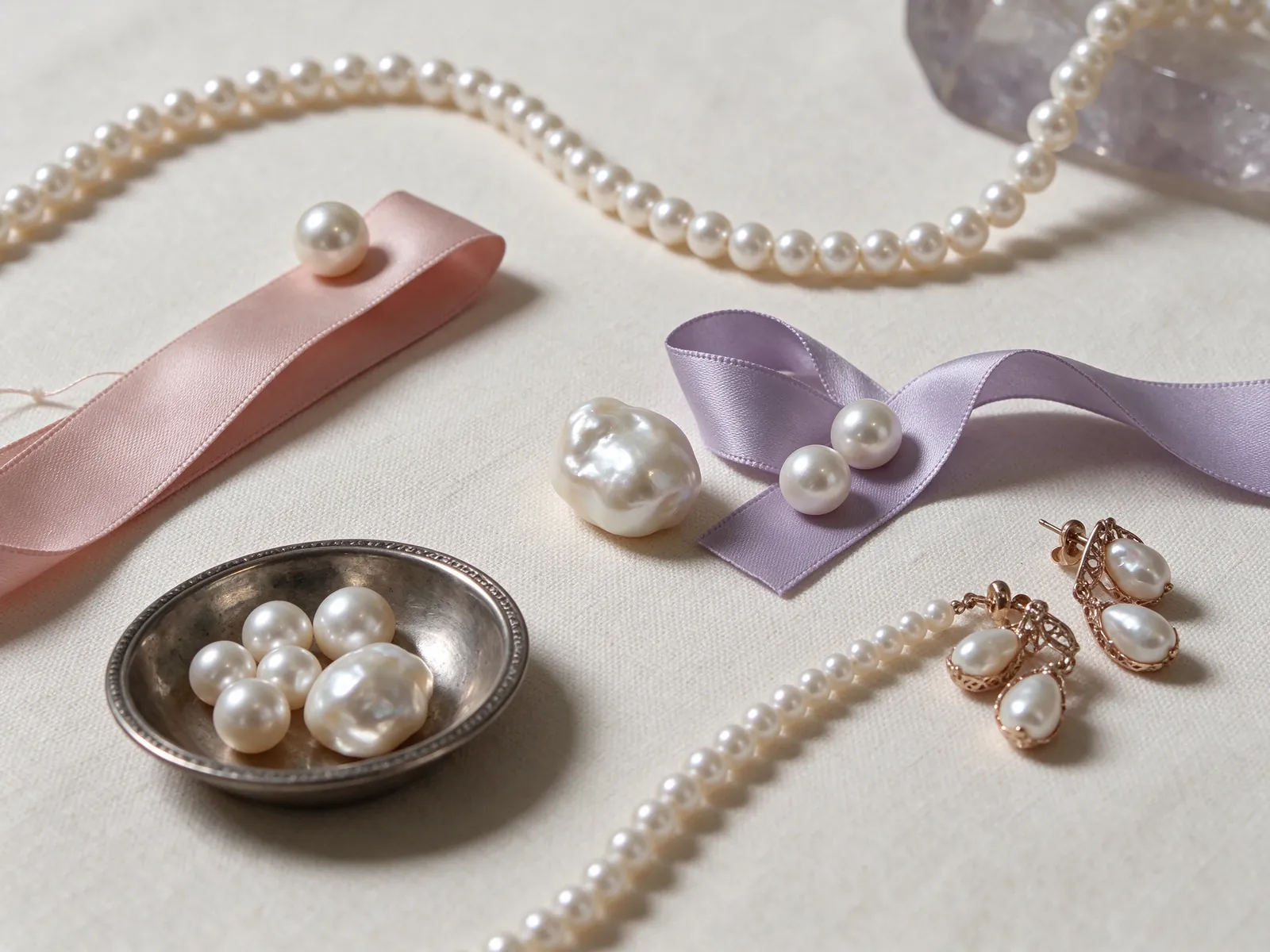
Let your neckline establish the visual placement
With a V-neck top, compare positions within the opening and check that the pearl is not hidden by the fabric edge. With a crew neckline, see whether the pendant works better over the fabric or inside the opening. Neck proportions, garment cut and the height of the bail all influence the result. Rather than applying a universal chain-length rule, use an outfit you wear often to judge the placement.
For work, try the single pearl before adding a second prominent ornament at the same spot. For an evening outfit, put on your chosen earrings and assess the entire arrangement. A darker background may make a pale pearl’s outline more noticeable, but it does not establish a luster grade. Heavy collars and embellished fabrics also matter because the pendant may touch them as you move, not just while you stand in front of a mirror.
Build a layered look gradually
Establish a comfortable position with the pendant alone, then add another chain and watch what changes. If the chains gather together or another pendant repeatedly bumps the pearl, simplify the combination or change the pairing. Layering is optional. A named report does not call for a larger arrangement, and a simple outfit can give the pearl a clear visual role.

Choose a gift format that suits the person’s routine
A pendant can be a thoughtful gift when the recipient enjoys necklaces, but first consider how they actually dress. Someone who regularly wears jackets might prefer a different accessory position. Reading a men’s pearl brooch guide can help compare that option without assuming that a particular pearl name determines the right gift. Pay attention to existing jewelry, preferred colors and whether the person chooses everyday pieces or saves them for occasions.
If the recipient often wears a tie, a pearl tie pin guide provides another wearing context to consider before committing to a necklace. A pendant, brooch and tie accessory sit in different places and interact with clothing differently. None becomes the ideal format solely because of report terminology. Explaining why the chosen placement suits the person gives a gift more meaning than relying on a prestigious-sounding title.
Give a clear explanation with the paperwork
Keep the complete document with the gift and explain its connection to the individual pearl. A short record of the pendant name and report number can help the recipient find the information later. Avoid adding unsupported statements about investment value, treatment status or the highest possible grade. A personal explanation of the style choice is useful without expanding the document’s conclusions.

Protect the pearl and preserve the information that belongs with it
GIA places pearl at 2.5 on the Mohs hardness scale. Store the pendant separately from harder jewelry that could rub against its surface, and gently wipe it after wearing with a very soft, clean cloth. Avoid acids, perfume, hair spray and excessive heat. Putting on the pendant after cosmetics and fragrance, once skin and clothing are dry, helps reduce direct exposure during your getting-ready routine.
GIA advises that pearls should never be cleaned in ultrasonic or steam cleaners. The presence of a metal setting does not make a pearl pendant suitable for equipment used on other jewelry. If you notice a bent bail, unusual movement or a loose pearl, stop wearing it and have the construction examined instead of twisting the pearl yourself. A designation does not remove these ordinary care considerations.
Make the record easy to recognize later
Save readable document images together with front and back photographs of the pendant and its purchase description. A neutral background without color-altering filters makes the record more useful. Do not publicly share personal information visible in paperwork. These files help keep the piece and its description organized, but an image cannot replace a physical examination or supply a new identification finding. Discuss Hanadama terminology, pearl documents and pendant styling with Flint Jewelry on WhatsApp +85260106207. Tell us about your existing chain and the way you prefer to wear your jewelry.
| Area | What to compare | Question to ask | Assumption to avoid |
|---|---|---|---|
| Designation | Exact document wording and listing title | Where does the designation appear? | Related names are equivalent credentials |
| Document connection | Recorded quantity and identifying information | Which individual pearl is described? | One document applies to any similar pearl |
| Pearl appearance | Reflections, color and surface from several views | Can I compare it in ordinary lighting? | A bright image proves a grade |
| Chain fit | Bail, clasp clearance and movement | How does it work with my chain? | A pearl report guarantees the setting |
| Wearing routine | Neckline, layering and storage | Does the placement suit my usual clothes? | A designation makes care unnecessary |
Pearl knowledge and authoritative references
GIA uses seven pearl value factors: size, shape, color, luster, surface quality, nacre quality and matching. They provide a framework for comparing the pearl in a pendant, not an interchangeable Hanadama credential.
Read the reference for this factFrequently asked questions
What is missing if I only see a report cover beside a pendant?
The cover may not show the complete designation, recorded observations or the connection to the individual pearl. Read the full document and ask how the described pearl is identified with the pendant.
Does a longer Aurora Hanadama title establish a higher quality conclusion?
Not by itself. Title length is not evidence of the document’s findings. Compare the exact designation, issuer and recorded information without creating a ranking from names alone.
Can color establish that a pearl has a Hanadama report?
No. Color can guide styling, but it cannot establish a particular report or identify origin and natural-versus-cultured status on its own. Read the document associated with the pearl.
Should I pick a chain length from the pearl’s designation?
No. Placement depends on the chain, bail, neckline and your proportions. Try the actual pairing with a familiar outfit and check it while moving as well as standing still.
What records are useful when giving a pendant as a gift?
Keep the complete document, the pendant’s description and clear photographs together. Explain which pearl the document describes, without adding claims about investment value or treatment status that it does not establish.
Updated: