

Why does color origin matter for natural gray vs treated gray pearls when discussing cobalt treated pearls and irradiated pearl colors?
The phrase cobalt treated pearls concerns color treatment. In its color guide, WSP describes Akoya pearls with natural color and versions described as cobalt, or radiation, treated. The practical lesson is that similar-looking gray colors can be described with different origins. It is not evidence that every gray Akoya, every blue pearl, or a particular jeweler's pearls share that treatment. Ask what the term means in the description you are reading.
Irradiated pearl colors are not a complete quality category. Gray pieces can vary in darkness, luster, surface condition, and coordination even when their shade names are similar. The pearl color guide can help you narrow your visual preferences, while color-origin information answers a separate question. Keeping the two apart lets you enjoy an appearance without attaching an unconfirmed identity or quality claim to it.
What treatment details should accompany cobalt treated pearls and irradiated pearl colors in a comparison of natural gray vs treated gray pearls?
Organize the information around identity, color origin, and disclosed treatment. Is the pearl described as natural or cultured? Is the gray described as naturally occurring or treated? What specific treatment is stated? If cobalt gray is the only wording, ask whether it is a shade name or a reference to irradiation, and whether it applies to the actual pearls you are considering.

Separate naturally occurring color from natural pearl identity
Natural gray color and natural pearl are not interchangeable descriptions. A cultured pearl can have naturally occurring color; its color does not turn it into a wild-natural pearl. Read a listing in separate parts: the formation identity, the color description, and the treatment information. Color alone does not establish species, geographic origin, or the natural-versus-cultured distinction, even when the wording sounds reassuring.
Keep dyeing, toning, and irradiation distinct as well. A statement about one should not be interpreted as a statement about every other treatment. For related terminology, natural color vs dyed pearls explores the color-origin comparison, while pearl color toning addresses color-adjustment language. A more focused purchase question is, 'Which color treatments are disclosed for these pearls?' That is clearer than asking only whether the pearls are natural.
Express what you want the description to answer
If your priority is naturally occurring color, request a clear statement about color origin rather than using natural as an all-purpose requirement. If you accept disclosed treatment, describe the gray you like and ask about treatment separately. The goal is to align your preference with the information provided, not to infer a formation identity from a pleasing color or from the price.
Use a consistent viewing setup to understand the look
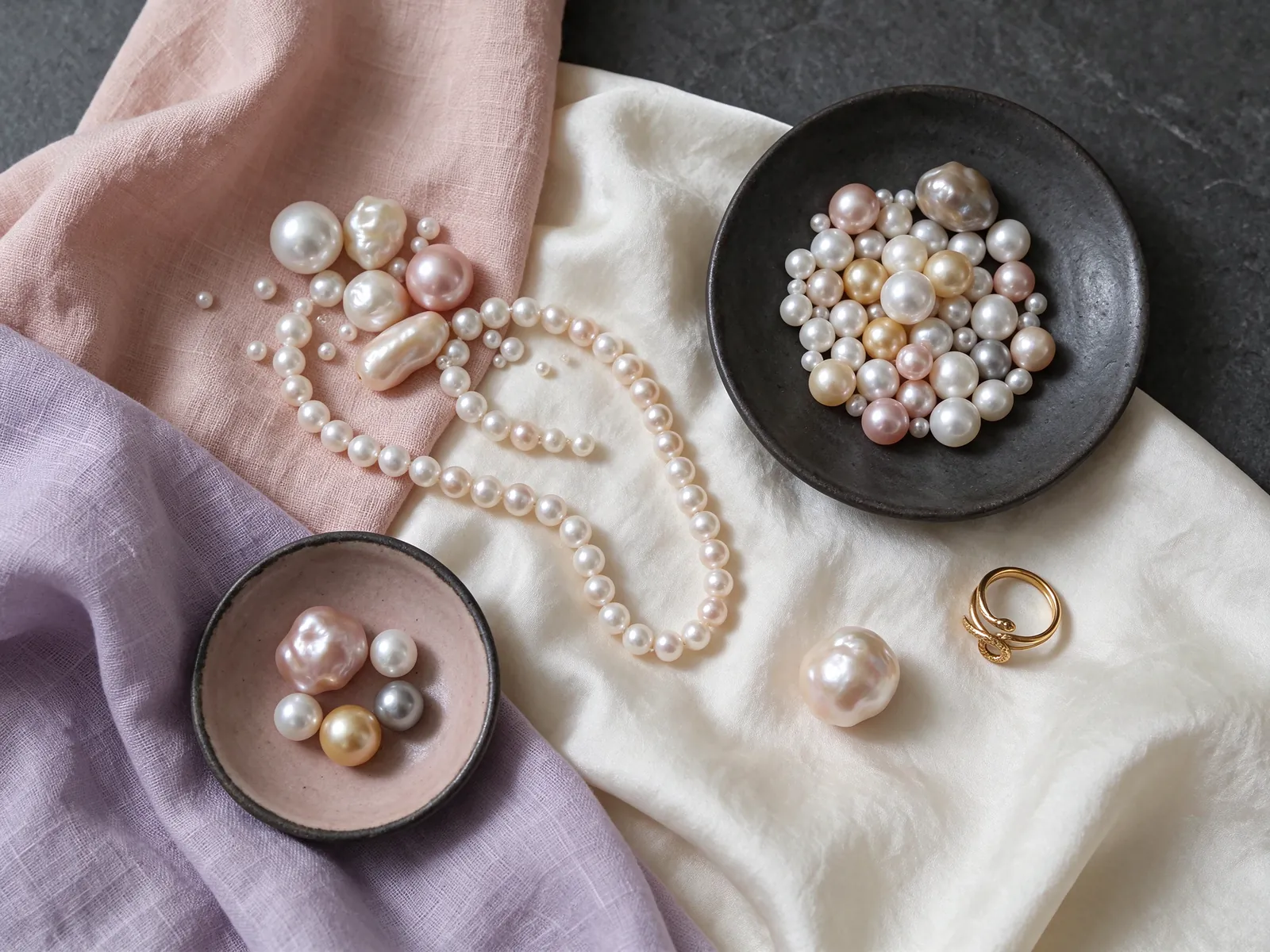
GIA distinguishes bodycolor, overtone, and orient, noting that not every pearl shows all three. First consider the dominant color, then any surface color effect. Reading about pearl body color and overtone helps you describe the difference between a gray base and an additional color impression. It does not create a visual method for deciding whether irradiation or dyeing occurred.
For gray blue pearls, photographs are more useful when lighting and backgrounds are similar. A warm room, a cool photographic light, or a colored background can change your impression, and screens introduce another variable. Compare the overall shade beyond the strongest highlights. Consistency improves an appearance comparison, but it does not replace treatment disclosure or turn a photograph into a finding about color origin.
Judge a pair by coordination, not by a single image
When choosing earrings, look at both pearls under the same conditions. Compare depth of gray, surface color effects, luster, and visible surface features, then decide whether you want a close match or more individual character. A convincing visual match addresses appearance only. It does not establish that both pearls have the same color origin, species, or treatment history.
Look for precise wording and understand document coverage
Grey or gray cultured pearl describes appearance and identity, but does not fully explain how the color is described to have arisen. Irradiated identifies a disclosed treatment, not every quality feature. Useful wording should relate to the particular piece, rather than borrowing a general statement about a whole pearl category. If color origin matters to you, ask for it to be addressed explicitly in the description.
If a document accompanies the jewelry, read the conclusion and identify the object examined. An organization name, cover, or report number is not a substitute for its actual findings. For a necklace, pay attention to whether the wording covers the material examined or makes a broader statement. Do not assume a document answers every identity, treatment, and quality question for every pearl simply because it exists.
Do not turn missing wording into certainty
A style phrase such as cool gray can help describe a look without disclosing color origin. Likewise, no mention of irradiation is not the same as a statement that irradiation never occurred. Natural color should not be stretched to mean the absence of every possible treatment. Ask for clear distinctions, then decide whether the available description gives you enough information for your preference.

Make quality and intended use part of the comparison
GIA identifies seven pearl value factors: size, shape, color, luster, surface quality, nacre quality, and matching. Color therefore belongs within a wider assessment. A natural-gray description does not automatically establish excellent quality, and a treatment label does not summarize a pearl's entire appearance. Once the shade is appealing, compare the other features that matter for the jewelry and how you expect to wear it.
A pendant invites attention to the visible face, shape, and luster of an individual pearl. A strand also calls for attention to coordination across multiple pearls. The same color label cannot promise the same matching or surface appearance. Consider whether the piece will sit against skin, over a shirt, or next to other jewelry, and choose the viewing angles that reflect those uses.
Compare complete pieces before explaining a price difference
If two quotations differ, compare their descriptions of identity, color origin, quality, metal, and construction first. Do not automatically attribute the difference to natural versus treated gray. Complete pieces can differ in many relevant ways, including how pearls are arranged. Treatment terminology alone is not a sound basis for calculating a premium, assigning a market grade, or expecting an investment return.
Build an outfit around contrast rather than a treatment label
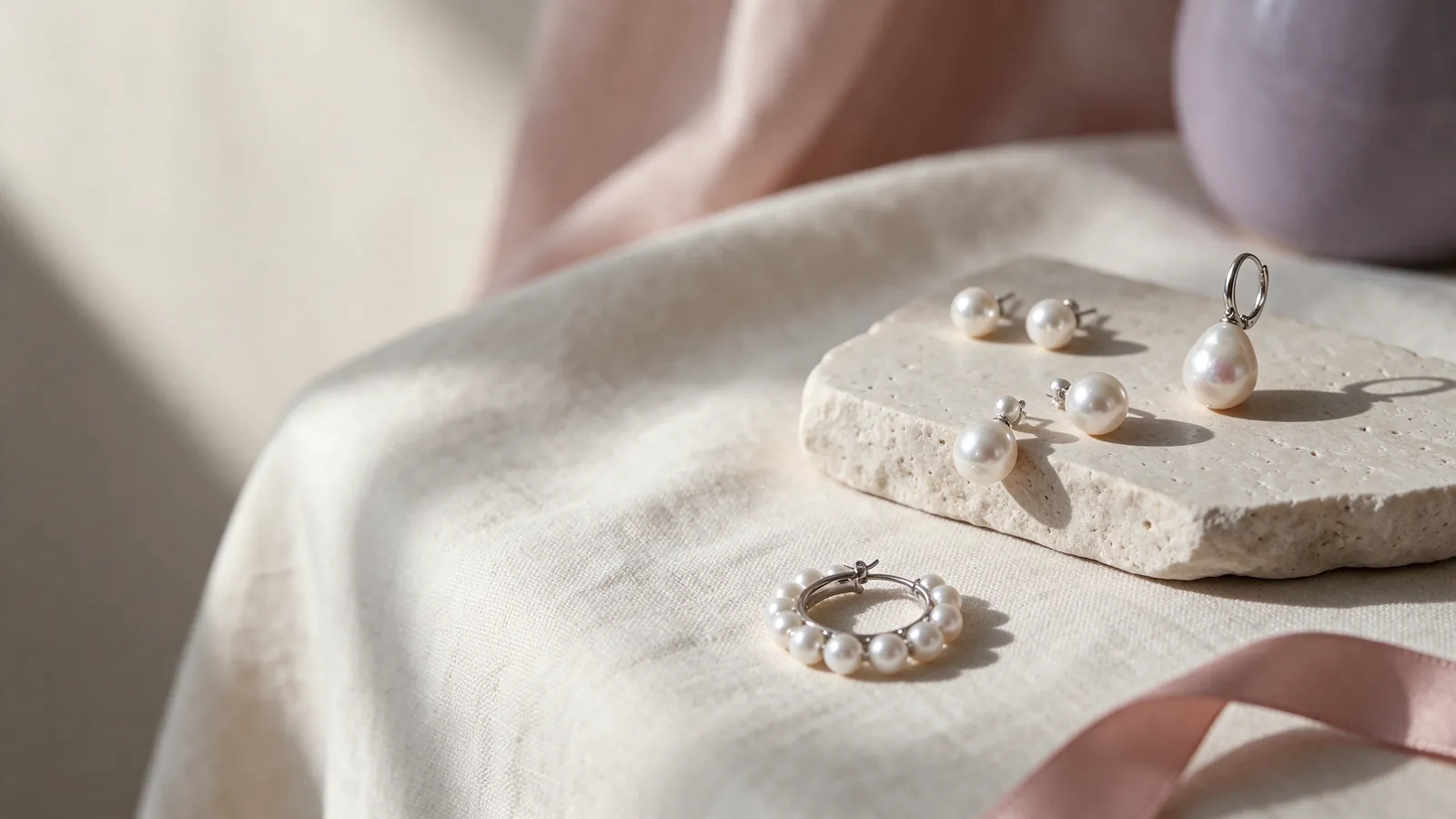
Gray pearls can blend quietly into an outfit or provide a distinct accent. With navy or charcoal fabric, check that the pearl remains visible near the neckline. With warm ivory, notice whether you enjoy the cooler contrast. Looking at white pearls alongside gray can clarify your preference for brightness or subtlety. That is a styling comparison, not a ranking of color origin or overall quality.
Metal color can change the overall balance: a cooler frame can extend a restrained palette, while a warmer one can add contrast. For a design discussion, the metal choices are 18K 750 white gold, 18K 750 yellow gold, 18K 750 rose gold, PT950 platinum, and PT900 platinum. Compare the look against clothing you actually wear. None of these setting colors establishes how the pearl's gray was produced.
Consider the neckline and occasion you use most
For a patterned daytime shirt, focus on whether the pearl remains distinct against the collar. For a plain evening outfit, luster and surface color effects may become the visual focus. Bring a photograph of a frequently worn neckline to explain whether you want the piece to blend or contrast. Continue to read identity and treatment details separately from that styling decision.

Choose gentle care instead of home color tests
GIA places pearl at 2.5 on the Mohs hardness scale and advises against ultrasonic and steam cleaning. Gray appearance does not make harsh cleaning appropriate. After wear, use a very soft clean cloth and avoid acids, perfume, hair spray, and excessive heat. These care principles address the pearl material; they do not distinguish natural gray from treated gray or guarantee that a color will remain unchanged forever.
Avoid chemicals, heating, or forceful rubbing as attempts to identify color origin. They cannot replace a treatment description and may damage the jewelry. If a strung piece is cleaned with water, GIA says its string should be completely dry before wearing. Store pearls away from abrasive contact and remain attentive to the string and fastening rather than relying on the color to predict durability.
Bring five separate questions to the final conversation
Before choosing, review identity, color origin, disclosed treatment, quality and matching for your intended use, and care needs. To discuss color with Flint Jewelry on WhatsApp +85260106207, describe the depth of gray you prefer and the clothes you plan to pair it with. Include the identity and treatment questions that matter to you, so the conversation addresses both your visual preferences and the information you need.
| Wording or fact | Question it addresses | Inference to avoid | Practical comparison |
|---|---|---|---|
| Natural gray | Description of color origin | Wild-natural identity or absence of all other treatments | Read formation identity separately |
| Cobalt gray / irradiated | Shade naming or a disclosed treatment | All gray pearls have the same treatment | Ask which meaning applies to the actual pearls |
| Bodycolor and overtone | Layers of visible color | A visual finding about irradiation | Use consistent light and a neutral background |
| Seven GIA value factors | Size, shape, color, luster, surface, nacre, matching | Gray color alone determines quality | Compare the features relevant to the piece |
| Mohs hardness 2.5 | GIA's stated pearl hardness | Dark color permits harsh cleaning | Avoid ultrasonic and steam cleaners |
Pearl knowledge and authoritative references
GIA identifies seven pearl value factors. Color is one part of the assessment, not a complete quality judgment.
Read the reference for this factFrequently asked questions
If a description says cobalt gray, what should I ask next?
Ask whether the phrase is a shade name or refers to cobalt irradiation, and whether that statement applies to the pearls in the particular piece you are considering.
Does natural color mean a pearl was not cultured?
No. Naturally occurring color and formation identity are separate. A cultured pearl can have natural color; color alone does not establish wild-natural identity.
Can a photograph prove that gray pearl color is untreated?
A photograph can support an appearance comparison, but it is not a treatment finding. Lighting, background, and screen settings affect the look; treatment needs its own clear description.
Should I buy the darkest gray pearl as the best quality?
Darkness is a visual preference, not a complete quality measure. GIA lists seven value factors, including luster, surface quality, nacre quality, and matching alongside color.
Is ultrasonic cleaning suitable for a gray pearl necklace?
No. GIA advises that pearls should not be cleaned with ultrasonic or steam cleaners. Use gentle care, and if a strand is cleaned with water, let its string dry completely before wearing.
Updated: