
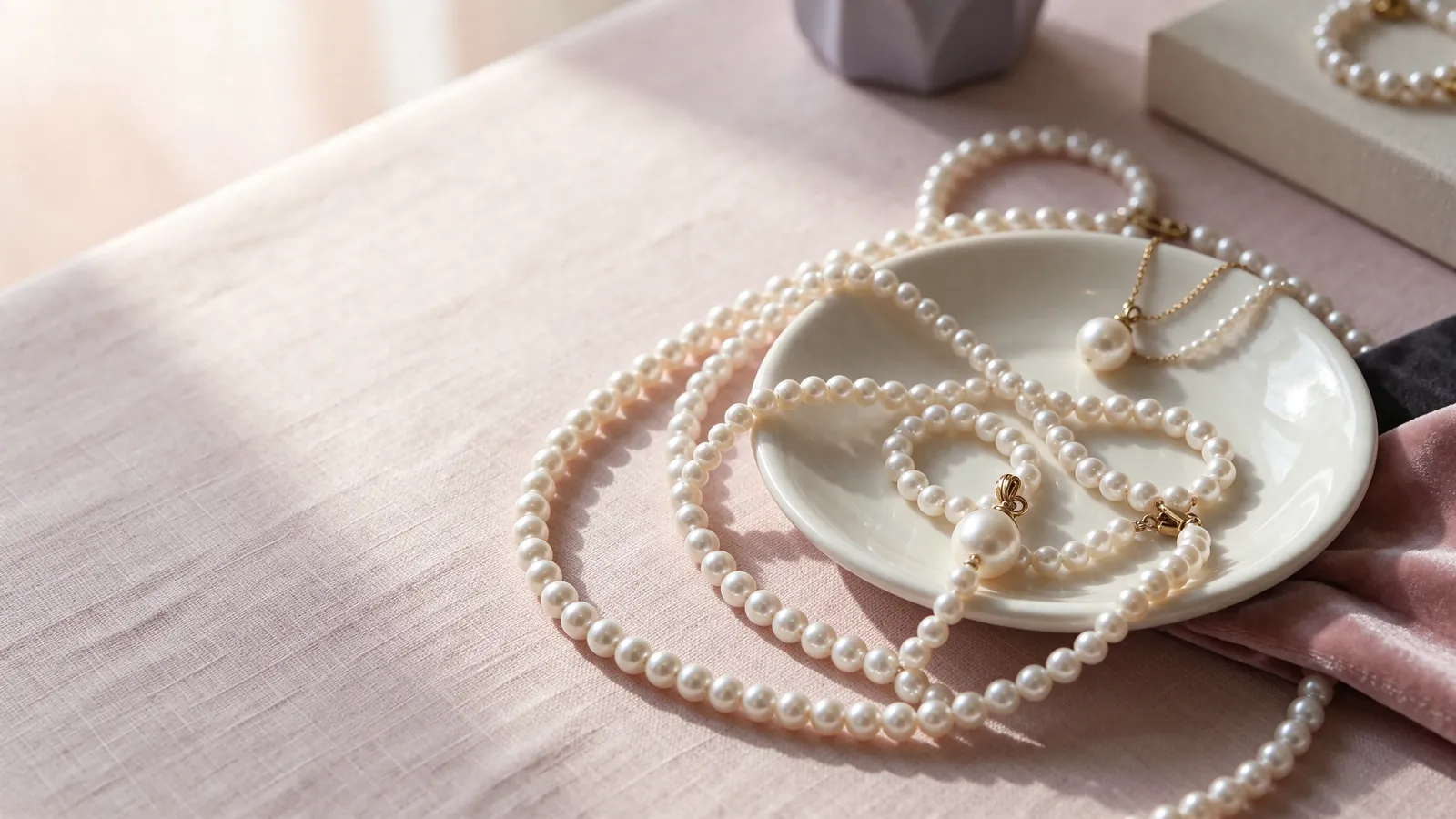
How can necklines and layers guide unisex pearl jewelry styling, from genderless pearl jewelry for everyday outfits to gender neutral pearl gifts for weddings?
Open your closet before deciding on a jewelry category. The T-shirt you wear on weekends, the button-down you reach for at work and a high-neck sweater each place different lines around the neck. Try the pearl detail against those familiar shapes. It might sit in an opening, above a collar or over the fabric, depending on the effect you enjoy. Include a jacket in the comparison so the decision reflects a complete outfit rather than an isolated neckline.
Genderless pearl jewelry leaves room for many kinds of expression: a single visible detail, a continuous rhythm of pearls or a combination with other necklaces. WSP’s public genderless collection describes its approach without “for her” or “for him” categories. This is an example of a styling category, not proof that one size works for everyone. If you often wear button-downs, the men's pearl necklace guide can offer collar-focused ideas without defining who may use them. Unisex pearl jewelry gives you room to explore your own taste while still checking the fit and placement.
Which of the recipient’s favorite necklines can help you choose gender neutral pearl gifts that reflect their approach to genderless pearl jewelry and unisex pearl jewelry?
A familiar neckline is helpful, but the recipient's preferred jewelry placement matters too. Ask whether they like a necklace to remain visible or tuck beneath a shirt, and use a piece they already find comfortable as a point of comparison. Do not estimate a length from a photo alone. Gender neutral pearl gifts can retain an element of surprise while still respecting the person's wishes about visibility, closeness to the neck and everyday clothing.
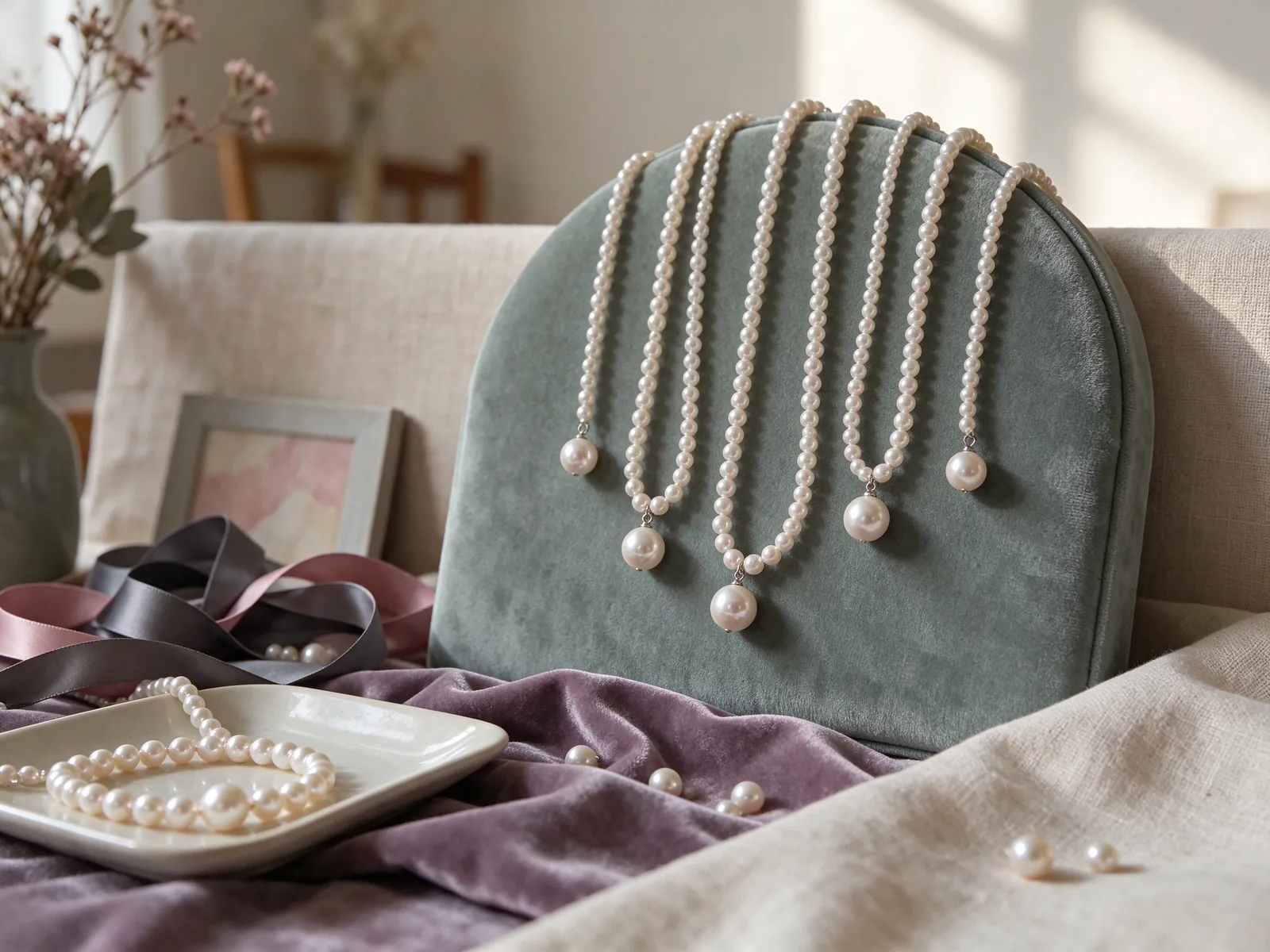
Separate the visual statement from questions about pearl quality
Before comparing details, decide how much attention you want the jewelry to receive. A patterned shirt may call for a clearly defined focal point, while plain fabric can leave space for an expressive arrangement. Look at the whole silhouette, including the chain and the lines beside the pearl. Try each option with the same clothing and viewing conditions. That makes it easier to tell whether a difference comes from the jewelry or from the outfit surrounding it.
Pearl quality is separate from whether a look feels bold or restrained. GIA identifies seven pearl value factors: size, shape, color, luster, surface quality, nacre quality and matching; matching applies to jewelry containing two or more pearls. For a strand, examine the relationship between the pearls as well as the qualities of each one. The pearl grading guide helps explain this approach, while a seller’s AAA or AAAA label should not be mistaken for a globally standardized GIA grade. A preferred visual scale does not establish price or certification. Read the description instead of drawing those conclusions from a photograph.
How do you judge presence without asking whether it looks masculine or feminine?
Ask whether the placement creates the emphasis you want. If you want the face to lead, let the neckline remain quieter; if you want the pearl to become a defining detail, give it a clearer background. Check a full-outfit view as well as a close-up. Adjusting another accessory can change the balance without changing the pearl. A pronounced look and a subtle look are both available choices rather than characteristics that must follow identity.

Choose contrast through clothing colors and fabric surfaces
Use the colors you actually enjoy wearing as a practical starting point. A lighter pearl against dark clothing may read clearly, while a closer tonal pairing can create a quieter effect. Neither needs to become a rigid rule about skin tone. View the combination in daylight and indoor light when possible, since one image may not capture how it feels in different settings. For a gift, the recipient's wardrobe preferences are more informative than assigning a meaning to a color.
Fabric creates a visual setting around jewelry. A crisp collar provides firm lines; a soft sweater presents a more textured background. Printed fabric or decorative details can compete for attention in the same area, so experiment with removing another accessory first. Include everyday items such as a work badge or glasses chain when trying the outfit. The aim is a combination the wearer will return to, not a look that only works when practical items have been removed.
Can a pearl's appearance establish what it is?
GIA distinguishes bodycolor, overtone and orient. All pearls have bodycolor, but the other two components are not present in every pearl. These concepts help you describe appearance, not prove origin or natural versus cultured identity from color or shape alone. A request for a warmer, cooler or higher-contrast look can remain a styling preference. If a laboratory report accompanies the piece, check the identity information and the examination it actually covers. A report is not automatically a price appraisal, a promise of future value or a brand warranty.
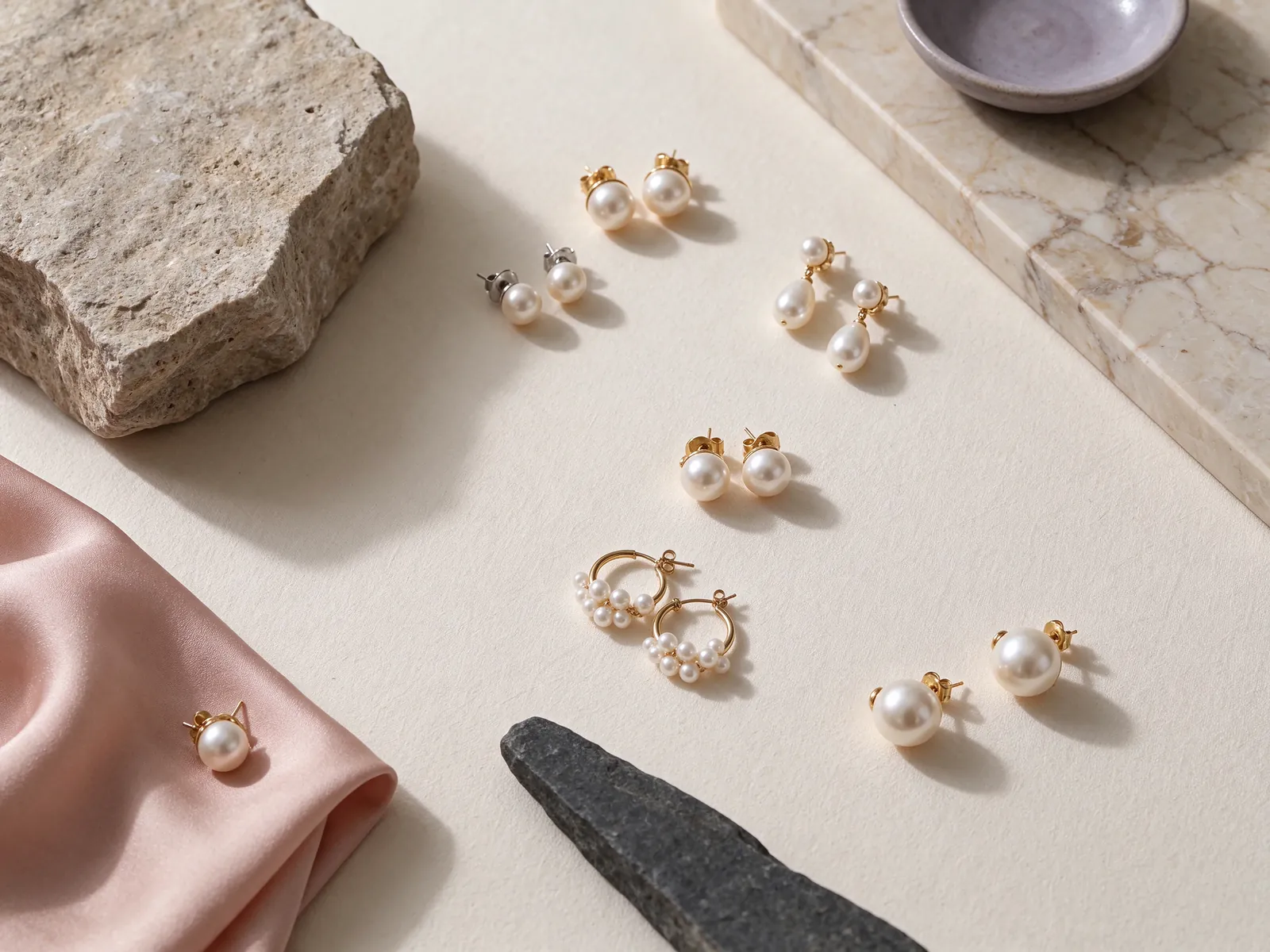
Test layering and ear styling against your daily activities
When layering necklaces, observe where the lowest point of each piece sits. Positions that look separate while standing still may overlap after walking, bending or adding a jacket. Check whether hard pendants, chain links or clasps touch the pearl surface; two different necklace lengths do not by themselves prevent rubbing. If chains repeatedly tangle or details collide, simplify the arrangement. Avoid treating a fixed length formula as the solution for every body and neckline. Use your preferred placement in a real outfit, then check whether ordinary movement changes the effect you wanted.
Ear styling needs its own practical questions. Consider existing piercings, glasses, headphones and the way you wear your hair. An asymmetric arrangement can be a visual choice without becoming a statement about which identities should wear it. If headphones are part of your day, notice the relationship between the pads and the back of an earring. Try a scarf too if you regularly use one. These contact points can affect comfort even when the front view looks appealing.
What should a useful try-on include beyond a mirror?
Move through a few familiar actions: button the jacket, look down at your phone, lift your bag and move hair away from an ear. Notice the jewelry's position and whether you can manage the fastening comfortably. This is not a test of impact resistance, so do not pull a chain or deliberately strike a pearl. If a clasp is difficult to operate, treat that as part of the buying decision rather than a detail to ignore.

Build a gift decision around habits, budget and the recipient's voice
Start by learning whether the recipient wears jewelry now and what they enjoy about it. They may favor a visible necklace, an understated detail or a piece reserved for celebrations. The pearl gift guide can frame the occasion, and pearl gifts by budget can separate the spending limit from the priorities guiding the choice. Identify preferred placement, ease of use and likely wearing frequency before focusing on decoration. When fit is unclear, describe how a necklace they already enjoy sits rather than estimating a measurement from a photo. Discussing the design brief and a quote with Flint Jewelry on WhatsApp can keep these needs explicit.
You can ask thoughtful questions without revealing every part of the surprise. Offer a choice between two styling directions, or ask which piece in their own collection feels easiest to wear. When choosing a pearl birthday gift, everyday clothes and actual jewelry habits can provide a more personal basis than symbolism alone. Confirm pierced ears if considering an earring, and avoid assuming a romantic meaning. The recipient should not have to accept someone else's expectations about identity along with the gift.
What makes a gift note personal without prescribing a style?
Write about a shared moment, a detail you admire in their outfits or a day you hope the jewelry might accompany. Avoid suggesting that the piece will make them more masculine or feminine. If they have told you how they prefer to be named or described, follow their words rather than inventing a label. An observation grounded in their real preferences communicates care without asking the gift to change how they present themselves.
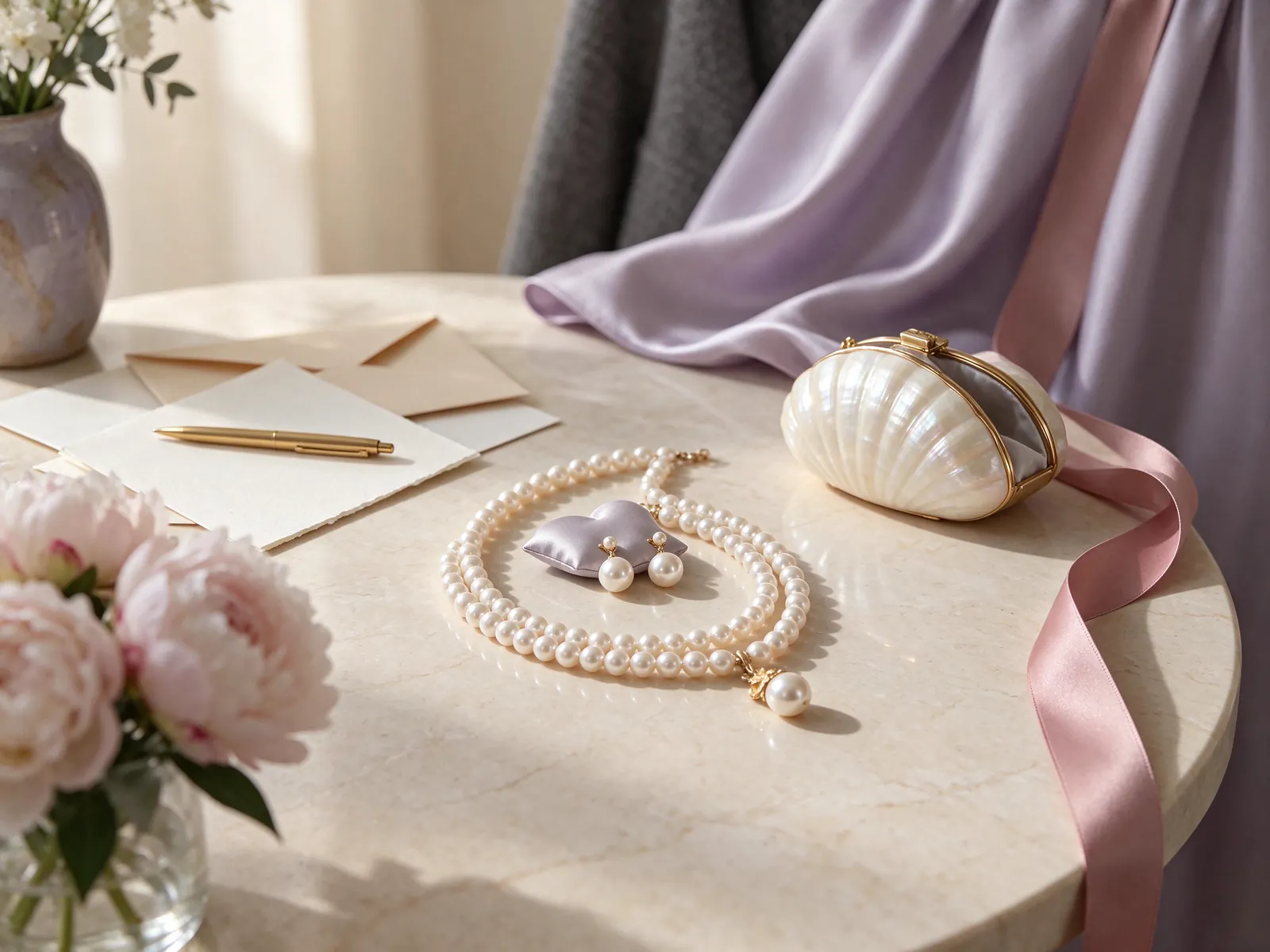
Let wedding and anniversary coordination preserve individual choices
A wedding look is easier to evaluate with the complete outfit. Suit lapels, shirt openings, dress necklines and floral details can occupy the area where a necklace would sit. If that space already has strong decoration, try a quieter pearl detail or a different focal area. With simpler clothing, pearls may take a more visible role. These choices need not follow gender categories. Guests can consult wedding guest pearl jewelry etiquette to consider the setting, then use the invitation’s dress expectations and the planned activities to guide the final combination. Personal expression and attention to the occasion can work together.
Coordinating with a partner does not require identical jewelry. A similar tonal direction or visual rhythm can connect a necklace on one person with an ear detail on another. For a pearl anniversary gift, ask whether the recipient imagines everyday use or a special-event look before deciding how the connection should be expressed. Cultural or personal symbolism can be meaningful, but it does not guarantee a relationship outcome or establish one rule every couple must follow.
How do you plan for both photographs and hours of wear?
View the outfit from the side and while seated, and include the jacket, tie or hair accessory you will actually use. Lighting can change how clearly the pearl detail stands out, so compare the intended indoor setting if possible. If the event involves outfit changes, use a fastening approach you are familiar with and arrange a separate place for the jewelry between changes. Comfort throughout the occasion matters more than preserving a single posed angle.
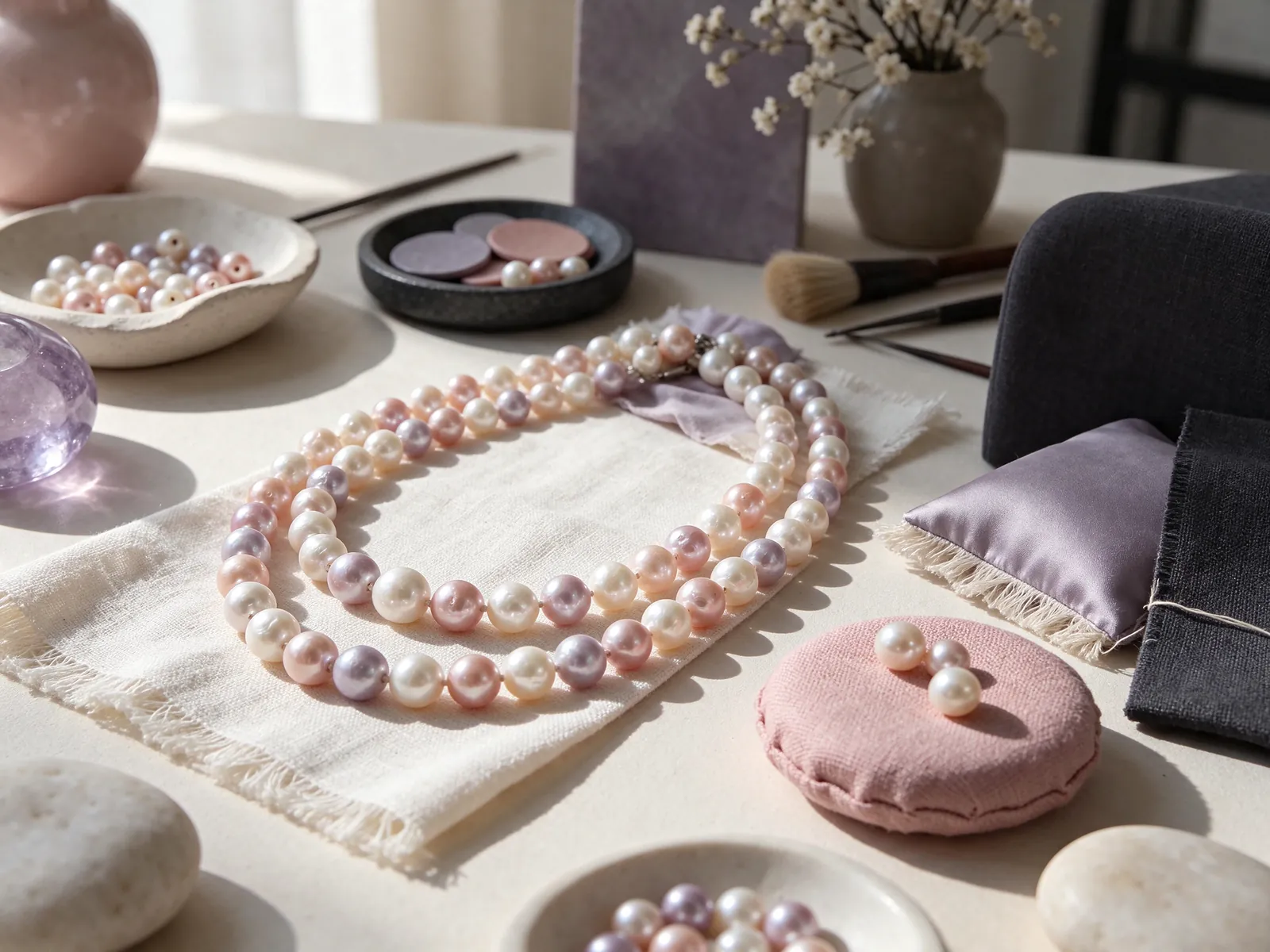
Bring a clear styling brief and make room for gentle care
A useful styling brief says more than neutral. Bring images of outfits you regularly wear and describe where you want the jewelry to be visible. Mention layering, headphones, fastening preferences and whether the purpose is work, weekends or an event. When considering holiday pearl gifts, think beyond the celebration itself and ask how the recipient would use the piece afterward. A brief based on these concrete habits makes personal style easier to discuss without turning identity into a specification.
Pearl care is part of everyday ownership. GIA places pearl at 2.5 on the Mohs hardness scale and says never to use ultrasonic or steam cleaners. Wipe pearls after wearing with a very soft, clean cloth, and avoid acids, perfume, hair spray and excessive heat. The pearl care guide offers routine care advice, but the method must suit the entire piece, including its thread, adhesive settings and metal hardware. Do not leave jewelry soaking. When suitable cleaning wets a strung piece, let the string dry completely before wearing it and avoid hot-air drying. Loose pearls, worn thread or a faulty clasp call for stopping wear and discussing an assessment, not assuming a guaranteed repair.
Does a genderless approach mean different people can share every piece?
An open styling approach does not make fit universal. Each wearer needs to check preferred necklace position, relevant piercings and ease of fastening with their own clothing. One person may want a necklace over fabric while another likes it hidden inside a shirt. It is also possible to share an idea without sharing the physical jewelry. If a piece is shared, agree on gentle cleaning and storage that avoids rubbing against objects which could scratch the pearl.
| Outfit or activity | What to observe | Styling comparison | Practical question |
|---|---|---|---|
| Crew-neck T-shirt | Pearl position relative to the neckline | Visible skin versus a fabric background | Do you like the placement when sitting down? |
| Button-down shirt | Opening and jacket lapels | A single focal detail versus more open space | Does buttoning the jacket change the balance? |
| High-neck sweater | Texture and clarity of the outline | One visible layer versus separated necklace layers | Does movement bring the pieces together? |
| Headphones or glasses | Ear piercings and contact points | Different ear outlines and areas of open space | Can you use your regular accessories comfortably? |
| Wedding or anniversary outfit | Clothing, floral decoration and lighting | Shared tone or rhythm without identical pieces | Is the arrangement comfortable for the whole occasion? |
Pearl knowledge and authoritative references
GIA identifies seven pearl value factors: size, shape, color, luster, surface quality, nacre quality and matching. Matching applies to jewelry containing two or more pearls; size is only one part of comparing a strand.
Read the reference for this factFrequently asked questions
Can a bold pearl look still be genderless?
Yes. Genderless styling does not restrict the amount of visual presence. Compare the pearl against your actual outfit and decide where you want attention to fall. A bold or understated arrangement can both be an individual choice.
How can I keep a pearl gift a surprise without guessing about fit?
Ask about a familiar necklace, preferred visibility or whether they enjoy ear jewelry. You can leave the final presentation unrevealed while learning the wearing conditions that matter. Do not rely only on photographs to choose a length.
Should a shared necklace sit in the same place on everyone?
Not necessarily. Body proportions, clothing and comfort preferences differ. Each person should try the piece with their own outfit. Sharing a styling concept can be more appropriate than expecting one physical piece to suit every wearer.
Can partners coordinate wedding pearls without matching exactly?
Yes. A related tonal direction or visual rhythm can link different placements. Let each outfit work independently first, then consider a common detail instead of requiring the same piece or silhouette.
Is a pearl photograph enough to determine origin or certification?
No. Color and shape alone cannot establish origin, natural versus cultured identity or the presence of a certificate. Use a photograph to discuss the visual effect, and keep that discussion separate from the actual description and documents.
Updated: