

How Can a flowing ribbon pearl pendant necklace Complement Your Neckline?
Use your most frequently worn top as the starting point. A crew neck can frame a pendant above the fabric or provide a background below the edge, but a collar crossing through the curve may interrupt the design. With a V-neck, the pendant does not have to sit exactly at the point. Give the line enough room to remain distinct from the opening. When evaluating a pearl pendant, compare those placements in the same outfit so that changes in clothing do not distract from the necklace itself.
A flowing ribbon pearl pendant necklace can shift as you move, so placement should be tested beyond a standing mirror view. Sit down, lean forward gently and turn your shoulders as you would during the day. Watch whether the pearl disappears inside the neckline or the curve catches visually on an edge. Neck shape, posture and the pendant's drop all contribute to the result. Longer is not automatically better: the right placement is the one that allows the design to read clearly while fitting your real clothing habits.
How Does Chain Length Change the Position of a flowing ribbon pearl pendant necklace?
Compare several comfortable positions with the same top, looking at both the pearl and the highest part of the motif. A front photo can show the outline; a side view can reveal projection and rotation. Think in terms of the complete pendant's location rather than the chain length label alone. No single placement suits every body or neckline.

Understanding the Ribbon's Shape and Visual Movement
A ribbon can be suggested by a sweeping line, a turn or a folded-looking surface without forming a bow. Follow the outline before attaching a style label to it. A curve that opens outward may feel different from one that encloses the pearl, and an asymmetric direction can change the whole arrangement. Decide whether you enjoy an abstract impression of movement or a more literal decorative shape. Neither choice has to be assigned to an age group or reserved for a particular occasion; the actual silhouette matters more than those assumptions.
Consider which element catches your attention first. In some compositions the metal line may lead the eye; in others the pearl may appear to lead. Compare this balance from a normal viewing distance rather than relying entirely on a close-up. Then turn the pendant to see whether the curve blocks the pearl or whether the bail becomes prominent. The words ribbon pearl pendant describe a design idea, not one fixed proportion. A useful choice is a balance you enjoy from the angles in which the necklace will actually be seen.
Trying an Asymmetric Motif with a Simple Outfit
A plain neckline makes it easier to see the direction of a diagonal curve. Try your hair up and down, and notice whether a strand or garment fold merges with the outline. Let the necklace move naturally before judging it again. Its rotated view may matter as much as its carefully centered presentation.
Looking Beyond a White or Round Appearance
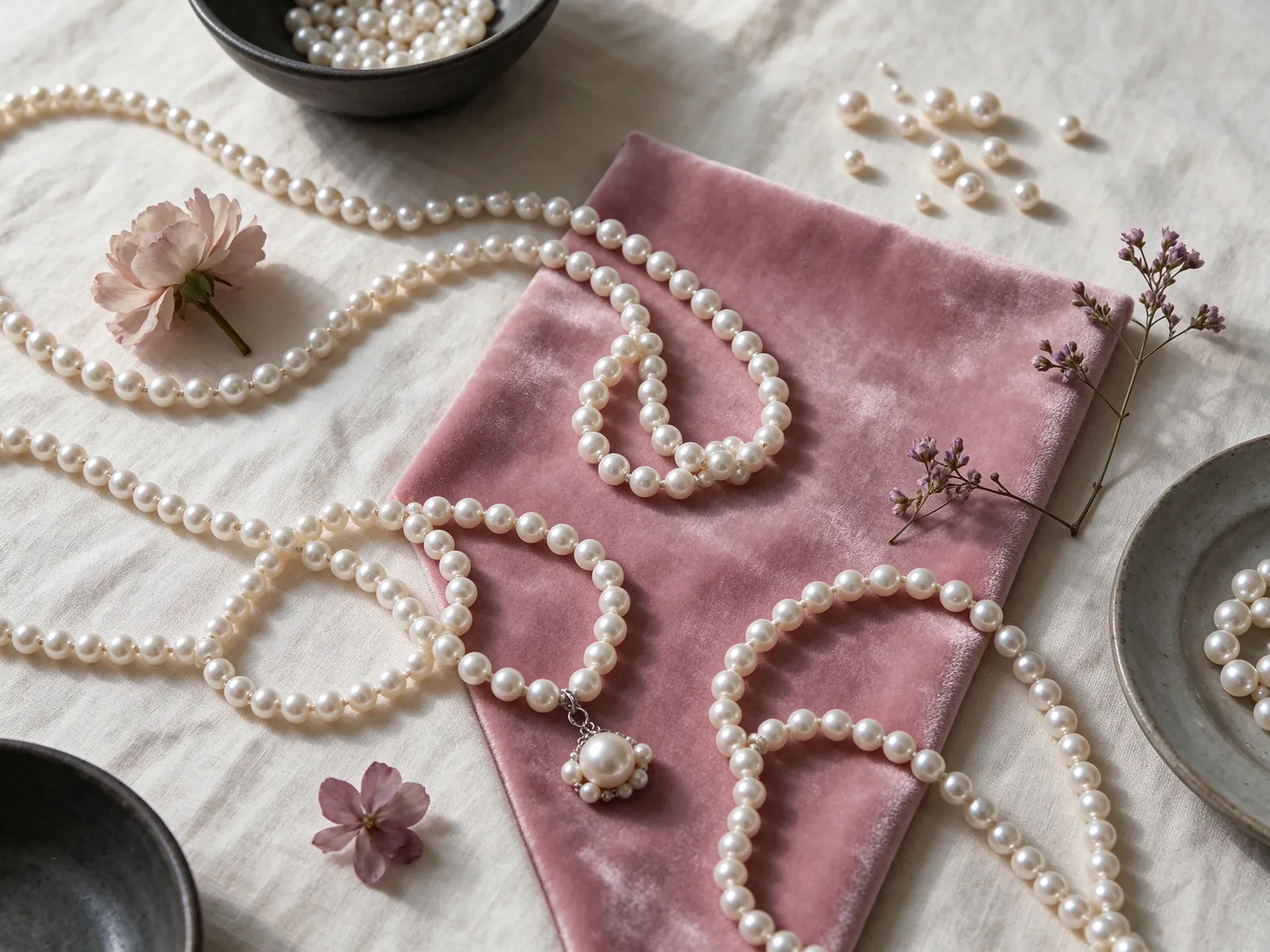
The pearl is an important focal point, but a bright photograph does not answer every quality question. In soft, consistent light, observe how clearly the pearl reflects its surroundings and how its appearance changes as it turns. Note visible surface features and their location relative to the worn view. Metal beside the pearl can create a reflected highlight, so separate that effect from the pearl's own appearance. Seeing the complete necklace and a closer view serves two different purposes; each adds information that the other can miss.
GIA lists seven pearl quality factors: size, shape, color, luster, surface quality, nacre quality and matching. This framework helps you ask specific questions rather than relying on an unexplained grade. Matching is particularly useful when multiple pearls are shown together, while the remaining factors also apply to an individual pearl. GIA distinguishes bodycolor, overtone and orient, noting that not every pearl has all three. Shape and color alone cannot identify pearl type, origin or natural versus cultured status. Those details require information or documentation that corresponds to the particular piece being considered.
How to Weigh a Small Surface Feature
Check whether it is visible from the usual worn angle and consider it alongside luster and overall form. A magnified image may emphasize details that are less apparent at normal distance, but distance is not a reason to ignore the surface entirely. Make the decision using both views and a clear description, not an undefined promise of perfection.

Using Metal Color to Frame the Pearl
Set the necklace beside colors you actually wear, such as cream, blush, charcoal or navy. A warm metal tone may make a broad ribbon surface more noticeable, while a cooler tone may blend differently into pale clothing. Lighting and finish also affect that impression. The 18K gold pearl pendant discussion offers a related perspective on 18K 750 white gold, 18K 750 yellow gold and 18K 750 rose gold. Consider how each color works around the pearl rather than assuming that a metal tone proves anything about the pearl itself.
For another color direction, explore the platinum pearl pendant guide and distinguish PT950 platinum from PT900 platinum in the material description. After considering color, check the necklace as a structure. A slim chain may leave the ribbon visually unobstructed, but the clasp and bail still need to fit together. A more prominent chain may add a second competing line. View all three elements—chain, metal motif and pearl—as one arrangement, and do not assume that a matching color is enough to establish either a comfortable fit or a pleasing composition.
Balancing the Pendant with Earrings
Choose a focal point rather than making every piece equally noticeable. A small, quiet earring can leave the curve to lead; a different metal color may still connect through a similar shape or light effect. Look at your face and neckline in the same mirror view so that the combination is judged as an outfit.

Planning for Workdays, Dinners and Layered Necklaces
On a workday, the clothing texture can be as important as the neckline. A plain shirt gives the curve a clear setting, while a chunky knit or lace may introduce visual clutter or contact points. Check the necklace with the scarf, bag strap or outer layer you regularly use. If a shape repeatedly catches on fabric, adjust the combination rather than treating the problem as something to get used to. A design that looks appealing in a still image should also be considered in the context of ordinary tasks.
For dinner, a simple fabric background can allow the pearl and ribbon to supply the detail. A top with draping, a bow or a diagonal strap may already create movement, so decide whether the necklace should echo that effect or provide contrast. If you enjoy layering, place the pendant first and then add a second chain without crossing the motif. Walk and sit before checking again. Chains can change their relationship during wear, and a crowded or tangled result may be better resolved by removing a layer than by adding another.
Choosing a Gift around the Recipient's Wardrobe
Think about the recipient's common collars, usual necklace habits and preference for symmetry or movement. These details are more useful than deciding a design must suit someone because of age. If possible, discuss where they like a pendant to fall. The goal is a motif that connects with their personal outfits, not an imagined dress code.

Comparing Ribbon, Floral and Butterfly Ideas
Separate the subject you recognize from the line you enjoy. A flower pearl pendant invites you to look at a floral outline and how its center relates to the pearl. A ribbon suggests another route through curves and turns. A butterfly pearl pendant offers a further way to consider an open silhouette, but butterfly, ribbon and bow are not interchangeable terms. Compare these design discussions using the same simple clothing background. It is easier to identify a personal preference when the supporting outfit stays consistent rather than changing with every example.
A preference for a single clear arc may also make the smile pearl pendant topic worth exploring. Its design idea can help you distinguish a simple curve from a ribbon with a more complex path. Instead of declaring one motif dressier or younger, compare how much visual space it occupies and where it directs attention. Write down the features that matter to you: a pearl that stays visible, a light-looking outline or a diagonal sense of movement. These concrete observations are more useful for choosing than a broad request for something elegant.
Describing Your Styling Preferences Clearly
Select a few everyday tops and explain the pendant position you would prefer with each one. Add the metal color and curve direction you enjoy. You can talk through these pendant styling preferences with Flint Jewelry. Keeping the conversation tied to clothing and visible proportions helps express your taste without relying on vague style labels.
Checking the Chain and Protecting the Pearl after Wear
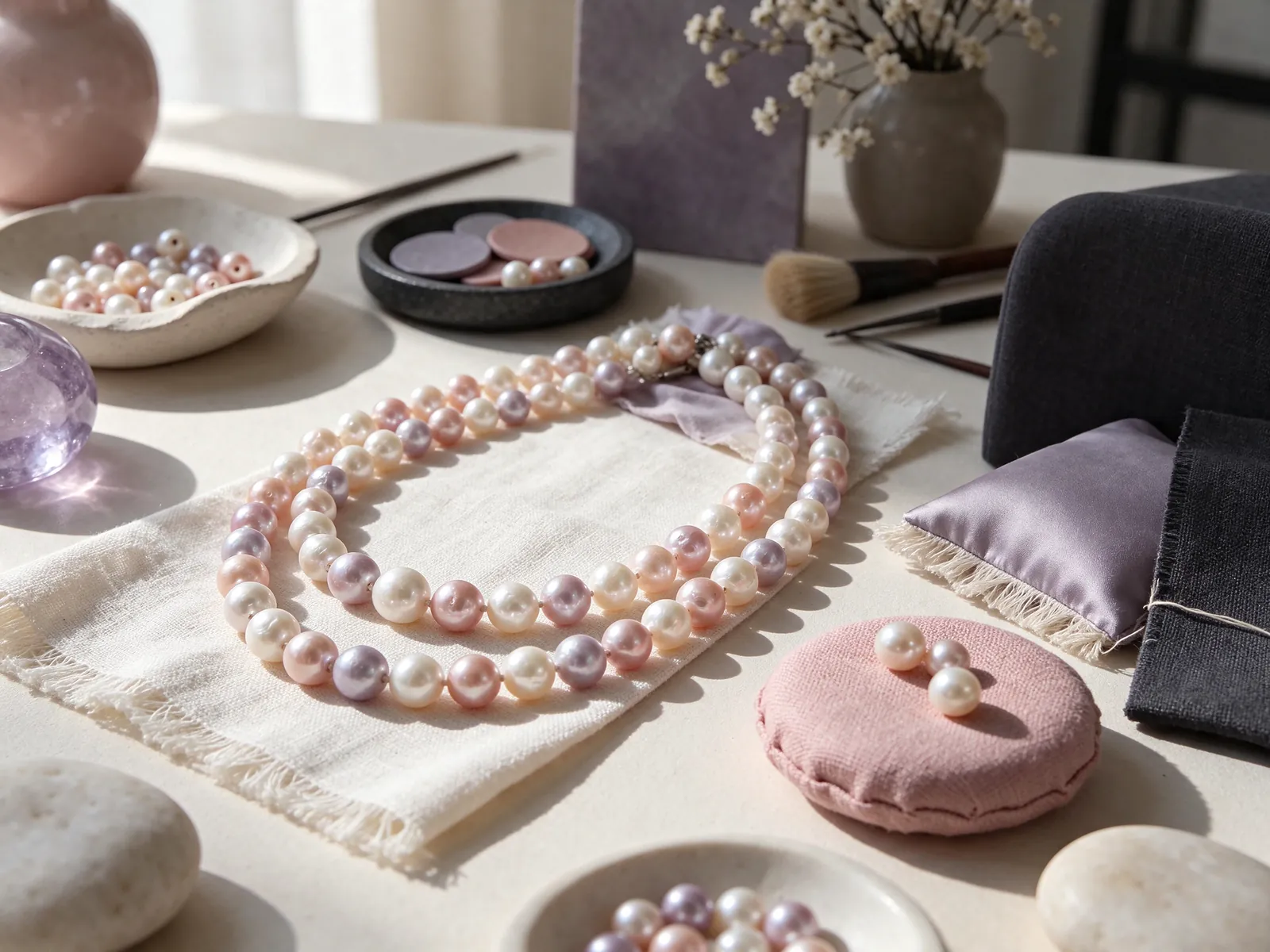
Before assembling the necklace, check whether the clasp can pass through the bail as well as whether the chain body fits. A thin chain may still have an end fitting that is too large or awkwardly shaped for an opening. Never force it through. After fastening, let the pendant settle and watch the curve's direction during gentle movement. To take it off, undo the clasp rather than pulling the pearl or gripping the decorative line. A photograph cannot establish how secure a fitting feels, so pay attention to the actual handling.
GIA places pearl at 2.5 on the Mohs hardness scale, which makes separate storage and protection from rubbing worthwhile. Keep the pendant away from harder jewelry and avoid chain tangles that can pull on the setting. Wipe it after wear with a very soft, clean cloth. Avoid perfume, hair spray, acids and excessive heat. GIA says pearls should never be cleaned with ultrasonic or steam cleaners. Even if a method seems appropriate for a metal component, the pearl means the complete pendant needs a different care decision.
Responding to an Unusual Movement or Fastening Problem
If the pearl feels loose or a clasp behaves differently, stop wearing the necklace and place it on a clean, soft surface. Do not bend the motif, repeatedly test the loose part or use household glue. An appropriate jewelry professional can inspect the condition. Understanding the structure should come before further wearing or aggressive cleaning. To talk through ribbon lines, neckline space and chain placement, discuss your pendant styling preferences with Flint Jewelry on WhatsApp +85260106207.
| Element | Useful test | Visual goal | Practical response |
|---|---|---|---|
| Neckline | Compare the same top from front and side | Keep the curve separate from the collar edge | Try a different drop if the motif disappears |
| Pearl placement | Turn the pendant and check the worn view | See the pearl and ribbon as a balanced pair | Consider close detail and normal viewing distance |
| Metal color | Use familiar wardrobe colors as backgrounds | Create a clear focal point | Evaluate earrings and chain at the same time |
| Chain and bail | Check the clasp passage before wearing | Allow the pendant to hang naturally | Do not force a tight connection |
| After-wear care | Inspect the surface and fittings gently | Avoid rubbing and tangling | Store separately and skip ultrasonic or steam cleaners |
Pearl knowledge and authoritative references
GIA names seven pearl quality factors: size, shape, color, luster, surface quality, nacre quality and matching. This gives a structured way to assess the pearl separately from the shape of a ribbon motif.
Read the reference for this factFrequently asked questions
Can a ribbon pendant look understated rather than bow-like?
Yes, a ribbon idea can be expressed through a flowing line without a knot or paired loops. Evaluate the actual silhouette, the amount of metal visible and the space around the pearl rather than judging only the motif name.
What should I test if the pendant disappears inside my shirt?
Compare another chain position with that same shirt, then sit and lean forward gently. Look for a placement clearly above the edge or on the fabric. The pendant's own drop and your posture matter as well as the chain length.
Does a round pearl mean it has a particular origin?
No. Shape and color do not establish pearl pearl type, origin or natural versus cultured identity. For those details, use a clear description or documentation corresponding to the individual piece, not an inference from its photograph.
How can I layer a second chain without hiding the ribbon?
Set the pendant's position first, then try another chain that does not cross its center. Check again after moving. If the chains overlap the pearl, rub against it or tangle around the motif, simplify the arrangement.
What if the pearl starts to move within the setting?
Stop wearing the necklace and place it on a soft, clean surface. Avoid pulling, bending or applying household glue. Have an appropriate jewelry professional inspect the movement before wearing the piece again.
Updated: