

Where Might a horse pearl brooch, pearl horse pin or horse motif pearl brooch Fit into a Blazer Outfit?
Build the look around a blazer you already enjoy wearing. Its lapel width, fold and nearby pocket create the space in which a horse outline will be seen. A vertical profile and an extended running-horse shape need different room. Before fastening anything, compare potential positions in a mirror. Reading about the broader pearl brooch category can help you recognize these layout choices without treating every animal-themed pin as interchangeable.
Consider the outfit at normal viewing distance, not only in a close-up. On solid fabric, the edge may read clearly; against a pronounced check, it may become harder to distinguish. Try turning the horse toward the center of the outfit and toward the shoulder. Neither direction is mandatory. What matters is whether the shape has room, whether the pearl looks balanced, and whether the lapel stays comfortable when you sit.
What Should You Check About Fabric and Fastening Before Wearing a horse pearl brooch, pearl horse pin or horse motif pearl brooch?
Check the stem for distortion, learn the closure's operation and inspect the surfaces that contact your clothing. A heavy weave can resist a particular pin, while lightweight fabric can droop or retain a puncture. Support the cloth and do not push through resistance. Assess an unobtrusive area before committing to a visible position. The practical discussion of how to wear a pearl brooch brings these handling questions into the styling decision.

Decide Which Horse Image Feels Like Your Style
Look first at the outer line. A horse profile may rely on the ears, nose and curve of the neck for recognition, while a running outline emphasizes lateral movement. A chess-knight reference brings a more graphic idea. Ask whether you prefer that simplified image or a more descriptive animal shape. Neither has to contain more detail to be effective. Step away from the mirror and see whether the feature you enjoy remains readable.
Then examine the relationship between the pearl and the silhouette. A pearl might provide a calm focal point beside an active line, but it can also conceal a feature if the composition feels crowded. Empty space can give the design breathing room. Raised ears, a mane or projecting legs also affect everyday handling. Think about your hairstyle, scarf and shoulder strap before choosing a design solely for its sculptural appearance.
Keep Symbolism Personal, Not Predictive
Horse imagery can bring freedom, dignity or travel to mind; a knight can suggest chess and strategy. These are ways to tell a personal story, not benefits the pin can guarantee. For a gift, connect the choice to a shared experience or an interest you know the recipient has. A rider may prefer a recognizable full horse, while a chess enthusiast might appreciate a cleaner profile. Confirm the preference instead of assuming the hobby settles it.
Assess Pearl Color and Shape Within the Whole Design
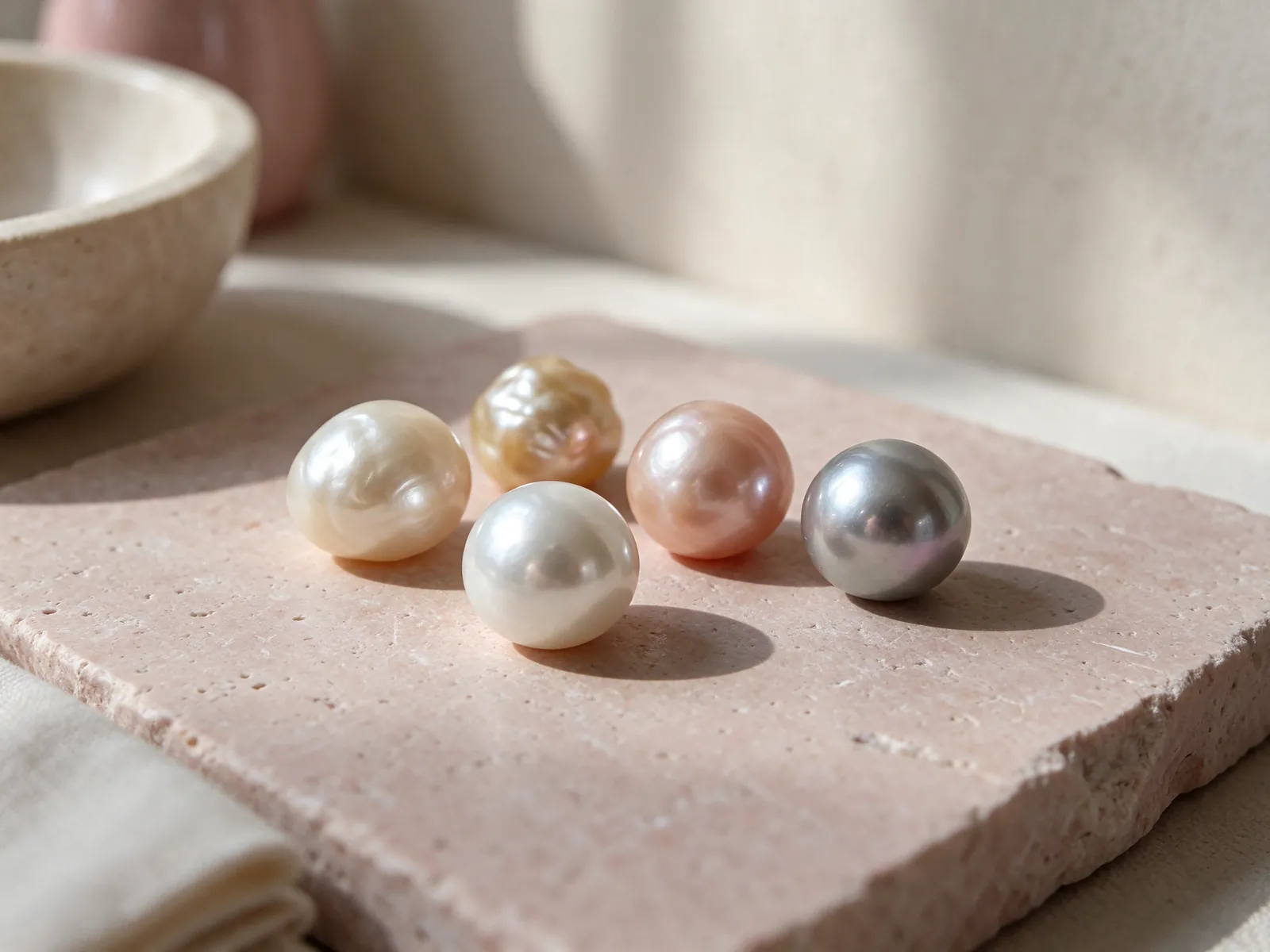
Use clothing in your usual color palette as the background when assessing the design. The pearl's luster, the outline and the fabric combine to create contrast. A light pearl is not automatically the best choice for a dark blazer, and a dark pearl is not automatically lost against it. Compare the overall appearance in gentle daylight and everyday indoor lighting if you can. A photograph on a blank background leaves these outfit questions unanswered.
GIA names seven pearl value factors: size, shape, color, luster, surface quality, nacre quality and matching. For a brooch, pay attention to the exposed pearl surfaces and ask about areas hidden by the construction. Matching becomes especially relevant when the composition contains multiple pearls. The Tahitian black pearl brooch topic is useful if you want to explore darker pearl palettes, but a horse motif is not evidence that a pearl belongs to that category.
Use Related Pearl Topics Without Guessing Identity
A rounded appearance can contrast with angular horse lines, while an irregular pearl can extend a feeling of movement. The baroque pearl brooch discussion helps you consider shape as part of a design rather than treating irregularity as an automatic quality ranking. The Akoya pearl brooch topic concerns another pearl category. Appearance alone does not settle species, origin, natural or cultured identity, or whether an individual piece has an identification report.

Look Behind the Motif for Balance and Usability
Ask to understand the back as well as the decorated front. The stem location and the distribution of projecting parts can affect how a brooch settles on fabric. Once fastened, support it and gently release your hand. Does the cloth dip, or does the horse rotate away from your intended angle? Repositioning may be more useful than trying to pull the garment taut. A clasp that closes is only one part of a successful wearing setup.
Practice any rotating or locking action away from the garment before using it while dressed. The fastening's name is not a universal security promise. Check that the point is contained and that nothing at the back digs into or drags across the fabric. If operation becomes stiff or loose, or the stem appears bent, stop wearing the piece. Do not reshape the components yourself, since this can change alignment or disturb the pearl attachment.
Treat a Tie, Scarf or Hat as a Different Use Case
Do not assume a small pearl horse pin can serve as a tie tack. The fabric layers, movement and required stem direction may differ. A scarf can shift as you walk, and a hat edge can be too thick for a particular closure. Learn the individual piece's intended use before adapting it. With delicate silk or an open knit, preserving the garment may be a better priority than carrying the motif into every outfit.
Plan the Complete Outfit and Its Everyday Movement
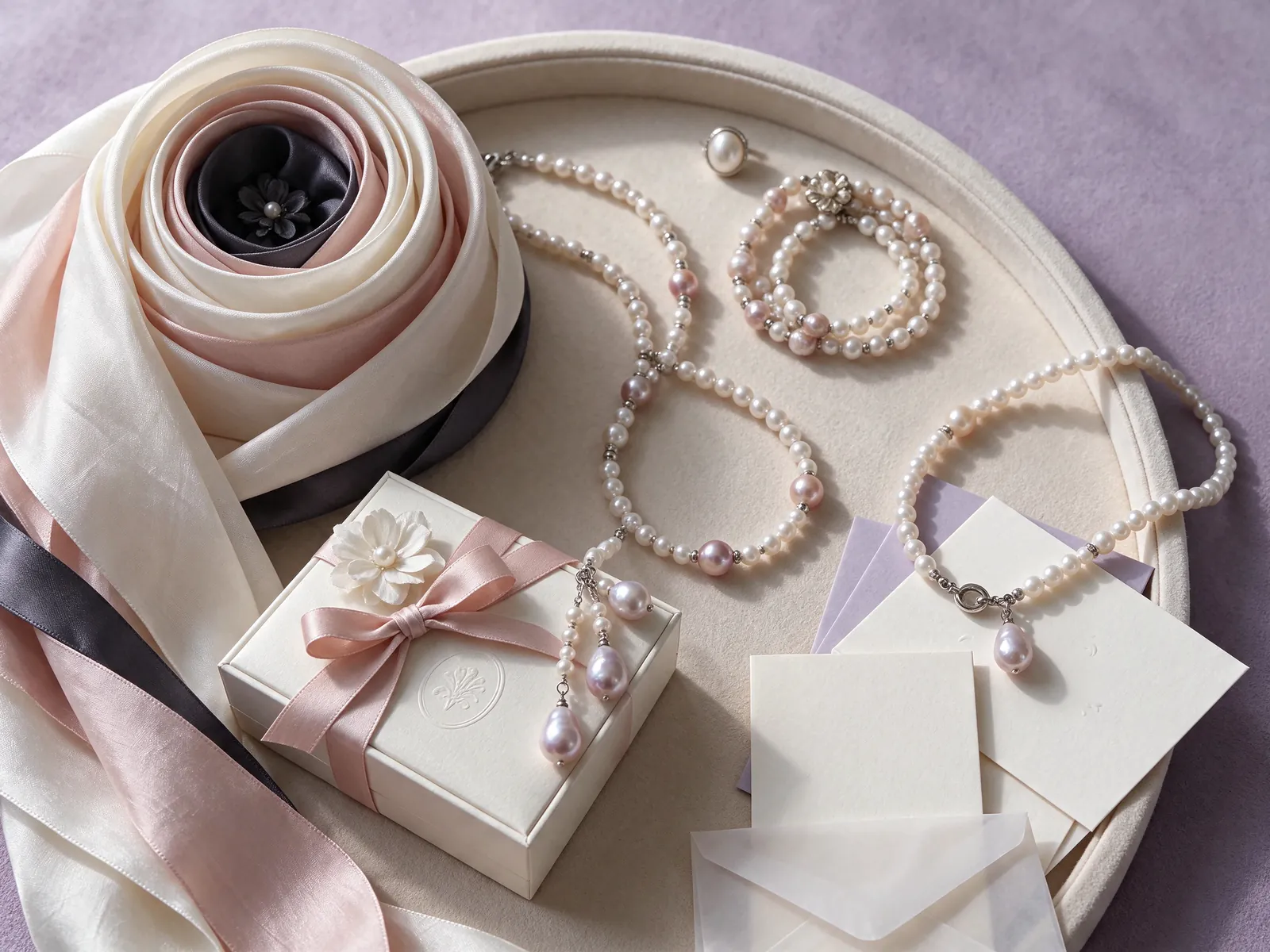
In a work outfit, decide what should attract attention near the collar. A patterned tie, pocket square and brooch may all be attractive separately but compete when grouped tightly. Remove one and compare the effect. The aim is visual clarity, not a rule about how many accessories you may wear. Think about practical routines as well: reaching for a bag, leaning over a desk and removing a blazer can change how the pin interacts with clothing.
For an evening event, judge the silhouette under the kind of softer light you expect to encounter. Fine details may not be as apparent as the overall line. Embroidery, sequins or other embellishments can provide a lively background, but also check for places where the horse outline could catch. Put on the entire outfit and any outer layer instead of deciding while the garment is lying flat or hanging alone.
Test the Position While Seated and Layered
Try sitting, turning and carrying your usual shoulder bag. Move the pin if the strap rubs across the pearl or presses against the motif. A wrap or cardigan used indoors can also compress a projecting shape. When changing clothes, unfasten the brooch first while supporting both the jewelry and the fabric. This is easier to control than leaving it on a jacket that will be pulled off, folded or crowded among other garments.

Make a Horse-Themed Gift Fit the Recipient's Wardrobe
Start with the recipient's actual habits. Do they wear brooches, and do their usual jackets offer a practical place for one? Someone who prefers soft knits may need a different fabric assessment from a regular blazer wearer. Ask whether they enjoy a literal animal image or a stylized outline, and which pearl colors they tend to choose. A meaningful motif is only part of a gift that will be comfortable and welcome in daily use.
If you are choosing among animal themes, the cat pearl brooch topic offers another direction for approachable imagery, while the parrot pearl brooch topic lets you compare bird-like curves and color ideas. Discuss what makes each outline appealing instead of ranking animals as more or less prestigious. A recipient's preference for calm geometry, movement or playful details is a better guide than a broad request for something unique.
Explain the Intended Look Before Discussing Details
For a conversation with Flint Jewelry about pearl jewelry choices, describe the clothing, occasion and position you have in mind. A view of a blazer lapel can help communicate proportions, though it does not replace an actual fit check. The Pearl Jewelry topics can also help if you are still deciding between a brooch and another accessory. Sharing your preferences is useful without guessing pearl size, identity or a design's construction.

Handle the Pearl Gently and Read Documentation Precisely
GIA reports pearl hardness as 2.5 on the Mohs scale. That number is relevant to avoiding abrasion; it does not grade the strength of a whole horse brooch. Wipe the exposed pearl gently with a very soft, clean cloth after wearing. Support the jewelry rather than lifting or pulling it by the pearl. In storage, prevent contact with pin points and other pieces, and keep projecting parts of the motif from being squeezed.
Never use steam or ultrasonic cleaners on pearls. Keep perfume, hair spray, acids and excessive heat away from the pearl, and finish grooming before putting the piece on. A substantial-looking metal outline does not mean the assembled brooch should be soaked or scrubbed. Its attachment and fastening may need different handling from the pearl surface. If gentle wiping is not enough, obtain care guidance suitable for that particular piece instead of experimenting with strong cleaning products.
Do Not Turn a Design Label into an Identification Claim
Separate the motif description, pearl information and fastening details when reading about a piece. Horse imagery does not establish pearl origin, and attractive luster is not proof of natural or cultured identity. If a document is supplied, look at the object and examination it actually covers. Educational guidance from GIA can improve your questions, but it is not a certificate for an individual brooch or a blanket guarantee of its construction.
Discuss pearl jewelry choices with Flint Jewelry on WhatsApp at +85260106207. Tell us about your usual blazer, the occasion and the silhouette you prefer, so your inquiry starts with the clothing and personal style that matter to you.
| Decision | What to look at | Blazer context | Other garment concerns | Useful outcome |
|---|---|---|---|---|
| Choose the outline | Horse profile, running shape or knight reference | Compare lapel width and visual direction | Keep the motif readable against texture | A silhouette you enjoy at normal viewing distance |
| Balance the pearl | Placement, overlap and luster | Assess against your own color palette | Avoid strap contact with the pearl | Pearl and horse do not compete |
| Assess support | Fabric dipping or motif rotation | Keep the fold from covering the design | Consider holes in light or open-weave fabric | A position that does not require tension |
| Understand closure | Stem alignment and point containment | Try movement and an outer layer | A brooch is not automatically a tie tack | Operation that does not rely on force |
| Plan care | Pearl is Mohs 2.5; protect from abrasion | Remove before changing clothes | Avoid steam and ultrasonic cleaners | Gentle wiping and separate storage |
Pearl knowledge and authoritative references
GIA describes seven pearl value factors: size, shape, color, luster, surface quality, nacre quality and matching. These assess the pearl rather than the personal meaning of a horse motif.
Read the reference for this factFrequently asked questions
Is there a required direction for the horse on a blazer lapel?
No single direction is necessary. Test it facing inward and outward, then choose the view that fits the lapel and leaves the outline visible. Also check the garment while seated. The practical placement matters more than treating the horse's direction as a formal dress requirement.
Does a pearl chess-knight motif have to be styled as menswear?
No. A graphic horse or knight can suit different personal styles. Consider the recipient's clothing, interest in the image and willingness to wear a brooch. Gender alone does not answer whether the proportions, fastening or occasion will work for them.
Can an equestrian-themed brooch be worn during riding?
The theme does not establish suitability for that activity. Movement, equipment and projecting details create separate practical questions, and ornamental imagery provides no sports-safety guarantee. Do not buy a horse brooch on the assumption that it is intended to be worn while riding.
Does a dark pearl mean the horse brooch contains a Tahitian pearl?
Not by itself. Color and photographs cannot establish pearl type, origin or natural-versus-cultured identity. Read the specific description and the scope of any documentation. The design's horse shape does not supply missing pearl information.
What is a sensible way to store the brooch after an event?
Remove it from the garment, gently wipe the accessible pearl and store the piece without rubbing against other jewelry or pin points. Protect projecting horse details from pressure. Avoid taking the piece off by pulling on its pearl, which puts unnecessary strain on the attachment.
Updated: