

How can you match a Hanadama pearl pendant, Hanadama Akoya pearl pendant or an Aurora Hanadama pearl pendant to its report?
Begin with the complete document, not only the pendant title or a photograph of a report cover. Note the issuing organisation, document title and report number, then read the description of the pearl. A title may combine a pearl name with a design description and promotional wording. Keeping those elements separate makes it easier to see what the document actually states and which conclusions belong only to the seller’s description.
Next, establish the connection between that document and the individual pearl in the pendant. Where a report includes photographs, quantity, measurements or shape descriptions, compare the information with the piece being discussed. Do not fill in an absent entry from its appearance. Reading about a pearl pendant with GIA certificate can help you compare the issuer and scope of a different document, but a GIA report is not interchangeable with a Hanadama designation. The connection between each report and its particular pearl still needs a clear explanation.
Why do the issuer and exact wording matter on a Hanadama pearl pendant, Hanadama Akoya pearl pendant or Aurora Hanadama pearl pendant report?
Preserve the original designation when making notes, even if a translated name sounds familiar. The issuer’s wording explains the document in its own context; a shop heading is not an additional report finding. If the issuer offers a public verification method, follow that method. A report number helps organise records, but a cropped image of a number alone does not explain which pearl has been examined.

Compare designations without creating a ranking from names
For a Hanadama pearl pendant, make a short comparison sheet with separate spaces for the product name, the exact report wording and the pendant construction. This prevents an attractive name from carrying more information than the document supplies. A longer title is not evidence that more quality factors were assessed, and a translated term should not silently replace a different original designation.
If your reading also includes an Aurora Phoenix pearl pendant, consider its terminology in its own documentary context rather than assuming that a shared word makes the credentials equivalent. Likewise, a sales grade such as AAA should not be converted into a named report designation without an explained basis. Compare the observations actually recorded, not a ladder of impressive titles arranged from ordinary to exceptional.
Ask where the designation appears
A practical opening question is: where does this term appear within the document? Follow with a question about what that entry describes. These questions are more useful than asking whether the pendant is simply the best. They reveal whether the conversation concerns a laboratory document, a seller’s description or a stylistic choice, without adding an unsupported claim about quality or origin.
Look at the pearl as well as reading its paperwork
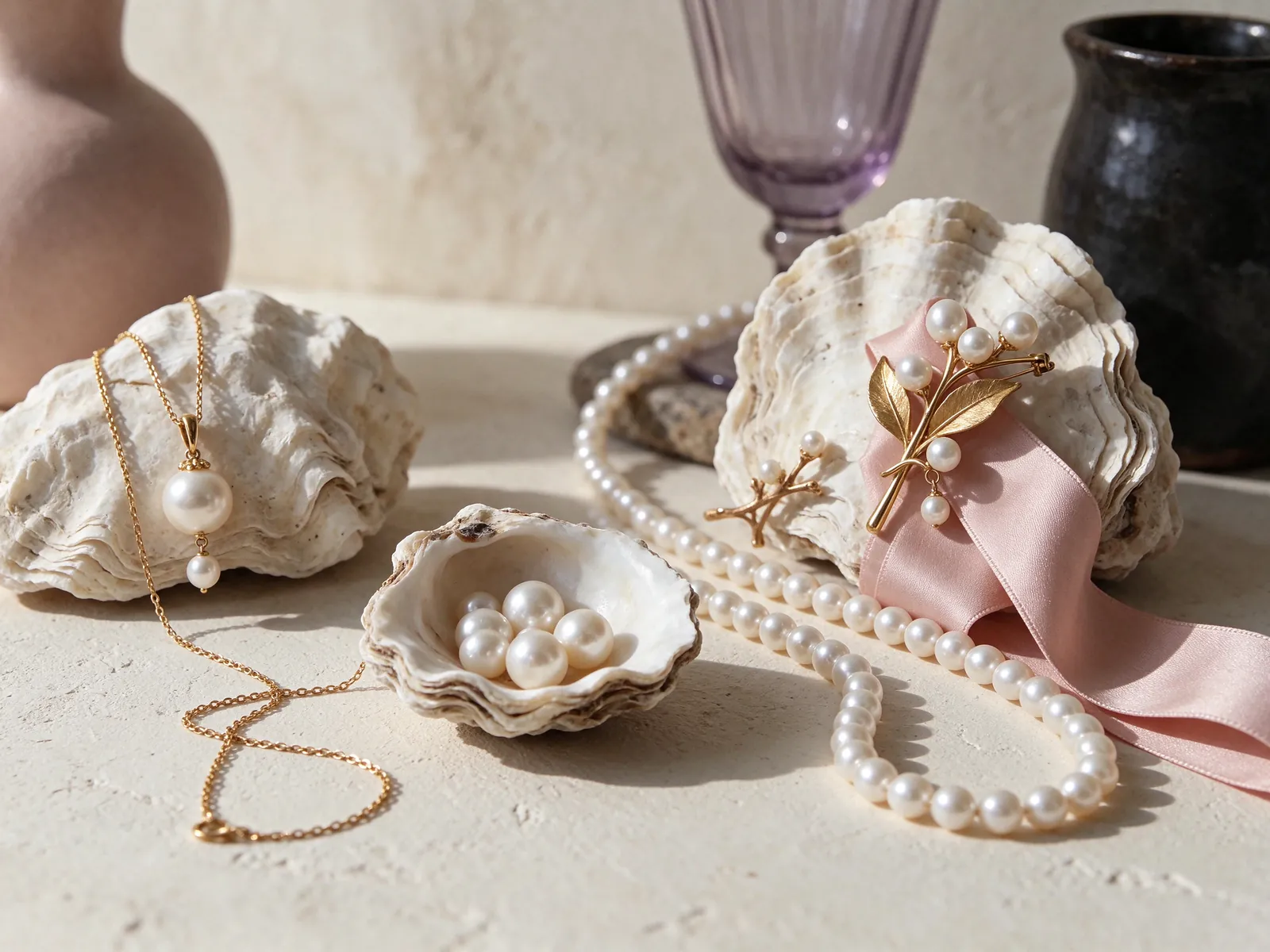
GIA describes seven pearl value factors: size, shape, colour, lustre, surface quality, nacre quality and matching. For a single pendant, begin by observing the clarity of reflected light, visible surface features and the relationship between the pearl’s outline and its setting. Matching becomes particularly relevant when you want to wear it with existing pearl earrings. These factors are a comparison framework, not a substitute for a Hanadama designation.
View the pearl in gentle daylight and then in the indoor lighting you normally use. Strong illumination, a dark background and an enlarged photograph can change its apparent impact. Look at the side and back as well as the front, because setting orientation determines which features are most visible during wear. Do not assume that a clean-looking front photograph describes every part of the pearl’s surface.
Separate colour preference from identification
GIA distinguishes bodycolour, overtone and orient, and notes that not every pearl displays all three. Observe colour as the pendant moves, then compare it with your skin tone and favourite clothing. That is a useful styling decision, but colour alone cannot establish origin, natural-versus-cultured identity or the existence of a particular report. Keep visual preference and identification as separate questions.

Check the setting and chain independently of the report
A pearl document does not automatically answer whether the pendant bail will pass over your chain clasp or whether the piece turns over when worn. Examine the chain route, contact points and resting direction of the pearl. A fixed bail and a through-pearl arrangement have different physical layouts, so judge the actual construction rather than inferring durability from the Hanadama name. Move and sit down during a fitting, not just stand still.
Reading a silver pearl pendant comparison can help separate a metal description from a pearl report: each describes a different part of the jewellery. Flint Jewellery’s customisation material options are limited to 18K 750 white gold, 18K 750 yellow gold, 18K 750 rose gold, PT950 platinum and PT900 platinum. Discuss metal preference in relation to chain colour and design; the choice does not establish a pearl’s designation or imply a particular certified pendant is available.
Bring the chain you actually wear
Your regular chain is more informative than a description such as very fine. If you cannot bring it, a clear photograph showing both the chain and clasp helps explain the intended pairing. Check clearance through the bail and the position of the main pearl. Also notice whether another charm repeatedly touches it; compatibility involves movement as well as appearance. For a closer look at pearl pendant chain compatibility, compare bail clearance and movement separately from the pearl’s paperwork.
Choose the wearing position around your usual neckline
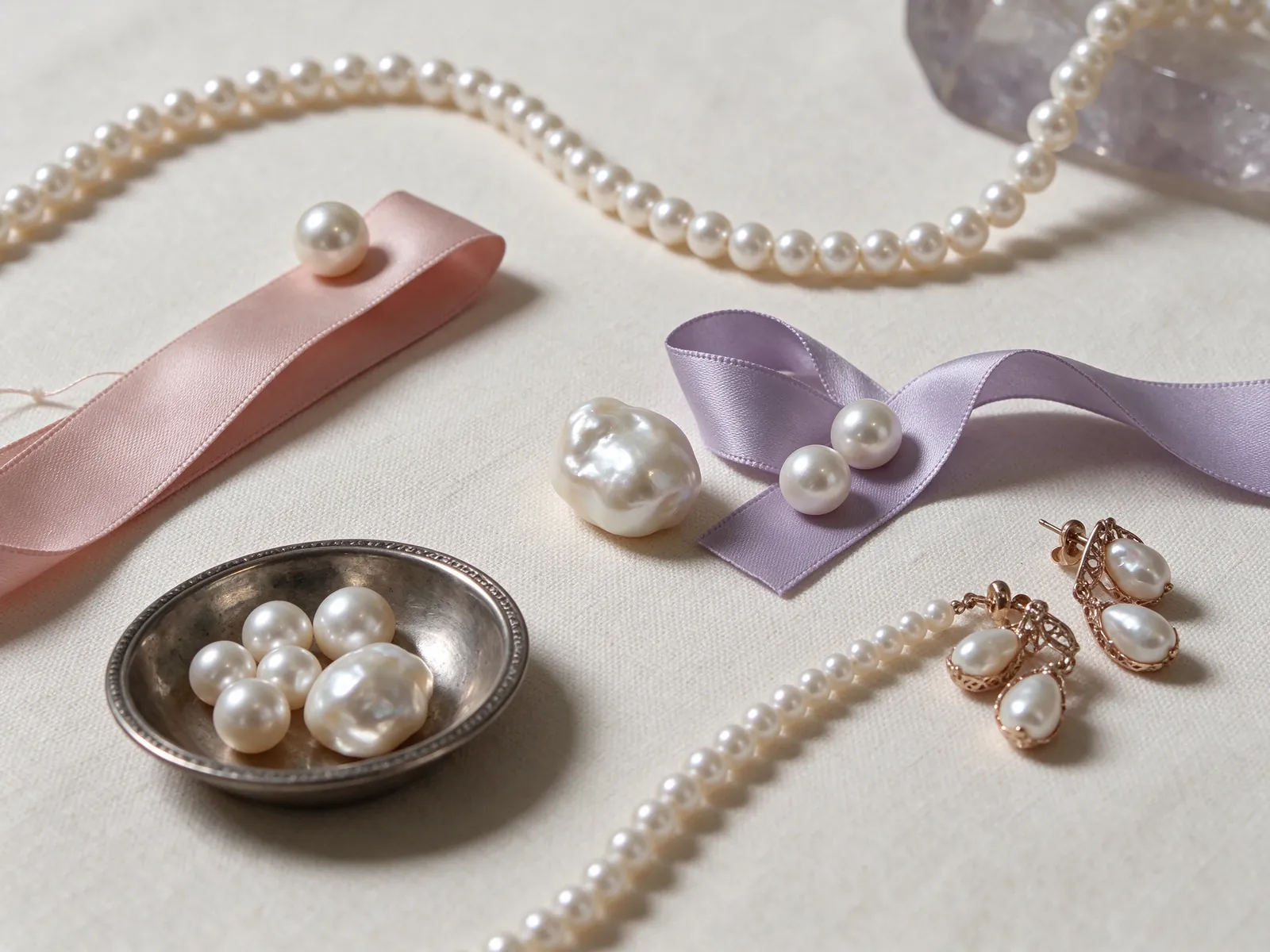
With a V-neck, see whether the pearl sits within the opening without disappearing behind an edge. With a round neckline, compare a position above the fabric with one inside the neckline. There is no single chain-length rule that resolves this for everyone: neck proportions, bail height and garment cut all change the result. Try the pendant with a frequently worn top, rather than relying only on a jewellery display.
For office dressing, let the single pearl provide a focal point before adding another large pendant nearby. For dinner, try the earrings first and consider whether the overall arrangement feels balanced. Dark fabric can make a pale pearl’s outline easier to see, but contrast is not a lustre grade. Textured cloth, sequins and heavy collars also deserve attention because they may make contact with the pearl as you move.
Add layers only after testing a single pendant
Start with the pendant alone and establish its comfortable resting position. Add a second chain afterwards so that you can identify what changes. If chains repeatedly tangle or pull the pearl into another ornament, reduce the layers or alter the pairing. A restrained style can be entirely appropriate; a report designation does not require a more elaborate or conspicuous outfit.

Make a gift decision around the recipient, not a label
Before choosing a pendant as a gift, consider whether the recipient regularly wears necklaces and whether they prefer a single focal point. Someone who usually dresses in jackets may find a different placement more natural. A men’s pearl brooch guide offers a useful comparison of that wearing position without making a pendant name the deciding factor. The most relevant choice is the one that fits the person’s actual wardrobe.
For someone who frequently wears a tie, reading about a pearl tie pin may clarify another accessory format before you settle on a necklace. These pieces occupy different parts of an outfit, and a pearl designation does not tell you which placement the recipient prefers. Make a note of their existing jewellery, common clothing colours and appetite for everyday versus occasion wear. That gives the gift a specific reason beyond prestigious-sounding terminology.
Present the document without adding promises
Keep the complete document with the gift and explain how it relates to the pearl. A short note can record the pendant name and report number for future reference. Avoid adding statements about investment value, treatment status or being the highest grade when the document does not establish them. Your reason for choosing the style is often more personal and helpful than a stronger quality claim.

Care for the pendant and keep its records readable
GIA lists pearl at 2.5 on the Mohs hardness scale. Keep the pearl away from direct rubbing against harder jewellery and wipe it gently with a very soft, clean cloth after wearing. Avoid acids, perfume, hair spray and excessive heat. When getting ready, apply cosmetics and fragrance before putting on the pendant, allowing skin and clothing to dry so that the pearl is not directly exposed.
Never put pearls in an ultrasonic or steam cleaner. A metal setting does not make the whole pendant suitable for equipment used on other jewellery. If the bail looks distorted or the pearl seems loose, stop wearing the piece and have its construction assessed rather than twisting the pearl yourself. Report terminology does not prevent wear, and a cleaning routine should reflect the actual pendant structure.
Keep photographs useful rather than decorative
Save a readable copy of the document with front and back photographs of the pendant and its purchase description. Use a neutral background and avoid filters that alter colour. Keep personal information private when sharing documents. These records help organise the connection between the piece and its paperwork, but photographs cannot replace physical examination or create a new gemmological conclusion. For questions about Hanadama terminology, pearl reports or pairing a pendant with your existing chain, contact Flint Jewellery on WhatsApp +85260106207 and tell us how you like to wear your jewellery.
| Checkpoint | What to examine | Useful question | Do not infer |
|---|---|---|---|
| Exact designation | Product title versus document wording | Where is the term recorded? | Similar translations mean identical credentials |
| Pearl connection | Quantity and identifying descriptions where recorded | Which pearl does this document describe? | The document covers every similar-looking pearl |
| Appearance | Lustre, colour and surface from different angles | Can I see the side and back? | Image brightness establishes a grade |
| Construction | Bail clearance, clasp and resting direction | Does my regular chain fit? | The pearl report guarantees setting performance |
| Everyday wear | Neckline placement and separate storage | What happens when I move? | The name removes the need for care |
Pearl knowledge and authoritative references
GIA describes seven pearl value factors: size, shape, colour, lustre, surface quality, nacre quality and matching. These support a structured comparison of a pendant pearl; they are not a Hanadama report designation.
Read the reference for this factFrequently asked questions
Is a Hanadama pendant title enough to understand the report?
No. Read the complete document, including its issuer and exact designation, and establish which pearl it describes. A product title cannot supply findings that are absent from the report.
Can I treat Hanadama and Aurora Hanadama as interchangeable names?
Do not assume equivalence from the names. Preserve the original wording and read each document in its own context, including the issuer and the scope of the description.
Why consider matching when the pendant has only one pearl?
Matching is especially useful when comparing several pearls. If the pendant will be worn with existing pearl earrings, their visual relationship matters for styling, but it does not establish the pendant pearl’s report designation.
Will a pearl report tell me whether my chain is suitable?
Chain compatibility is a separate construction question. Check the bail opening, clasp clearance, resting direction and placement against your usual neckline, ideally using the chain you actually wear.
Does the Hanadama name change how I should clean the pearl?
No. GIA advises against ultrasonic and steam cleaning for pearls. Use a very soft, clean cloth for routine wiping and avoid perfume, acids and excessive heat, regardless of the pendant’s name.
Updated: