
Custom Wedding Bands: Complete Metal & Design Guide for 2026
Choosing wedding bands? This comprehensive guide covers 18K gold, platinum, and rose gold options with design inspiration. Book a free consultation with Flint Jewellery!
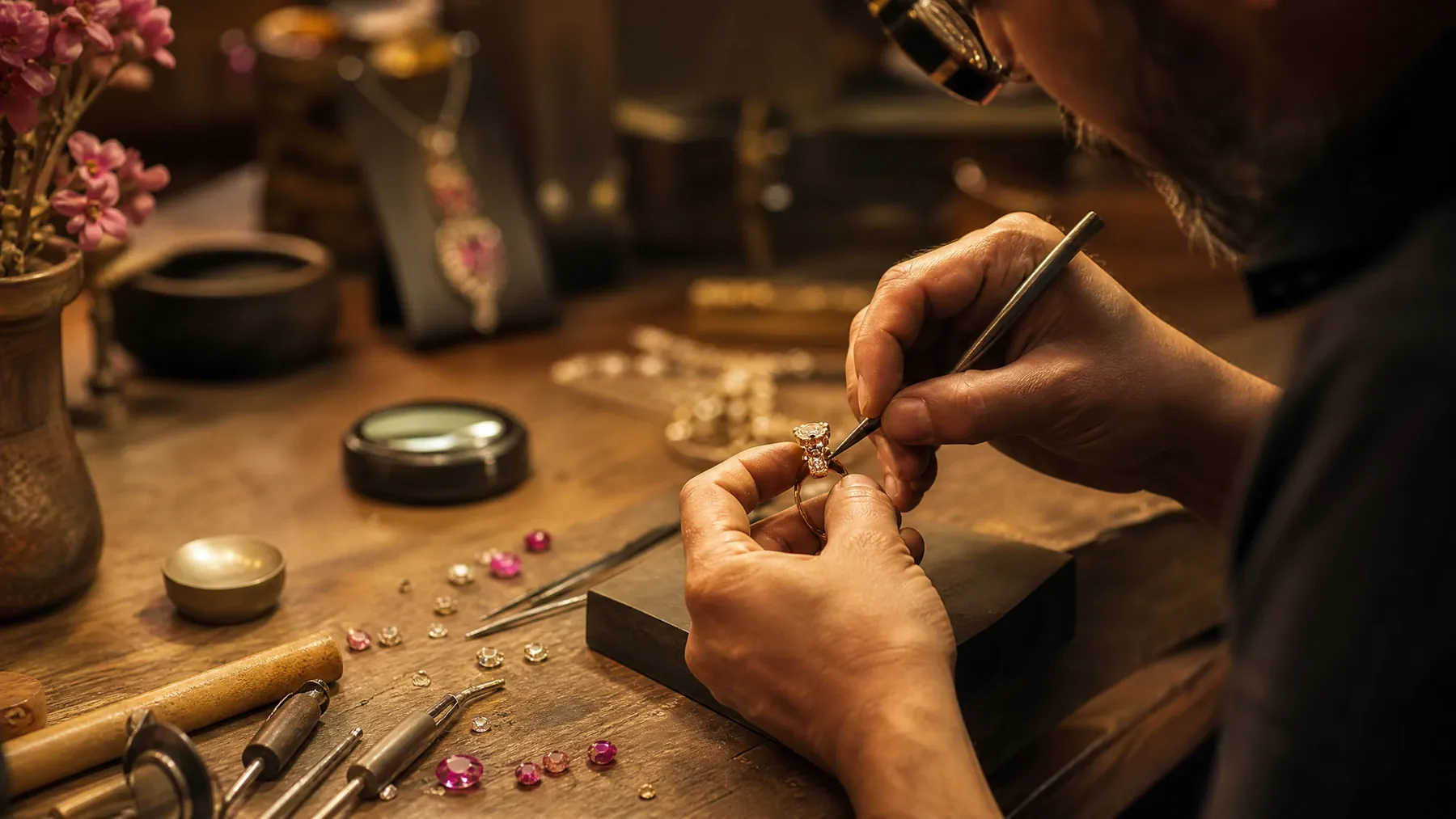
Choosing wedding bands is often the most anticipated yet perplexing part of wedding preparations for any couple. Faced with a dazzling array of designs and materials, have you ever felt overwhelmed in front of a jewellery store window? According to our years of industry observation and data, up to 80% of customers have no prior knowledge of metal properties during their initial consultation. Some couples even regret their choice after marriage because the material is unsuitable for daily wear. As a token of love worn close to the skin every day, a perfect ring requires not only a stunning design but also the right material, which is crucial for its durability and comfort. If you are considering custom-made wedding bands, this article will break down the five most common metal materials on the market for you. We will conduct an in-depth comparison across multiple dimensions, including durability, ease of maintenance, budget, and skin tone matching, to help you avoid common pitfalls and find the perfect wedding bands for each other.
Why is Material Selection So Important for Custom Wedding Bands?
Before delving into specific metal materials, we must first clarify a core concept: why does the choice of material often require more careful consideration than the design when customising wedding bands? Many couples are easily captivated by glamorous designs or brilliant diamonds when choosing rings, overlooking the fact that the metal base is the foundation that determines the ring's lifespan. The material of a ring directly dictates whether it can stand the test of time.
Durability Considerations for Daily Wear?
Unlike general fashion accessories, wedding bands are intimate items meant to accompany you through the long years, enduring various bumps and friction in daily life. Whether you are typing on a keyboard, doing household chores, or engaging in outdoor sports, the ring will inevitably be subjected to external forces. Different metal materials have significant differences in hardness, malleability, and scratch resistance. Choosing a material that suits your lifestyle is the only way to ensure the ring remains in excellent condition for years to come.
For instance, if you are a healthcare professional or an engineer who frequently works with your hands, selecting a material with higher hardness that is less prone to deformation becomes particularly important. Conversely, if your work environment is relatively static, the requirements for material hardness can be slightly relaxed. Therefore, when choosing a material, it is essential to take your daily habits into consideration.
Tips for Matching Skin Tones with Metal Colours?
Beyond physical properties, the compatibility between the metal's colour and your personal skin tone is a crucial point that cannot be ignored. Asian skin tones are generally warmer with yellow undertones, which means we need to pay special attention when selecting metal colours. Choosing the right metal colour can not only brighten the skin tone of your hands but also enhance your overall elegance; conversely, an unsuitable colour might make your hands appear dull.
Generally speaking, those with cool, fair skin can pull off almost any metal colour, with silvery-white materials particularly accentuating their cool and noble elegance. On the other hand, yellowish or warm-toned skin is perfectly suited for metals with warm hues, as these colours can neutralise the yellow undertones and create a visually brightening effect. Understanding the colour characteristics of different metals and matching them to your own skin tone is a major key when selecting wedding bands.
A Comprehensive Comparison of the Pros and Cons of 5 Common Wedding Band Metals
Next, we will delve into the five most popular metal materials for wedding bands on the market. Each material possesses its unique charm and irreplaceable advantages, along with certain maintenance details to keep in mind. Through a comprehensive comparison, we hope to help you find your most desired choice.
Platinum: The Symbol of Pure Eternity
Platinum is one of the most premium and precious metals in the jewellery world. It naturally exhibits a pure silvery-white hue and never fades. This "eternally unchanging" characteristic makes it the best representative of steadfast love. When customising platinum, we typically use PT950 (95% pure platinum) to ensure its superior malleability and purity.
Pros: Firstly, the chemical properties of platinum are extremely stable; it will not discolour or oxidise upon contact with sweat or chemicals. Secondly, it boasts excellent hypoallergenic properties, making it an absolutely safe choice for those with sensitive skin. Furthermore, platinum has a very high density, providing a substantial, weighty feel when worn that gives a sense of groundedness. This unique sense of weight is hard to replicate with other metals.
Cons: Although platinum is highly durable, its hardness is relatively low, making it prone to fine scratches during daily wear. However, these scratches are merely displacements on the metal's surface and do not cause any loss of mass; instead, they form a unique patina that tells the story of time. Additionally, due to its high rarity and the difficulty of processing, its price is usually the most expensive among all metal materials.
18K White Gold: A Brilliant Choice with High Cost-Performance
If you love a silvery-white lustre but have a relatively limited budget, then 18K white gold is definitely your top choice. 18K white gold is an alloy composed of 75% gold and 25% other white metals (such as palladium, silver, etc.). Its surface is usually plated with a layer of rhodium, giving it a bright white hue remarkably similar to platinum. Many customers are drawn to its high cost-performance when opting for 18K gold customisation.
Pros: 18K white gold has a higher hardness than platinum, making it more scratch-resistant and less prone to deformation. It is highly suitable for setting diamonds or gemstones, providing excellent grip. Its price is relatively affordable, allowing couples to allocate more of their budget towards the diamond's grade or the design of the ring. For couples seeking both practicality and aesthetics, this is a very smart choice.
Cons: Since the natural colour of 18K white gold is actually a slightly yellowish-white, the rhodium plating on the surface will gradually wear off over time and with daily friction, revealing the faint yellow underneath. Therefore, to maintain its brilliant silvery-white lustre, it needs to be replated approximately every 1 to 2 years, which adds to the long-term maintenance costs and effort. However, the replating process is relatively simple, and many jewellery stores offer this service.
18K Rose Gold: The Romantic, Skin-Brightening Top Choice for Asians
In recent years, the popularity of rose gold in the wedding band market has soared. It is a blend of 75% gold with specific proportions of copper and silver; the addition of copper gives it a warm, romantic pinkish hue. For many brides pursuing a unique style, customising rose gold has become a symbol of personal taste.
Pros: The greatest advantage of rose gold lies in its ultimate "skin-brightening" effect. Its warm tone perfectly neutralises the yellowish undertones of Asian skin, making the hands look fairer and more radiant. Additionally, due to its copper content, 18K rose gold boasts very high hardness and excellent durability, making it resistant to deformation and scratches. It is not only visually captivating but also performs exceptionally well in terms of practicality.
Cons: The downside of rose gold is its copper content, which may cause skin discomfort in a very small number of people who are allergic to copper. Furthermore, different brands or studios may use varying proportions of copper and silver when formulating rose gold, resulting in colours that lean more red or yellow. Therefore, it is important to pay special attention to whether the actual colour meets your expectations when choosing. We recommend trying it on in person to ensure the colour perfectly complements your skin tone.
18K Yellow Gold: The Classic and Vintage Traditional Choice
Gold has been a symbol of wealth and status since ancient times, and in modern wedding band designs, 18K yellow gold exudes a unique classic and vintage charm. It retains the gorgeous colour of gold while improving upon the excessive softness of pure gold by incorporating other metals. Couples who choose custom yellow gold are often enamoured with that timeless traditional beauty.
Pros: The colour of 18K yellow gold is rich and warm, making it highly suitable for pairing with vintage-style designs or coloured gemstones. Its properties are stable, resisting oxidation and discolouration, and daily maintenance is relatively simple—just gently wiping it with warm water and mild soap can restore its shine. For those who appreciate classic styles and do not blindly follow fleeting trends, this is a timeless choice.
Cons: For those with duller or more yellowish skin tones, 18K yellow gold might make the skin appear even more lacklustre. Therefore, it is necessary to try it on in person to confirm whether the colour complements your skin tone. Moreover, although its hardness is higher than that of pure gold, it is still slightly lower than 18K white gold and rose gold. You should avoid strong impacts when wearing it to prevent noticeable dents or deformation.
Titanium: The Lightweight, Hypoallergenic Modern Favourite
Titanium is an emerging material that has gradually made its mark in the wedding band market in recent years. Originally widely used in the aerospace and medical fields, it has now become a favourite among many couples seeking individuality and practicality, thanks to its unique physical properties. For those who dislike the texture of traditional metals, this is a choice full of modern flair.
Pros: The most prominent feature of titanium is its extreme lightness; it feels almost weightless on the hand, making it highly suitable for men who are not accustomed to wearing jewellery. It boasts extremely high hardness, is scratch-resistant and durable, and is 100% hypoallergenic, allowing even the most sensitive skin to wear it with peace of mind. Furthermore, its price is very affordable, which is a great boon for couples on a tight budget.
Cons: Because titanium's hardness is so high, it is extremely difficult to process. As a result, designs are usually quite minimalist, making complex engravings or settings challenging. More importantly, once a titanium ring is formed, it is almost impossible to resize. This means that if your finger becomes thicker or thinner in the future, you may need to have a completely new ring made. Therefore, ring size measurements must be incredibly precise.
Comprehensive Comparison Table of 5 Metal Materials
To give you a more intuitive understanding of the differences between these five materials, we have compiled a detailed comparison table. When making your selection, we recommend conducting a comprehensive evaluation based on your lifestyle habits, budget, and colour preferences. There is no absolutely perfect material, only the choice that suits you best.
| Metal Material | Durability & Hardness | Budget | Ease of Maintenance | Suitable Skin Tones |
|---|---|---|---|---|
| Platinum | Medium hardness, highly corrosion-resistant | High | Simple, no replating required | All skin tones, especially cool fair skin |
| 18K White Gold | High hardness, scratch-resistant | Medium | More tedious, requires periodic replating | All skin tones, a versatile choice |
| 18K Rose Gold | Extremely high hardness, resists deformation | Medium | Simple, daily cleaning is sufficient | Yellowish skin tones, ultimate brightening effect |
| 18K Yellow Gold | Medium hardness, malleable | Medium | Simple, daily cleaning is sufficient | Warm fair skin, vintage style lovers |
| Titanium | Extremely high hardness, extremely lightweight | Affordable | Minimalist, requires almost no special maintenance | All skin tones, suitable for men |
A Jewellery Editor's Secret Tips for Custom Wedding Bands
As an editor deeply rooted in the jewellery industry for many years, I have witnessed countless couples going through the process of selecting their wedding bands. Here, I would like to share a few practical tips to help you feel more confident when choosing materials. These insights are drawn from numerous real-life cases, and I hope they provide valuable reference for your decision-making.
Firstly, do not blindly pursue expensive materials. While platinum is precious, if your budget is limited or you prefer a richer variety of colours, 18K gold is definitely a more cost-effective choice. Remember, the value of a ring lies in the meaning it carries, not the price on its tag. Choosing a material that fits your financial capacity ensures that this token of love brings pure joy rather than a heavy burden.
Secondly, both partners do not necessarily have to choose the exact same material. Many couples believe that wedding bands must be identical, but in reality, there are often differences in skin tones, lifestyle habits, and aesthetic preferences between men and women. Gentlemen might opt for understated and durable platinum or titanium, while ladies might choose skin-brightening and romantic rose gold. As long as there is a cohesive design element, such as matching textures or setting styles, you can still showcase perfect harmony.
"The perfect wedding band is not the most expensive one in the display window, but the one that best integrates into your daily life. The choice of material is, in essence, a commitment to your future lifestyle."
Finally, I strongly recommend opting for a professional customisation service. Through the Flint Jewellery custom jewellery service, you can not only freely choose your desired metal material but also participate in every step of the design process, weaving your unique love story into the rings. Professional jewellery consultants will provide the most objective material recommendations based on your needs, ensuring your wedding bands are both beautiful and practical.
Conclusion and Call to Action
Choosing wedding bands is a journey filled with love and anticipation. From pure and eternal platinum, highly cost-effective 18K white gold, romantic and skin-brightening rose gold, classic and vintage yellow gold, to lightweight and hypoallergenic titanium, each material speaks its own unique language. We hope this detailed comparison guide helps clear the confusion and leads you to the perfect material that best suits each other.
I personally highly recommend that couples visit the studio in person to try on rings of different materials, as the true colour and weight of the metal can only be genuinely experienced when worn on the hand. If you still have questions about material selection or already have preliminary design ideas, please feel free to contact us anytime. Our professional team is always ready to provide you with the most thoughtful advice.
Are you ready to create a token of love that belongs exclusively to you? Contact Flint Jewellery's professional jewellery consultants via WhatsApp today to book a free one-on-one consultation, and let us work together to forge the most brilliant testament to your love!
About the Author: Master Chan is a senior jewellery designer at Flint Jewellery with over 15 years of fine jewellery custom experience. He focuses on combining traditional craftsmanship with modern aesthetics, dedicated to creating unique love tokens for every couple.