
Bracelet & Bangle Repair Guide: Common Issues & Professional Solutions
Bracelet broken or bangle deformed? This guide covers common damage types, professional repair methods, and cost estimates. Get a free assessment at Flint Jewellery!
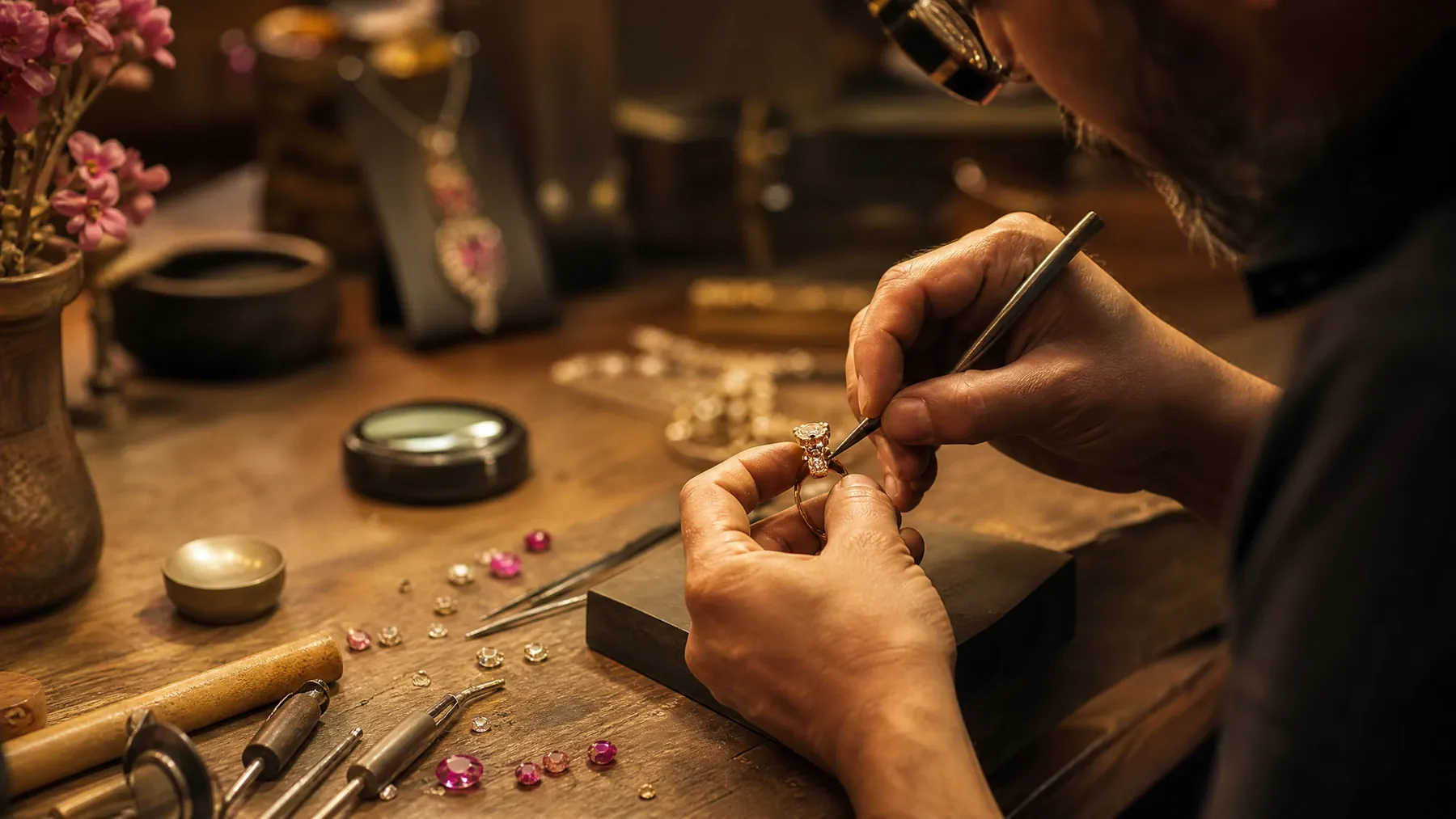
Bracelet and Bangle Repair Guide: Common Issues and Professional Solutions
Have you ever felt heartbroken because your beloved bracelet suddenly broke or your precious bangle became deformed? Many people often overlook the potential risks of metal fatigue and accidental impacts when wearing jewellery daily. According to our repair data statistics, over 60% of jewellery damage cases are concentrated on hand accessories, which not only affects the aesthetic appeal of wearing them but could also lead to the loss of precious gemstones. Do not worry; this article will provide a detailed analysis of common bracelet and bangle damage situations and offer professional repair solutions to give your treasured pieces a new lease of life.
Why Are Bracelets and Bangles Prone to Damage?
The hands are the most frequently used parts of our body in daily activities, which puts accessories worn on the wrists at a higher risk than necklaces or earrings. From typing on a keyboard to lifting heavy objects, every movement can exert slight pressure on the metal structure.
In our years of repair experience, the most common causes of damage include accidental pulling, metal wear caused by long-term friction, and the erosion of metal surfaces by chemicals (such as perfumes and cleaning agents). Understanding these risks is the first step in preventing damage. If you have already encountered problems, seeking professional bracelet and bangle repair services is the best choice to ensure your accessories are safely restored.
Metal Fatigue and Structural Weak Points
Although metal is hard, it can also experience fatigue under long-term stress. The connecting rings of bracelets and the clasps of bangles, in particular, frequently endure pulling and twisting forces, making them the most fragile links in the structure. When you notice tiny cracks or deformation in these areas, you should address them promptly to avoid more severe damage.
The Invisible Killers of Daily Wear
Besides obvious physical impacts, there are many "invisible killers" in daily life quietly eroding your bracelets and bangles. For instance, the acidic substances in sweat can accelerate the oxidation process of metals, and the chlorine in swimming pools is a deadly nemesis for karat gold and silver jewellery. Furthermore, many people forget to take off their accessories when doing housework or exercising, which not only increases the risk of scratching but could also lead to chain breakage due to vigorous movement. Therefore, cultivating good wearing habits is the key to extending the lifespan of your jewellery.
Common Bracelet Damage Situations and Repair Methods
Bracelets come in a variety of styles, from delicate fine chains to complex woven designs, and different designs require different repair strategies when damaged. Below are several of the most common damage situations and their professional solutions.
Seamless Repair for Broken Chains
A broken chain is one of the most common bracelet issues. Traditional soldering methods often leave obvious marks, affecting the aesthetic appeal of the accessory. Modern jewellery repair technology has made significant advancements, and we strongly recommend using laser soldering repair technology. This technique can precisely control the heat, achieving an almost seamless repair effect without damaging the surrounding metal and gemstones.
"The application of laser soldering technology has completely transformed the standards of jewellery repair. It not only improves the precision of the restoration but also significantly extends the lifespan of the accessories." — Senior Repair Technician at Flint Jewellery
Clasp Malfunction and Component Ageing
The clasp of a bracelet is a crucial component for ensuring the accessory is worn safely. As usage time increases, the internal mechanical structure of spring rings or lobster clasps may age or become jammed. In such situations, proceeding with a clasp component replacement is the most direct and effective solution. We recommend choosing high-quality components that match the original design to ensure comfort and safety when wearing.
Loose Gemstones and Worn Prongs
Many high-end bracelets are set with diamonds or coloured gemstones. Over time, the metal prongs securing the gemstones may become thin or even break due to friction, causing the gemstones to become loose or fall out. A professional repair technician will carefully inspect the condition of each prong and, if necessary, perform metal retipping for reinforcement to ensure the gemstones are as secure as before. If you notice any signs of loose gemstones on your bracelet, please stop wearing it immediately and send it for repair.
Handling Bangle Deformation and Surface Wear
Compared to bracelets, bangles usually have a sturdier structure, but this does not mean they cannot be damaged. Strong impacts or improper storage methods can lead to bangle deformation or severe scratches on the surface.
Professional Metal Reshaping Techniques
When a bangle becomes deformed, never attempt to forcefully bend it back into shape yourself, as this can easily lead to metal breakage or gemstone loss. A professional jewellery technician will use specially designed wooden mallets and metal mandrels, combined with appropriate heat treatment, to gradually restore the bangle to a perfect circular or oval shape. This process requires immense patience and skill to ensure the internal structure of the metal is not compromised.
Surface Refurbishment and Polishing Treatments
Long-term wear can cause the surface of a bangle to lose its original lustre and even develop scratches of varying depths. Through professional necklace and bangle refurbishment services, technicians will perform multiple stages of grinding and polishing to remove the oxidation layer and scratches on the surface, restoring the bangle to its original sparkling brilliance. For bangles with special textures or matte finishes, technicians will also use specialised tools to recreate the surface effects.
Maintenance of Hinges and Safety Clasps
Many rigid bangles are designed with hinges and safety clasps for ease of wearing. These moving parts are prone to loosening or wear after frequent opening and closing. Regular inspection and maintenance can ensure the proper functioning of these components. If you find that the hinge is not smooth or the safety clasp cannot close tightly, a technician can make fine adjustments or replace the internal springs to restore their original functions.
Cost-Benefit Analysis of Repair vs. Custom-Made
When an accessory is severely damaged, many customers hesitate over whether to proceed with repairs or simply have a new piece custom-made. This requires a comprehensive consideration of the accessory's sentimental value, repair costs, and personal budget.
| Consideration Factors | Professional Repair | Custom-Made Replacement |
|---|---|---|
| Sentimental Value | Preserves the original commemorative significance | Creates new memories |
| Time Cost | Usually takes 1-2 weeks | Usually takes 4-6 weeks |
| Economic Cost | Depends on the extent of damage, usually lower | Higher cost, but fully customisable |
| Design Flexibility | Limited to the original design framework | Can be designed entirely according to personal preference |
| Environmental Considerations | Reduces resource waste, more environmentally friendly | Requires the consumption of new metal and gemstone resources |
If you decide to create a brand new accessory for yourself or a loved one, our custom-made bracelet services can turn your unique ideas into reality, providing comprehensive professional guidance from material selection to design. Whether it is repurposing gemstones from old jewellery or designing from scratch, we can meet your needs.
Prevention is Better Than Cure: Daily Maintenance Tips
After understanding the various repair methods, we should place even greater emphasis on daily maintenance to reduce the likelihood of accessory damage. Here are a few practical maintenance tips:
- Store Separately: Gemstones and metals of different hardness should be stored separately to avoid scratching each other. It is recommended to use a jewellery box with individual compartments or place each accessory separately in a soft cloth bag.
- Clean Regularly: Use mild soapy water and a soft-bristled brush to gently clean your bracelets and bangles, removing surface oils and dirt. Be sure to dry them with a soft cloth after cleaning to prevent moisture residue.
- Avoid Chemicals: You should take off your accessories before applying makeup, spraying perfume, or using cleaning agents. These chemicals can cause irreversible damage to metal surfaces.
- Remove When Appropriate: Please be sure to take off your bracelets and bangles when engaging in vigorous exercise, swimming, soaking in hot springs, or doing heavy housework to avoid accidental impacts or chemical erosion.
Conclusion and Professional Advice
The repair of bracelets and bangles is not just technical work; it is also the safeguarding of precious memories. Whether it is a minor scratch or a severe break, seeking professional help promptly can salvage your beloved items to the greatest extent. We recommend having a comprehensive inspection and cleaning of your jewellery every six months to prevent problems before they occur.
If you are currently troubled by a damaged accessory or wish to learn more about our jewellery repair services, please contact our professional team via WhatsApp immediately. We will provide you with a free preliminary assessment and consultation service to make your jewellery shine brilliantly once again!
About the Author: Master Chan is a senior jewellery repair specialist at Flint Jewellery with over 15 years of bracelet and bangle repair experience. He specialises in restoring wrist jewellery to perfect condition.